Tag

Workplace Rights

All articles tagged with #workplace rights

Charlie Kirk's Death Sparks Debate on Free Speech and Job Security
law-and-employment4 months ago

Charlie Kirk's Death Sparks Debate on Free Speech and Job Security

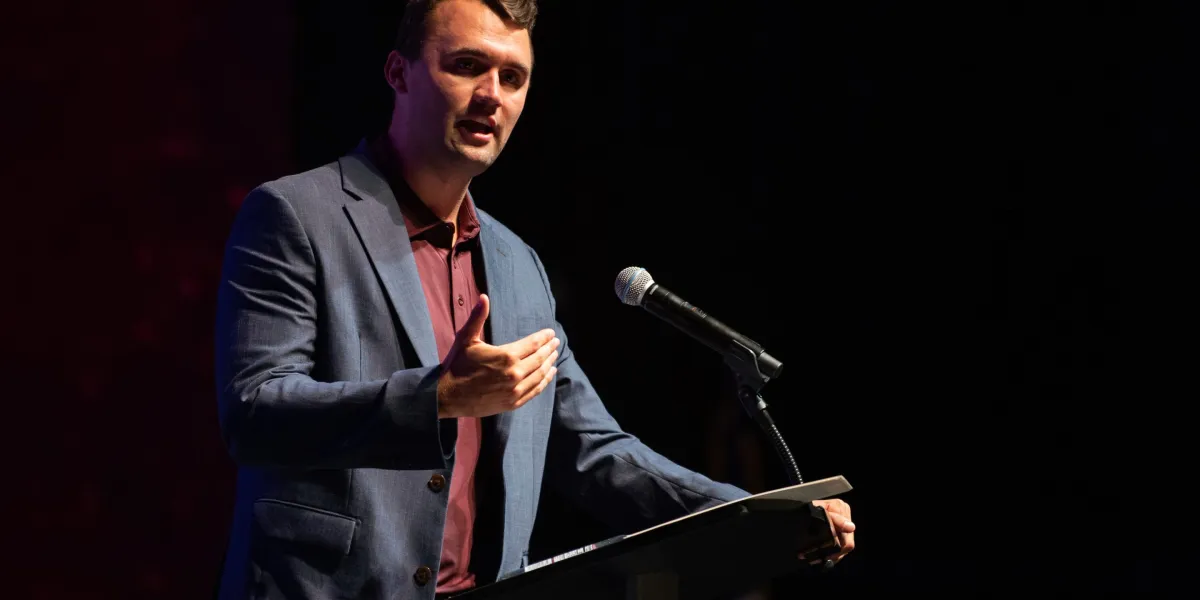
Following Charlie Kirk's death, many workers have faced job losses due to their comments on social media or public statements, highlighting the limited legal protections for employee speech in private workplaces in the U.S. Employers often have broad discretion to discipline or fire employees for speech that could harm their reputation or disrupt their business, with some protections varying by state and for public employees. The rise of social media and digital communication has intensified scrutiny of employees' off-duty conduct, prompting companies to review policies and increase vigilance to maintain workplace safety and brand reputation.
Charlie Kirk's Death Sparks Debate on Free Speech and Workplace Rights
law-and-employment4 months ago

Charlie Kirk's Death Sparks Debate on Free Speech and Workplace Rights

The article discusses how private-sector employees in the U.S. have limited legal protections for their speech at work, especially on social media, with employers often having broad leeway to discipline or fire employees for public comments, including those made in response to Charlie Kirk's assassination. It highlights the complex legal landscape, varying state laws, and the impact of social media on workplace conduct and employer policies.

"The Impact of Doxxing Campaigns on Cancel Culture: Post-Campaign Consequences"
social-issues1 year ago

"The Impact of Doxxing Campaigns on Cancel Culture: Post-Campaign Consequences"

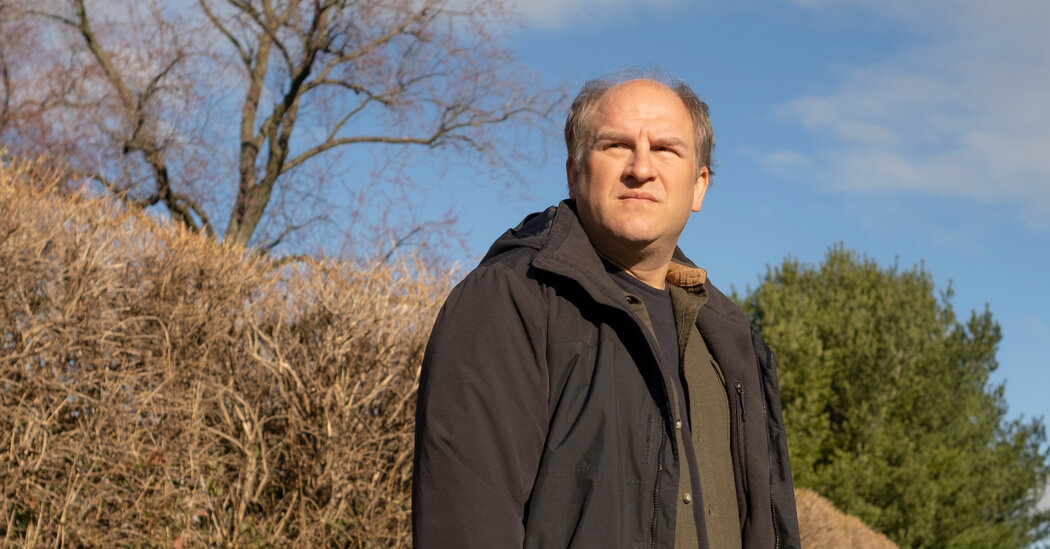
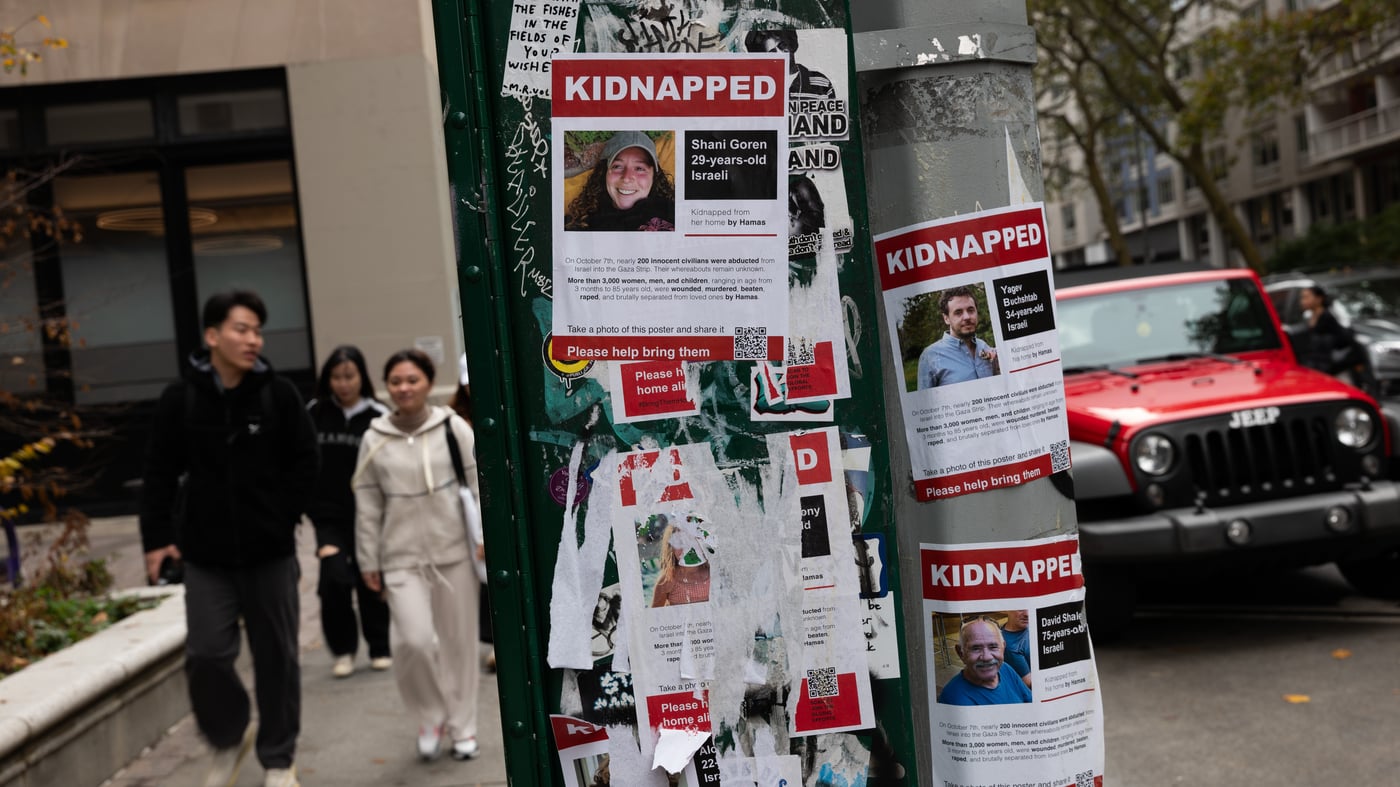
Doxxing campaigns targeting individuals involved in the Israel-Hamas conflict have led to severe consequences, including death threats and job loss for those targeted. One individual, Olivia Lynch, faced backlash and was fired from her job after tearing down a poster related to the conflict. The incident raises questions about free speech, online harassment, and the impact of social media on public discourse.

"Pioneering Flight Attendants: Breaking Barriers and Fighting for Rights"
culture1 year ago

"Pioneering Flight Attendants: Breaking Barriers and Fighting for Rights"

The documentary "Fly With Me" sheds light on the history of flight attendants, highlighting their fight for equal rights, gender and race equality, and workplace reform during the 1950s and '60s. The film features firsthand accounts and archival footage, showcasing the struggles and triumphs of early stewardesses who challenged discriminatory airline policies. Through their perseverance and activism, these women played a pivotal role in advancing workplace equity and paved the way for future generations of flight attendants.

"Australia Leads the Way with 'Right to Disconnect' Law for Workers"
employment-rights1 year ago

"Australia Leads the Way with 'Right to Disconnect' Law for Workers"

Australia is set to introduce a right to disconnect after office hours, as part of proposed industrial relations legislation, following in the footsteps of some European nations. The measure, which could pass this week, would allow employees to refuse to respond to employer contact outside of working hours, with disputes potentially escalated to the Fair Work Commission for resolution. This move aligns with similar laws in France, Spain, and Belgium, aimed at protecting workers from unreasonable contact outside of their designated work hours.

Supreme Court Supports Christian Postal Carrier's Sabbath Refusal
law-and-society2 years ago

Supreme Court Supports Christian Postal Carrier's Sabbath Refusal

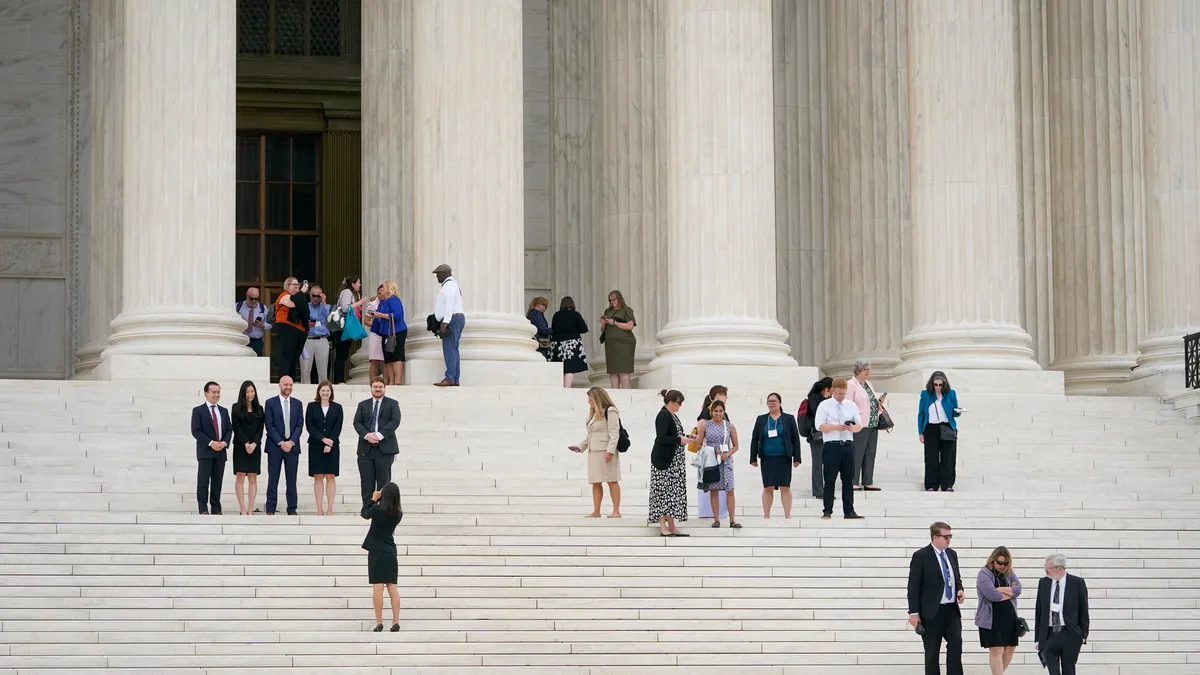
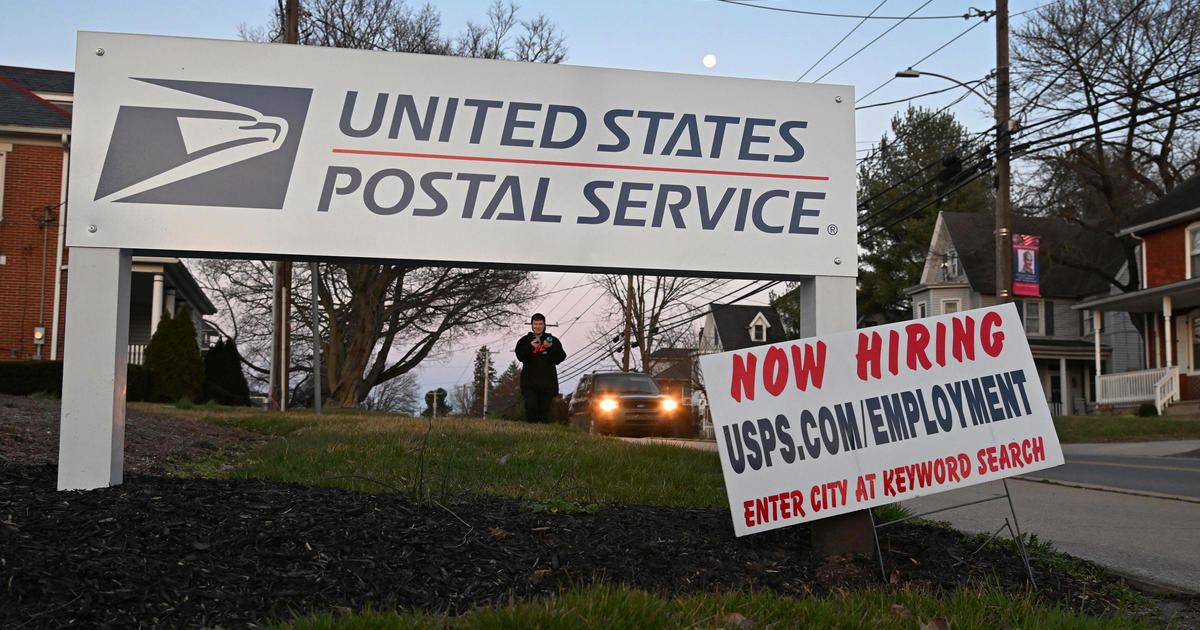
The Supreme Court issued a unanimous decision expanding protections for religious workers, ruling that employers must make substantial efforts to accommodate their workers' religious practices. The case involved a mail carrier for the U.S. Postal Service who refused to work on his Sabbath. The court rejected the previous test used to determine accommodations for religious workers but did not rule on the merits of the case, sending it back to a lower court. The decision could have significant implications for workplaces and may require employers to make substantial changes to accommodate religious workers. This ruling is part of a series of decisions by the court that have expanded the role of religion in public life.

Supreme Court Ruling: Religious Accommodations' Impact on Employees
law-and-society2 years ago

Supreme Court Ruling: Religious Accommodations' Impact on Employees

The Supreme Court unanimously ruled in the case of Gerald Groff, a former postal worker, that employers cannot reject religious accommodation requests based on trivial costs. Employers should accommodate religious employees' requests unless it would result in substantial increased costs to the business. This decision has the potential to give religious employees more control over their schedules and dress codes. Legal experts believe that this ruling will change the outcome of many future cases involving religious accommodations in the workplace.

Supreme Court Upholds Christian Postal Worker's Sunday Work Refusal
law-and-religion2 years ago

Supreme Court Upholds Christian Postal Worker's Sunday Work Refusal

The Supreme Court has ruled in favor of a Christian mail carrier who refused to work on Sundays, strengthening protections for workers seeking religious accommodations. While upholding the 1977 precedent that employers can deny accommodations if they impose minimal costs, the court set a "clarified standard" for determining when an employee's religious accommodation would impose an undue hardship on the employer. The decision sends the case back for further legal proceedings and follows a series of recent rulings in favor of religious parties by the conservative Supreme Court.

Italian MP Makes History by Nursing Baby During Parliamentary Session
politics2 years ago

Italian MP Makes History by Nursing Baby During Parliamentary Session

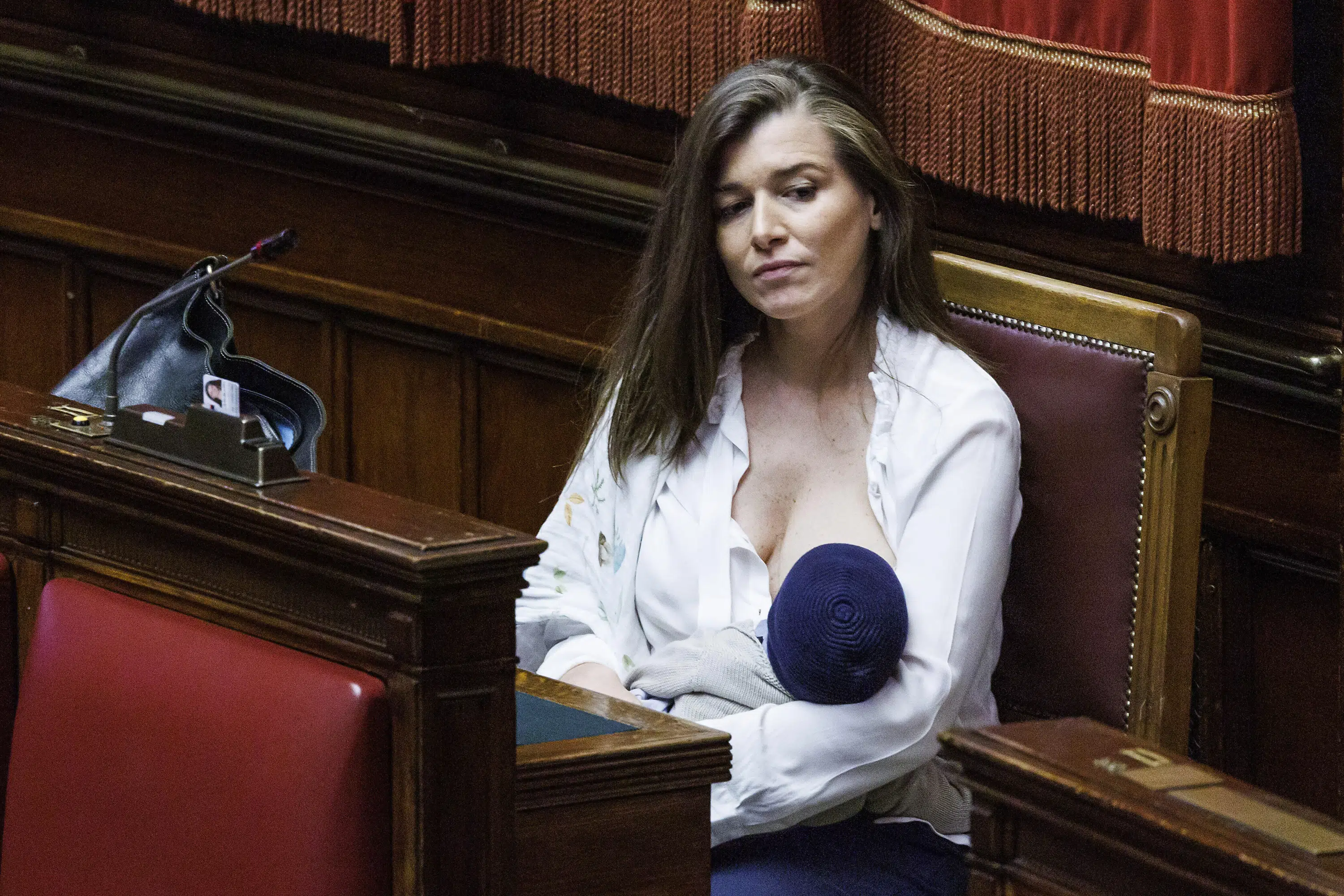
Italian lawmaker Gilda Sportiello, who fought for a rule allowing women to nurse their babies during parliamentary sessions, became the first woman to do so while voting in the lower Chamber of Deputies. Sportiello hopes her act will inspire workplaces in Italy to make it easier for working mothers to nurse their infants while on the job. She took a seat in the back row and leaned forward to push a button to indicate her vote on various motions being decided.