Indian customs seized two endangered Silvery Gibbons, one dead and one alive, hidden in a checked bag at Mumbai airport, along with nearly 8 kg of illegal weed, highlighting ongoing wildlife smuggling issues.
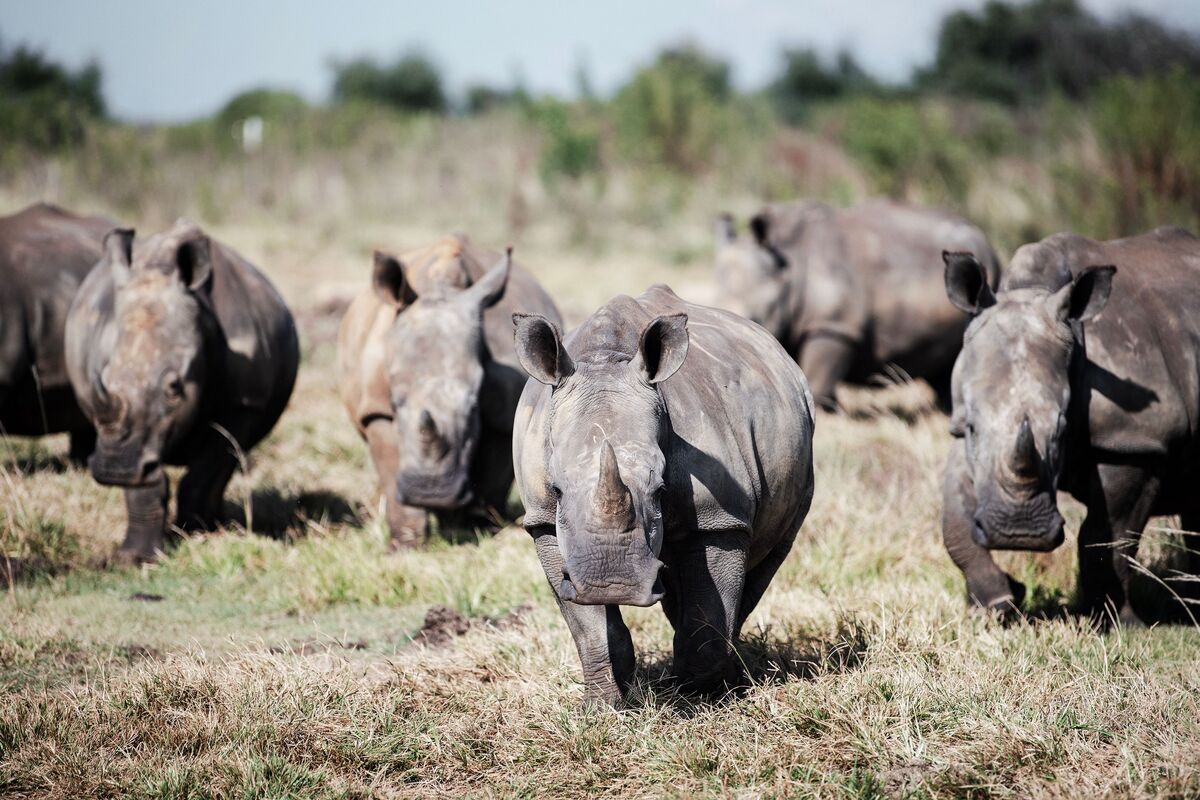
John Hume, known for breeding the world's largest rhino herd, was arrested in South Africa for allegedly smuggling rhino horns worth $14 million, linked to a scheme involving nearly 1,000 horns and illegal markets in Southeast Asia. The investigation highlights ongoing wildlife trafficking issues and Hume's previous efforts to legalize horn trade to combat poaching.
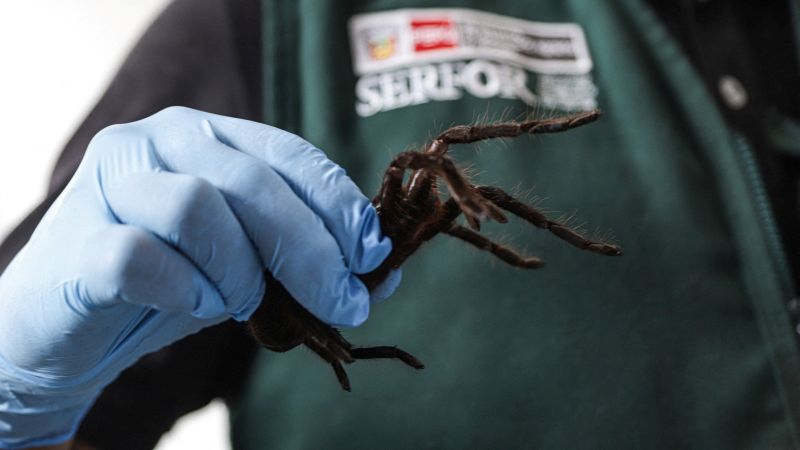
German customs officials seized approximately 1,500 tarantulas hidden in cake boxes shipped from Vietnam at Cologne Bonn airport, highlighting ongoing wildlife smuggling issues in Europe for profit, with some animals not surviving the trip and criminal proceedings underway against the recipient.
A South Korean man was arrested at Lima's Jorge Chávez International Airport for attempting to smuggle 320 tarantulas, 110 centipedes, and nine bullet ants out of Peru, strapped to his body. The insects, taken from the Madre de Dios region, were found in ziplock bags during a search. The man was en route to South Korea via France and is now under investigation by Peru's environmental crimes prosecutor. The incident highlights ongoing issues with illegal wildlife trafficking in South America.
A South Korean man was arrested at Jorge Chávez International Airport in Peru for attempting to smuggle 320 tarantulas, 110 centipedes, and nine bullet ants back to Korea. The man was caught with the animals strapped to his body, highlighting the ongoing issue of illegal wildlife trafficking, which affects thousands of species globally. An investigation is underway, and the animals are believed to have been sourced from Madre de Dios, Peru.
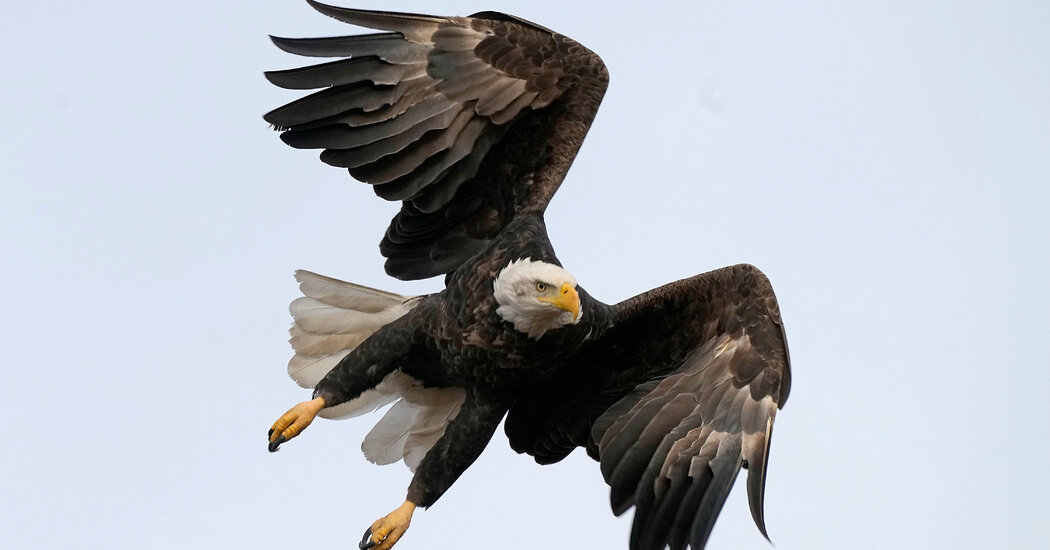
Travis John Branson pleaded guilty to participating in a scheme to illegally hunt and sell bald and golden eagles, facing up to five years in prison and a $250,000 fine. His co-defendant, Simon Paul, is still on the run. The men routinely met on the Flathead Indian Reservation in Montana to hunt eagles, selling their parts for significant sums of cash. The killing of bald eagles, a national symbol, was seen as particularly flagrant, and it remains unclear how many of the 3,600 birds killed were eagles.
Travis John Branson is set to plead guilty to participating in a "killing spree" of 3,600 birds, including protected golden and bald eagles, and selling their body parts and feathers on the black market. The birds were killed near the Flathead Indian Reservation in Montana, and Branson's alleged partner, Simon Paul, is also indicted. The charges carry a maximum total of 13 years in prison.
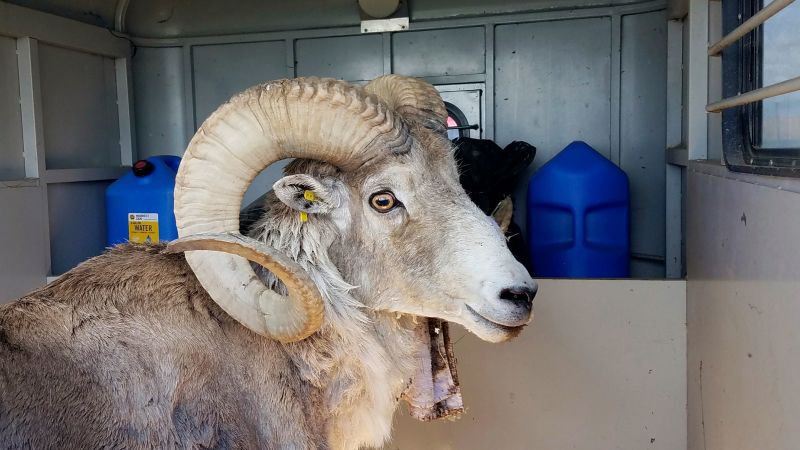
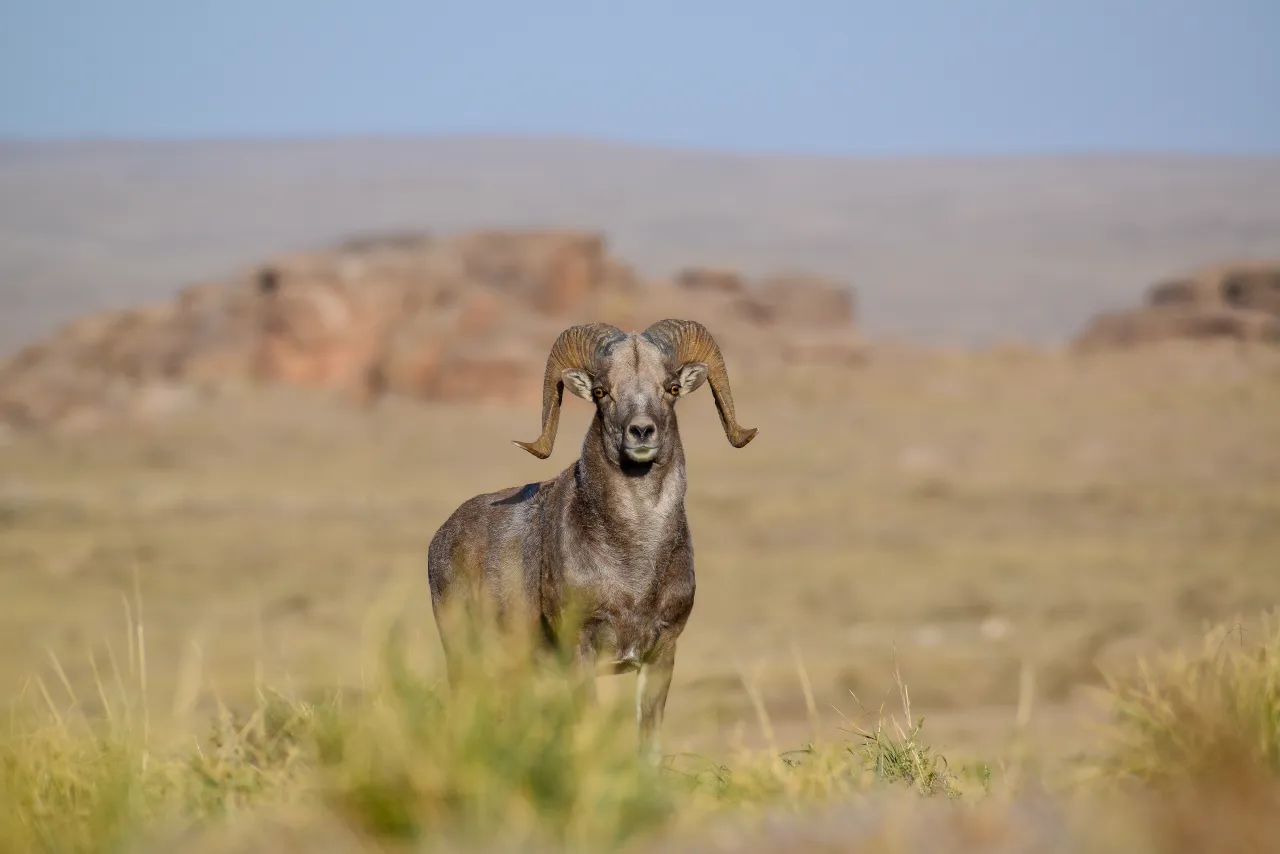
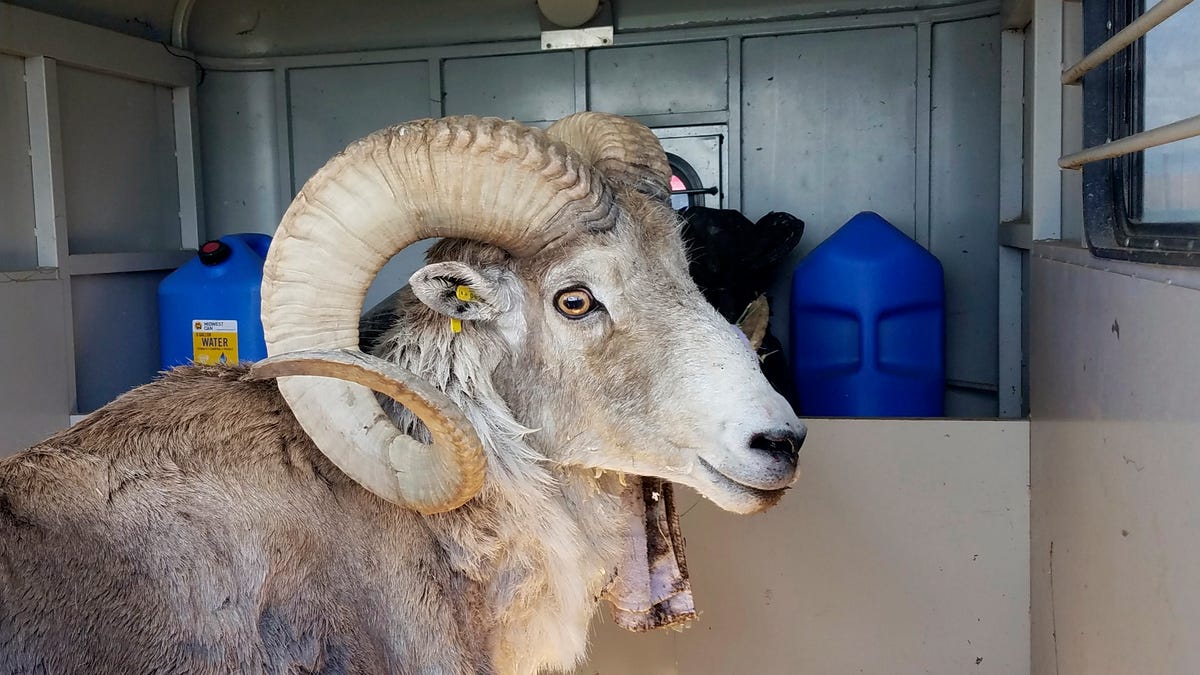
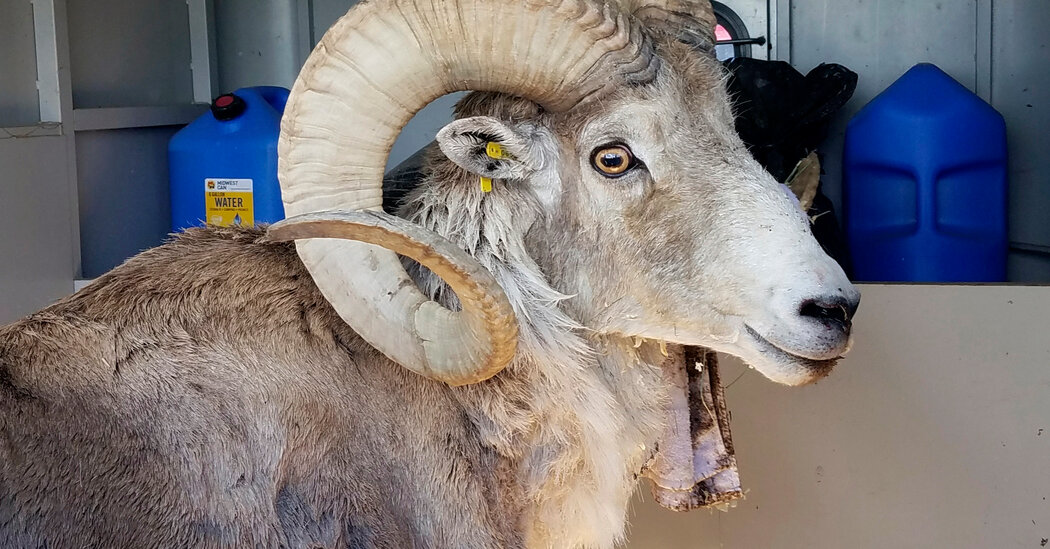
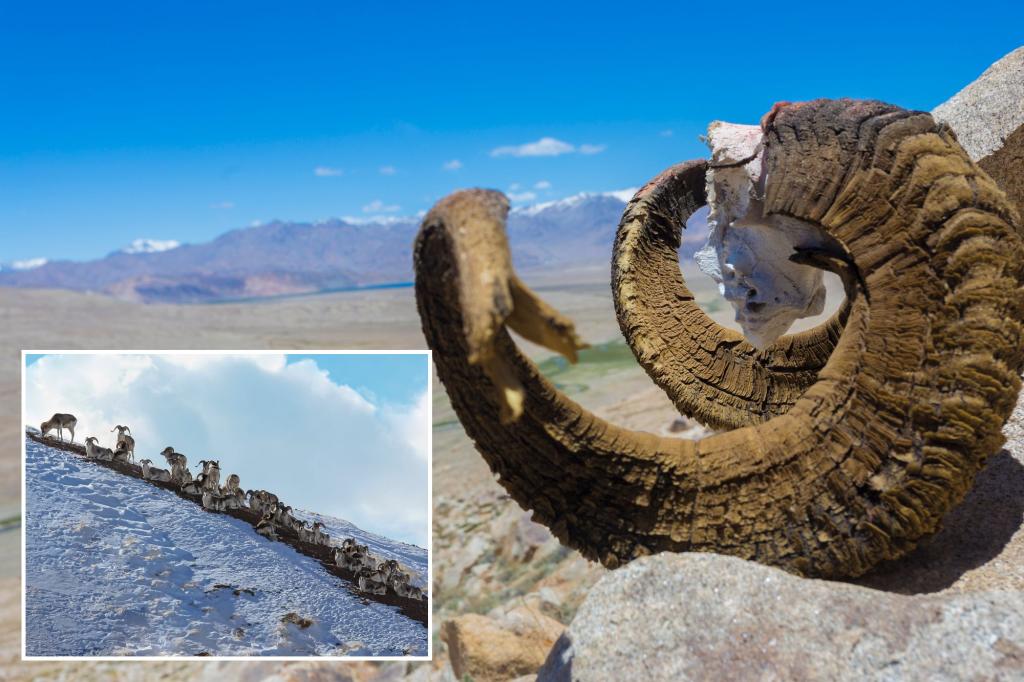
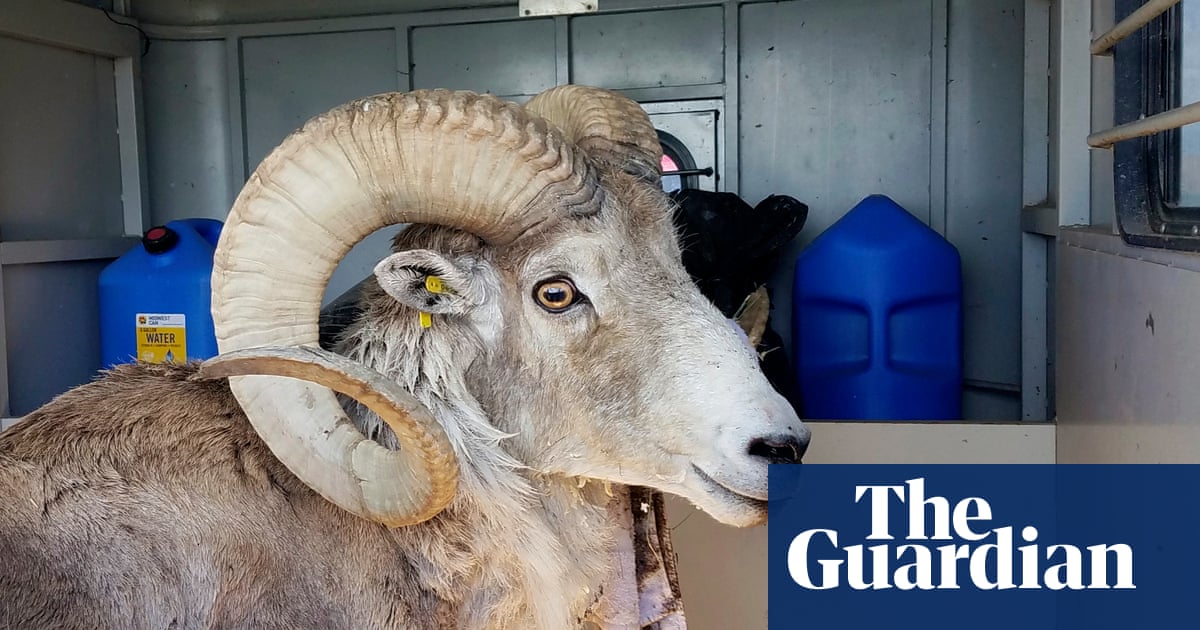
Montana ranch owner Arthur “Jack” Schubarth, 80, pleaded guilty to trafficking sheep parts from Asia to create a larger hybrid species of the threatened Marco Polo argali sheep for financial gain, violating the Lacey Act. He faces up to five years in prison and a $250,000 fine. Schubarth and others aimed to sell the species to captive hunting facilities, using cloned sheep and forging veterinary inspection certificates to move the illegal sheep. The US Fish and Wildlife Service and Montana’s Department of Fish, Wildlife and Parks are investigating the case, and Schubarth is set to be sentenced on July 11.
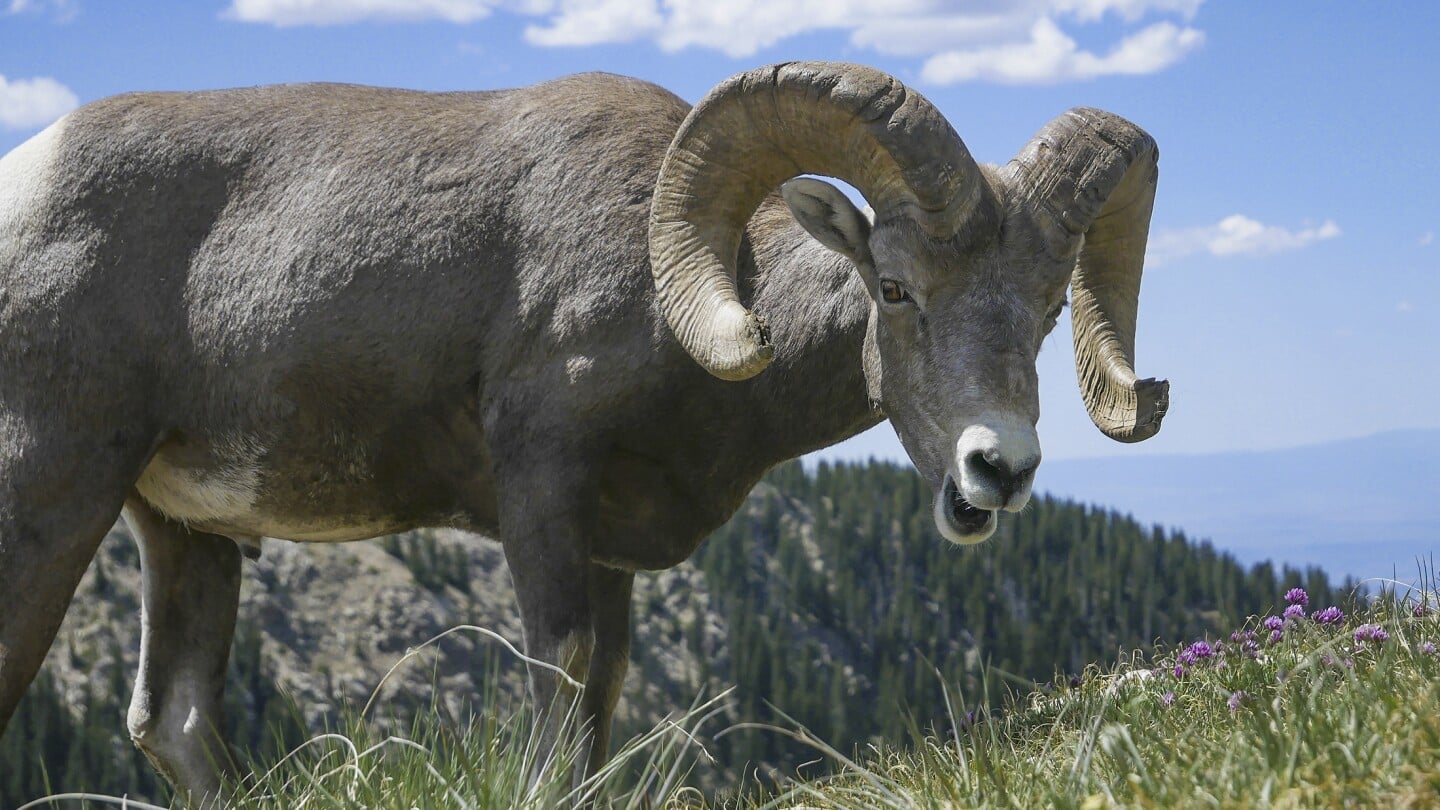
80-year-old Montana man pleads guilty to illegally creating giant hybrid sheep by using genetic material from the largest sheep in the world, the Marco Polo argali sheep, and wild-hunted Rocky Mountain bighorn sheep, in an attempt to sell them to hunting facilities. He faces prison time and hefty fines for violating the Lacey Act, which aims to protect wildlife from illegal trafficking.
An 80-year-old Montana rancher pleaded guilty to illegally creating "giant hybrid sheep" by using genetic material from endangered argali sheep to clone embryos and artificially breed them with other sheep, aiming to sell them to hunting preserves for profit. He also illegally bought genetic material from wild-hunted Rocky Mountain bighorn sheep and sold them across the US, violating international law and the Lacey Act. The rancher faces a maximum penalty of five years in federal prison for each felony count and is scheduled to be sentenced in July.
Montana rancher, Arthur Schubarth, pleaded guilty to illegally using tissue from a Marco Polo argali sheep and a bighorn sheep's testicles to create a hybrid species for sale to hunting preserves in Texas. He was charged with conspiracy to violate the Lacey Act and substantively violating the Lacey Act, which prohibits the trafficking of illegally taken wildlife. The scheme was uncovered after authorities discovered forged veterinary inspection certificates being used to move sheep in and out of Montana.
Montana ranch owner Arthur “Jack” Schubarth pleaded guilty to creating and selling giant hybrid sheep for captive hunting, violating the Lacey Act and international law. He imported parts of Marco Polo argali sheep from Kyrgyzstan to create the larger sheep, and used genetic material to artificially impregnate ewes, aiming to sell the valuable sheep to game ranches. Schubarth faces up to five years in prison for each felony count and a fine of up to $250,000.
Montana rancher Arthur “Jack” Schubarth pleaded guilty to illegally trafficking wildlife by using tissue and testicles from wild sheep to breed “giant” hybrid sheep for sale to private hunting preserves in Texas. He faces up to five years in prison and a $250,000 fine for his actions, which violated the Lacey Act. Schubarth's ranch is state-licensed as an alternative livestock facility, and sentencing is set for July 11th.
Montana rancher Arthur “Jack” Schubarth pleaded guilty to illegally using tissue and testicles from wild sheep to breed “giant” hybrids for sale to private hunting preserves, resulting in felony charges of wildlife trafficking and conspiracy to traffic wildlife. Schubarth's audacious scheme involved creating massive hybrid sheep species using cloned embryos and extracted semen, violating the Lacey Act. As part of a plea deal, he agreed to quarantine and potentially neuter the animals, while his ranch, licensed as an alternative livestock facility, remains operational despite hunting being prohibited.
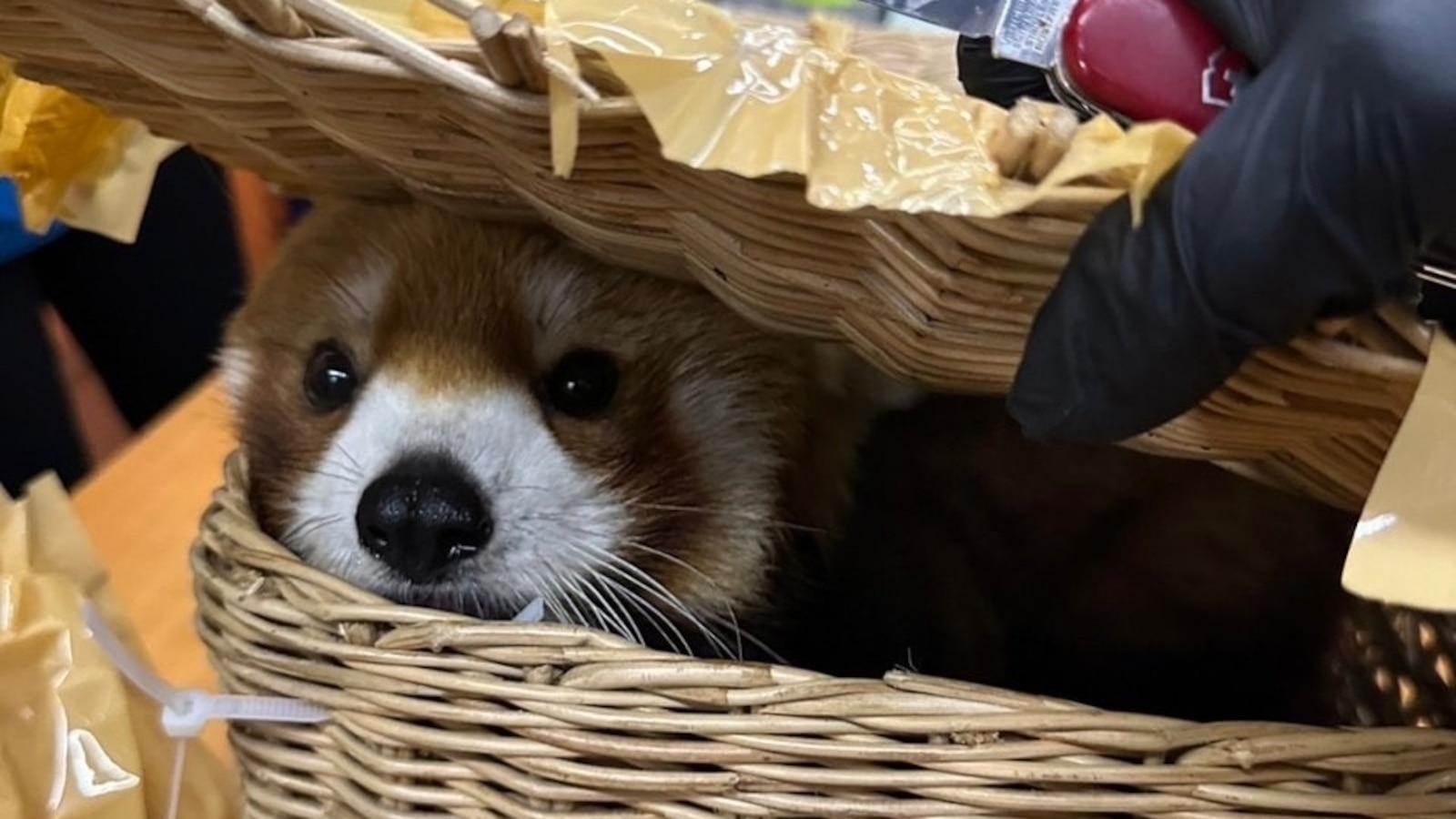
Thai customs agents seized 87 animals, including a red panda, from checked luggage at Bangkok's Suvarnabhumi Airport, leading to the arrest of six Indian nationals on suspicion of wildlife smuggling. The animals, categorized as threatened by CITES, were hidden in baskets, bags, and containers. Thailand, a biodiversity-rich nation, has been a major hub for illicit wildlife trafficking, with customs officials making numerous CITES-protected wildlife seizures over the years. If found guilty, the suspects may face up to 10 years in jail or a heavy fine.