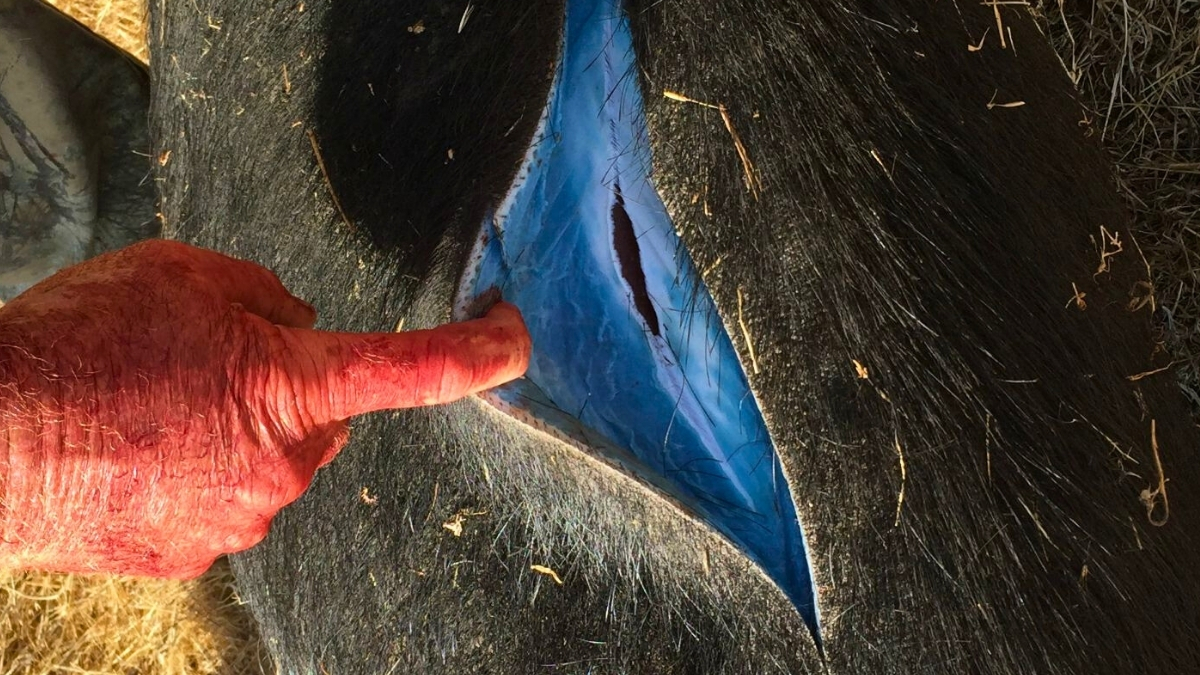
Wild pigs in California have been found with neon blue flesh due to rodenticide poisoning from diphacinone, raising concerns about contamination and wildlife health, with warnings issued for hunters and the public.
Wild pigs in California have been found with neon blue flesh, likely due to ingestion of rodenticide bait containing Diphacinone, which can cause blue discoloration in tissues. Authorities warn that such contaminated meat poses health risks, and this phenomenon has been observed before in 2015.
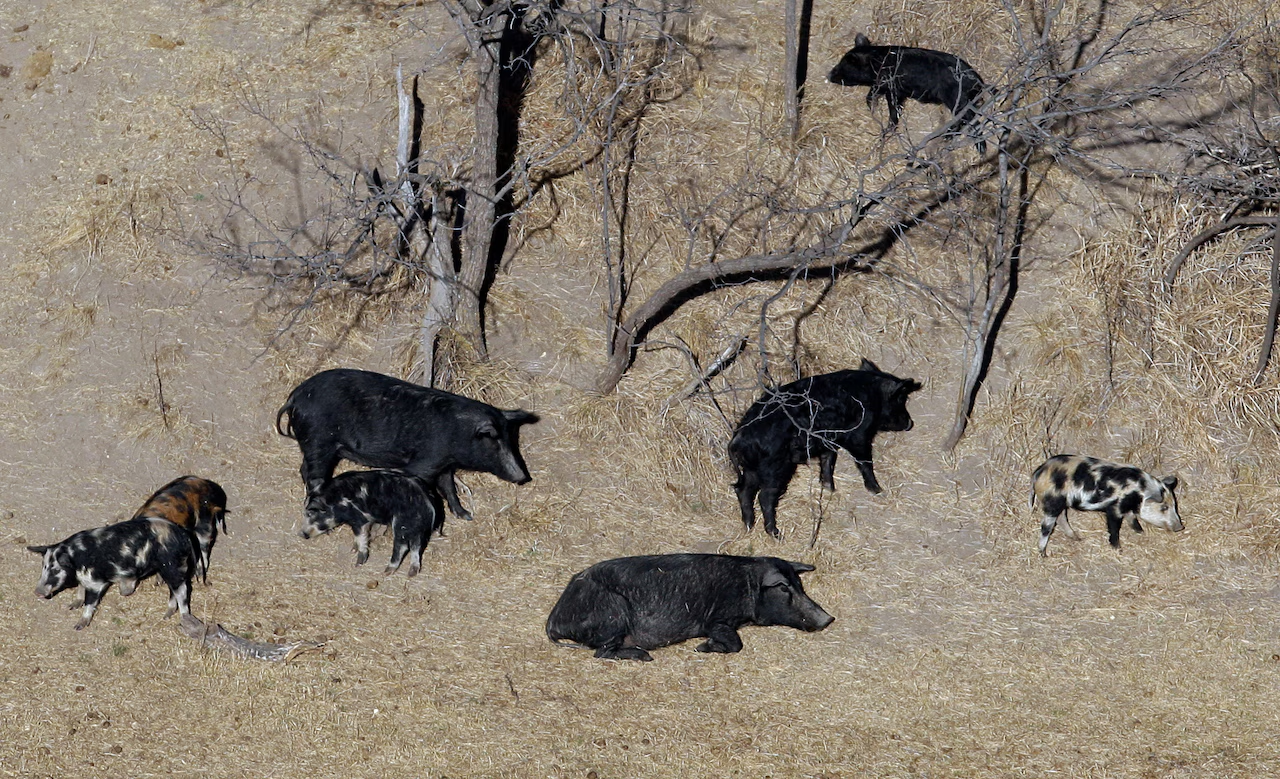
An exploding population of "super pigs" in Canada, resulting from crossbreeding between wild Eurasian boar and domestic swine, is posing a threat to northern US states like Minnesota, North Dakota, and Montana. These feral swine, known as the most invasive animal on the planet, are highly adaptable, destructive, and reproduce rapidly. They cause significant damage to crops, wildlife, and can spread diseases to hog farms. Efforts to eradicate them have been challenging, with hunting making the problem worse. The US Department of Agriculture and various states are implementing measures such as surveillance, ground traps, and prevention programs to control the spread of wild pigs, but eradication remains a distant goal.
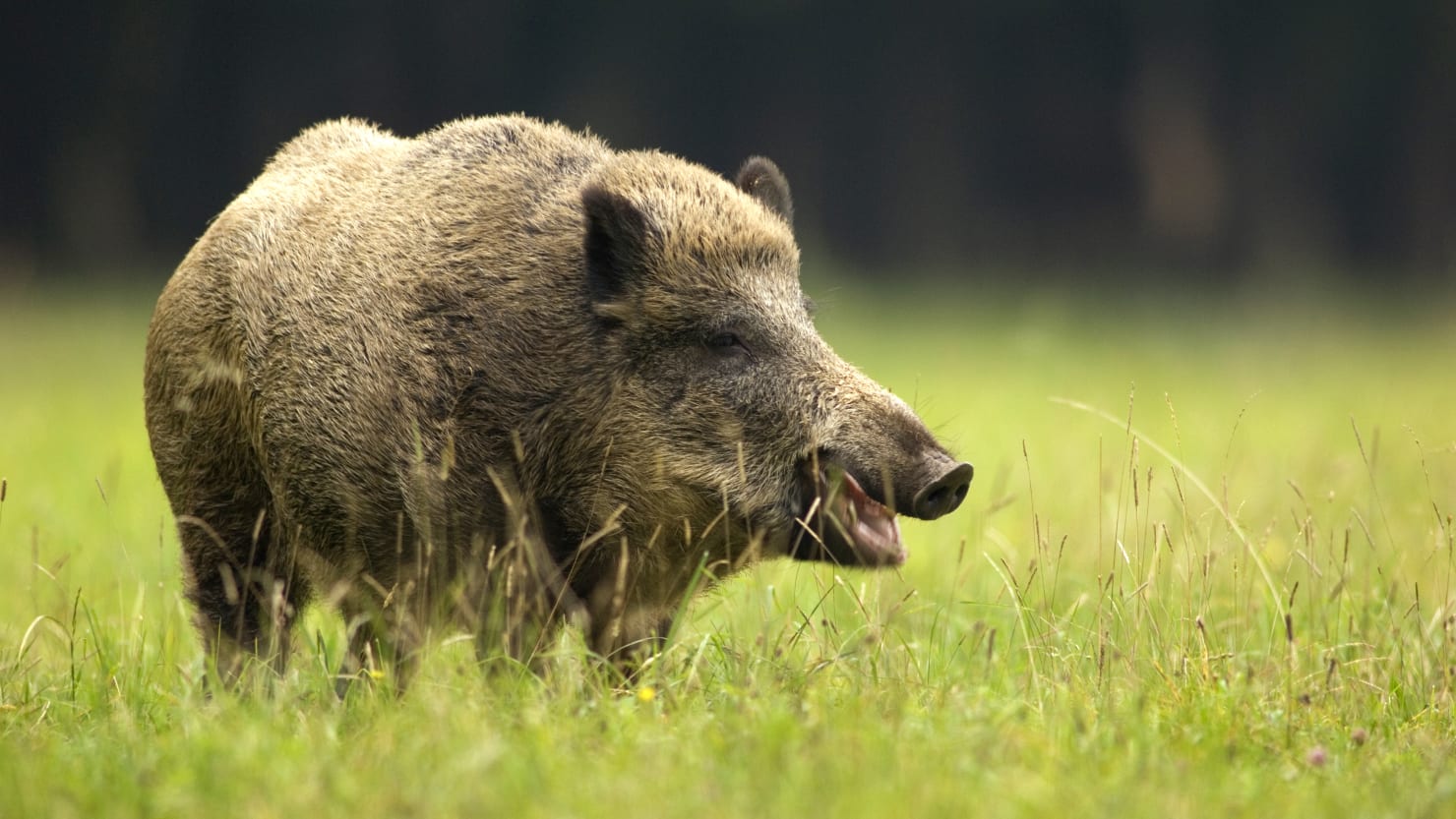
Wild boars in southern Germany have been found to be highly radioactive, making them unsafe to eat. A recent study has revealed that the boars' radiation levels are a result of nuclear weapons testing conducted globally, which released fallout into the atmosphere. The radioactive isotopes settled into the boars' food source, causing the radiation to persist in the animals. The findings highlight the long-lasting impact of nuclear testing on ecosystems and emphasize the need for environmental protection to prevent further contamination.