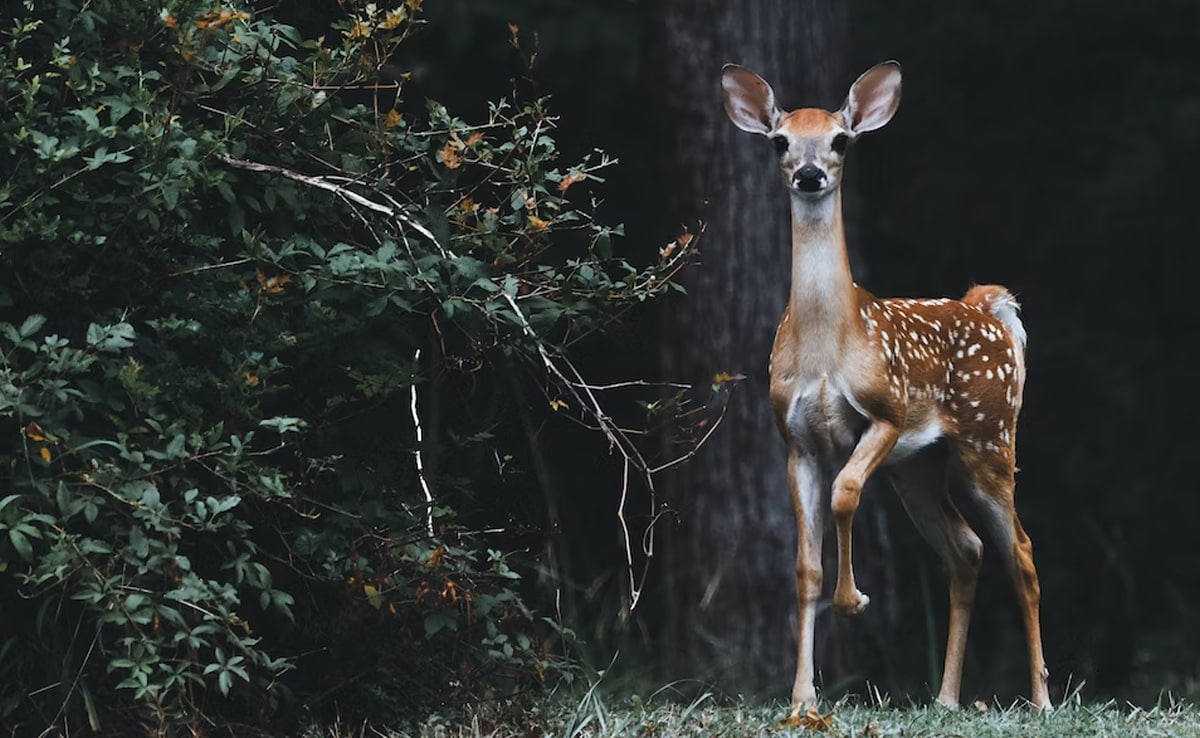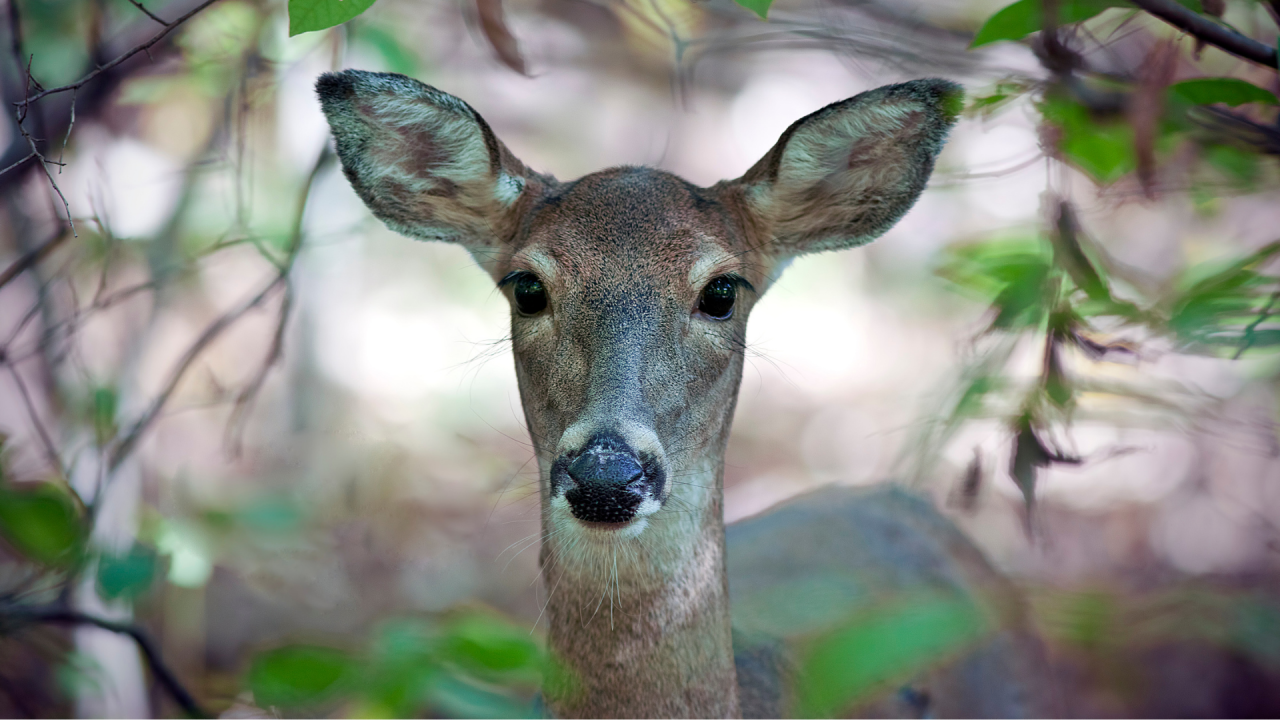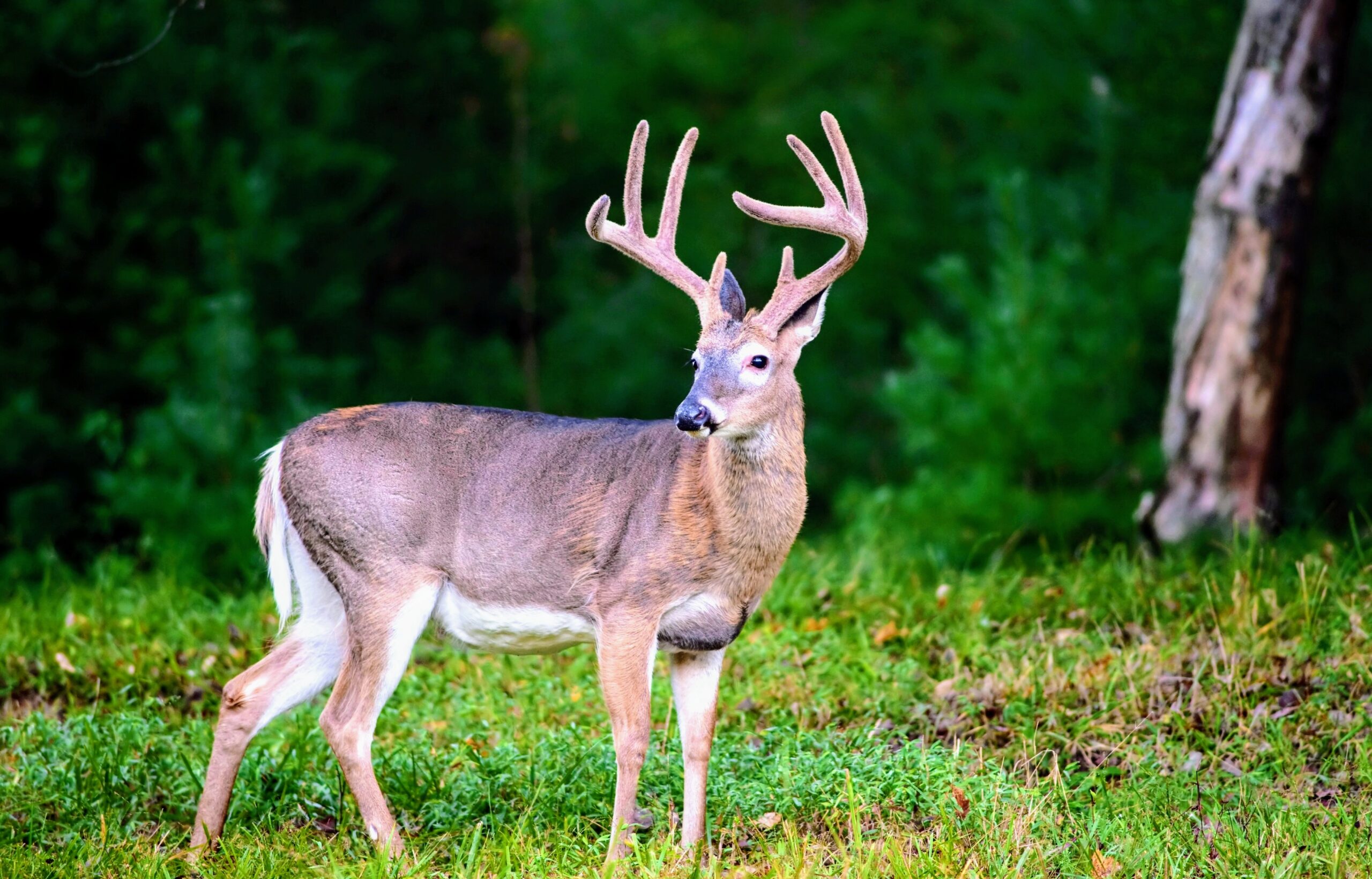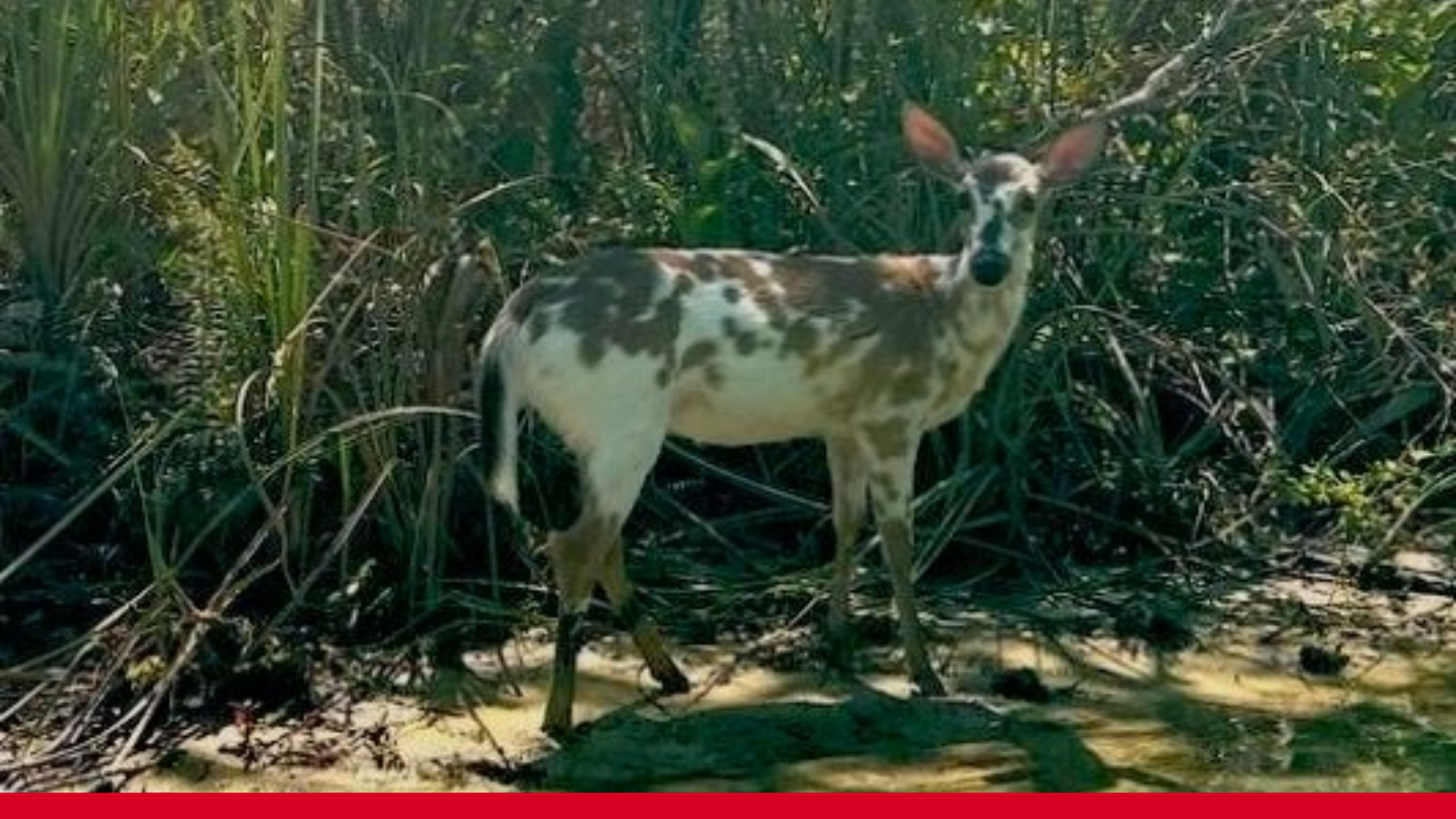
A rare piebald white-tailed deer was spotted in Florida, with the abnormal coloration caused by a recessive genetic trait occurring in less than 2% of deer. The deer's spotted appearance is due to a splotched coat of white fur where brown fur would typically be found, and while the abnormal coat coloration can vary, it can lead to potential physical deformities.
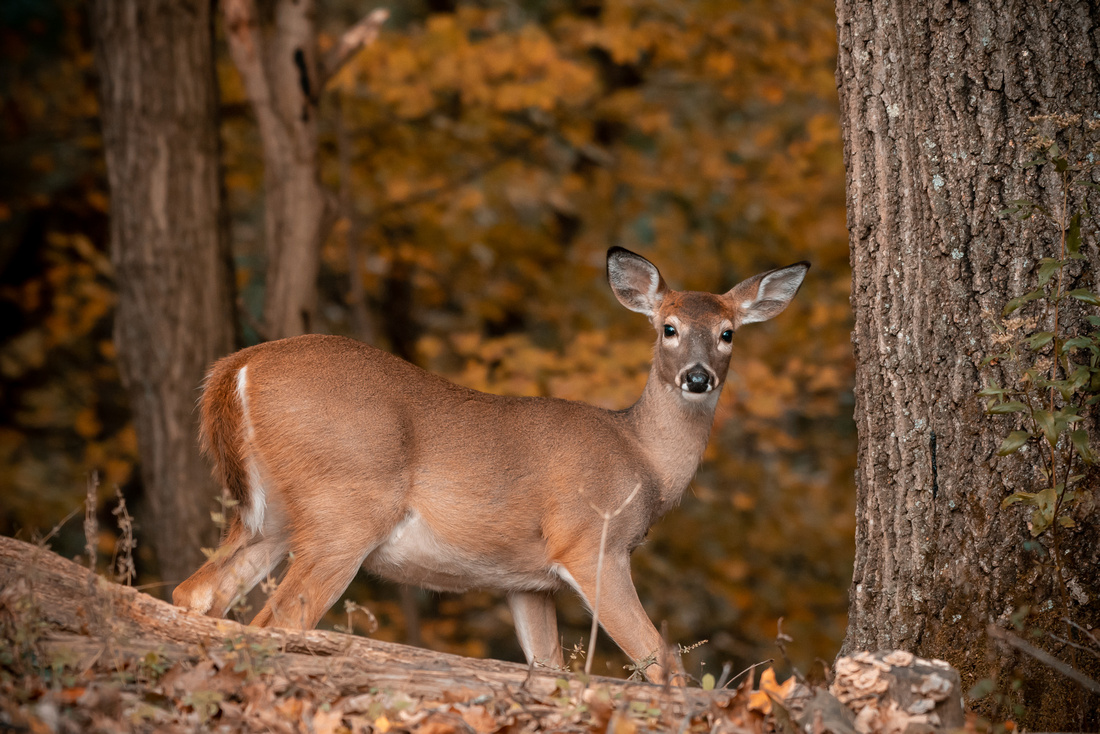
A white-tailed deer in West Virginia's Eastern Panhandle has tested positive for rabies, indicating that more animals in the area may be infected. The Hampshire County Health Department advises hunters to take precautions, including wearing gloves when handling and butchering mammals, washing hands thoroughly, and not consuming animals that appear abnormal. Symptoms of rabies in deer include balance problems, aggression, lack of fear, incoordination, and excessive salivation.
A study conducted by Ohio State University has found that the COVID-19 virus is mutating in white-tailed deer, with over 10% of nasal swabs collected from deer in Ohio testing positive for the virus. Genetic analysis revealed that at least 30 of these infections in deer were transmitted from humans. Deer can carry the virus for up to nine months, potentially allowing for further replication and mutation. This highlights the need for continued vigilance and response efforts to control the spread of COVID-19 between humans and animals.
A new study has found that the SARS-CoV-2 virus, responsible for the COVID-19 pandemic, is infecting white-tailed deer in the United States and evolving rapidly within them. The study conducted in Ohio detected active infections in 10 percent of deer sampled, with at least one positive case found in 59 percent of counties tested. Genetic analysis suggests that at least 30 of the infections were introduced by humans. The researchers warn that white-tailed deer could serve as a reservoir for the virus, potentially spreading it to other wildlife, livestock, and humans. However, the study also suggests that COVID-19 vaccination offers protection against variants from deer. Further research is needed to understand the implications of virus evolution in deer and its potential impact on other animal hosts.
A study published in Nature Communications reveals that the COVID-19 virus is evolving at a faster rate in white-tailed deer compared to humans, with potential consequences for both people and livestock. Researchers collected over 1,500 nasal swabs from deer in Ohio and found that more than 10% of the samples were positive for COVID-19, primarily the delta variant. The study suggests that COVID-19 can easily move between humans and animals, with evidence of transmission from deer to humans. The continued spread of the virus in deer and other hosts could lead to further evolution. Vaccination is believed to offer protection against severe disease if the virus spills back from animals to humans.
A study published in Nature Communications reveals that white-tailed deer in Ohio have been infected with the virus that causes COVID-19, with at least 30 of those infections traced back to human transmission. The research suggests that spillover of the virus between humans and animals may be more common than previously thought. The study also found that the virus can mutate quickly in deer, and strains such as the alpha and delta variants are surviving in deer populations despite no longer being prevalent in humans. Additionally, doctors are monitoring a new highly mutated variant, BA.2.86, which is an offshoot of the omicron variant but is unlikely to cause a devastating wave due to widespread immunity from vaccines and prior infections.
A study led by the U.S. Department of Agriculture's Animal and Plant Health Inspection Service has found evidence that white-tailed deer may be responsible for a coronavirus mutation that has been detected in humans. The study suggests that deer can act as a "reservoir species" where the virus can survive, mutate, and potentially transmit to other species. While virus spread caused by wild animals is rare, it plays a role in virus adaptation. The research highlights the importance of understanding how diseases can spread and evolve in wildlife populations to better prepare for future infectious disease outbreaks.
The Department of Agriculture found that COVID-19 likely spread among the white-tailed deer population during the pandemic, with 12% of the sampled deer testing positive for the virus and 31% showing antibodies. The virus is believed to have been transmitted from humans to deer before mutating, and there is a possibility that the mutated virus could have been transmitted back to humans. Health officials are monitoring for new variants but state that there is no evidence that the deer's mutated strain played a significant role in causing mass outbreaks. The research aims to better understand the spread and evolution of diseases that can affect both humans and animals.
The U.S. Department of Agriculture's Animal and Plant Health Inspection Service (APHIS) has released research indicating that SARS-CoV-2, the virus causing COVID-19, has spread widely within the U.S. white-tailed deer population, possibly transmitted from humans to deer, where it mutated and potentially transmitted back to humans. The study involved the surveillance of over 11,000 white-tailed deer, and the findings suggest that white-tailed deer may act as a "reservoir species" for the virus. While there is no evidence that animals play a significant role in spreading the virus to humans, further research is needed to understand the risks to wildlife conservation and public health.
The blood of white-tailed deer has been found to efficiently kill the bacteria causing Lyme disease, according to a study by the New England Center of Excellence in Vector-Borne Diseases. The Lyme disease bacterium is passed to juvenile blacklegged deer ticks from the mice these arthropods feed on, with the infected ticks then passing on the bacterium to humans. The scientists aim to determine the precise mechanisms in the deer blood which kill the Lyme-causing bacteria, and test whether such defense mechanisms could be induced in humans too.