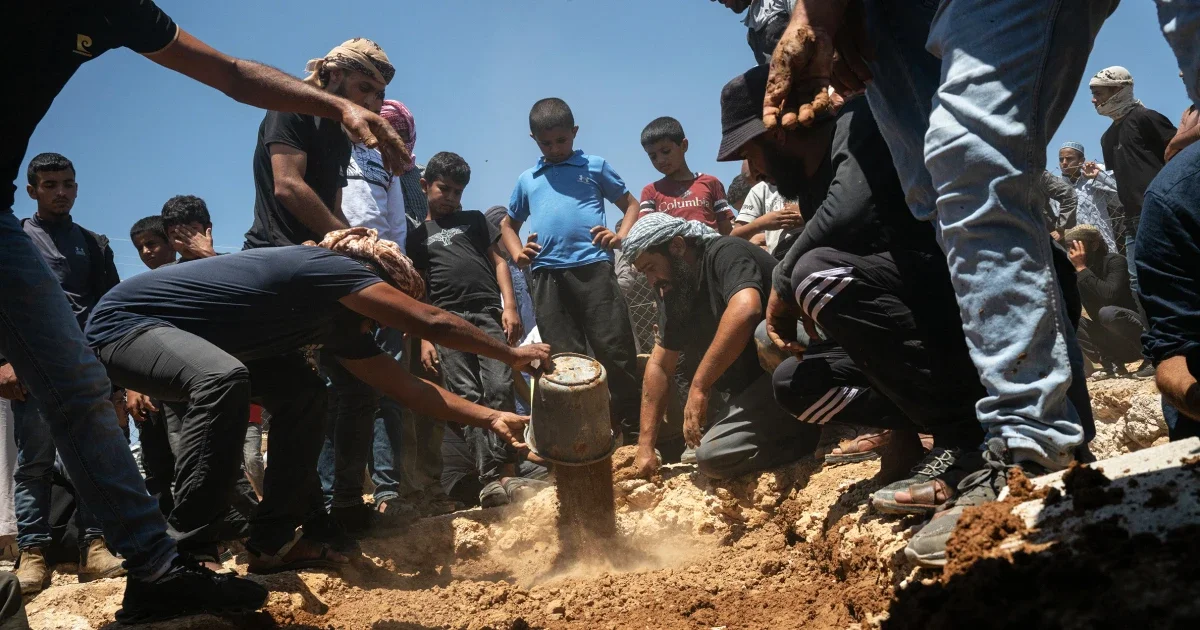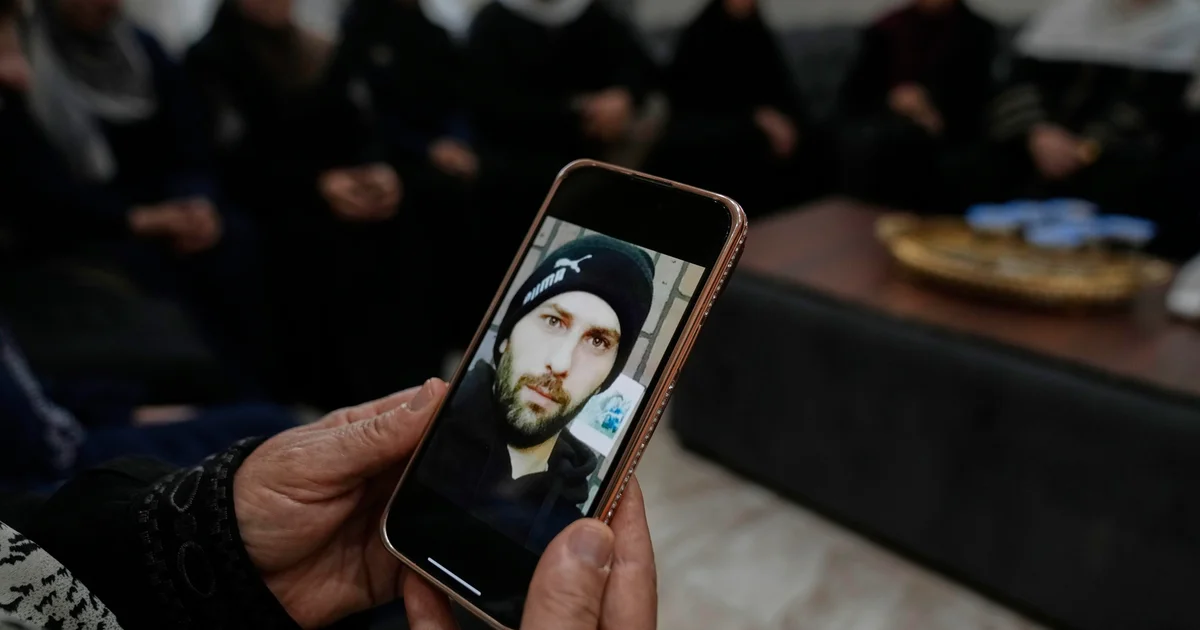
A 16-year-old Palestinian was shot and killed by an Israeli settler in the West Bank after a funeral, amid escalating violence and increased settler attacks since October 2023. The incident follows the killing of another Palestinian teen by Israeli forces, with tensions high due to ongoing military operations and settlement disputes. The US calls for stability and opposes annexation, while Israel disputes the legality of settlements and continues military actions in the region.
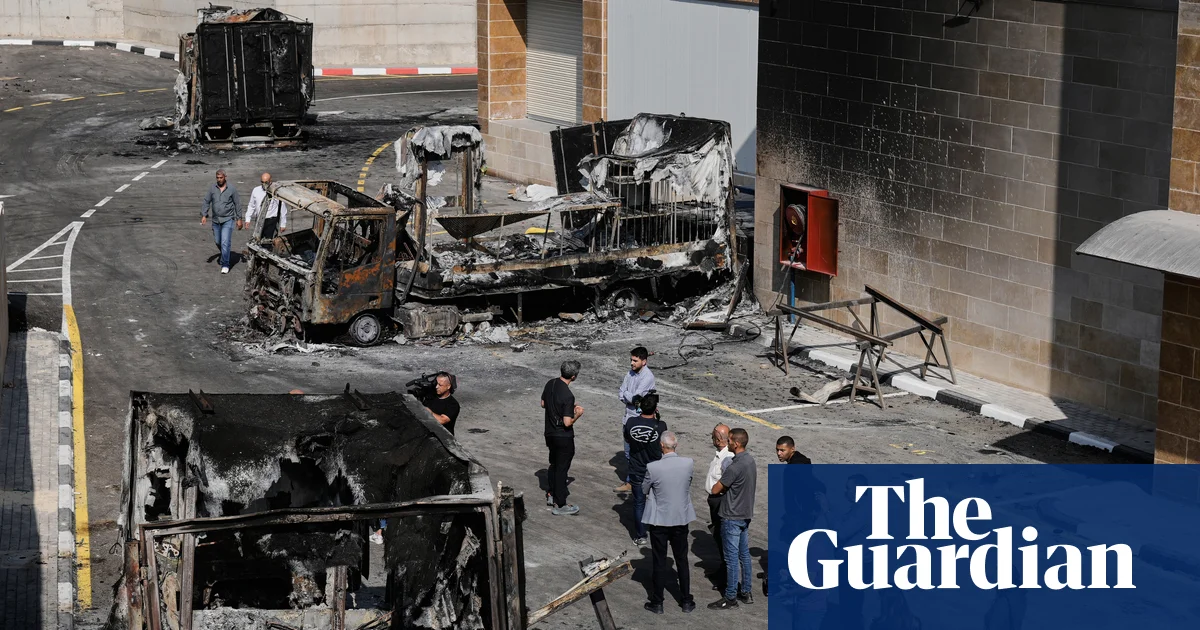
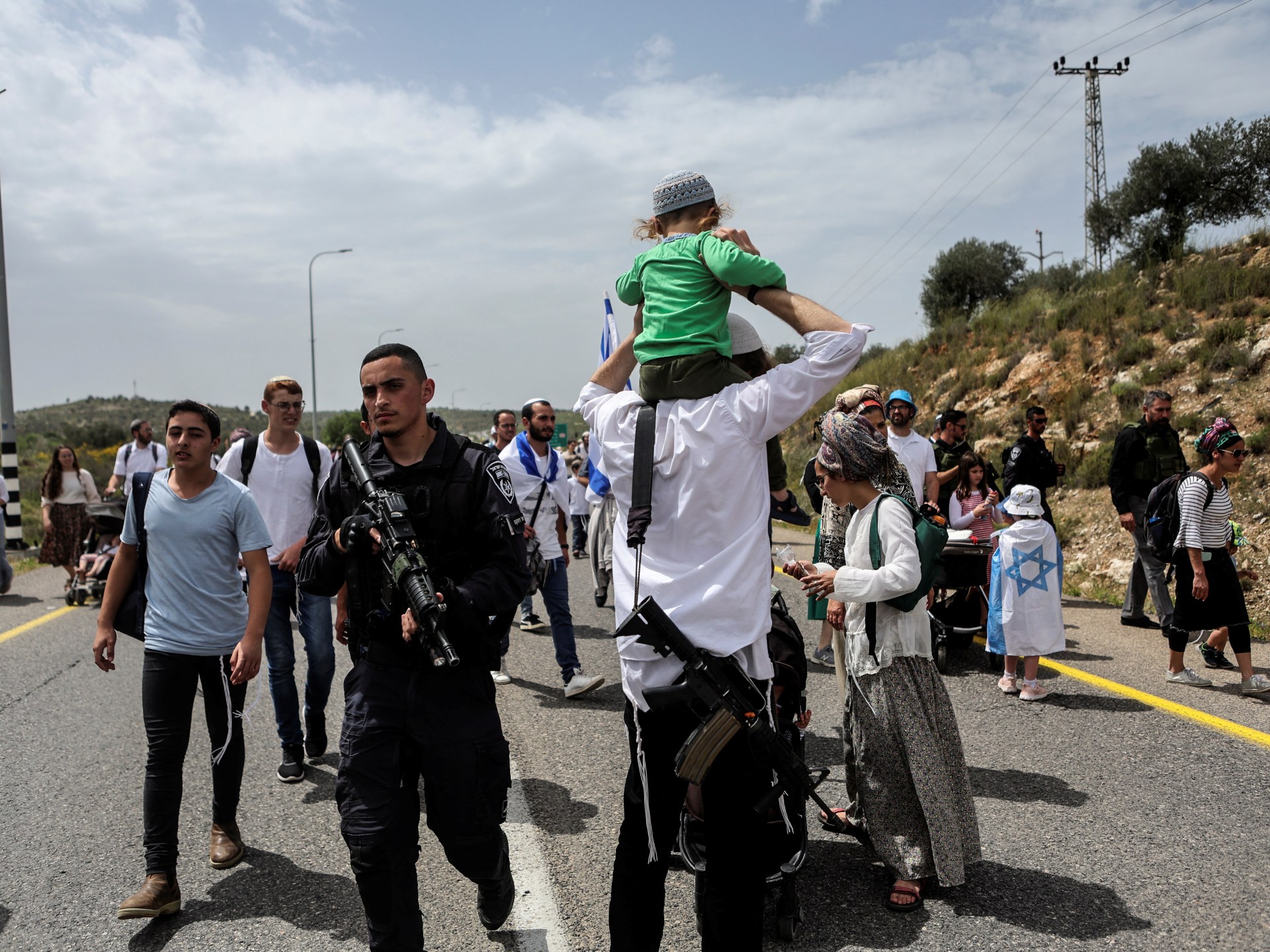
Dozens of masked Israeli settlers attacked Palestinian villages in the West Bank, injuring four Palestinians and damaging property, including a major dairy factory. The violence has surged since the Gaza war, with international bodies and Israeli officials condemning the incidents, though settler violence often goes unpunished. The Israeli president condemned the recent attacks, calling for decisive action, amid broader concerns of impunity and rising violence in the region.
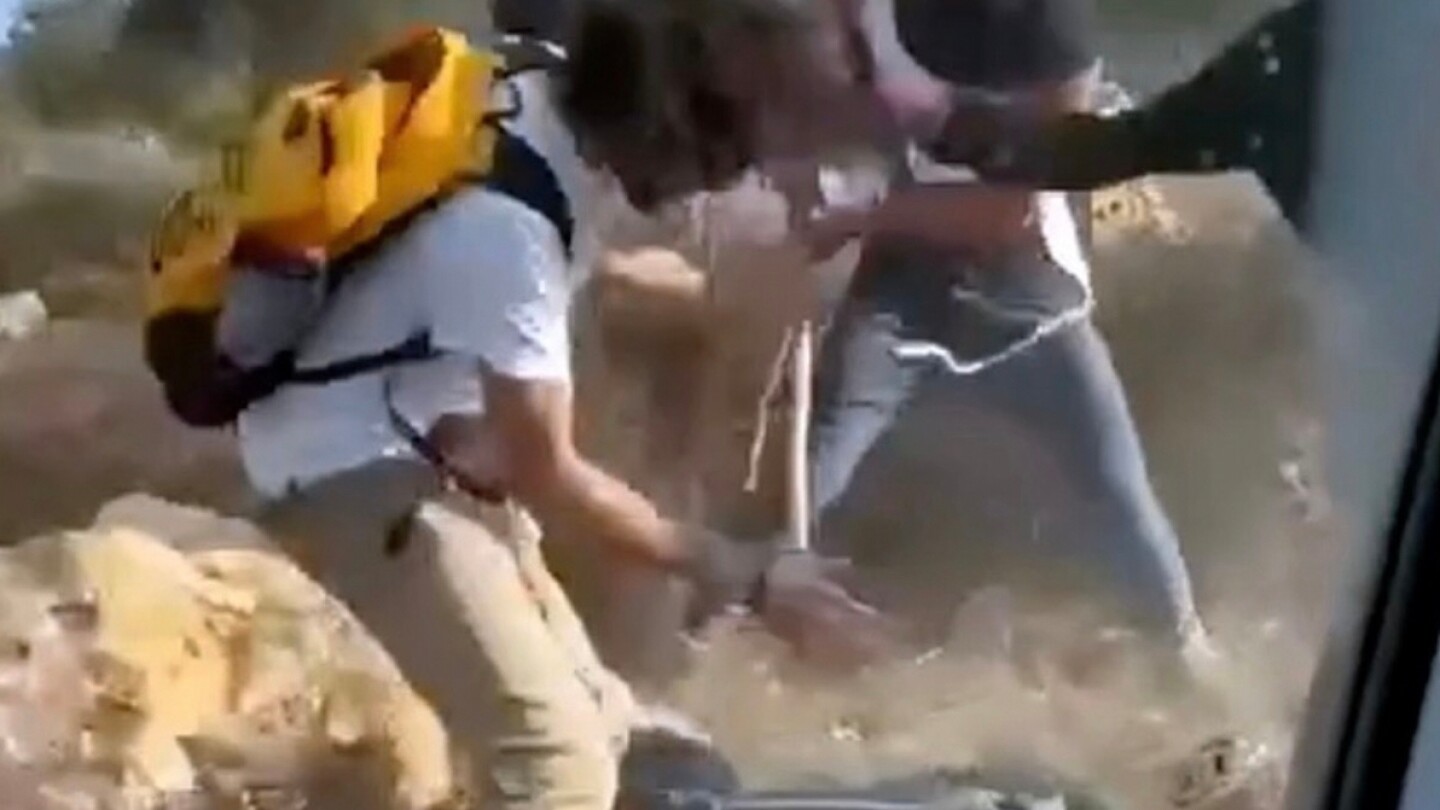
Israeli settlers attacked Palestinian farmers and activists in the West Bank, beating them with clubs during the olive harvest season, with videos capturing the violence. The UN reports a surge in settler violence, with over 150 attacks in the first week of harvest, amid ongoing tensions and clashes in the region.
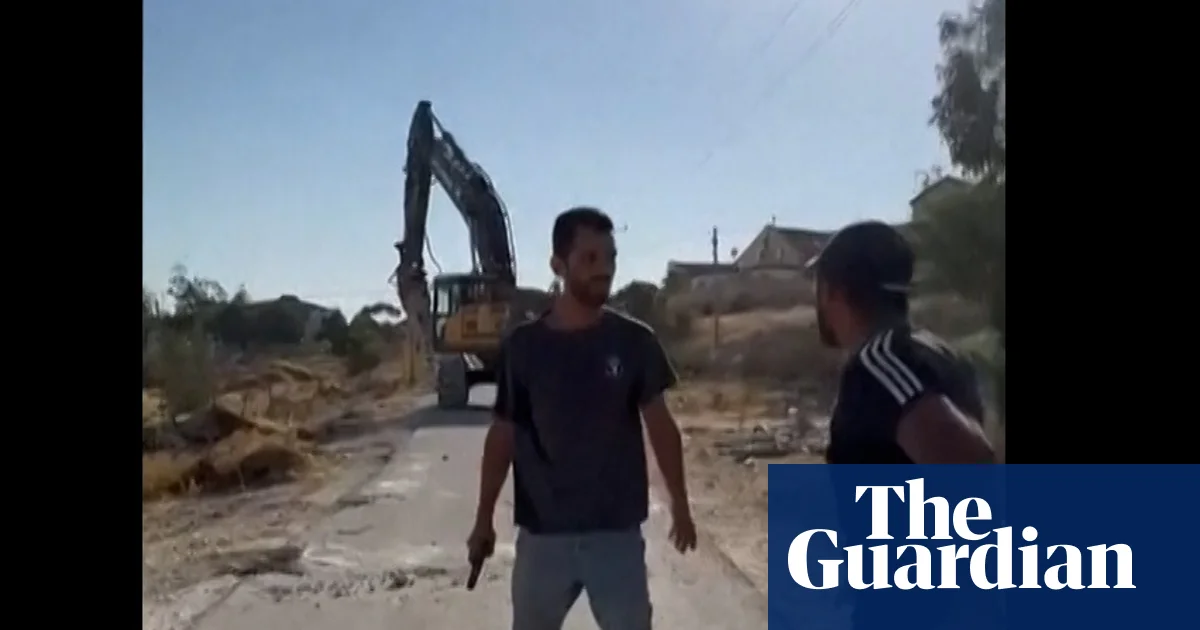
A video released by B’Tselem shows Israeli settler Yinon Levi shooting and killing Palestinian activist Awdah Hathaleen during a confrontation in the West Bank, highlighting ongoing settler violence and impunity in the region.
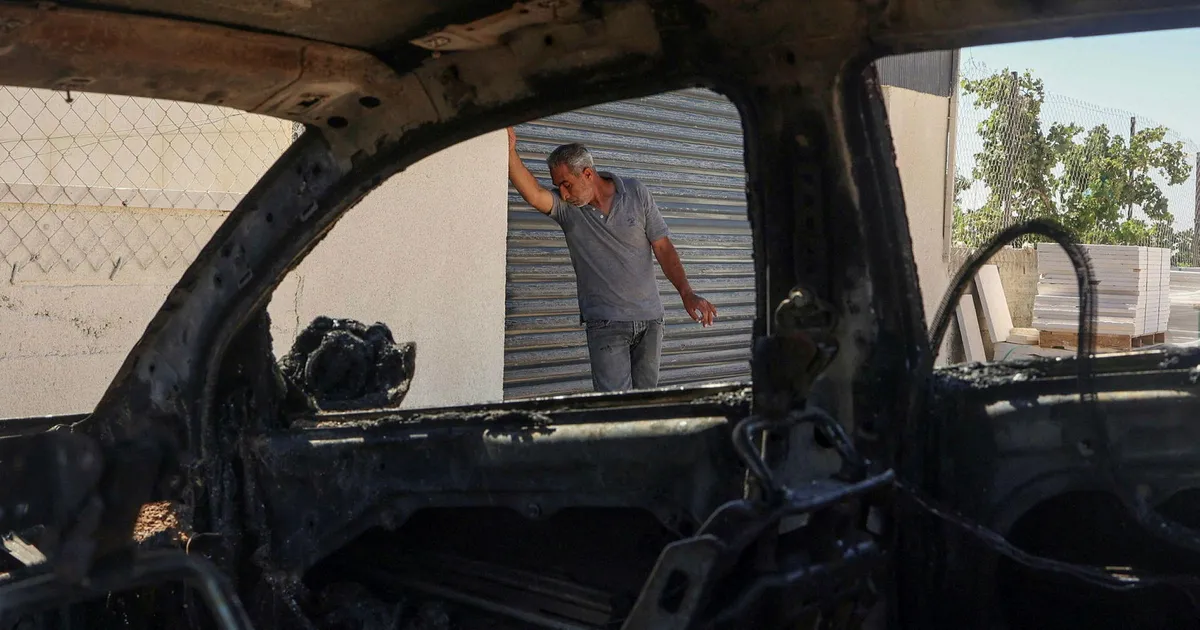
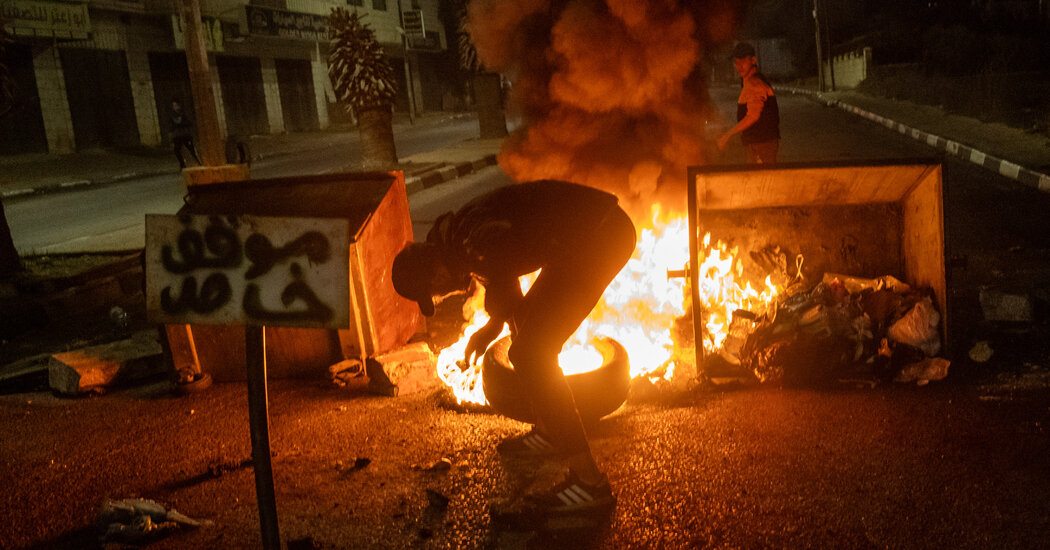
A Palestinian-American man, Khamis Ayyad, died from smoke inhalation after settlers set fires to homes and vehicles in Silwad, West Bank, amid increased violence and attacks by settlers and Israeli forces in the region, following escalations related to the Israel-Hamas conflict.
The article discusses the complex situation in the West Bank, highlighting Israeli settlement expansion, Palestinian resistance, and the potential impact of Britain's plan to recognize Palestine at the UN, with many Palestinians feeling it's too late for such gestures amid ongoing violence and settlement growth.
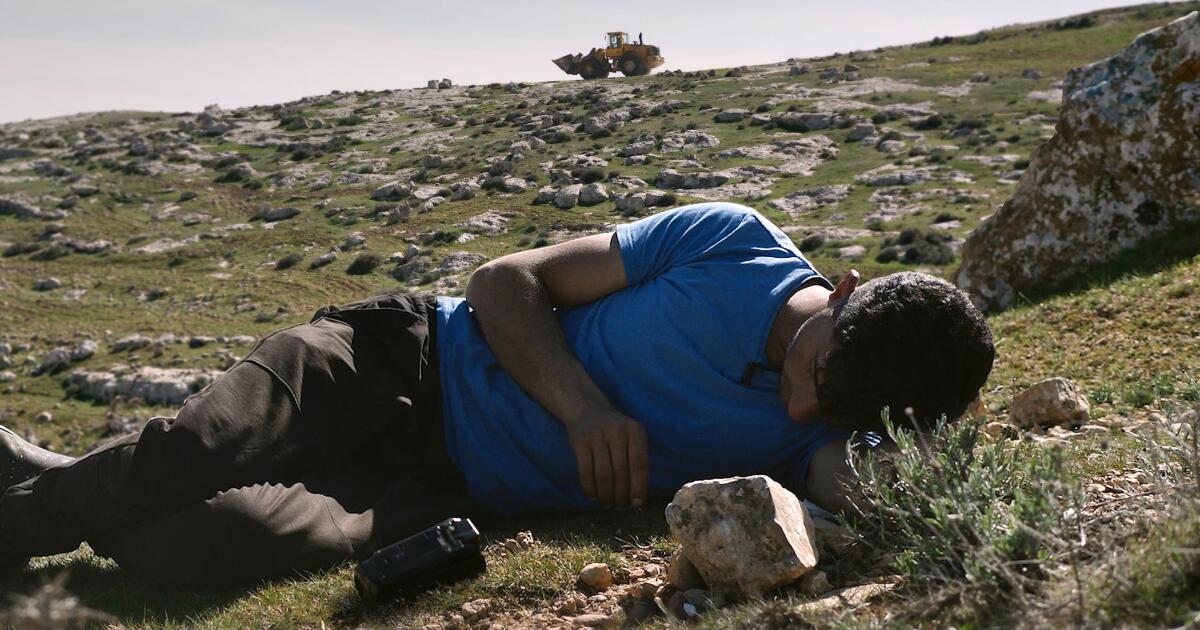
Awdah Hathaleen, a Palestinian community leader and collaborator on the documentary 'No Other Land,' was shot and killed by Israeli settler Yinon Levi in the West Bank, amid ongoing tensions and violence in the region. The incident has drawn international attention and condemnation, highlighting the ongoing conflict and its impact on Palestinian communities.
Awdah Hathaleen, a Palestinian activist involved in the Oscar-winning documentary No Other Land, was killed during an attack by Israeli settlers in the West Bank, highlighting ongoing violence and settler aggression in the region. The incident, captured on video, involved a settler firing into a crowd after a confrontation over land and water issues in Umm al-Khair. Hathaleen's death underscores the persistent lack of accountability for settler violence amid escalating tensions in the occupied territories.
The article highlights the ongoing violence and impunity faced by Palestinians in the West Bank, where Israeli settlers often commit acts of violence against Palestinians and soldiers without repercussions, exposing a system of ethnonationalist segregation and policy of territorial expansion that has persisted for decades.
The UK has imposed sanctions on four Israeli settlers accused of violence against Palestinians in the occupied West Bank, citing human rights abuses and illegal behavior. The Foreign Office called on Israel to take stronger action to end settler violence, as tensions have escalated since the Gaza war. The move follows US sanctions on Israeli settlers and reflects growing international impatience with the situation. Israel has expressed dissatisfaction with the sanctions, asserting that it takes action against law-breakers, but the UK continues to call for accountability and a halt to settlement expansion.
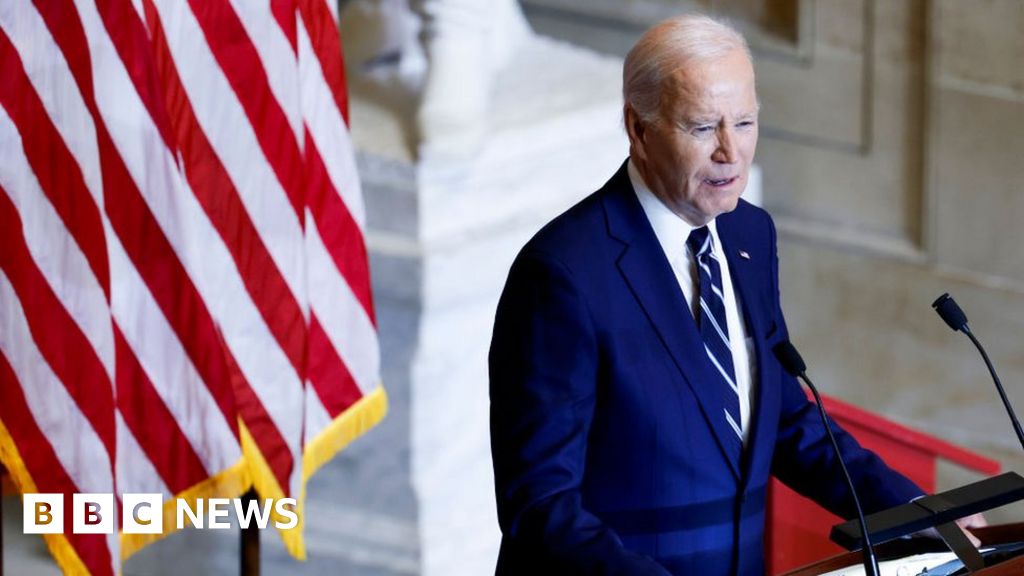
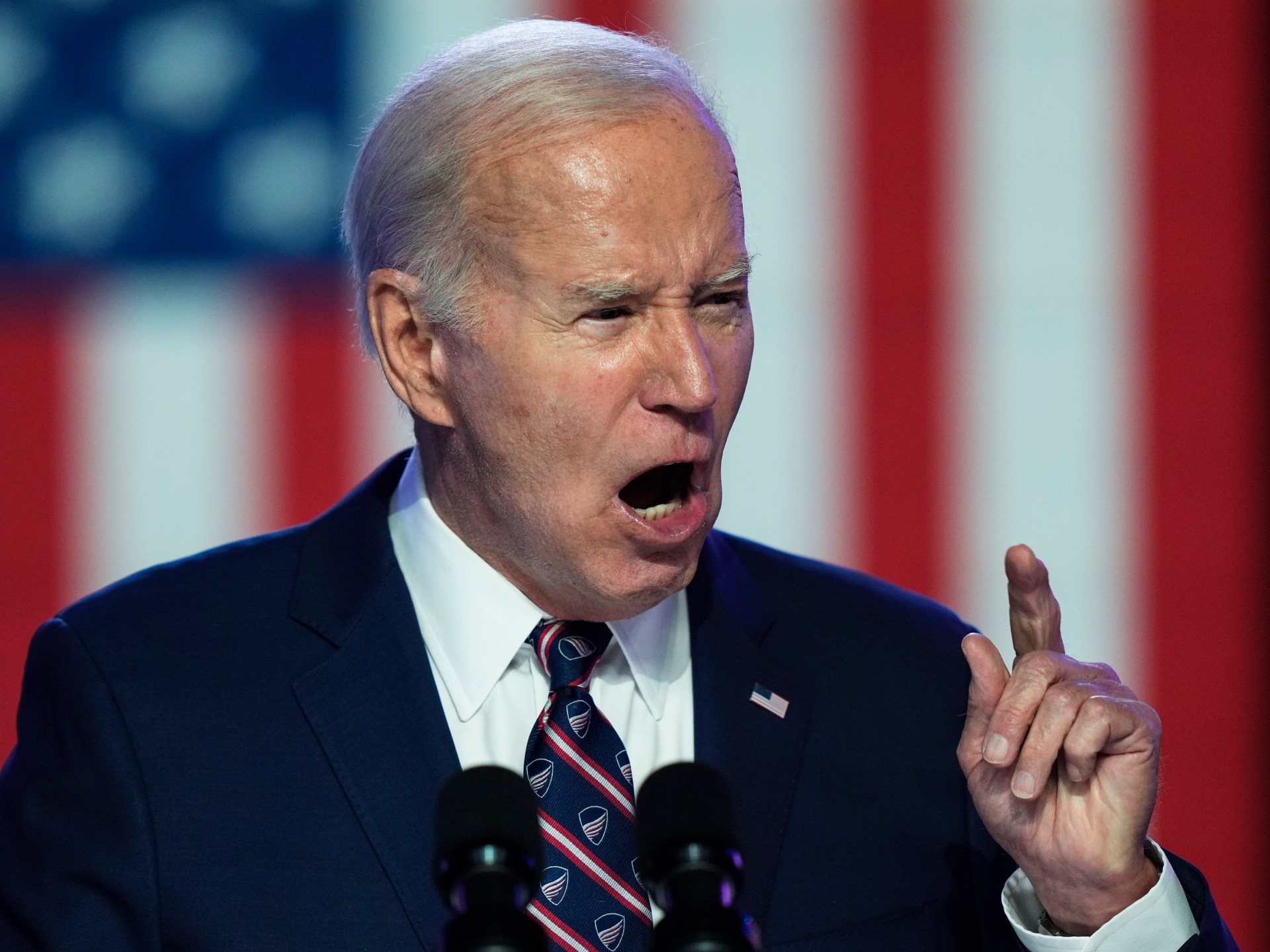
US President Joe Biden has approved sanctions on four Israeli settlers accused of attacking Palestinians in the occupied West Bank, citing "intolerable levels" of violence. The sanctions block the individuals from accessing US property and assets. The move comes amid escalating violence in the West Bank since Hamas' attack on Israel in October. The US administration's rare step targeting Israelis reflects a deepening public rift between the US and Israel, as the two leaders have disagreed on the idea of creating an independent Palestinian state.
The US has imposed sanctions on four Israeli settlers for attacking Palestinian communities in the West Bank, freezing their assets and restricting financial dealings with them. The move comes amid pressure on President Biden over his support for Israel's actions in Gaza. The White House also announced a decree to penalize perpetrators of "extremist settler violence" in the West Bank, drawing a response from Israeli Prime Minister Netanyahu. Critics argue that the sanctions are insufficient and call for stricter measures to ensure accountability.
The United States has implemented visa restrictions on Israeli settlers known to engage in violence against Palestinians in the occupied West Bank, in an effort to curb settler violence. The ban applies to Israeli citizens who meet the criteria and have US visas, as well as Palestinians found to have committed violent acts. However, concerns have been raised about a loophole that exempts American-Israeli dual nationals from the ban. The move has received mixed responses, with some considering it a positive step towards peace and security, while others view it as symbolic and insufficient. Several European countries are also considering imposing sanctions on Israeli settlers.
The Biden administration is set to impose visa bans on Israeli settlers and Palestinians involved in acts of violence in the West Bank, targeting individuals who undermine peace, security, or restrict civilians' access to essential services. The move aims to address the recent surge in attacks by Israeli settlers against Palestinians and to revive efforts for a two-state solution to the Israeli-Palestinian conflict. The restrictions may also apply to immediate family members, and the names of those affected will not be made public.