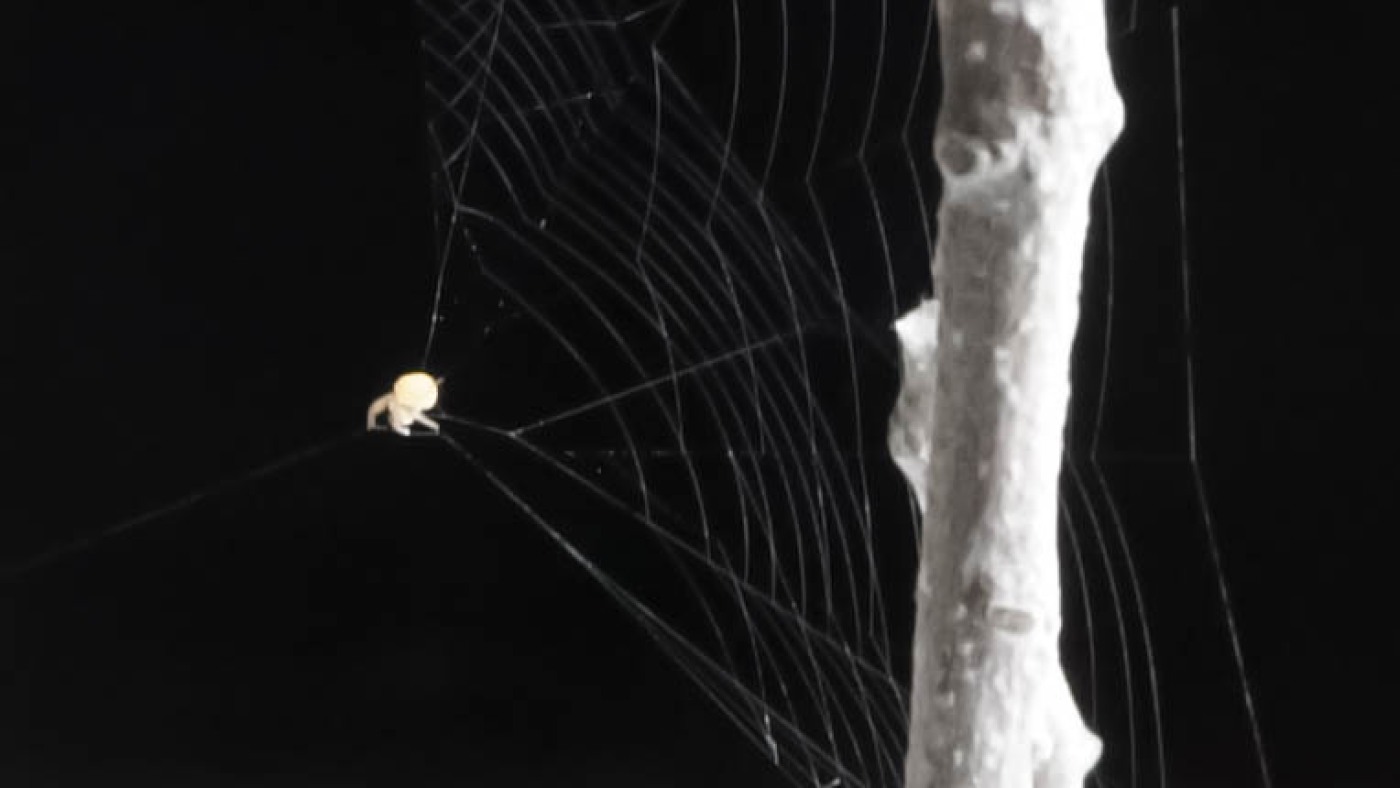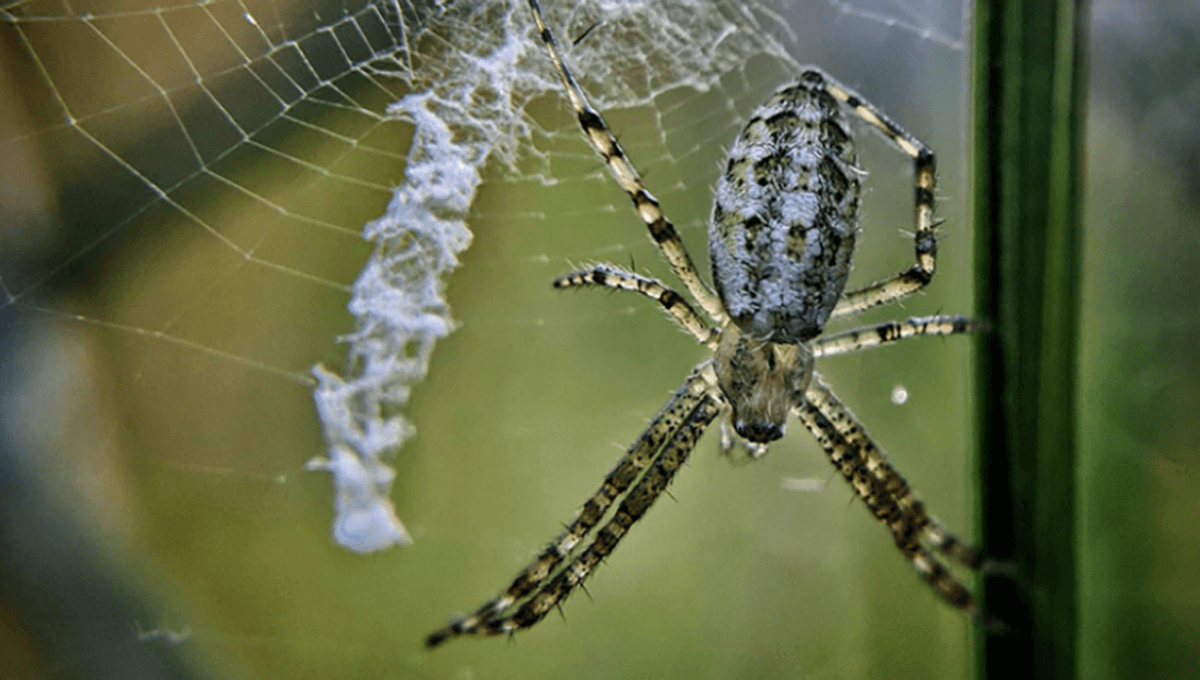
A recent study suggests that the zigzag decorations in spider webs, called stabilimenta, may serve as an alarm system by altering vibration transmission, helping spiders detect prey more effectively. The research highlights how the shape and position of these silk structures influence vibration propagation, offering insights into bio-inspired material design.
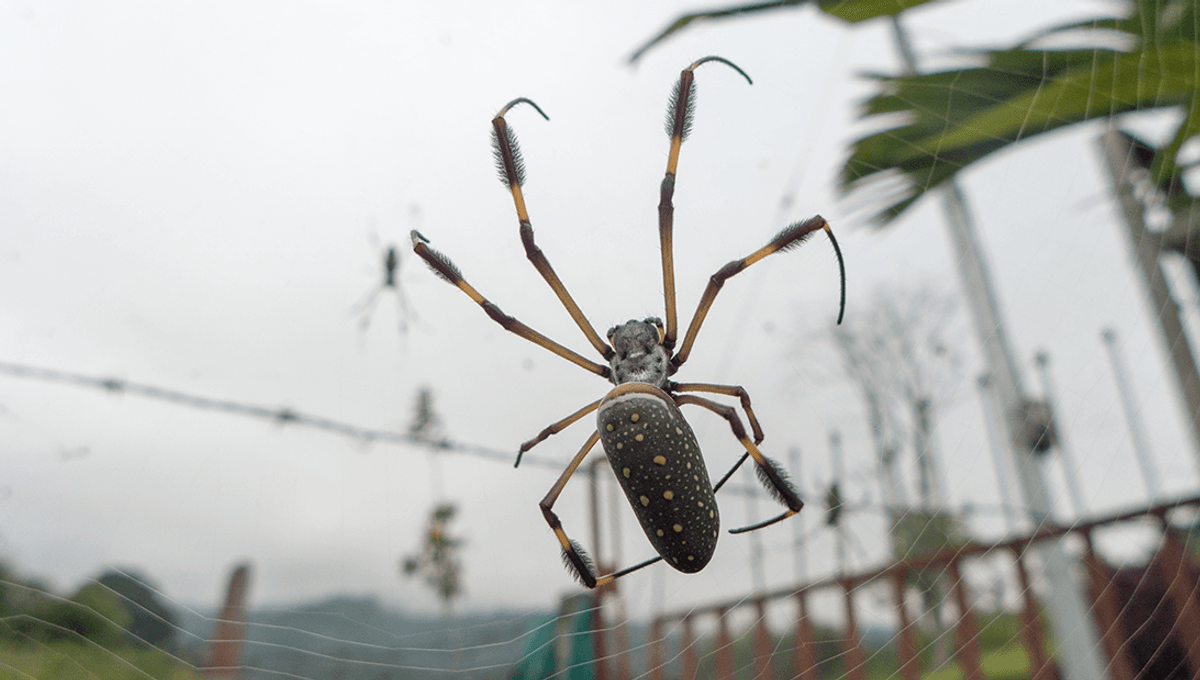
NASA conducted unusual experiments by giving spiders illegal drugs like LSD, mescaline, and caffeine to observe effects on their web-building, finding that high doses disrupt web formation while lower doses can produce complex but less effective webs, with caffeine causing particularly chaotic webs. These studies aimed to assess chemical toxicity without testing on higher animals.
Entomologist Sarah Han's research reveals that ray spiders use their webs as slingshots to catch prey by detecting vibrations from airborne insects. The spiders, smaller than a grain of rice, create a conical web that they launch at prey when they sense the right vibrations, showcasing a unique method of prey capture. This discovery highlights the potential for using spider web mechanics as inspiration for designing advanced sensory systems in technology.