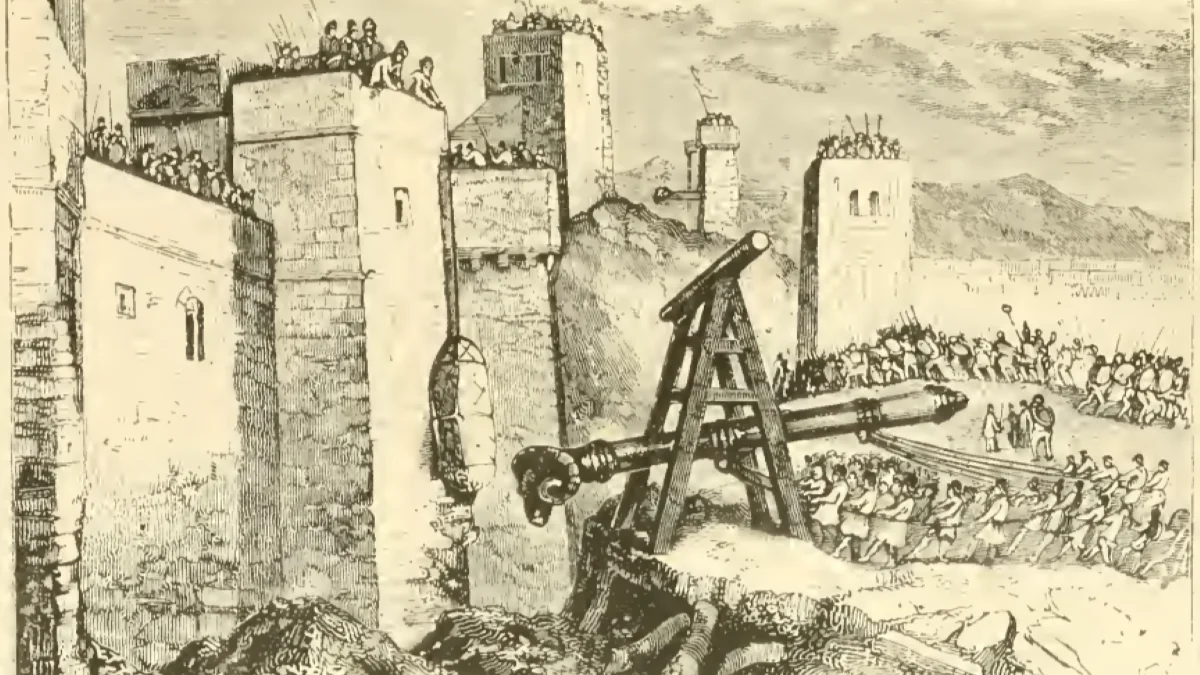
The article explores Thucydides' perspective on technology and human elements in war, emphasizing that he documented a period of significant change in warfare, primarily driven by human factors and strategic evolution rather than technological innovation, with a focus on the Peloponnesian War's impact on Greek military practices.
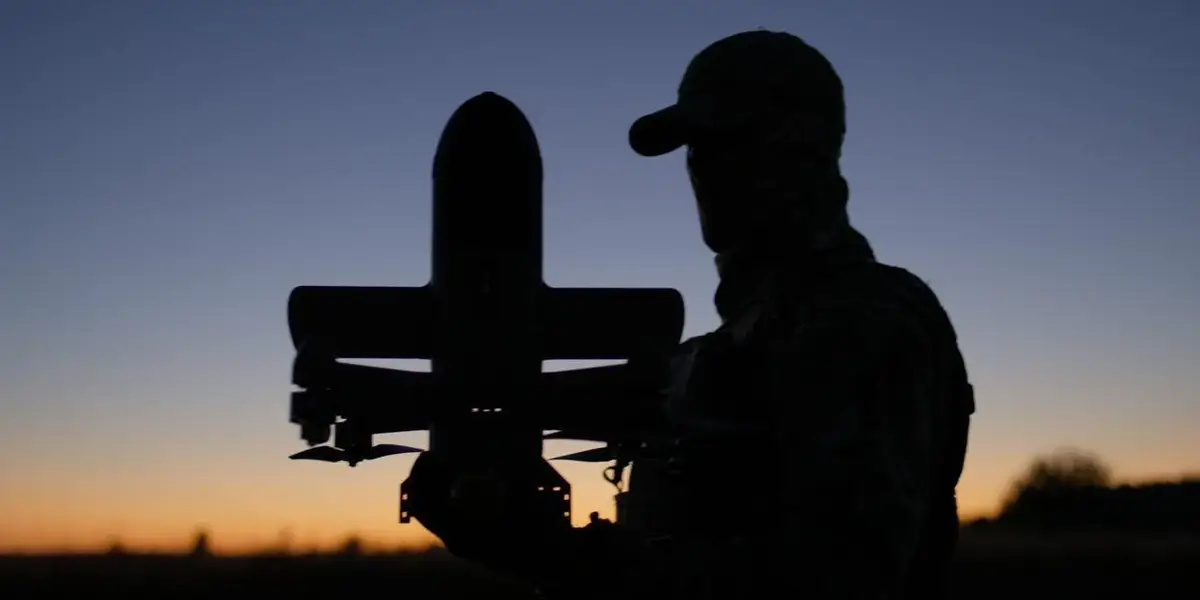
Ukraine has developed low-cost interceptor drones, like the Sting, to combat Russian attack drones, significantly enhancing its air defense capabilities and influencing future warfare strategies with a focus on affordable, effective drone countermeasures.
Originally Published 6 months ago — by Hacker News
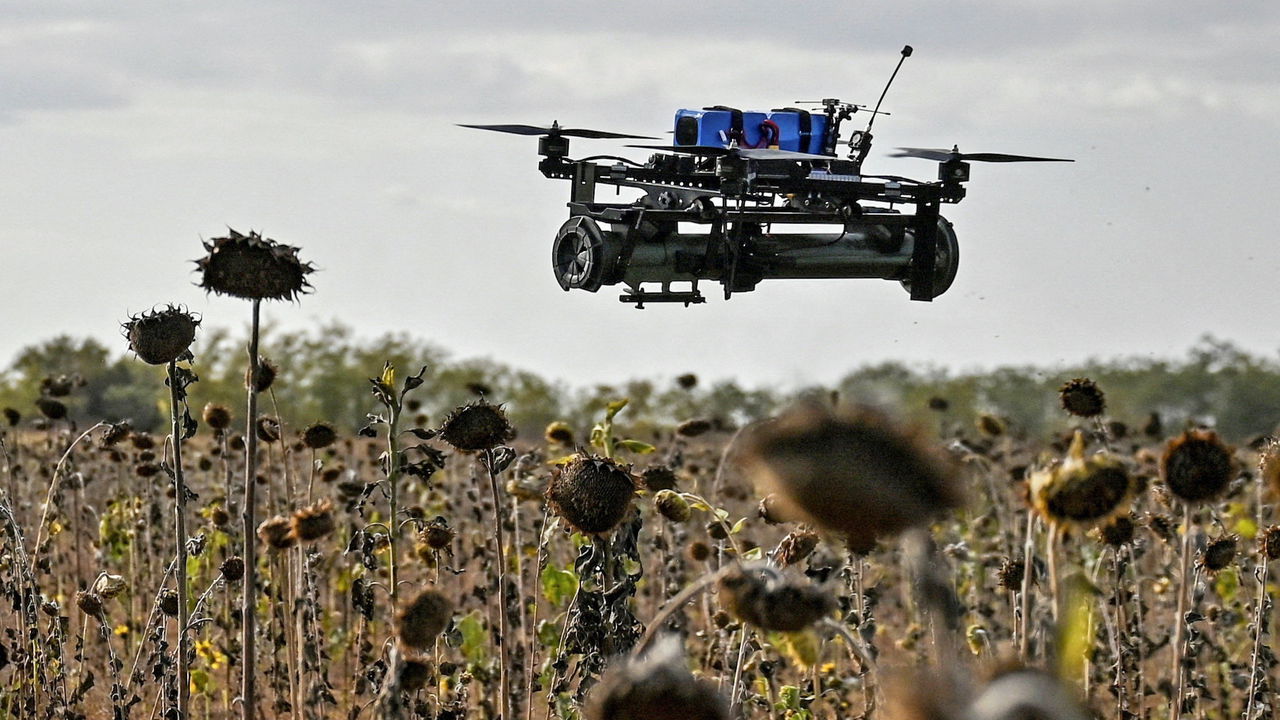
FPV drones are significantly impacting the Ukraine conflict by destroying targets like Russian aircraft and artillery, despite their limitations and vulnerabilities. They are cheap, easy to produce, and effective for reconnaissance and targeted strikes, but their overall strategic value is debated due to countermeasures and terrain challenges. The technology is evolving, and future developments like autonomous and reusable drones could further transform warfare, though current limitations and tactical considerations remain significant.
Ukraine is effectively using AI-guided drones in its conflict with Russia, deploying them on the front lines to target enemy positions with precision. These drones, developed by Ukrainian firm The Fourth Law, are being produced in large numbers and have become a crucial part of Ukraine's military strategy. The technology allows drones to autonomously lock onto targets, enhancing their effectiveness in combat scenarios.