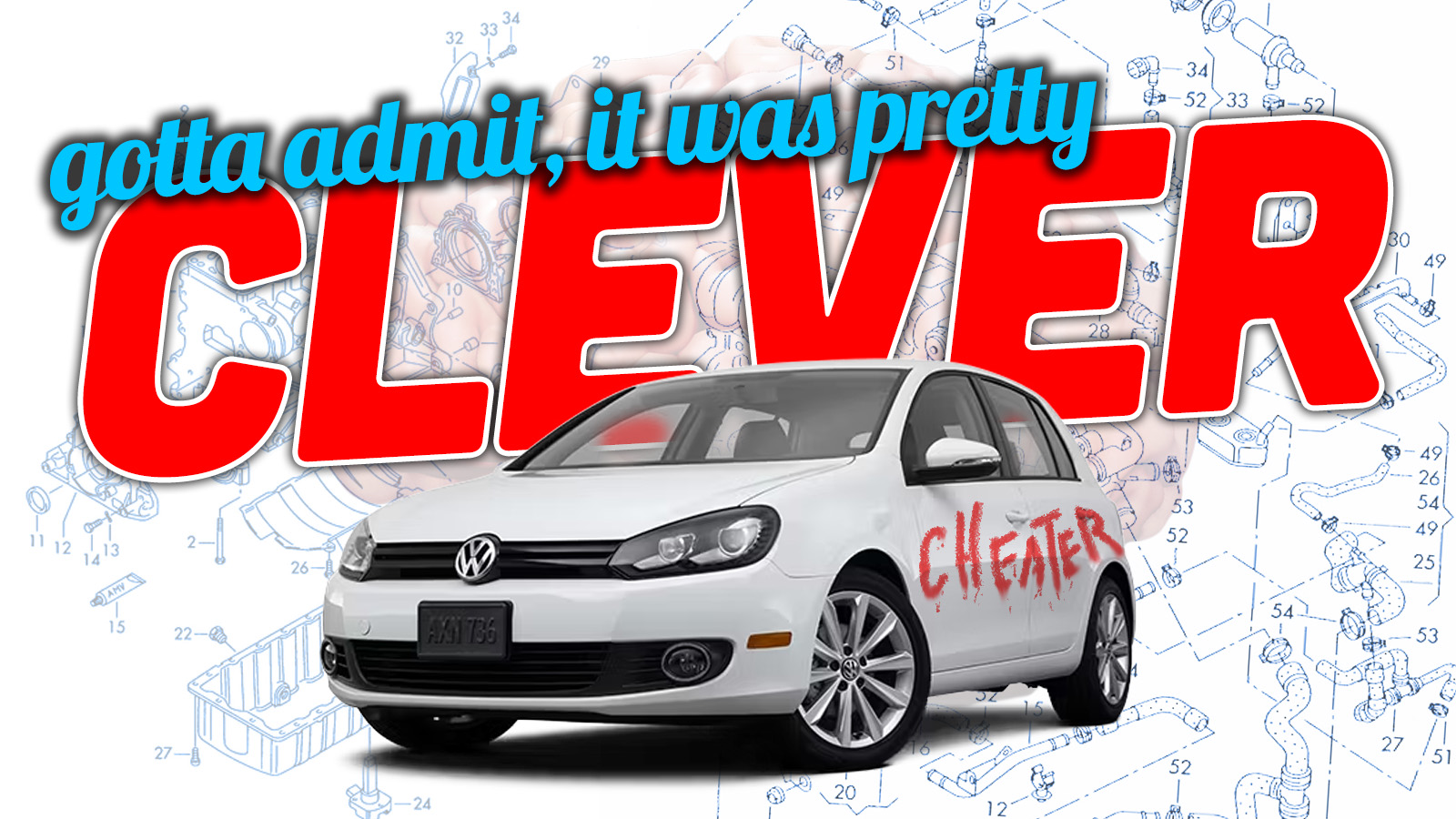
The article reflects on Volkswagen's Dieselgate scandal, acknowledging the unethical nature of the emissions cheating but also highlighting the cleverness of the software-based deception, which allowed cars to detect testing conditions and alter emissions and performance accordingly, revealing a complex interplay of engineering ingenuity and corporate misconduct.
Volkswagen Group, including VW, Audi, Porsche, and the upcoming Scout brand, has announced that it will adopt the Tesla-developed NACS connector starting in 2025, joining other major automakers in the move towards universal adoption of the connector. The NACS connector, previously considered a de facto standard by Tesla due to its dominance in the US EV market, has gained traction after Ford and GM announced their adoption. Volkswagen's commitment is significant due to its influence over Electrify America, a major charging network, and its size as an automaker. Stellantis remains the only major automaker yet to commit to the NACS connector.
A for-sale listing by GDM Motors, a Belgian-German GT racing team, has revealed that one of the lost VW W10 engine prototypes from the early 2000s ended up in a BMW M5. The engine was allegedly used as a personal car by Ferdinand Piëch, the inventor of the W engine. Visual comparisons between the incomplete prototype and the engine in the BMW confirm their similarities. The W10-powered BMW M5 is estimated to produce 500 horsepower and 406 pound-feet of torque. The whereabouts of the third rumored W10 engine prototype remain unknown.
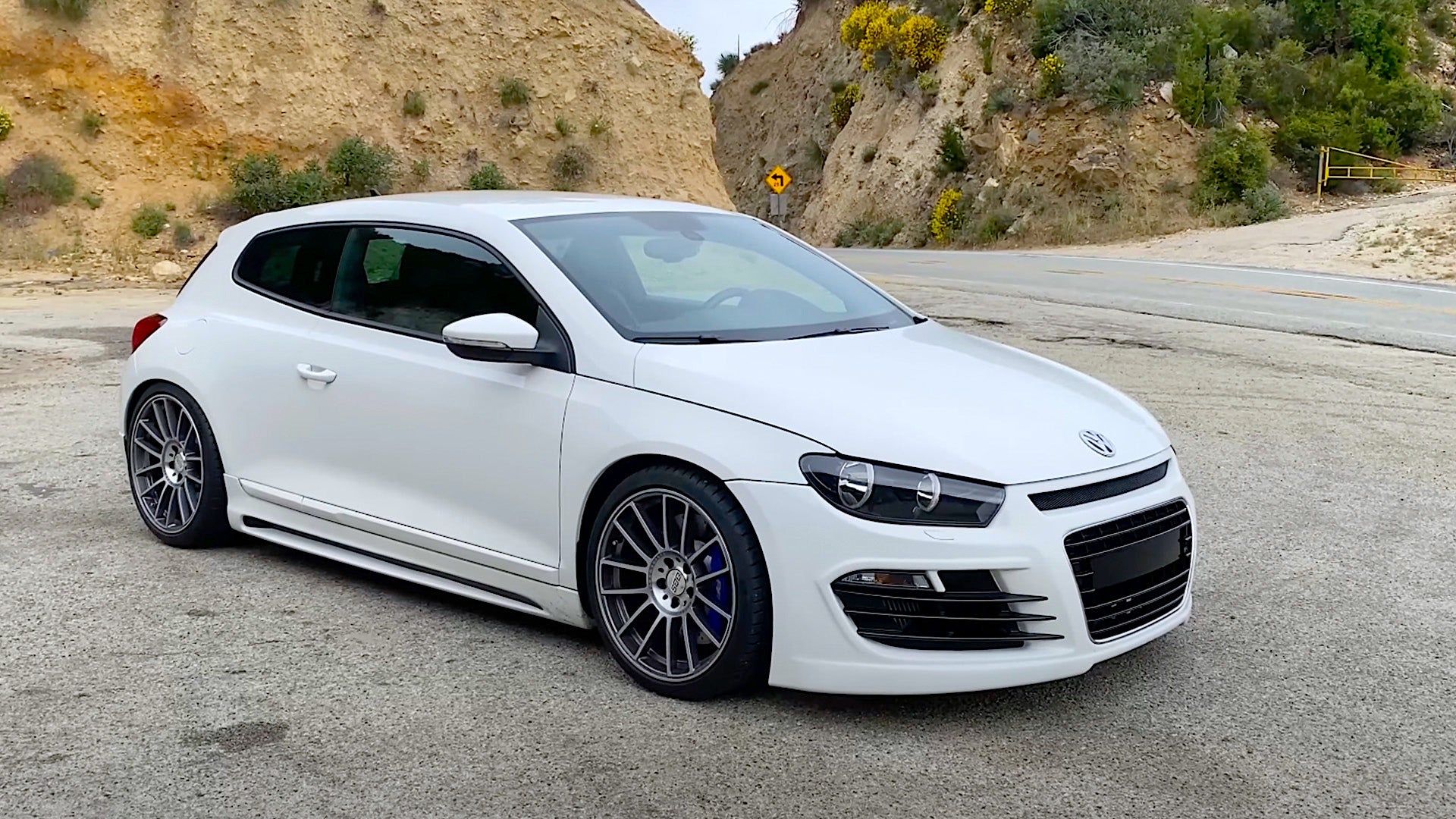
A VW enthusiast in the US has managed to register a Scirocco, which was never sold in the country, with the help of a Mark 5 VW R32. The car has been modified with aftermarket parts, including HPA Motorsports’ FT565 Twin Turbo Kit, which has boosted the 3.2-litre VR6 engine to 565 horsepower. The car also features a Rieger body kit and exhaust, KW V3 coilovers, and BBS wheels. The owner has spent mid-$100,000s on the car, which he says is worth it for a VW nut like him.
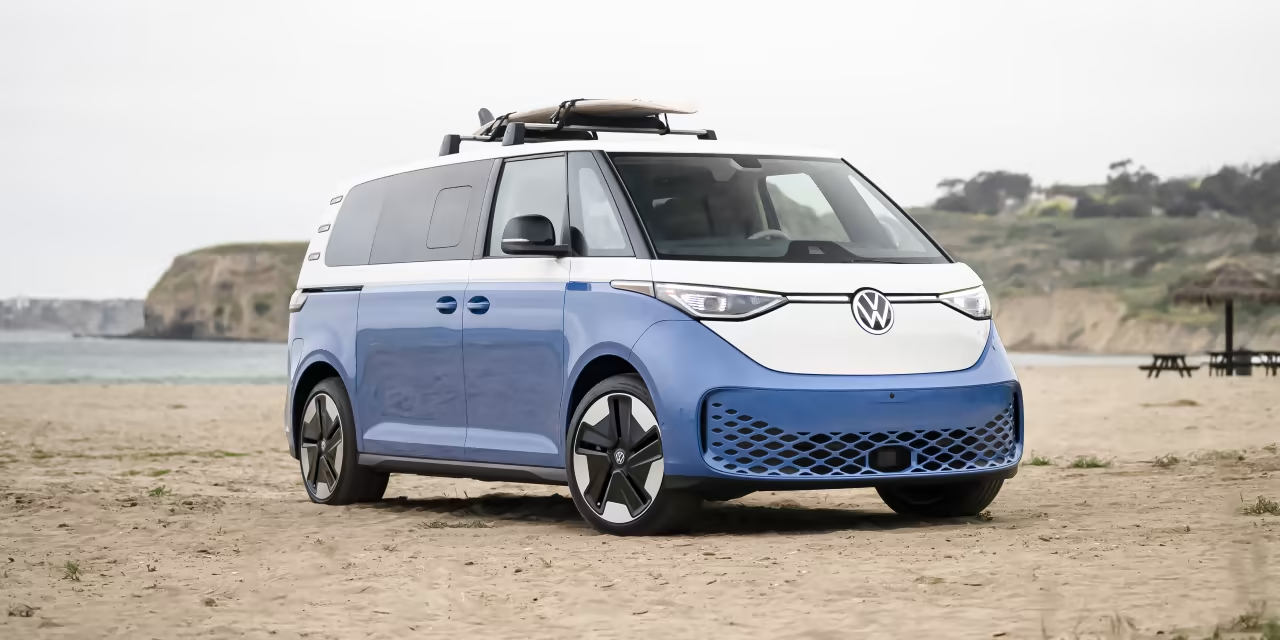
VW has unveiled a three-row version of its ID. Buzz electric microbus, with deliveries starting next year in the US. The new version has 282hp, a top speed of 99 mph, 91kWh of battery, and is 10 inches longer than the two-row European spec. The extra row of seats takes up some of that space, but the 2nd row folds flat and 3rd row can be removed. The North American model also comes in three new colors that aren’t available on the European spec: Cabana Blue, Metro Silver, and Indium Grey. VW hasn’t yet specified a price for the US version of the ID.Buzz, but it starts in the $65K-$70K range in Europe after taxes.
Volkswagen is bringing back the iconic VW bus as an all-electric vehicle, set to arrive in 2024. The new EV bus will be a modern take on the classic 1960s model and is expected to be popular for road trips.
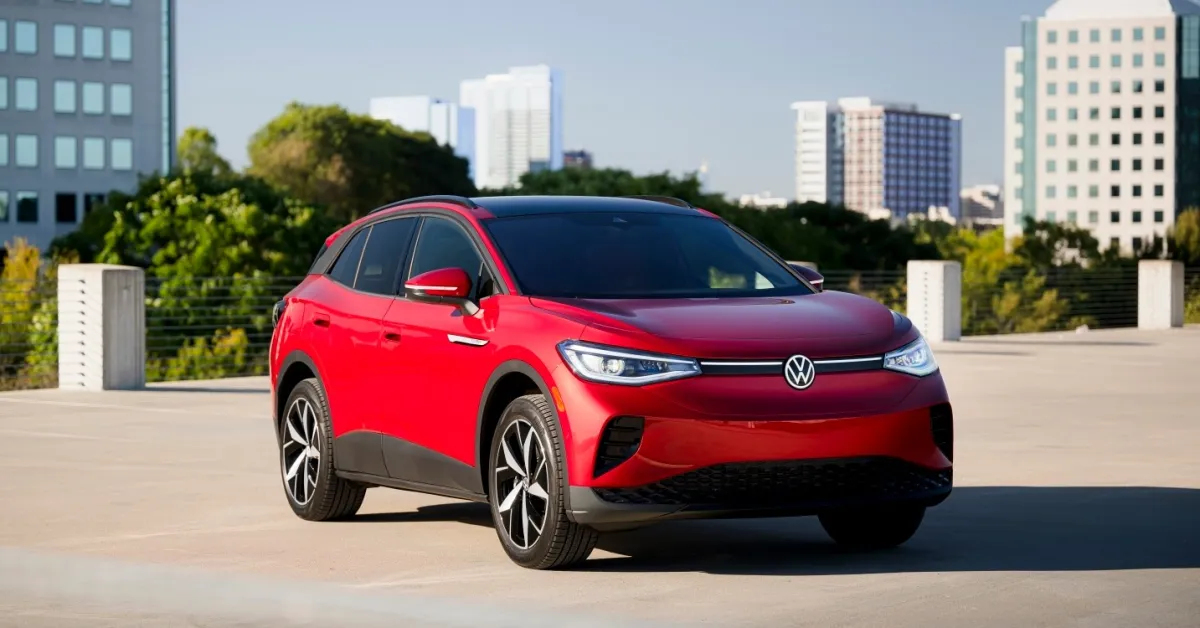
Volkswagen has become the first non-US automaker to qualify for the full $7,500 US federal EV tax credit. All model year 2023 ID.4 models placed in service this year are eligible because they’re manufactured in Chattanooga, Tennessee. The ID.4 comes in two battery sizes and two powertrains, and the $7,500 federal tax credit makes it even more attainable.
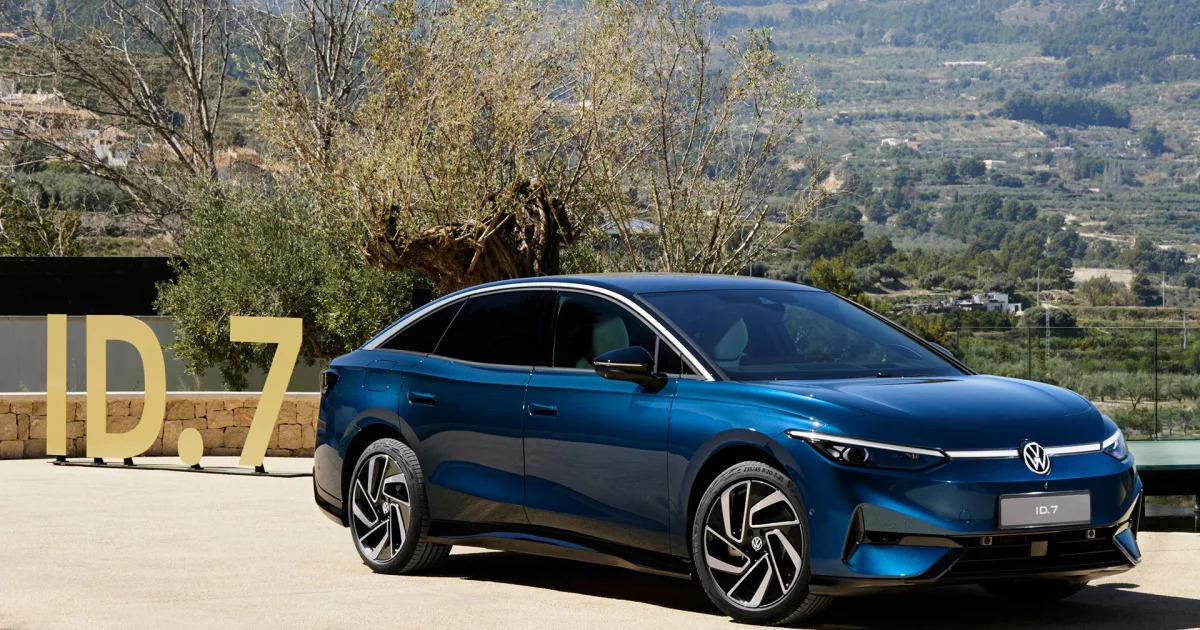
VW has unveiled its ID.7 electric sedan, which offers a WLTP range of 435 miles, making it one of the longest-range EVs on the market. The car features a new, more powerful and efficient motor, an optional 86kWh battery, and a highly aerodynamic design. The ID.7 also represents VW's first significant shakeup of its interior design and technology since launching the ID line, with features such as an augmented reality heads-up display and a 15-inch infotainment display. The car will go on sale in Europe and China in fall 2023, and in North America in 2024.