A couple in Kodiak faces potential deportation due to a years-old error by the Alaska DMV that mistakenly registered them to vote as U.S. citizens, leading to their citizenship oath being canceled; the error may have affected dozens of others, highlighting flaws in the state's voter registration process and raising concerns about wrongful deportations.
Texas officials found that 11 registered voters in Travis County flagged as potential noncitizens had already provided proof of citizenship, raising questions about the accuracy of the federal database (SAVE) used to identify noncitizens on voter rolls, and highlighting ongoing concerns about voter eligibility verification processes.
Most unaffiliated voters in Colorado intentionally choose not to join a political party, mainly due to policy disagreements and dissatisfaction with parties, yet they tend to favor Democrats in elections, reflecting a complex political landscape influenced by recent voting law changes and voter attitudes.
A federal judge has permanently blocked President Trump's executive order requiring proof of citizenship for voter registration, ruling it unconstitutional and stating that election regulation powers are reserved for states and Congress, not the President.
Turning Point faces a significant test in Arizona with upcoming local elections and ongoing efforts to increase voter registration, amid questions about its future following the death of co-founder Charlie Kirk, but supporters remain optimistic about its influence and legacy.
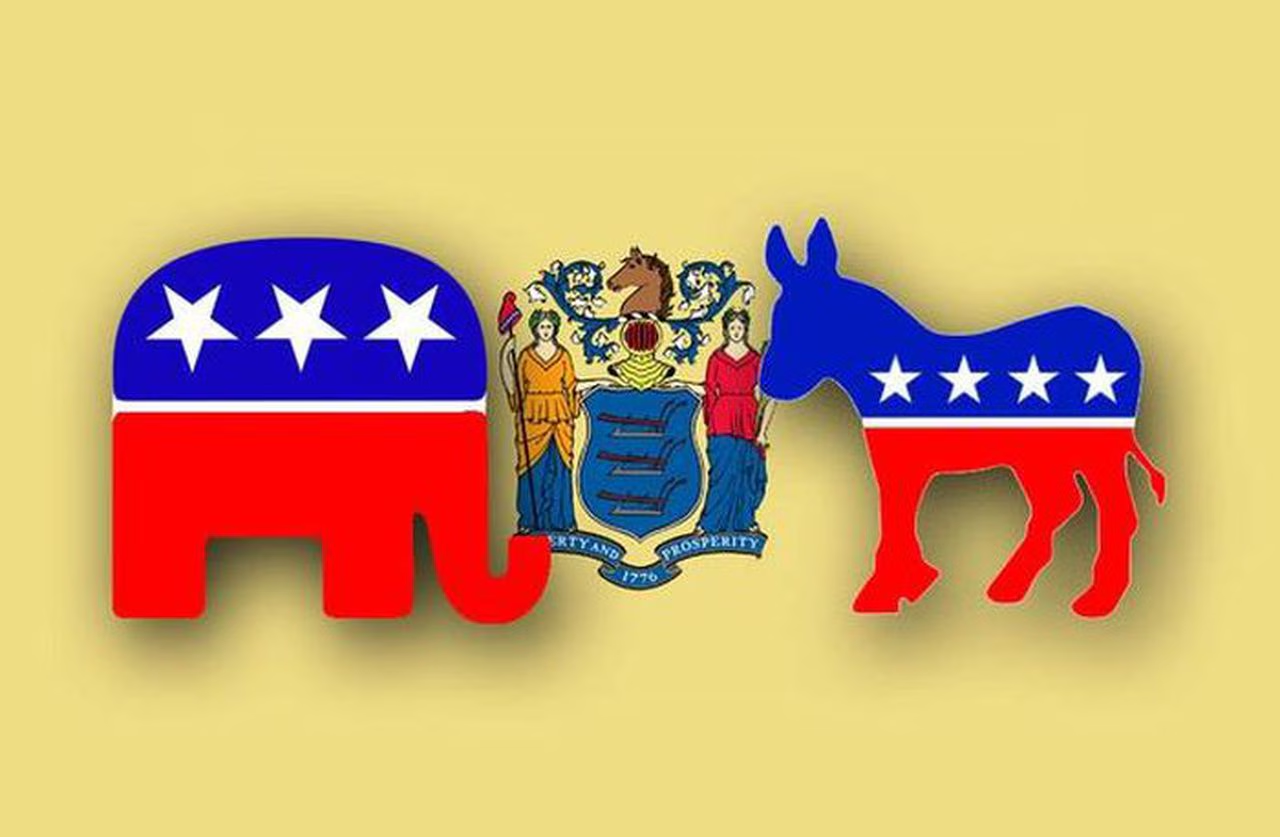
In New Jersey, Republican voter registrations have surged by over 164,000 in four years, while Democratic registrations have declined slightly, with Democrats still holding the majority of registered voters ahead of the upcoming gubernatorial election.
The U.S. Justice Department has filed lawsuits against California, New York, Michigan, Minnesota, New Hampshire, and Pennsylvania for not providing voter registration lists, citing legal obligations to ensure accurate and secure voter records, amid privacy concerns and ongoing investigations into voter list maintenance.
The Justice Department has sued six states—California, Michigan, Minnesota, New York, New Hampshire, and Pennsylvania—for refusing to provide voter registration lists, claiming this violates federal law and hampers election integrity efforts.
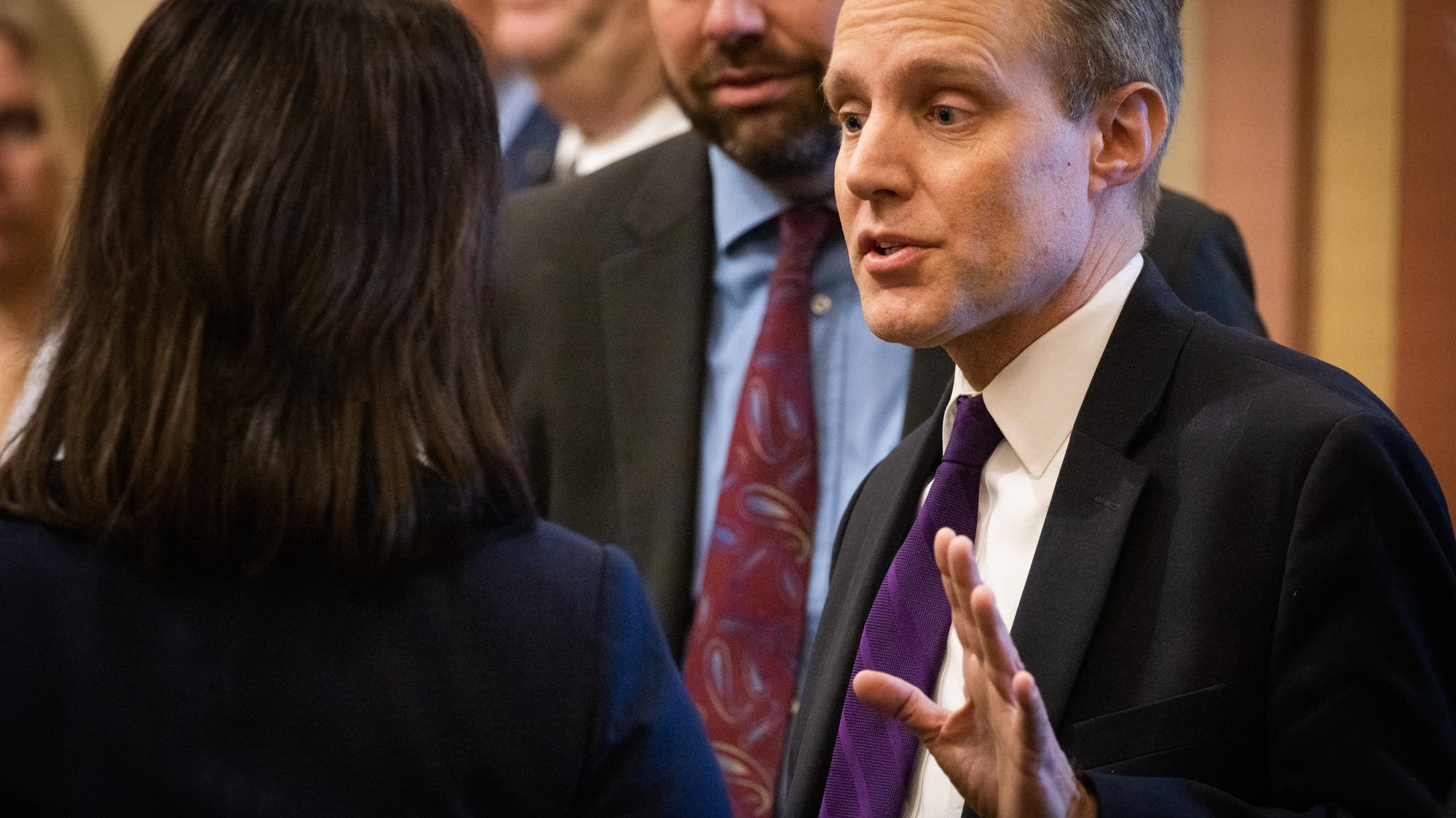
The U.S. Department of Justice filed a lawsuit against Minnesota Secretary of State Steve Simon for refusing to provide the full voter registration list, citing concerns over voter privacy and legal justifications, as part of federal efforts to ensure compliance with election laws and prevent voter fraud.
The Justice Department has filed federal lawsuits against six states—California, Michigan, Minnesota, New York, New Hampshire, and Pennsylvania—for failing to produce their voter registration lists, emphasizing the importance of accurate and accessible voter rolls for fair elections.
Democrats are seeking to revitalize their party amid fundraising and voter registration challenges, with efforts focused on unifying members, countering Republican strategies, and emphasizing core issues to improve their standing ahead of upcoming elections.
A New York Times analysis reveals that the Democratic Party is losing ground in voter registration across multiple states, with declines among new voters, especially younger voters and men, and a shrinking advantage in swing states like Nevada, Pennsylvania, and North Carolina, indicating a challenging landscape for Democrats ahead of future elections.
The Democratic Party is experiencing a significant decline in voter registration across the U.S., losing 2.1 million registered voters to Republicans between 2020 and 2024, with shifts occurring in key battleground states and among key demographics like men, youth, and Latinos, raising concerns about the party's future electoral prospects.
The North Carolina State Board of Elections has launched the Registration Repair Project to help voters who lack the required ID numbers in their registration records. Voters can update their information online, in person, or via mail, and may need to cast provisional ballots if their registration is incomplete. The project aims to ensure voter registration accuracy and compliance with federal and state laws.
A formal complaint has been filed against Vote.org by its founder Cleaver, alleging false claims about voter registration goals and internal dysfunction, with the organization accused of inflating its impact and facing scrutiny over management issues.