
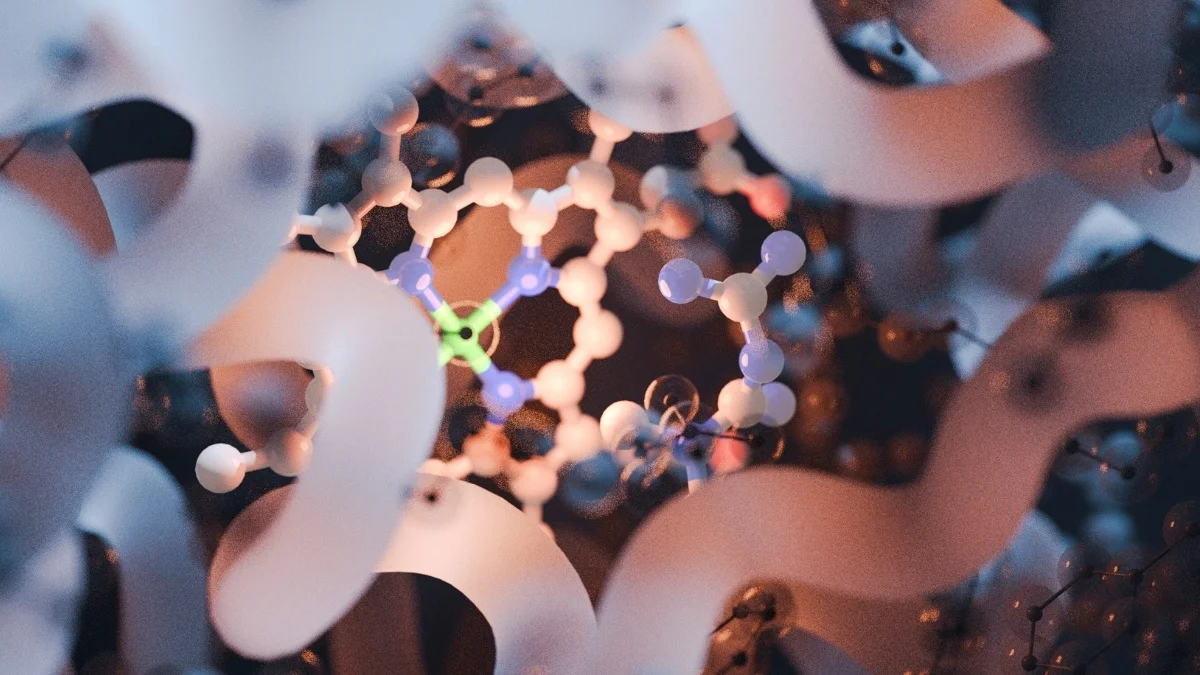
Metformin's Brain Pathway Unveiled, Paving Way for Next-Gen Diabetes Treatments
New research shows metformin can act in the brain, reaching the ventromedial hypothalamus and inhibiting Rap1 signaling in SF1 neurons to help regulate glucose in mice, a mechanism distinct from its liver and gut effects. When Rap1 was removed, metformin no longer helped diabetes-like symptoms, suggesting a brain pathway. This could lead to brain-targeted diabetes therapies and broaden metformin’s uses, though human studies are needed and side effects like GI distress and kidney risk remain concerns; the drug is also linked to aging benefits.