
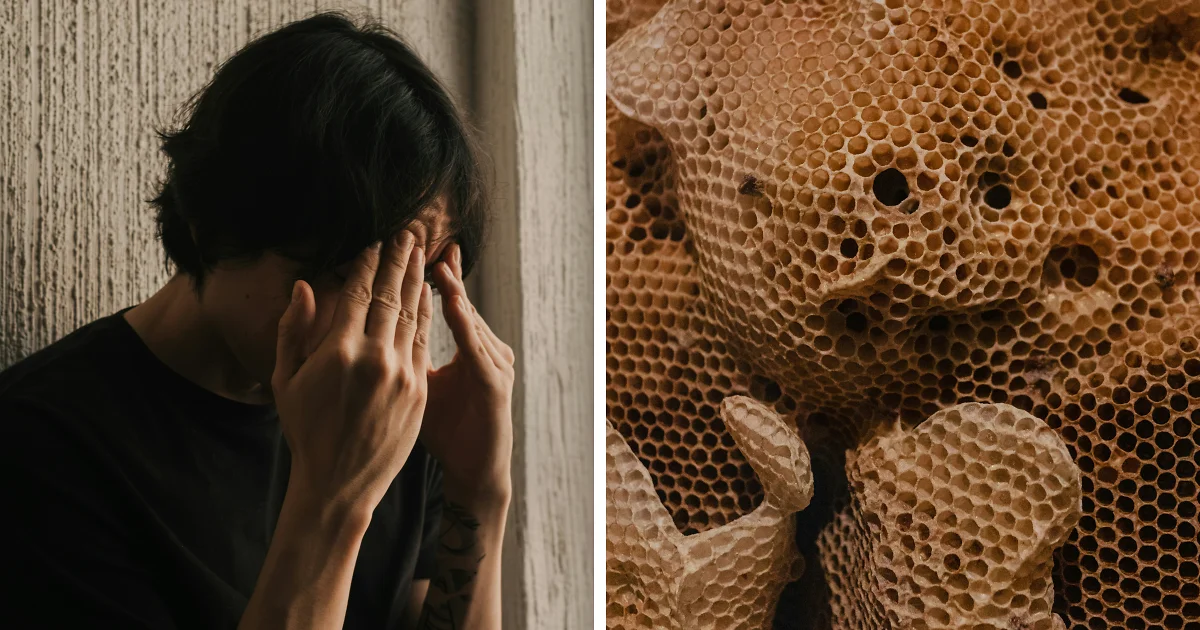
Trypophobia is an aversion to clustered holes or bumps, often driven by disgust and evolutionary disease-avoidance instincts, but it is not officially recognized as a clinical phobia. Reactions include discomfort, physical sensations, and avoidance, triggered by visual patterns resembling parasites or diseased skin. While many experience symptoms similar to phobias, it generally lacks the impairment required for diagnosis. Treatments like therapy and relaxation techniques can help manage symptoms.
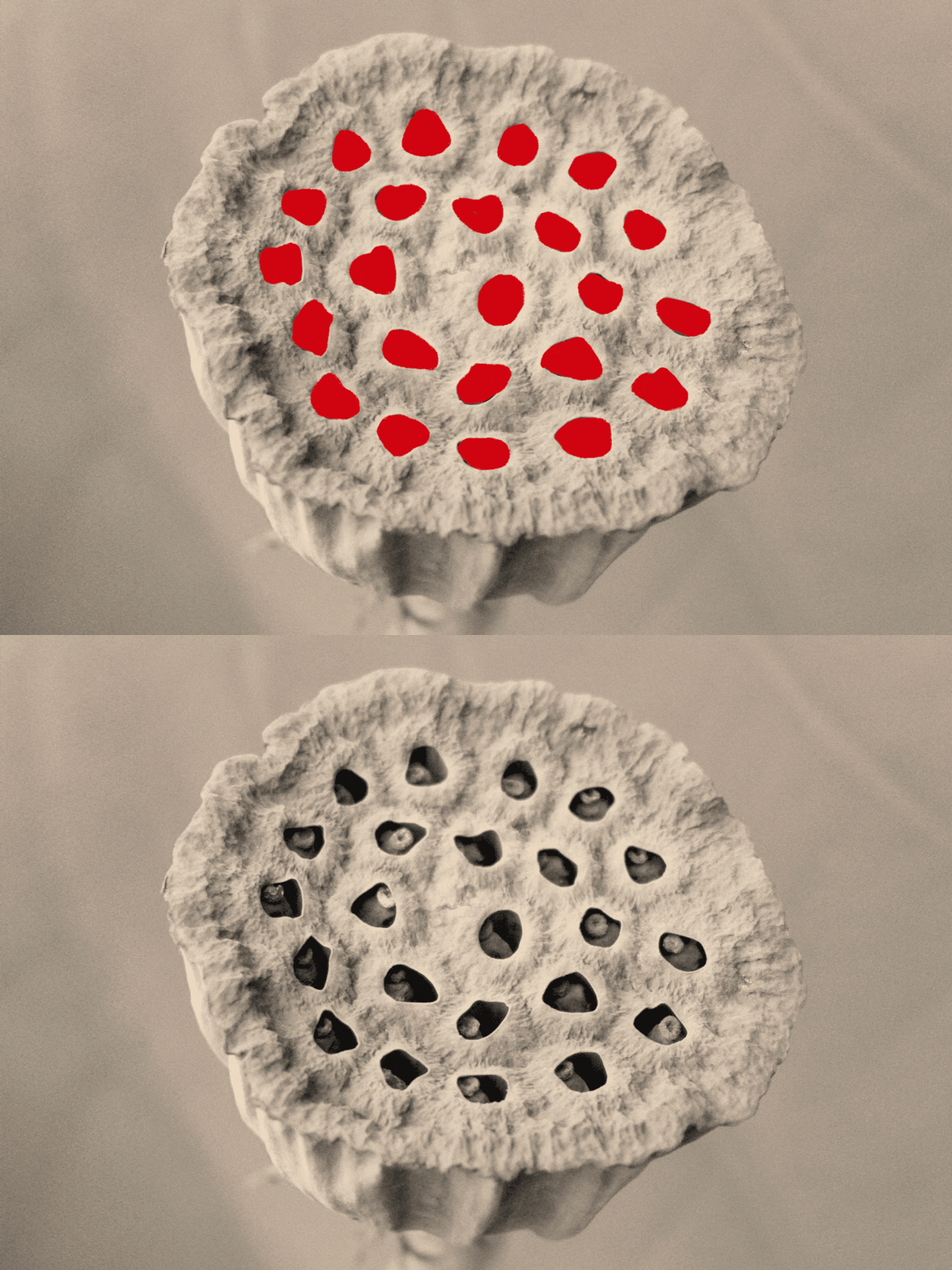
Trypophobia is a negative reaction to tiny, clustered holes, affecting around 10 to 15 percent of people. It can cause feelings of repulsion, disgust, itching, and nausea. Researchers have proposed evolutionary theories, suggesting that the aversion may be an adaptive response to avoid infectious diseases. The visual properties of high contrast and circular patterns seem to be key triggers. While trypophobia doesn't fit neatly into a psychiatric diagnosis, it has implications for design and media. Understanding how individuals perceive and process the world differently is important, as it can shed light on medical conditions that may not be outwardly apparent.