
Tag

Viewing Time

All articles tagged with #viewing time

"2024 Total Solar Eclipse: Path, Timing, and Viewing Tips for Illinois and Chicago"
astronomy1 year ago

"2024 Total Solar Eclipse: Path, Timing, and Viewing Tips for Illinois and Chicago"

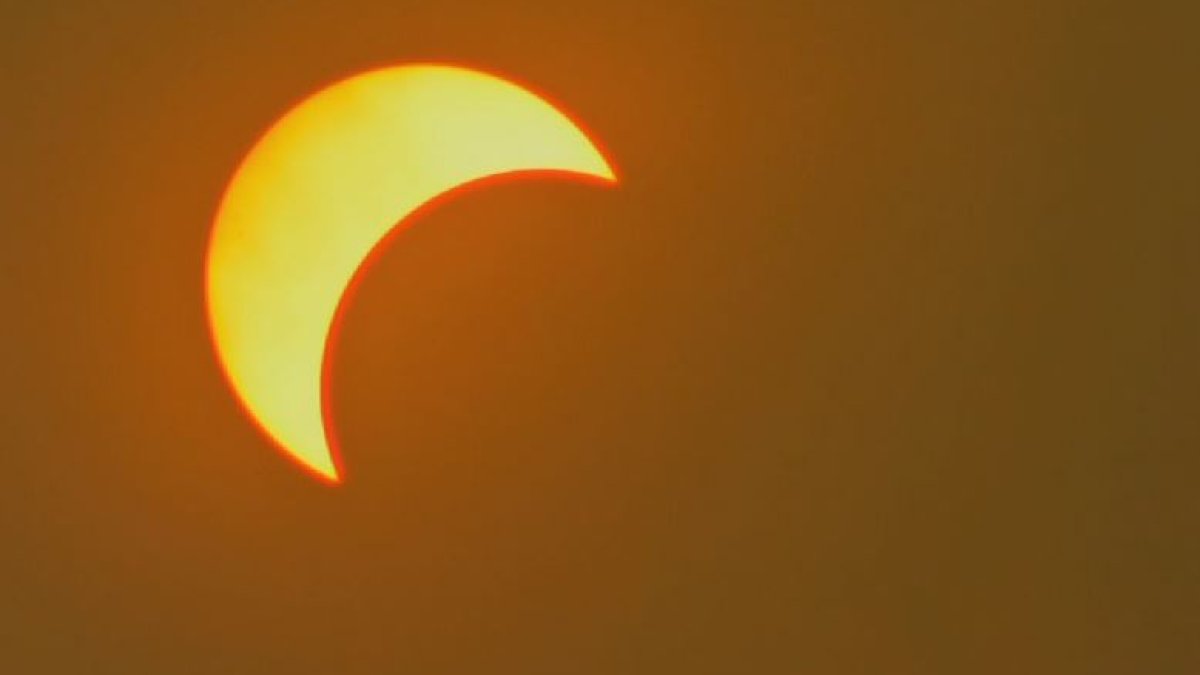
The April 8 solar eclipse will peak at different times across Illinois, with some areas experiencing totality and others seeing a partial eclipse. In the Chicago area, the partial eclipse will be visible for approximately 150 minutes, starting around 12:50 p.m. and ending at 3:22 p.m. Cities like Carbondale will witness totality for a few minutes, with the eclipse path passing over more populated areas than the 2017 eclipse. The next total eclipse won't occur until 2044, making this a rare astronomical event to witness.
"2024 Solar Eclipse: Find the Best Viewing Time for Your City with ZIP Code Search"
astronomy1 year ago

"2024 Solar Eclipse: Find the Best Viewing Time for Your City with ZIP Code Search"

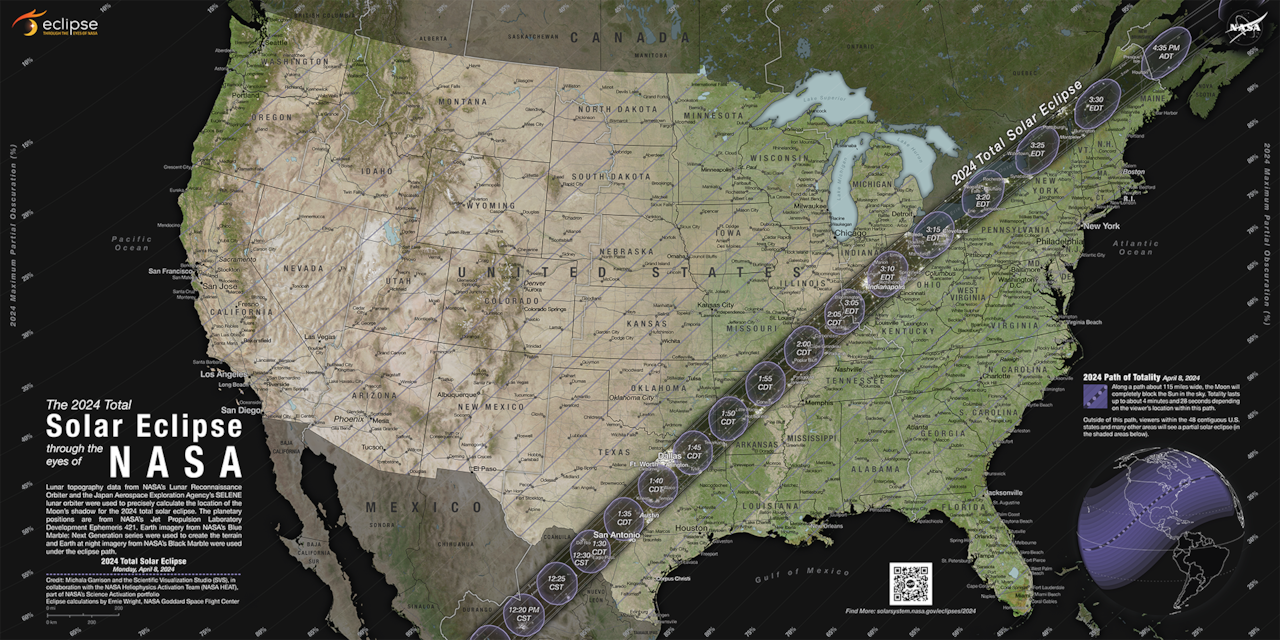
NASA has created an interactive online tool that allows users to search by ZIP code to determine the exact viewing time for the April 8 solar eclipse, which will sweep across North America, passing over Mexico, the United States, and Canada. The tool provides information on the path of totality, showing the duration of the eclipse for specific locations and estimating the percentage of the sun that will be covered by the moon. The eclipse will be visible along a narrow track from Texas to Maine, with a partial eclipse visible throughout all 48 contiguous states.

Geminids Meteor Shower: Chicago's Best Viewing Time for 2023's Spectacular Show
astronomy2 years ago

Geminids Meteor Shower: Chicago's Best Viewing Time for 2023's Spectacular Show

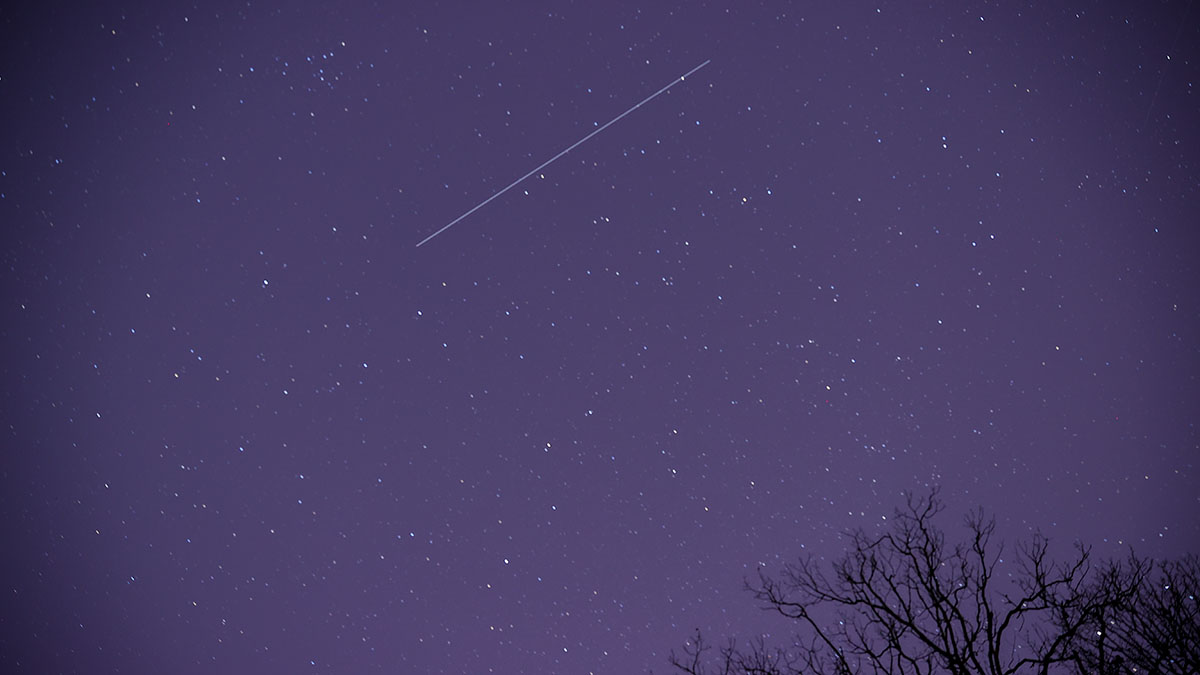
The Geminids meteor shower, produced by an asteroid, will peak on Wednesday night and into Thursday morning, with the best viewing time likely to be between midnight and 6 a.m. in Chicago. Sky gazers could see up to 120 meteors per hour, but a few stray clouds may impact visibility. It is recommended to get away from city lights, allow your eyes to adjust to darkness, and use peripheral vision to locate objects in the sky. The Ursids meteor shower will follow on Dec. 22 and 23, while the Quadrantids shower is expected to peak on Jan. 4.