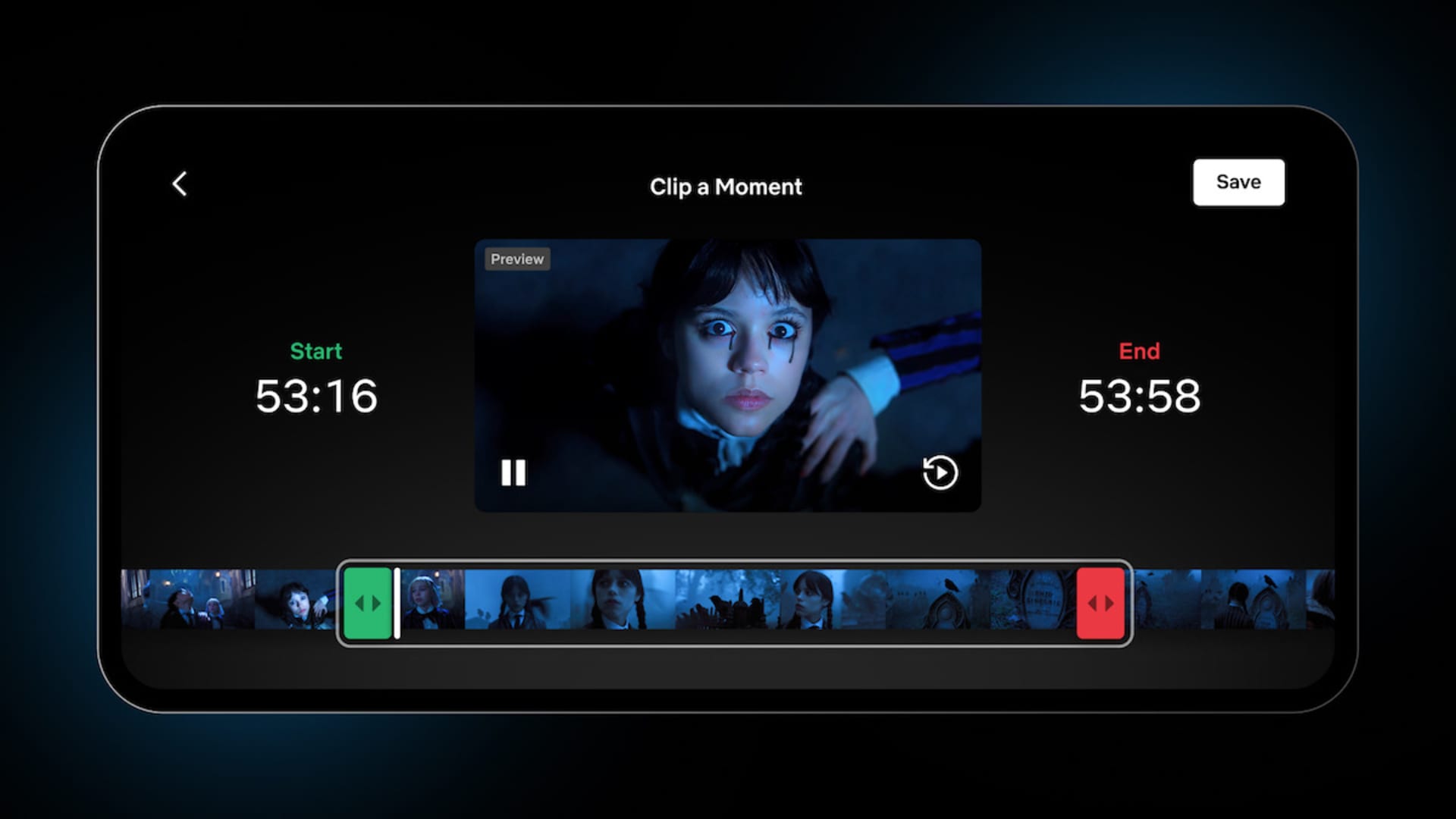
Netflix has updated its 'Moments' feature on mobile devices, allowing users to customize and share clips from shows like 'Wednesday,' capitalizing on viral moments and enhancing user engagement amid a brand revamp.
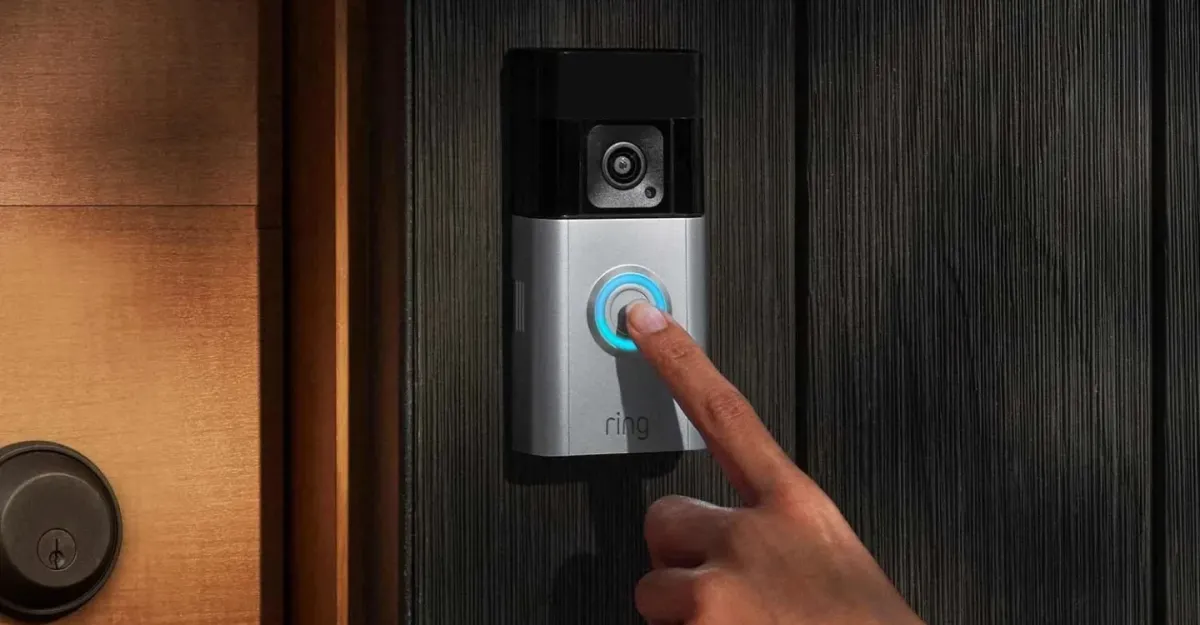
Ring has resumed allowing police to request user footage through a partnership with Axon, reversing its previous restrictions and aiming to enhance neighborhood safety, while maintaining user control and privacy protections.
WhatsApp is testing a new feature that allows users to share their screens during video calls to listen to music or watch videos together. The feature, currently in beta testing for Android devices, will enable all users in a call to share their screens, including audio. While the release date is unclear, it is expected to be available for both Android and iOS smartphones next year. However, it remains uncertain if video streaming apps like Disney+, Netflix, and Prime Video will allow screen sharing due to content protection policies.
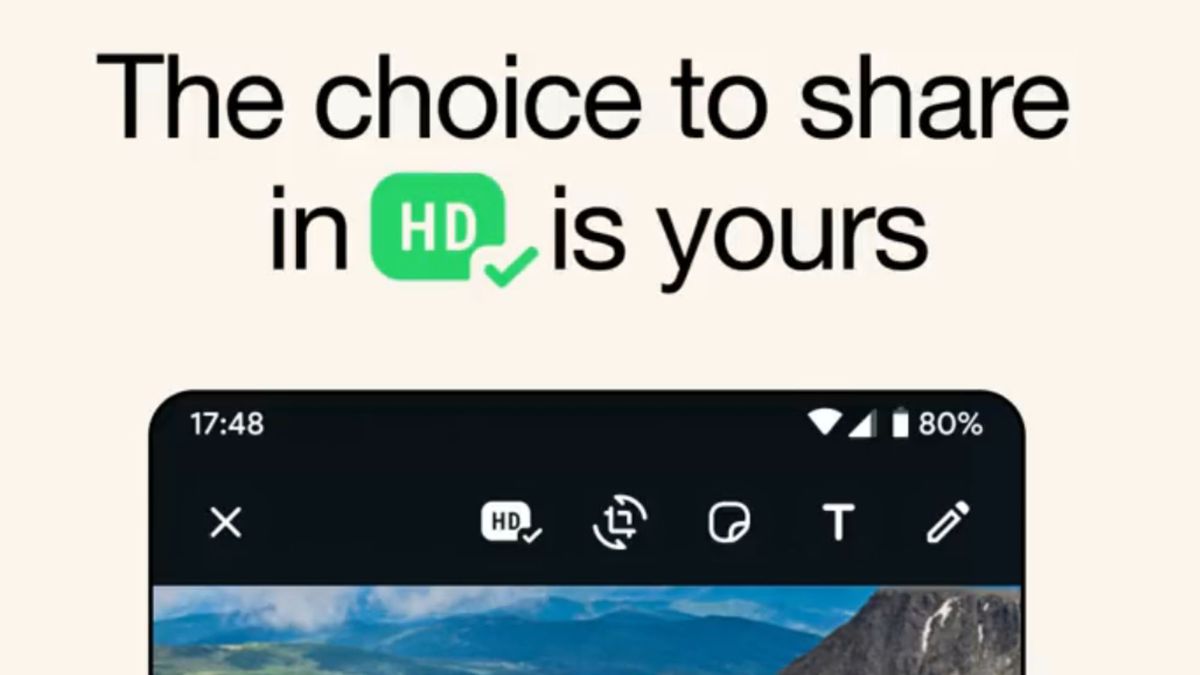
WhatsApp now allows users to share photos and videos in their original quality, enhancing the overall user experience of the messaging app. This update enables users to preserve the high resolution and clarity of their media files when sharing them with friends and family.
YouTube is testing two experimental AI systems for creators and viewers. The first AI organizes large comment sections of long-form videos into digestible themes, allowing content creators to manage and highlight specific comments. The second AI is a generative chatbot that interacts with viewers, providing answers to questions about the video, recommendations for related content, and even creating quizzes for academic videos. These features are currently being tested on a small scale and will be rolled out to YouTube Premium subscribers in the coming weeks. However, YouTube emphasizes that these features are experimental and may not be widely implemented.
YouTube is cracking down on ad blockers by forcing users to disable them or subscribe to YouTube Premium. Users are now greeted with a pop-up warning that blocks video playback unless the ad blocker is disabled or YouTube is allowlisted. Previously, users could simply close the message or wait for a timer to elapse, but now they must take action in favor of the platform. YouTube claims that using an ad blocker goes against its terms of service and emphasizes that ads support creators and allow access to content. This crackdown comes as YouTube reported a decline in ad revenue and has been increasing the number of ads on its website.
WhatsApp is rolling out a new feature that allows users to share videos in HD format, with a resolution of 720p. The feature is being introduced for both Android and iOS devices and is similar to the HD photo sharing feature that was recently added. Users can select the HD option when sharing a video, which will result in a larger file size and longer transfer time. The HD videos shared on WhatsApp are also end-to-end encrypted.
Instagram now allows US-based users to download public Reels to their camera roll, similar to TikTok's feature. The downloaded video will show an Instagram logo along with the account name. Reels has been the focus of growth and revenue for Meta, and this move could attract more people to watch content on the platform.
The first-ever video uploaded to YouTube, "Me at the Zoo," was recorded at the San Diego Zoo by co-founder Jawed Karim. The 18-second clip has since garnered over 263 million views and 11 million comments. YouTube now boasts over a billion hours of videos watched daily.
Tesla employees have reportedly shared sensitive and embarrassing videos captured by the cameras built into their customers' cars, despite the automaker's privacy policy commitment that "camera recordings remain anonymous and are not linked to you or your vehicle." Some of the videos are described as intimate or embarrassing, and one reportedly involved a Tesla driving through a residential area at high speed and hitting a child on a bike. The video sharing allegedly occurred between 2019 and 2022 via an internal message system, and some of these images reportedly became screenshots or memes shared among groups of employees. Tesla did not respond to a request for comment.
Despite renewed calls for a ban on TikTok in the US, the video-sharing app has announced that it has 150 million users in the country. The app has faced scrutiny over its data privacy practices and alleged ties to the Chinese government, leading to concerns about national security. However, TikTok has repeatedly denied these allegations and has taken steps to distance itself from its Chinese parent company.