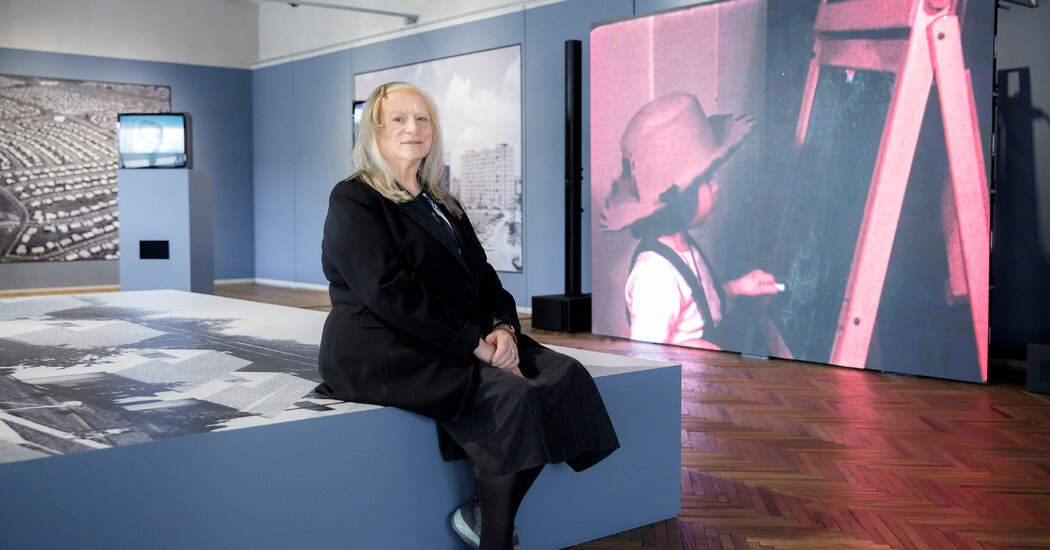
Dara Birnbaum, a pioneering video artist known for critiquing mass media and television's passive influence, passed away at 78. In the 1970s, she creatively repurposed television footage, including from shows like 'Wonder Woman,' to highlight the aggressive conditioning of viewers, despite the technical and legal challenges of the time.
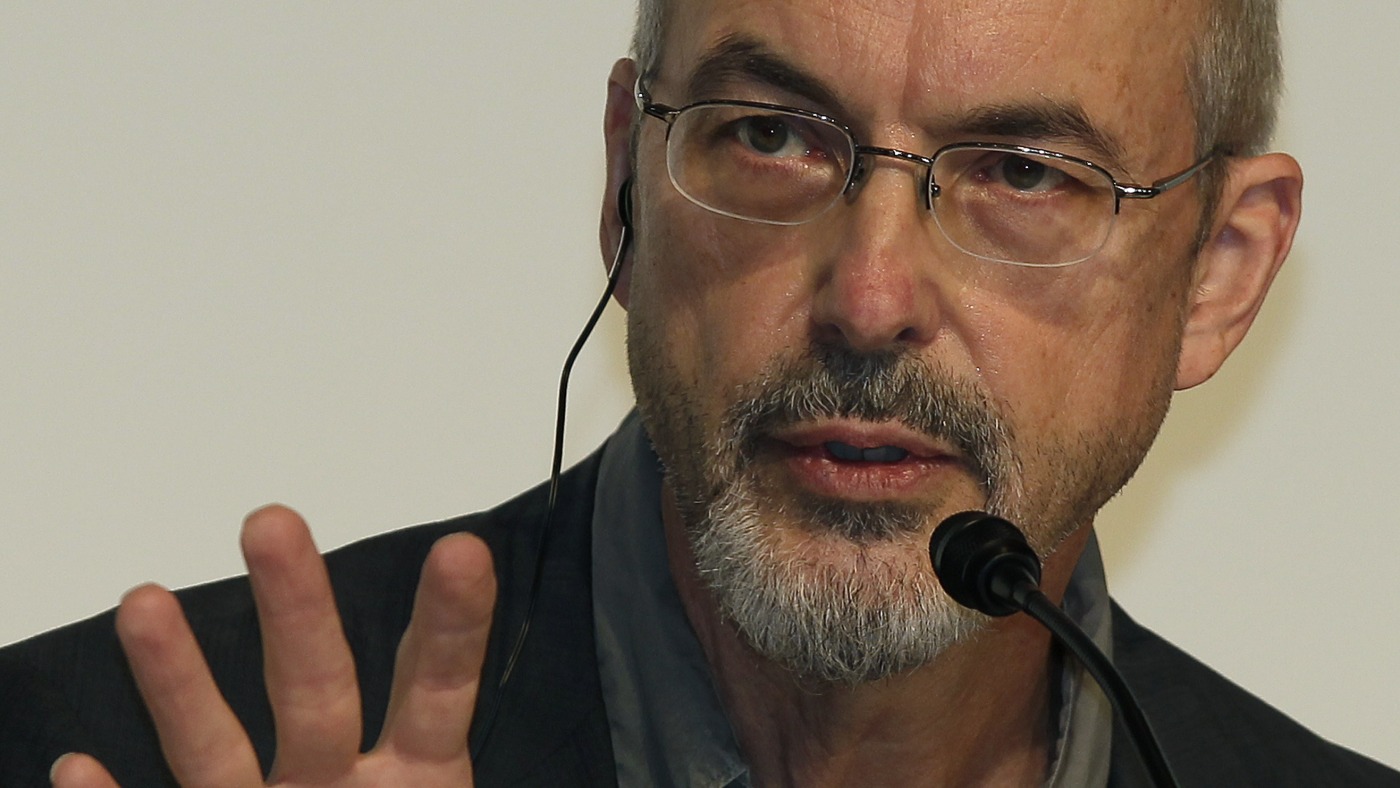
Trailblazing video artist Bill Viola, known for his monumental video works exploring themes like grief and spirituality, has died at 73 from complications related to Alzheimer's disease. Viola's innovative use of technology and immersive installations established him as a leader in video art. He represented the U.S. at the Venice Biennale in 1995 and was the subject of a major retrospective at the Whitney Museum. Viola is survived by his wife, Kira Perov, and two sons.
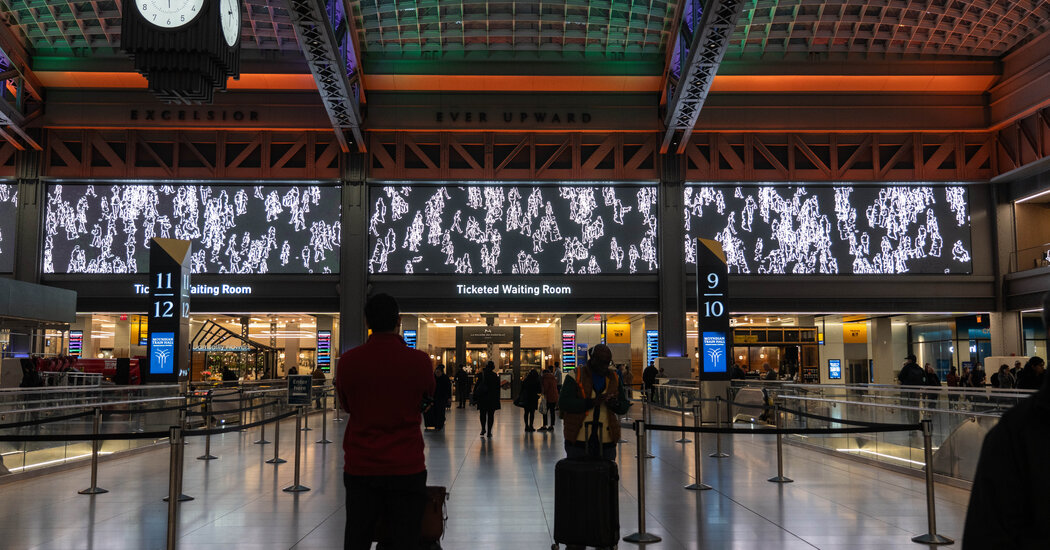
Joshua Frankel's video art installation, "Within the crowd there is a quality," at Moynihan Train Hall in New York City is struggling to capture attention amidst a sea of advertisements. The 42-second animation is part of the Moynihan Train Hall Public Art Program and is displayed on large LED screens alongside various ads. However, the subtle and unassuming nature of Frankel's piece makes it blend in with the surrounding commercial content, resulting in it being largely ignored by viewers. The challenge for video art in public spaces is to stand out and transcend the expectations of normal screen experiences, which Frankel's work fails to do in this context.
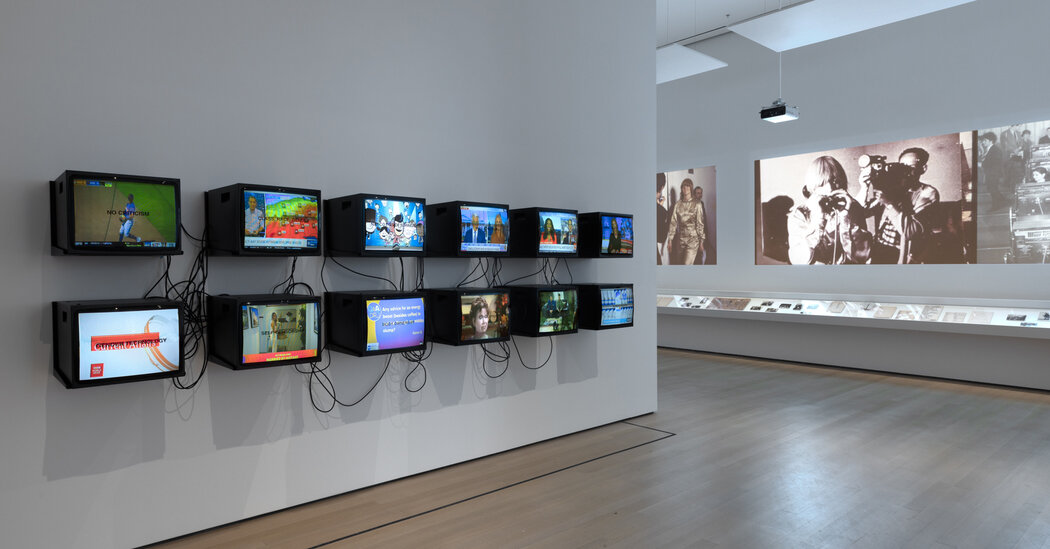
The Museum of Modern Art's exhibition "Signals: How Video Transformed the World" showcases video art as a communication medium, exploring its power and pitfalls. The exhibition, the largest of its kind at MoMA, features a wide range of video works that highlight the circulation and impact of video imagery. While some works provoke admiration and intellectual stimulation, others leave viewers baffled or even furious. The exhibition challenges traditional notions of video art and its technical properties, presenting video against broadcast television, government censorship, and corporate interests. It also raises questions about the value of visibility and documentation, with some artists expressing skepticism and exploring the limitations of the screen. However, the exhibition has faced criticism for including videos that propagate conspiracy theories and misinformation. Notable works include "Videograms of a Revolution" and "Letter to a Turtledove," which demonstrate video's democratic potential and its ability to capture historical moments. The exhibition closes this weekend.