
Tag

Vela Pulsar

All articles tagged with #vela pulsar

astronomy1 year ago

"Breakthrough: Unprecedented High-Resolution Gamma Ray Image Captured"

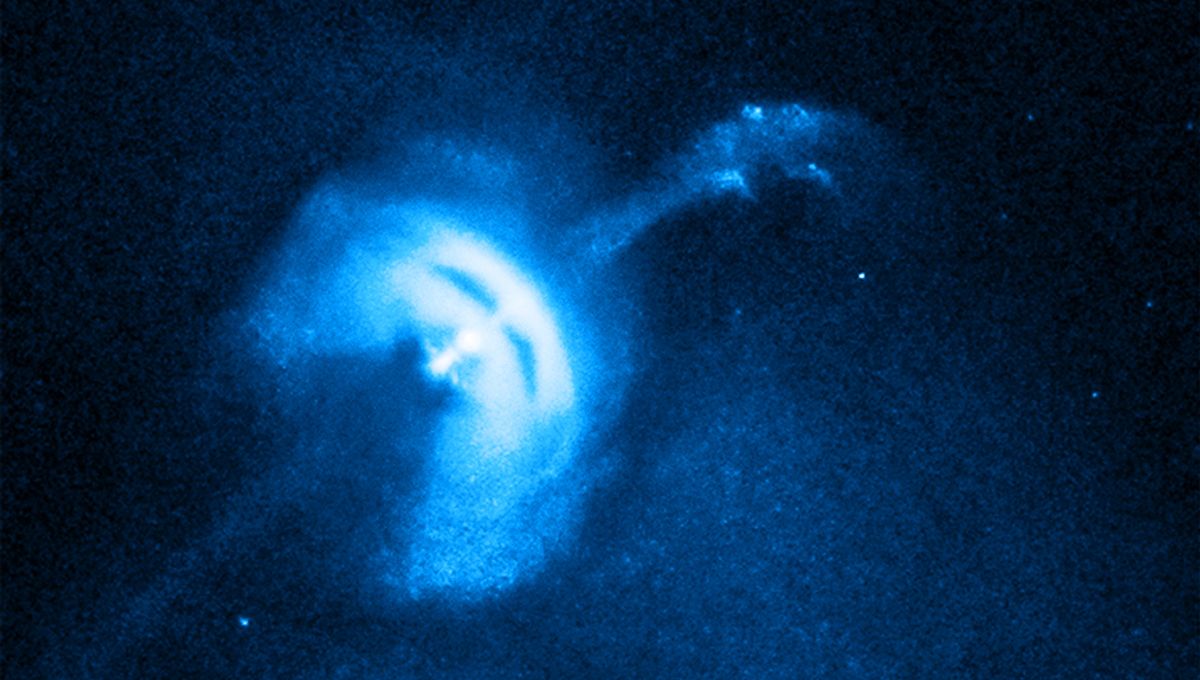
Astronomers have captured the highest-resolution gamma-ray image ever taken, revealing the Vela Pulsar in unprecedented detail using a new telescope designed for gamma rays. The breakthrough image, 40 times better than the previous best, was achieved by stacking photographic film to trace gamma rays with high precision and lifting it to an altitude of 35 to 45 kilometers using a balloon telescope. This new approach has the potential to revolutionize gamma-ray observations and contribute to multi-messenger astronomy, opening up new possibilities for studying the most energetic events in the universe.
astronomy2 years ago

Unprecedented Energy Emissions from Pulsars Baffle Scientists

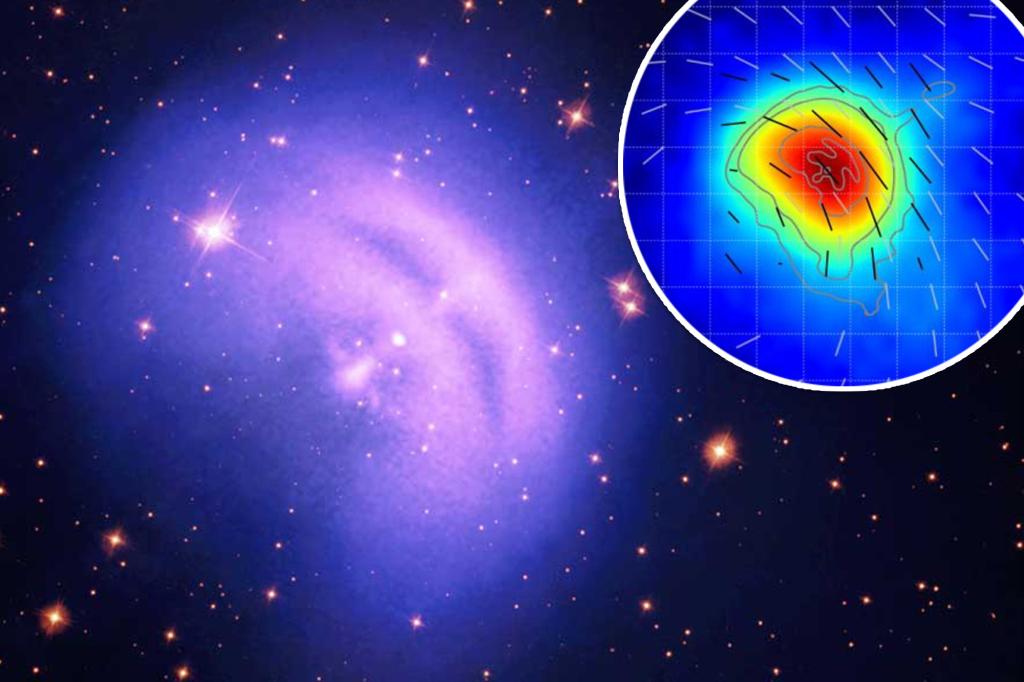
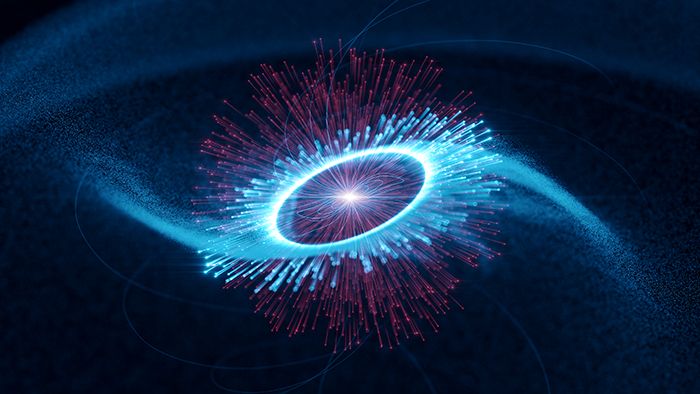
Scientists are baffled by a blast of energy emitted by the Vela pulsar, a dead star, which hit Earth with the highest-energy gamma rays ever recorded from a pulsar. The phenomenon challenges existing knowledge of pulsars and requires a rethinking of how these natural accelerators work. The pulsar's energy emission was 200 times more energetic than any previously detected, leaving scientists puzzled as to how it produced such a high-energy emission. The discovery could help update models of pulsar emission and deepen the understanding of other magnetized objects in the universe.

science-and-astronomy2 years ago

Unprecedented Gamma-ray Emissions from Pulsar Leave Scientists Stunned

Astronomers have discovered that the Vela Pulsar, a spinning neutron star located nearly 1,000 light-years away, has emitted the highest-energy radiation ever observed from a pulsar. Data from the High Energy Stereoscopic System (HESS) observatory in Namibia revealed gamma-ray photons with energies of at least 20 teraelectronvolts (TeV), surpassing previous expectations for pulsar emissions. The discovery provides new insights into the nature of pulsars and their radiation sources, challenging current models and opening up new avenues for research in TeV pulsar astronomy.