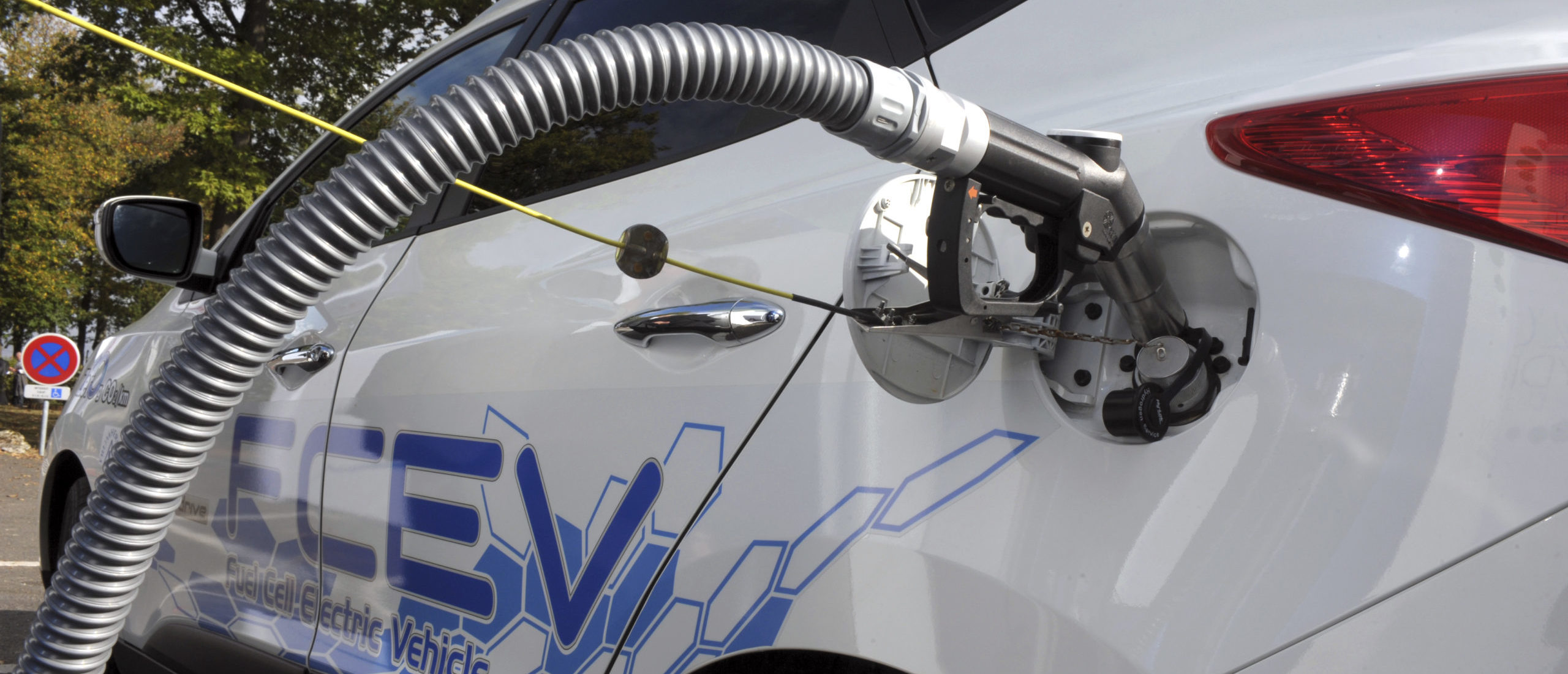
Hyundai and Kia Recall Over 240,000 Vehicles for Safety Concerns
Over 240,000 vehicles have been recalled due to safety concerns, highlighting ongoing issues within the automotive industry regarding consumer safety and transportation reliability.

All articles tagged with #vehicle recall
Over 240,000 vehicles have been recalled due to safety concerns, highlighting ongoing issues within the automotive industry regarding consumer safety and transportation reliability.
Over 240,000 vehicles from Hyundai, Genesis, and Kia are being recalled in the US and Canada due to safety issues. The recalls involve potential loss of drive power in certain electric models and transmission issues in others, increasing crash risks. Affected models include the Kia EV6, Genesis G80 EV, Hyundai Ioniq 5, and others. Owners will be notified in December and January, and are advised to take precautions or visit dealerships for repairs.
Hyundai Motor is recalling approximately 42,465 vehicles in the U.S., including certain 2025 Tucson and Santa Cruz models, due to improperly routed wiring that could increase crash risk. The issue involves the vehicle transmission potentially moving out of "Park" without the brake pedal being pressed, leading to possible rollaway incidents. This follows a separate recall of over 145,000 electric vehicles in the U.S. due to a loss of drive power.
The National Highway Traffic Safety Administration is investigating up to 1.4 million Honda and Acura vehicles due to potential engine failures linked to connecting rod bearing issues in 3.5-liter V6 engines. The probe covers models including the 2016-2020 Honda Pilot and Acura MDX, among others. While no injuries have been reported, there have been 1,450 warranty claims and one accident. Honda is cooperating with the investigation, and dealers are inspecting and repairing affected vehicles.
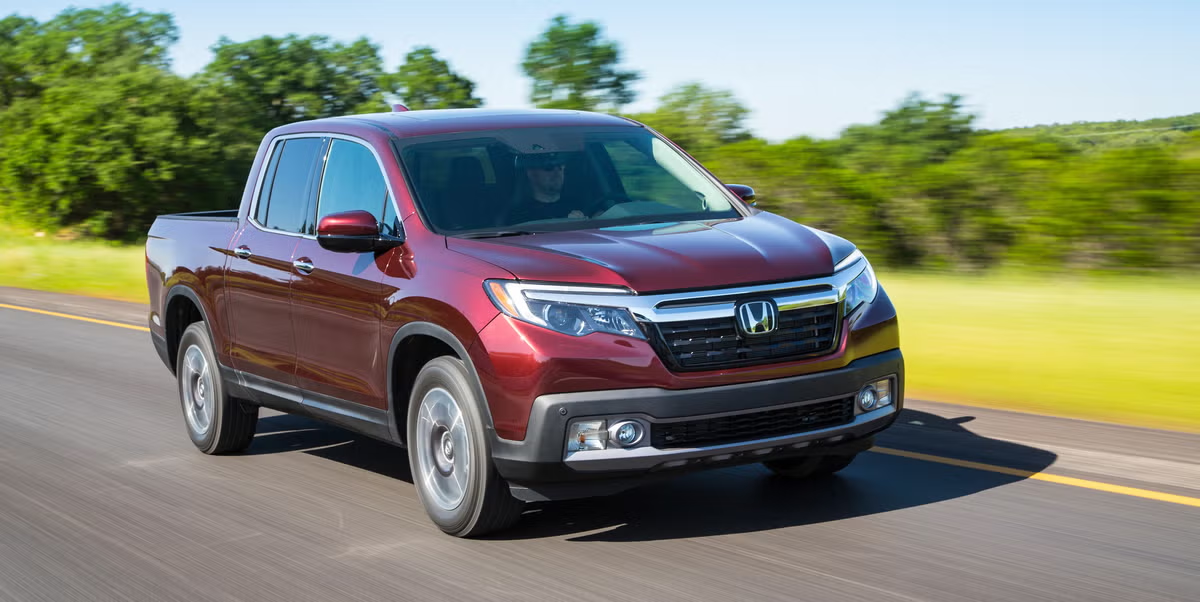
The National Highway Traffic Safety Administration (NHTSA) has launched an investigation into 1.4 million Honda and Acura vehicles for potential engine failure due to a crankshaft manufacturing defect. This follows a previous recall of nearly 250,000 vehicles for the same issue. The investigation covers models including the 2016–2020 Acura MDX, 2018–2020 Acura TLX, 2016–2020 Honda Pilot, 2017–2019 Honda Ridgeline, and 2018–2020 Honda Odyssey. NHTSA has received 173 reports of connecting rod bearing failures, with no crashes or injuries reported, but one fire and 1,450 warranty claims have been noted.
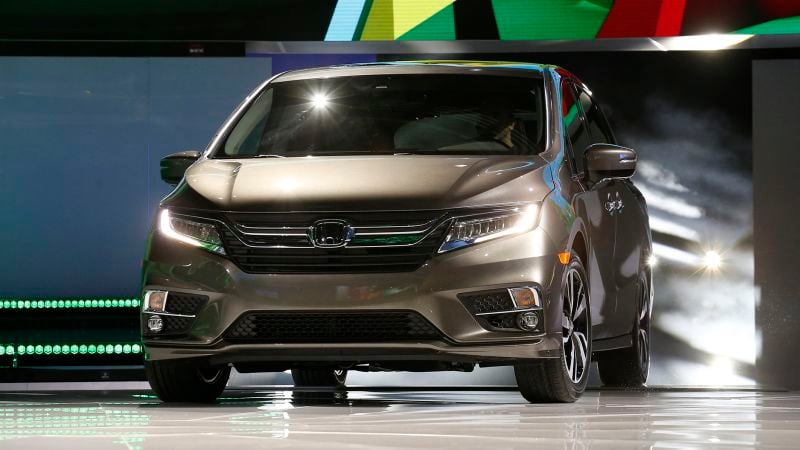
The National Highway Traffic Safety Administration (NHTSA) is investigating potential engine failures in up to 1.4 million Honda and Acura vehicles, including models like the Honda Pilot, Acura MDX, Honda Odyssey, Acura TLX, and Honda Ridgeline from various years between 2016 and 2020. The issue involves connecting rod bearings in 3.5-liter V6 engines, which can lead to complete engine failure. Despite a recall of 250,000 vehicles in November 2023, 173 complaints have been filed for vehicles not included in the recall. Honda is cooperating with the investigation.
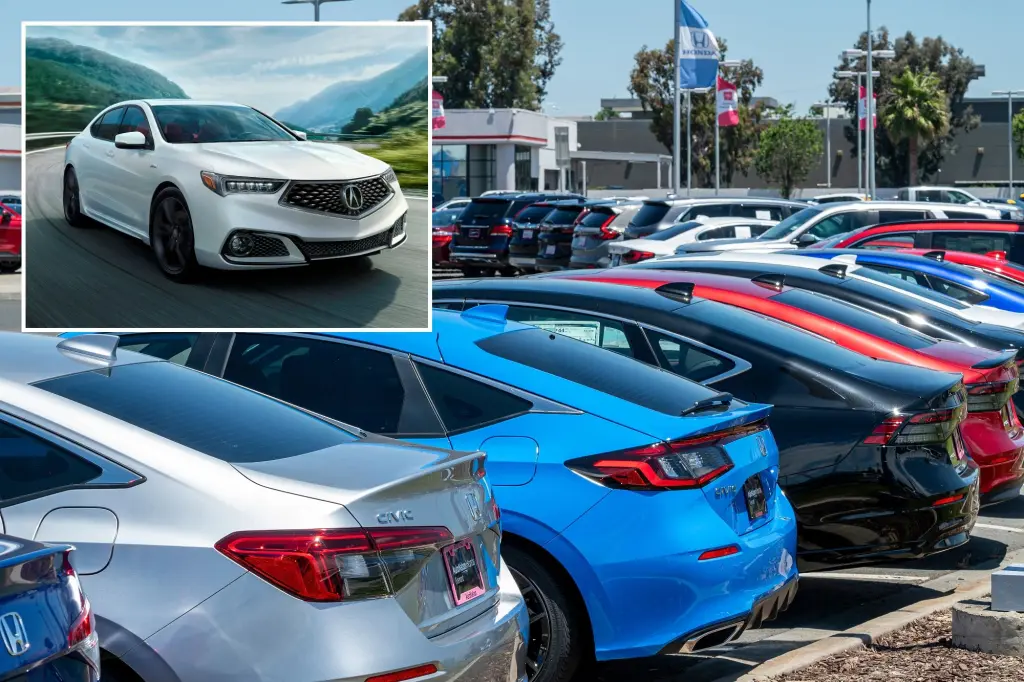
The National Highway Traffic Safety Administration is investigating engine failure complaints in up to 1.4 million Honda and Acura vehicles, including models like the Honda Pilot, Acura MDX, Honda Odyssey, Acura TLX, and Honda Ridgeline from 2016 to 2020. The issue involves connecting rod bearings in 3.5-liter V6 engines, which can lead to complete engine failure. Despite a recall of 250,000 vehicles in November 2023, 173 complaints have been filed for vehicles not included in the recall. Honda is cooperating with the investigation.
The National Highway Traffic Safety Administration (NHTSA) is investigating potential engine failures in approximately 1.4 million Honda and Acura vehicles, including models like the Honda Pilot, Acura MDX, Honda Odyssey, Acura TLX, and Honda Ridgeline from 2016 to 2020. The issue involves connecting rod bearings in 3.5-liter V6 engines, which could lead to complete engine failure. Despite a previous recall of 250,000 vehicles in 2023, 173 complaints have been filed for vehicles not included in that recall. Honda is cooperating with the investigation.
The National Highway Traffic Safety Administration (NHTSA) has launched an investigation into 1.4 million Honda and Acura vehicles due to potential engine defects involving connecting rod bearings, which could lead to engine failure. This follows a previous recall of 250,000 vehicles for similar issues, but complaints have continued from owners of vehicles not included in that recall. The investigation covers several models, including the Acura MDX and Honda Pilot, from 2016 to 2020. No crashes or injuries have been reported, and the NHTSA aims to determine the defect's severity and the need for further recalls.
The National Highway Traffic Safety Administration (NHTSA) is investigating engine failure complaints affecting up to 1.4 million Honda and Acura vehicles, including models like the Honda Pilot, Acura MDX, Honda Odyssey, Acura TLX, and Honda Ridgeline from 2016 to 2020. The issue involves connecting rod bearings in 3.5-liter V6 engines, which can lead to complete engine failure. Although Honda recalled 250,000 vehicles in 2023 for this problem, 173 complaints have been filed for vehicles not included in that recall. Honda is cooperating with the investigation.
The National Highway Traffic Safety Administration (NHTSA) is investigating potential engine failures in up to 1.4 million Honda and Acura vehicles, specifically models with 3.5-liter V6 engines from 2016 to 2020. The issue involves connecting rod bearings that can fail, leading to complete engine failure. Although Honda recalled 250,000 vehicles in November 2023 for this problem, 173 complaints have been filed for vehicles not included in the recall. Honda is cooperating with the investigation.
Toyota has recalled approximately 102,000 Toyota and Lexus vehicles from 2022-2023 due to potential engine issues caused by machining debris, which could lead to engine knocking, rough running, or loss of power, increasing crash risk. Affected models include the Toyota Tundra and Lexus LX (gas models only). Owners will be notified by late July, and a remedy is being developed.
Nearly 10 years after the recall of Takata airbags, over 6.4 million vehicles in the U.S. still have the potentially deadly devices, with 40% of these vehicles located in high-risk states. The airbags can explode with excessive force due to prolonged exposure to heat and humidity, posing a severe risk to occupants. The recall, the largest in auto safety history, has already resulted in over two dozen deaths and hundreds of injuries in the U.S.
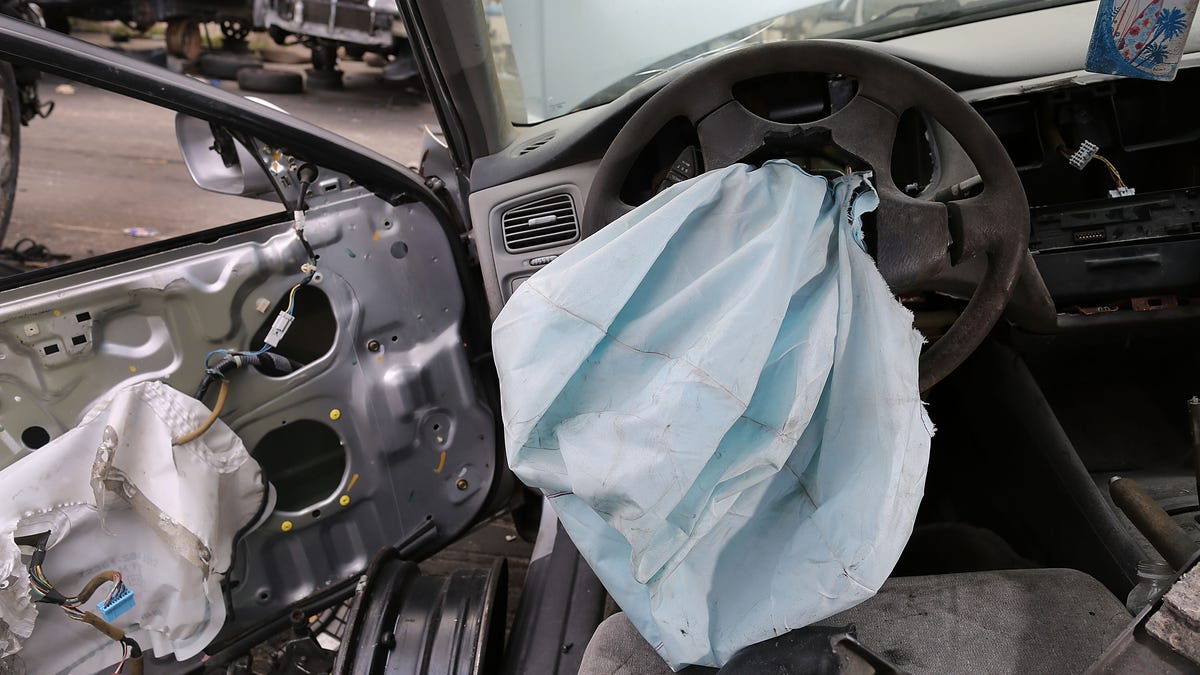
Over 6 million U.S. vehicles still have potentially dangerous Takata airbags, despite a decade-long recall. These airbags, which can explode due to long-term exposure to heat and humidity, have caused injuries and deaths. Nissan has issued a "do not drive" warning for over 80,000 older vehicles. To check if your car is affected, use your VIN on the NHTSA's recall list or contact your local dealer for a free repair.
Nissan has issued an urgent warning for owners of about 84,000 older vehicles to stop driving them due to the risk of Takata airbag inflators exploding and causing serious injury or death. This follows a fatality and multiple injuries linked to the defective airbags. The affected models include certain 2002-2006 Sentra, 2002-2004 Pathfinder, and 2002-2003 Infiniti QX4 vehicles. Nissan is offering free repairs, towing, and loaner cars to address the issue. This is part of a larger recall involving millions of vehicles worldwide due to the dangerous airbag inflators.