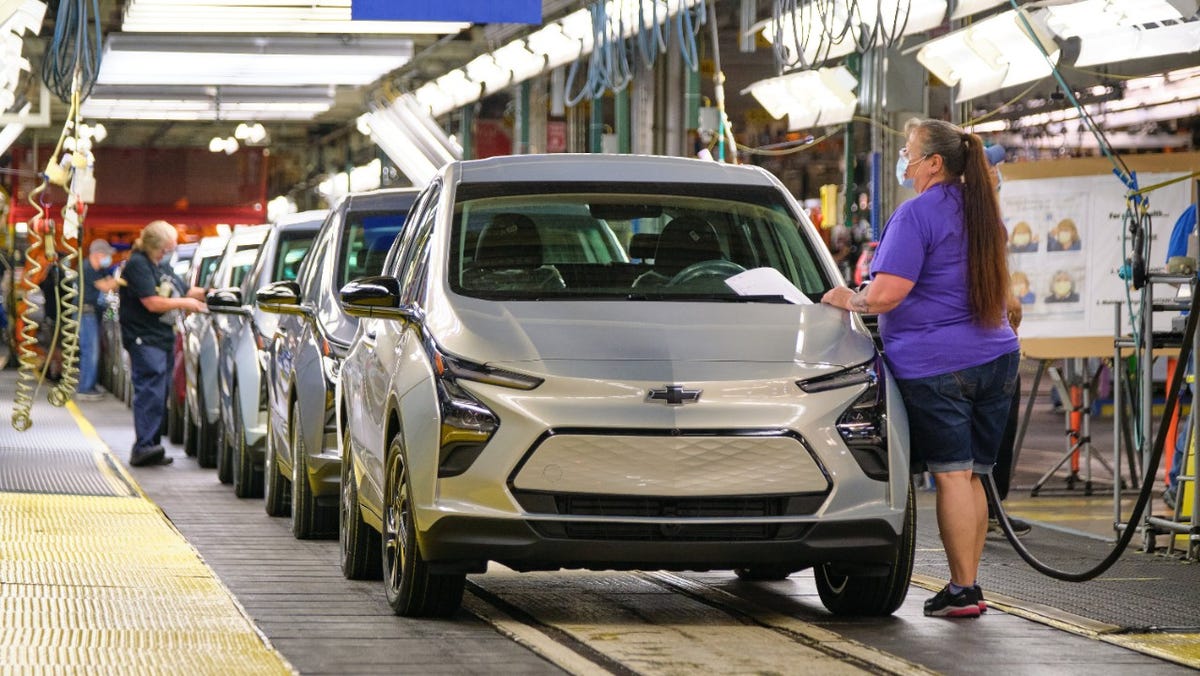
US auto plants are facing potential significant impacts on vehicle production within two to four weeks due to a conflict with China over chipmaker Nexperia, which supplies critical older-technology chips. Major automakers like Ford, GM, and Stellantis are working to mitigate disruptions as China blocks exports of Nexperia chips in response to geopolitical tensions, risking industry-wide production delays.
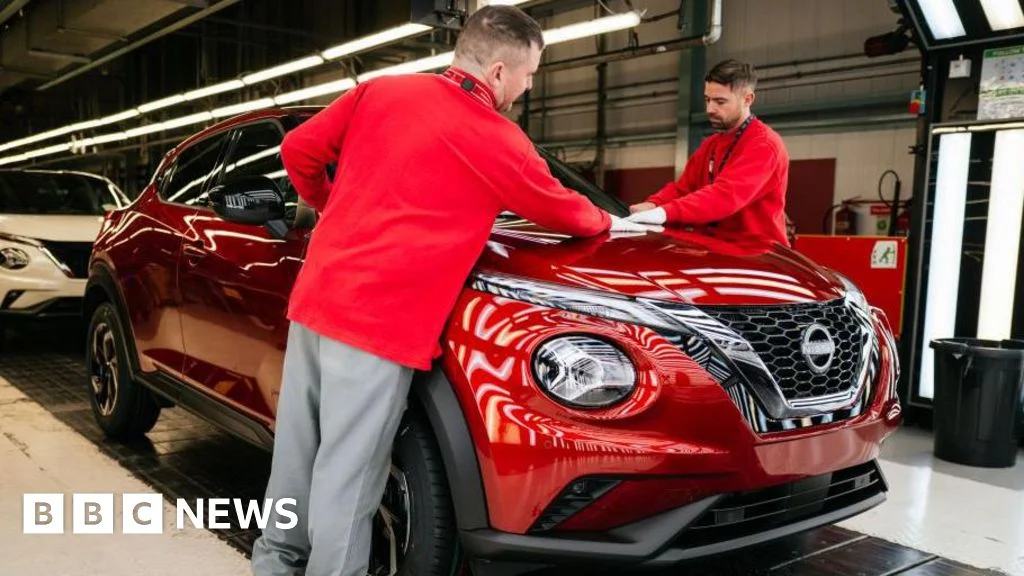
British vehicle manufacturing in the first half of 2023 hit its lowest level since 1953, excluding Covid shutdowns, due to tariff uncertainties and plant closures, though recent US-UK tariff reductions and government EV grants aim to boost the industry, which faces challenges in reaching future production targets.
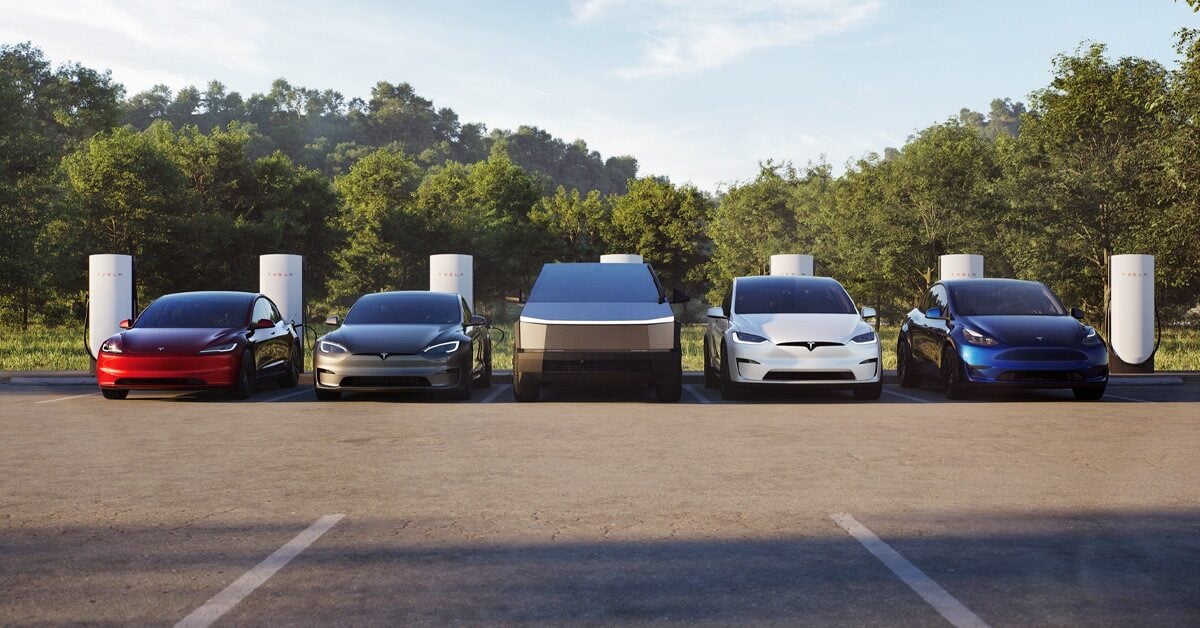
Tesla produced over 433,000 vehicles and delivered approximately 387,000 vehicles in the first quarter of 2024, with a record deployment of 4,053 MWh of energy storage products. The company attributes the decline in volumes to production ramp challenges and factory shutdowns. Tesla will release its financial results for Q1 2024 on April 23, 2024, followed by a live webcast to discuss the results and outlook. The company emphasizes that vehicle deliveries and storage deployments are not indicative of quarterly financial results, which depend on various factors to be disclosed in the 10-Q report.
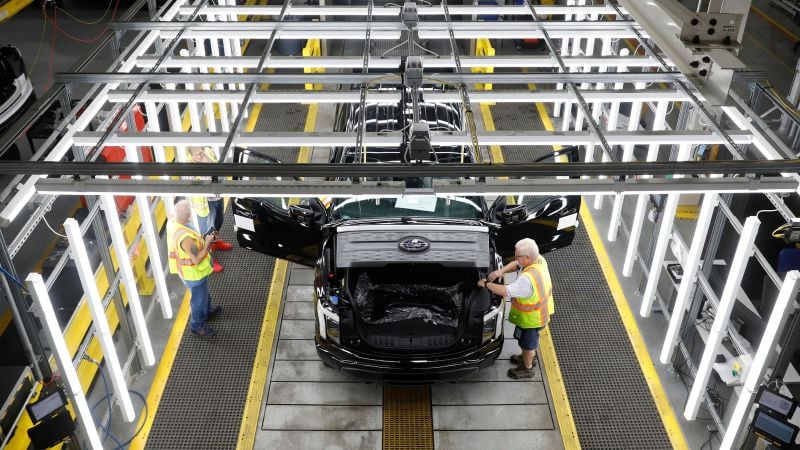
Ford has halted shipments of its all-electric F-150 Lightning pickups since February 9 for quality inspections, with a spokesperson citing this as a routine part of the manufacturing process for new model years. The F-150 Lightning is one of two all-electric vehicles Ford offers in the US, with the company also revealing a team of engineers working on future electric vehicle engineering.
General Motors is set to lay off a total of 1,314 employees at two factories in Michigan as it ends production of vehicles. The layoffs will affect the Orion Assembly plant, cutting 945 jobs, and the Lansing Grand River Assembly/Stamping plant, cutting 369 jobs. These cuts are related to GM's decision to delay production of two all-electric pickups and the end of production of the Camaro muscle car. Additionally, GM's self-driving vehicle unit, Cruise, announced layoffs impacting nearly one in four employees amid an ongoing safety investigation into its robotaxis.
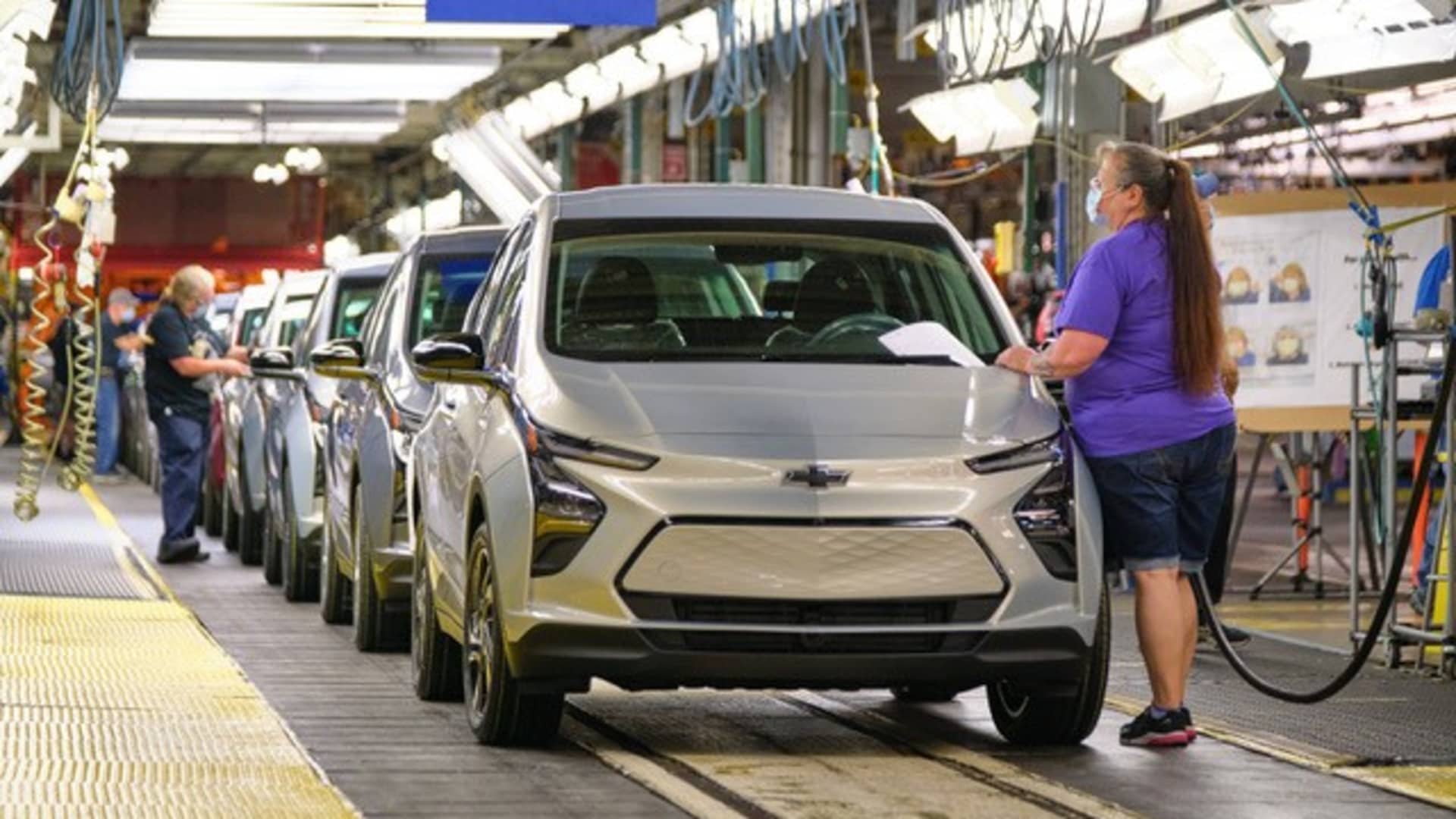
General Motors plans to lay off approximately 1,300 workers in Michigan starting early next year as vehicles they produce, including Chevrolet Bolt models and Chevrolet Camaro, end production. The layoffs will occur at the Orion Assembly plant and Lansing Grand River Assembly/Stamping plant. GM intends to retool the Orion plant to build electric trucks, with production expected to resume in late 2025. The affected workers will have job opportunities as per the provisions of the UAW-GM National Agreement.
General Motors (GM) will lay off a total of 1,314 employees at two factories in Michigan as it ends production of vehicles. The layoffs include 945 jobs at the Orion Assembly plant, which is being idled due to the delay in production of two all-electric pickups. Additionally, 369 jobs will be cut at the Lansing Grand River Assembly/Stamping plant as GM ends production of the Camaro muscle car. The affected employees will be offered jobs elsewhere in the company.
Tesla's shares dipped about 5% after hours as the company's earnings call disappointed investors. While Tesla reported record quarterly revenue, lower margins due to price cuts and incentives raised concerns. CEO Elon Musk and other executives failed to provide precise specifications and start of delivery dates for the Cybertruck and a robotaxi-ready vehicle, causing the stock price to drop. Musk also mentioned that vehicle production would slow down in Q3 for factory improvements. Despite beating revenue and earnings expectations, Tesla's operating income was down 3% from the previous year. The company attributed lower margins to reduced average sales prices and the cost of ramping up production of in-house battery cells.