Tag

Vacancy Rates

All articles tagged with #vacancy rates

business2 years ago

"Empty Office Space Plagues Texas Cities, Posing Challenges"

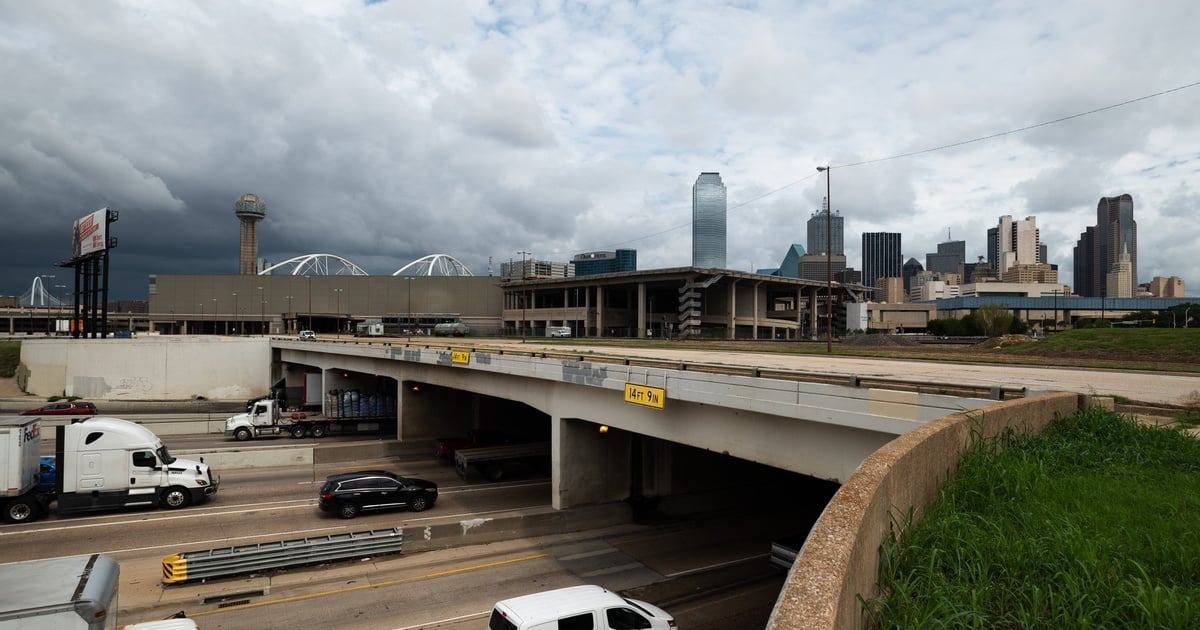
Despite Texas' strong economy and workers returning to the office, major cities like Austin, Dallas-Fort Worth, and Houston are grappling with high office vacancy rates ranging from 21% to 25%. The excess office space could hinder the post-pandemic recovery of downtown areas that rely on office workers to support local businesses. While some analysts believe a crash is not imminent, concerns about "shadow vacancies" persist, as employees are not returning to the office as frequently as before. The rise of remote work and a trend towards "flight to quality" have contributed to the high vacancy rates. The glut of empty office space poses challenges for building owners, who have limited options to turn things around.
real-estate2 years ago

Unveiling the True Price of NYC Office Space

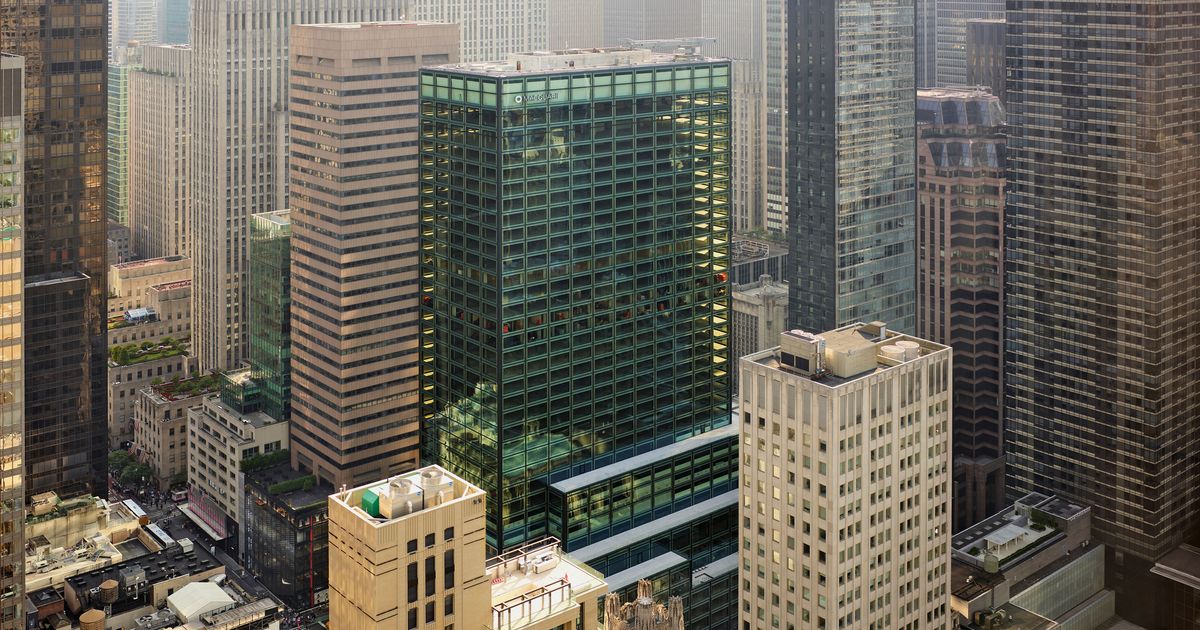
The pandemic has left Manhattan's office buildings facing a crisis as corporate tenants downsize or opt not to renew leases, resulting in a record-high office vacancy rate of around 22%. Scott Rechler, a major office landlord in the city, is reassessing the value of his buildings and categorizing them as either "digital" (worth saving) or "film" (not worth keeping). Rechler warns of a potential slow-moving train wreck in the commercial real estate market, which could lead to the collapse of banks and have a detrimental impact on the city's economy. He is advocating for action from regulators and policymakers to prevent a crisis and believes that new opportunities will arise for his business and the city in the aftermath.

business2 years ago

Westfield joins retail exodus, abandons San Francisco mall.

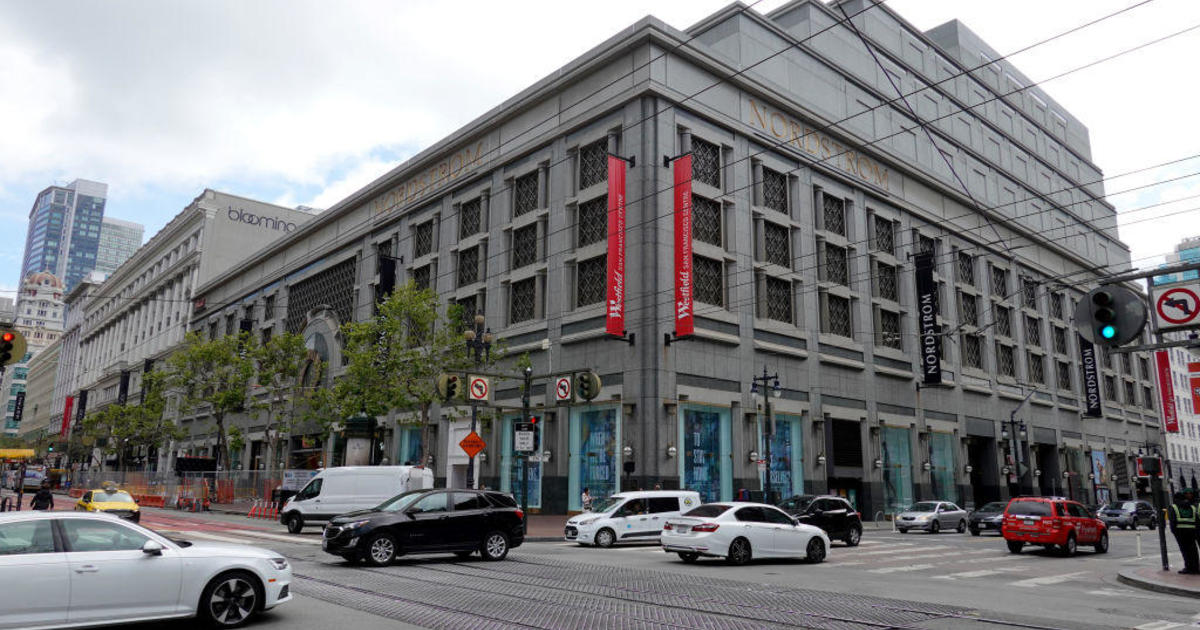
Major mall operator Westfield has relinquished control of its San Francisco shopping center to its lenders due to declining sales, occupancy, and foot traffic, as well as rising crime. The Westfield San Francisco Centre is San Francisco's largest mall, but in recent months it has witnessed an exodus of retail tenants, including its largest, Nordstrom. The mall's occupancy currently sits at just 55%. Westfield's parent company stopped paying its $558 million outstanding mortgage, and it will transfer the property's management to a receiver.

real-estate2 years ago

The Troubling Outlook for Commercial Real Estate and Lenders.

Life insurance companies are turning away from office building owners as tens of billions of dollars in office loans come due this year. Many insurers have slowed or stopped making office loans due to rising vacancy rates and falling rents, reflecting the growing popularity of remote work and return-to-office rates that are still around half the levels workplaces enjoyed prepandemic. This is interrupting the sector's decadelong expansion into commercial property lending.

business2 years ago

The Uncertain Future of Commercial Real Estate

Concerns have been raised that developers might default on a big chunk of $3.1tn of US commercial real estate loans, with almost a quarter of mortgages on office buildings needing to be refinanced in 2023. However, experts believe that lending issues in commercial real estate will be contained, as most debt coming due in the next two years looks like it can be refinanced. The commercial real estate market is a bigger issue than a few banks which mismanaged risk in bond portfolios, and the deterioration in conditions for Class B office space will have wide-reaching economic impacts, including the tax base of municipalities across the country where empty offices remain a significant source of concern.

business2 years ago

Commercial Real Estate Faces Uncertain Future Amid Banking Fiasco and Office Market Shifts.

Morgan Stanley analysts predict a peak-to-trough commercial real estate (CRE) price decline of up to 40%, worse than in the Great Financial Crisis, due to rising vacancy rates and falling property values caused by remote work. More than 50% of the $2.9tn in commercial mortgages will need to be renegotiated in the next 24 months when new lending rates are likely to be up by 350 to 450 basis points. Tighter lending standards for the CRE market are now likely, increasing the risk of defaults, distress, and delinquencies, as the industry is largely built on debt.