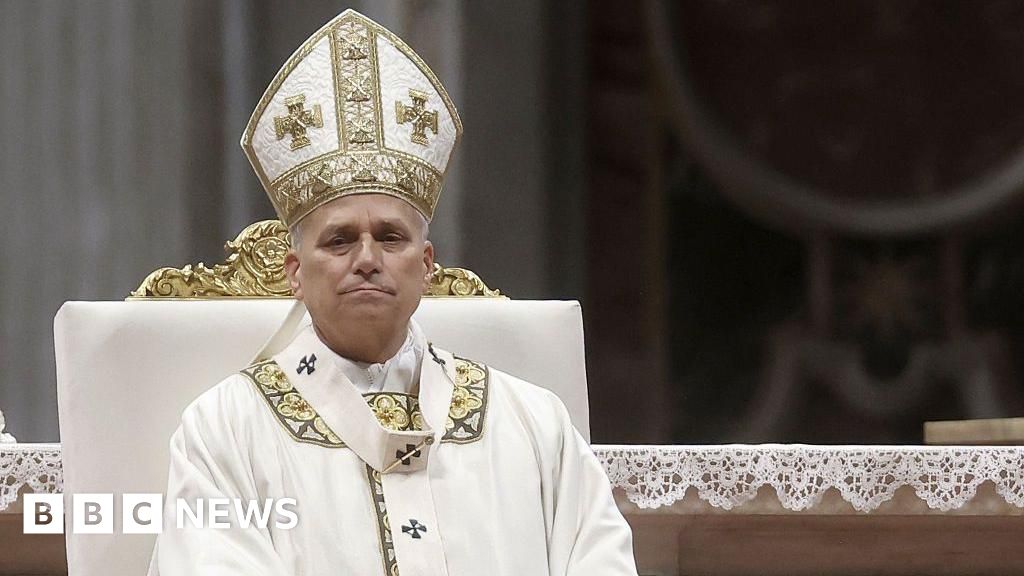
The article discusses tensions between Pope Leo XIV and the US government, particularly over immigration policies, highlighting the Church's criticism of deportations and the political divide among American Catholics regarding immigration issues.
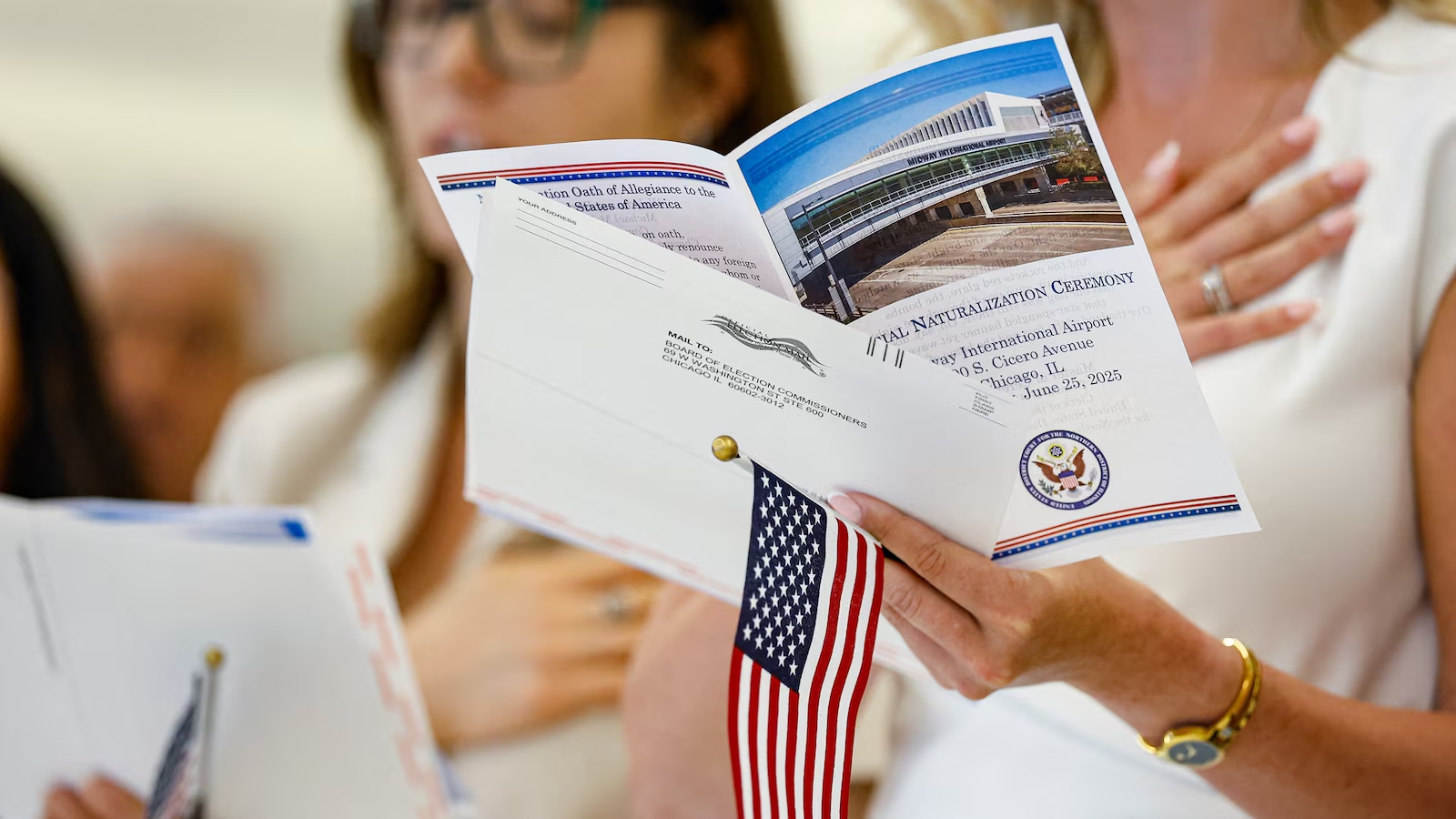
Several immigrants in the US have had their citizenship ceremonies canceled at the last minute due to the Trump administration's pause on immigration decisions for high-risk countries, leading to frustration and legal challenges from advocates who see it as xenophobic and unjust.
The Trump administration has set the lowest refugee admission cap at 7,500 since 1980, primarily focusing on admitting Afrikaners from South Africa and other victims of discrimination, while significantly restricting overall refugee resettlement, drawing criticism from advocacy groups and impacting refugees already approved for entry.
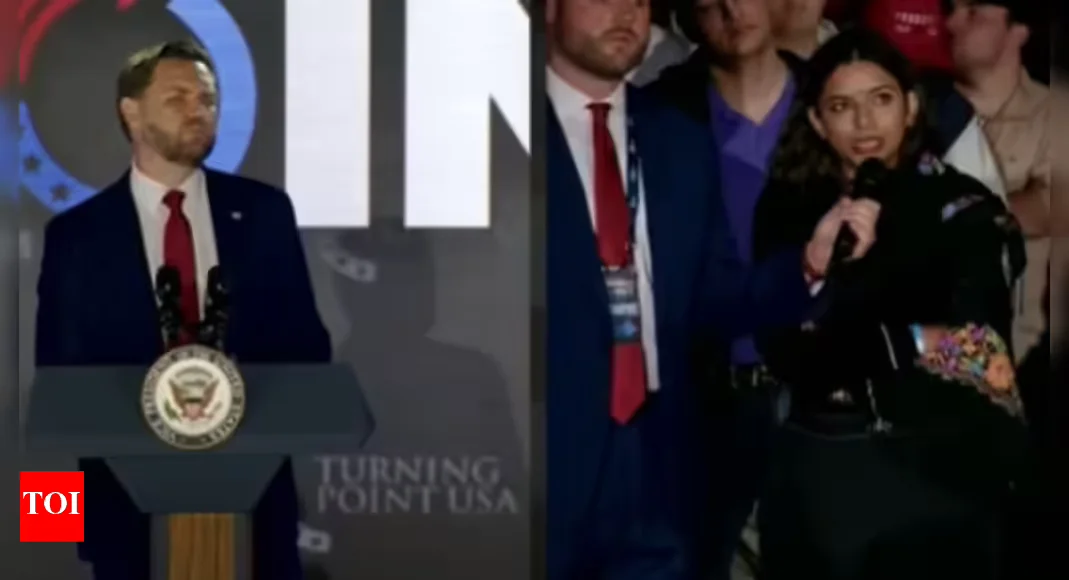
An Indian-origin student at a Turning Point USA event challenged JD Vance on US immigration policies, questioning the fairness of the system and expressing frustration over the treatment of lawful immigrants, which sparked social media praise and criticism from MAGA supporters.
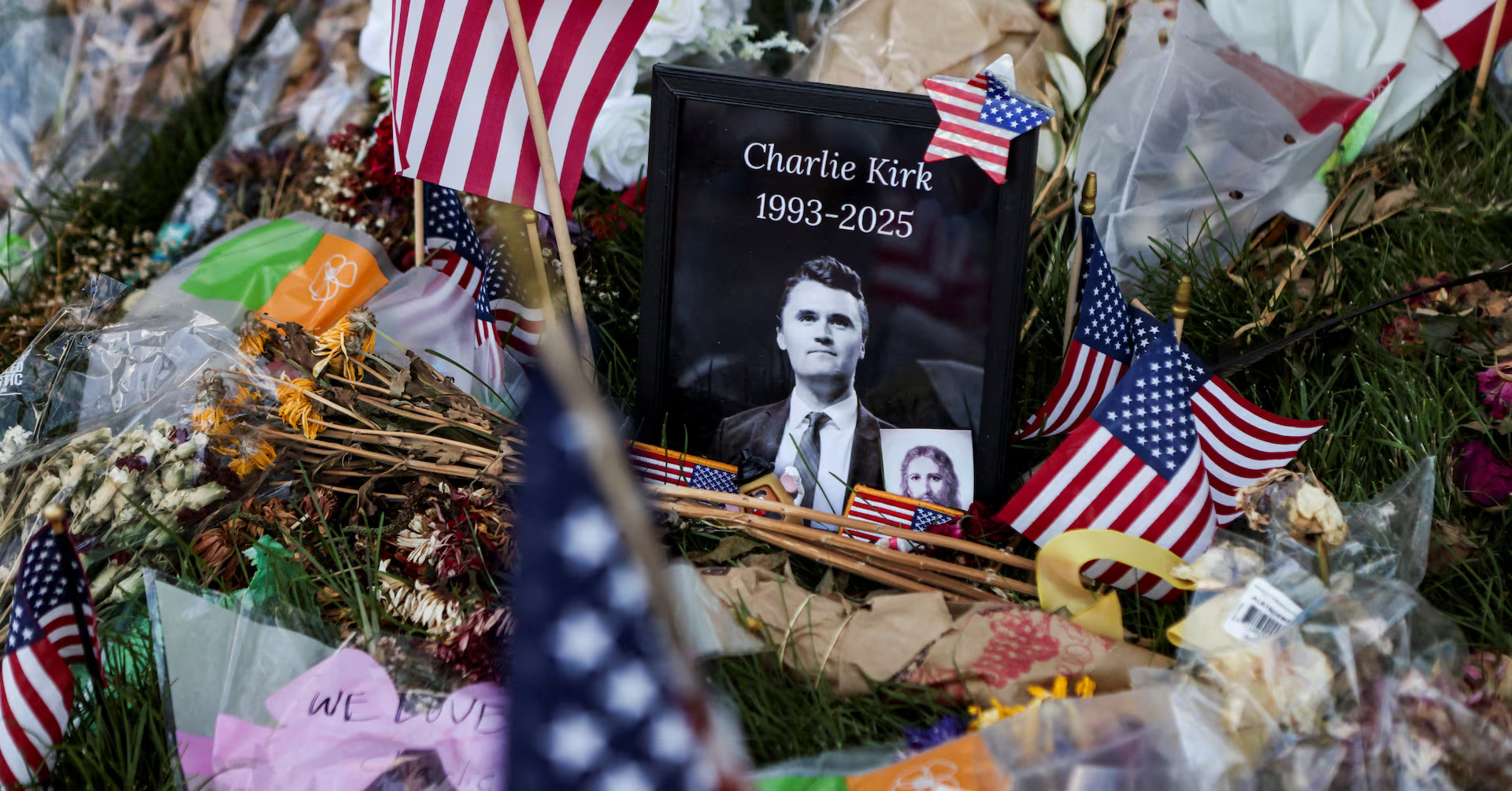
The US revoked visas for six foreigners from various countries due to social media comments praising or celebrating the assassination of conservative activist Charlie Kirk, amid ongoing US efforts to monitor and control online speech related to national security.
Pope Leo expressed support for Catholic leaders in the U.S. to actively defend immigrants' rights and criticized the Trump administration's deportation efforts, aligning with Pope Francis's stance on humane treatment of migrants.
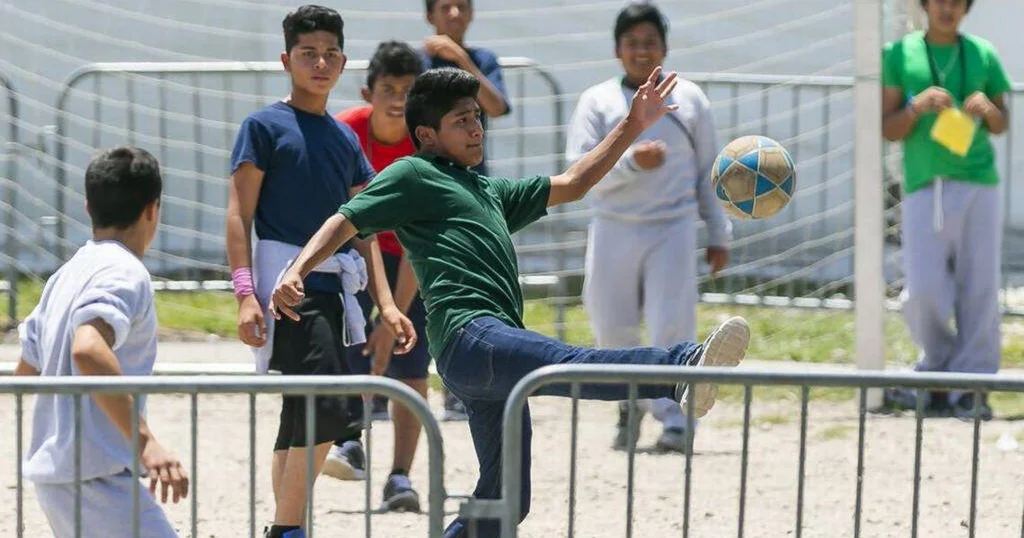
The U.S. government plans to offer a $2,500 stipend to unaccompanied migrant teenagers who choose to voluntarily return to their home countries, as part of efforts to encourage self-deportation amidst stricter immigration policies under the Trump administration.
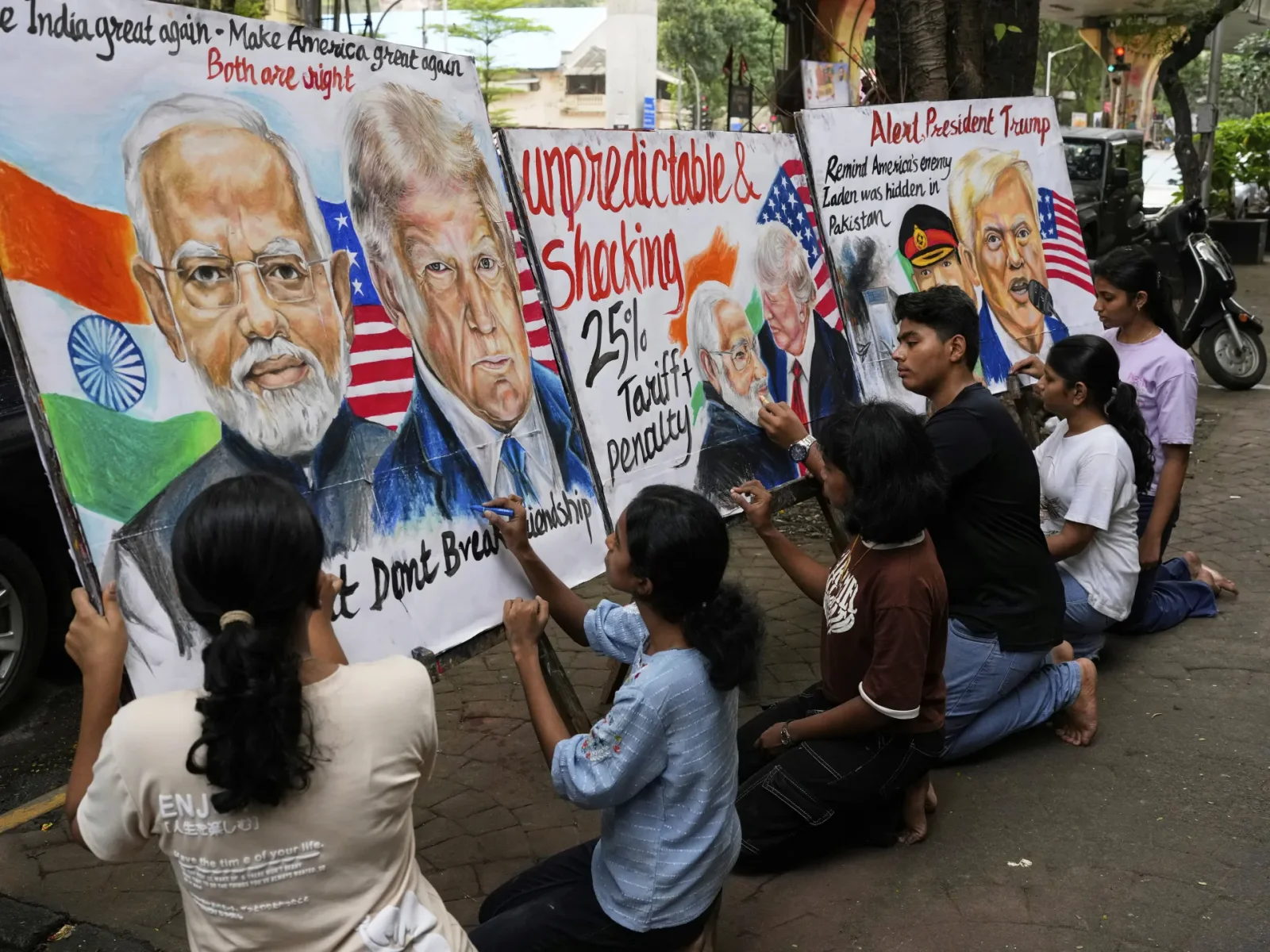
The US's recent fee hike and policy changes for H-1B visas, under the Trump administration, are significantly impacting Indian professionals and companies, leading to fears of reduced opportunities for skilled Indian workers in the US and prompting a reconsideration of migration and employment strategies among Indian tech talent.
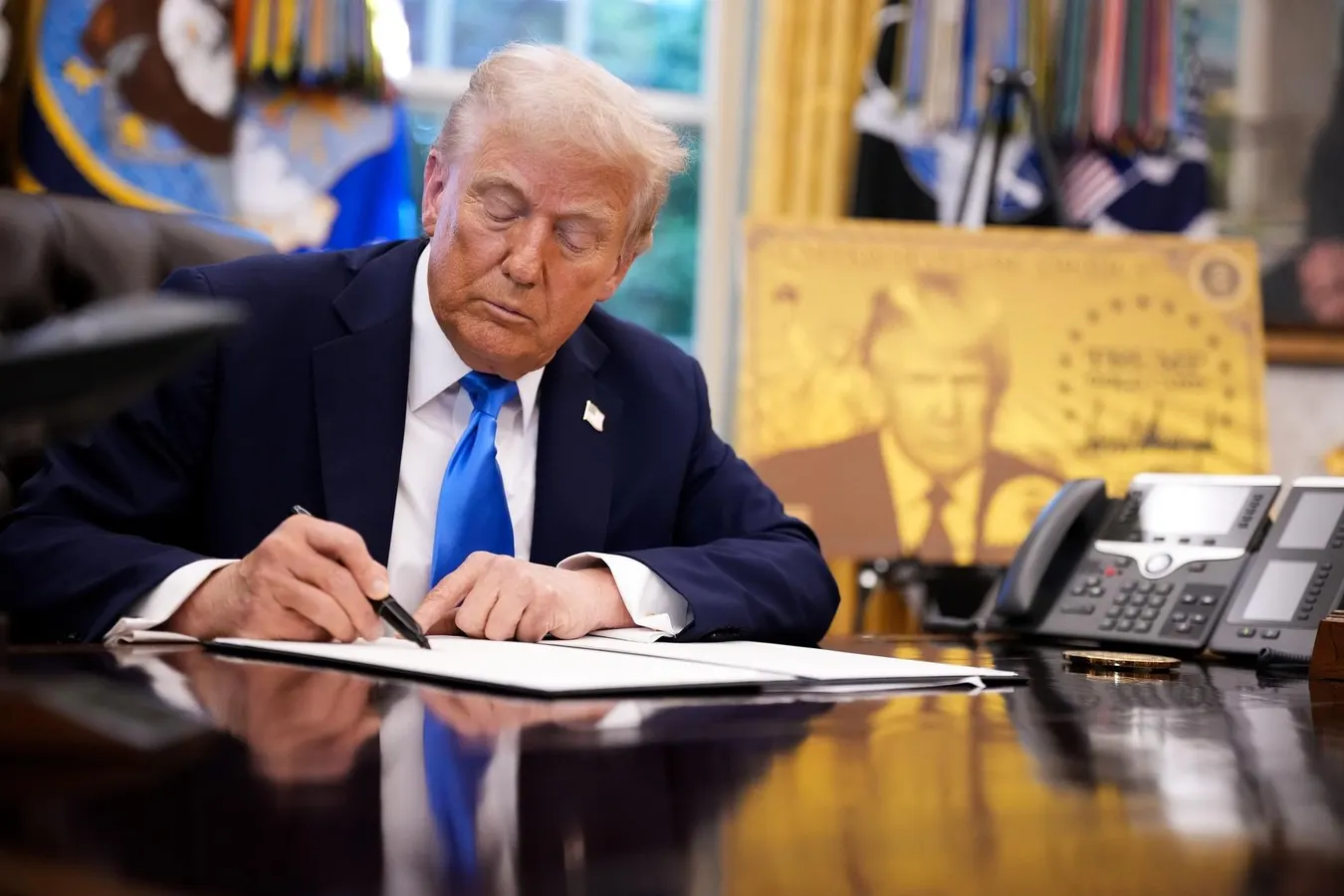
President Trump signed an executive order imposing a $100,000 fee for H-1B visa applications, which could deter US hiring of foreign AI talent and benefit European startups by making the US less attractive for skilled workers, especially resource-strapped startups. The move is part of broader immigration policy changes amid fierce AI talent competition, potentially shifting talent pools and impacting US tech industry growth.
The recent increase in H-1B visa fees by the U.S. is likely to encourage American tech companies to relocate or expand their operations in Canada, which has a more stable and welcoming immigration environment for high-skilled workers, potentially boosting Canada's tech sector and talent pool at the expense of U.S. cities.
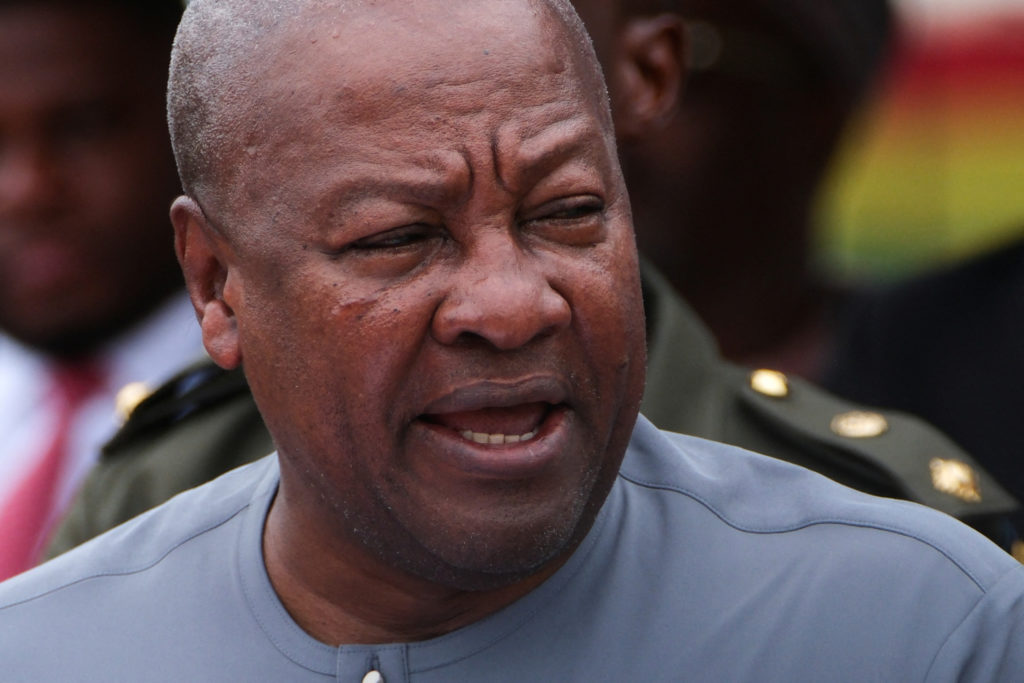
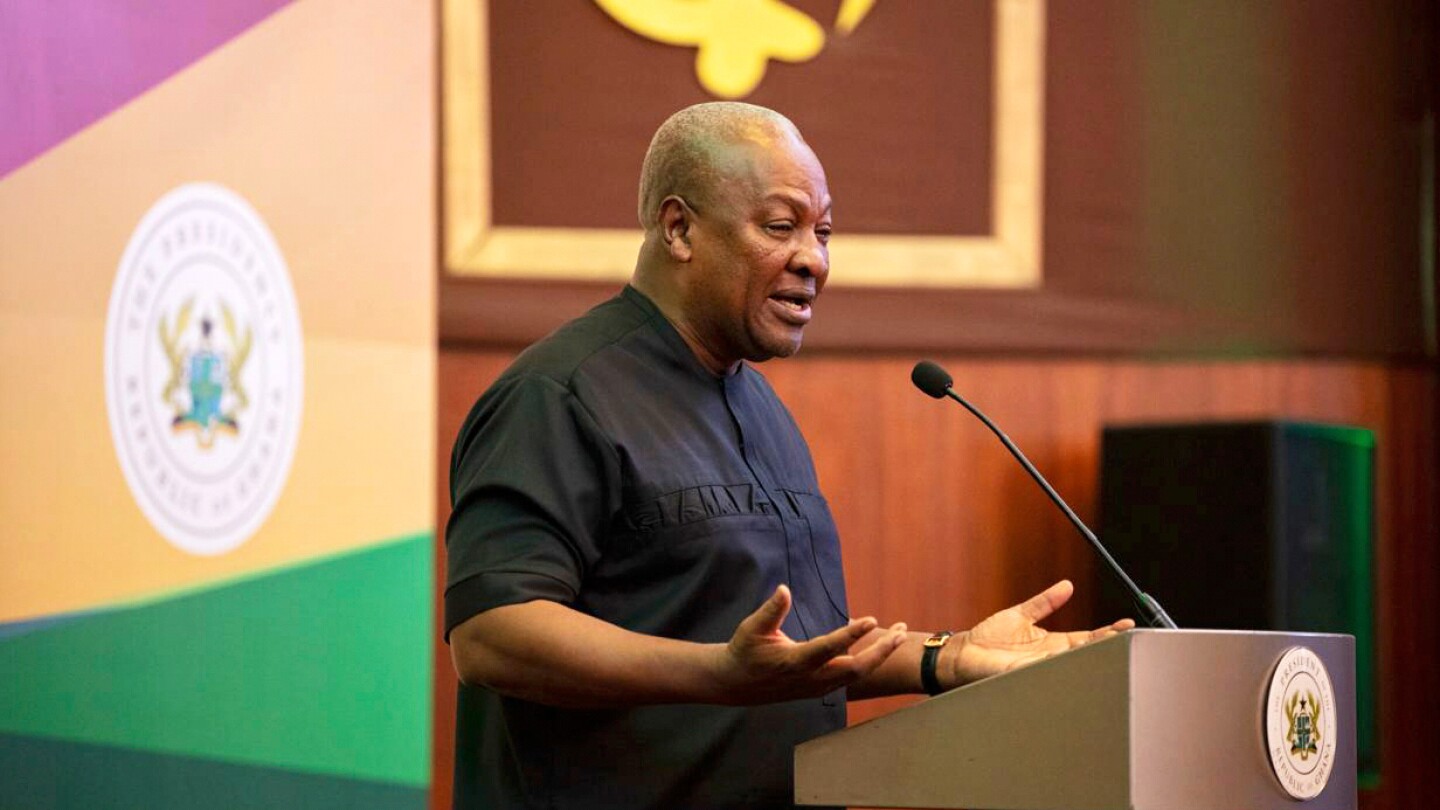
A group of 14 West Africans deported from the U.S. to Ghana have been sent home, despite legal protections against deportation due to risks of persecution or torture, sparking lawsuits and criticism over the legality and ethics of the deportations, which are part of broader U.S. efforts to send migrants to third countries.
Ghana has confirmed the deportation of 14 West Africans from the US to their home countries, amid legal challenges and accusations that the US is circumventing immigration laws by using third countries like Ghana for deportations, which some argue puts the deportees at risk of persecution or torture.
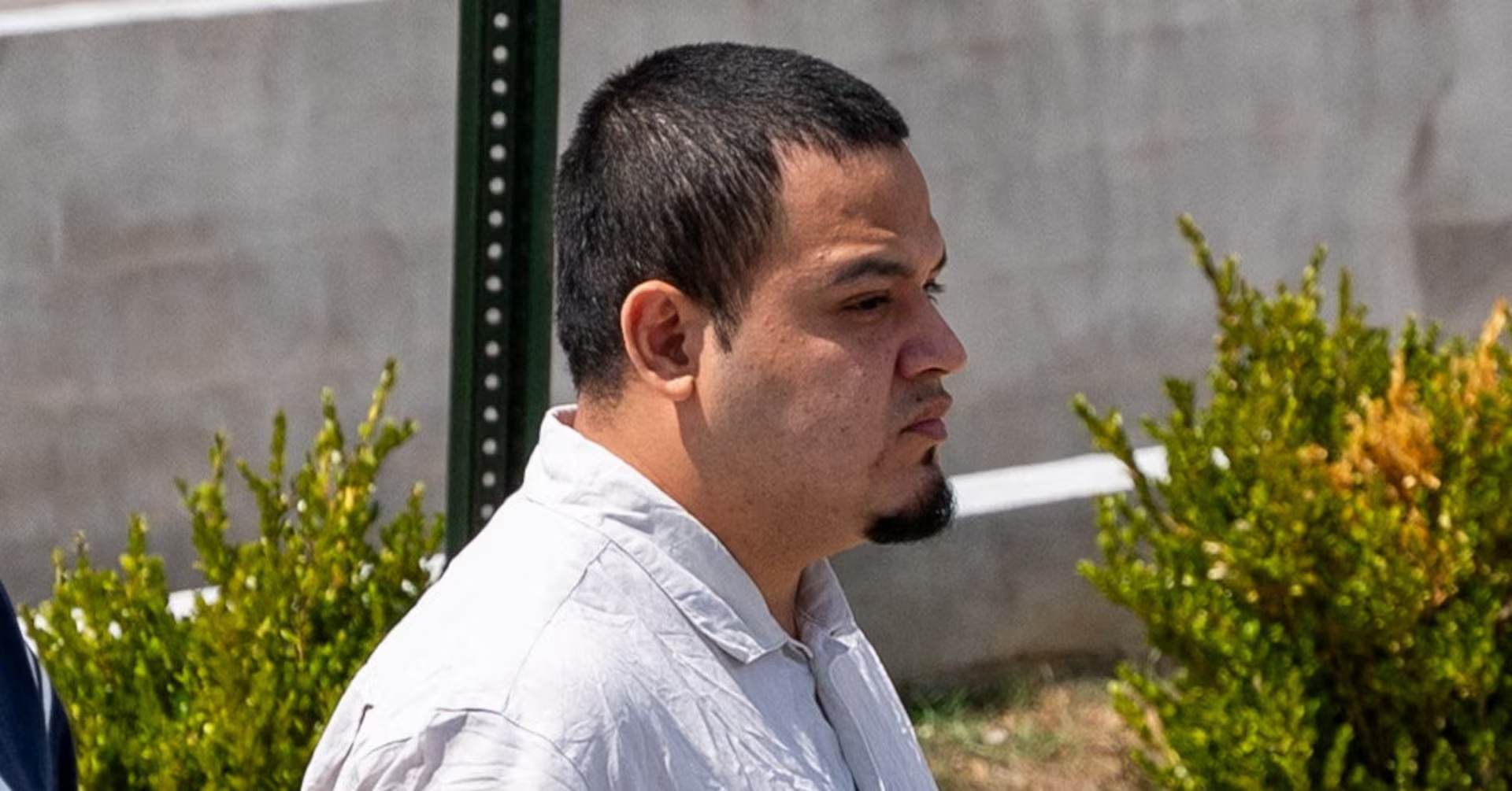
Kilmar Abrego Garcia, who has lived in Maryland for over a decade and has no criminal record, faces imminent deportation to Uganda after being erroneously deported to El Salvador and subjected to harsh treatment. His case highlights issues with U.S. immigration enforcement, including wrongful deportation, legal battles, and public support, with courts intervening to prevent his deportation while his case is ongoing.
Kilmar Abrego Garcia, wrongly deported to El Salvador despite a court ruling against it, was released from custody in Tennessee and is now in Maryland, where immigration officials may attempt to deport him to Uganda, sparking legal and political controversy over his case and U.S. immigration policies.
The Trump administration has issued new guidelines for USCIS to scrutinize applicants for US immigration benefits, focusing on identifying 'anti-American' views and activities, including social media content and ties to extremist groups, which could lead to application denials. This move expands the criteria for vetting and aims to prevent individuals with anti-American sentiments from obtaining legal immigration status.