

Tag

Urbandevelopment

All articles tagged with #urbandevelopment

health1 year ago

Unveiling the Rise of a Modern American Health Crisis

The rapid urban development and climate change in St. George, Utah, are contributing to a rise in Valley fever, a fungal infection caused by inhaling spores from disturbed soil. The construction boom, coupled with increasing drought and dust storms, is exacerbating the spread of this often misdiagnosed disease. Residents and workers in the area are at heightened risk, with many experiencing severe symptoms before receiving a correct diagnosis. The situation highlights the broader impact of environmental changes on public health and the need for updated risk assessments and preventive measures.

business-and-economy2 years ago

"Egypt's New Capital Gears Up for Growth as Population Begins to Emerge"

Egypt is set to expand its new capital city, located 45 km east of Cairo, with plans to double its size to accommodate a growing population. The project, overseen by the Administrative Capital for Urban Development (ACUD), has already seen government employees move into the first phase of the city, which includes a 70-storey tower and significant cultural landmarks. Despite concerns over resource diversion and debt, the expansion will continue with the second phase expected to run until 2027. ACUD, partly owned by the military, aims to raise funds by floating a stake in the stock market by the end of 2024. The project is a key part of President Abdel Fattah al-Sisi's vision for economic development and aims to alleviate congestion in Cairo.

urban-planning-transportation2 years ago

"American Metropolises Eliminate Mandatory Parking Requirements"

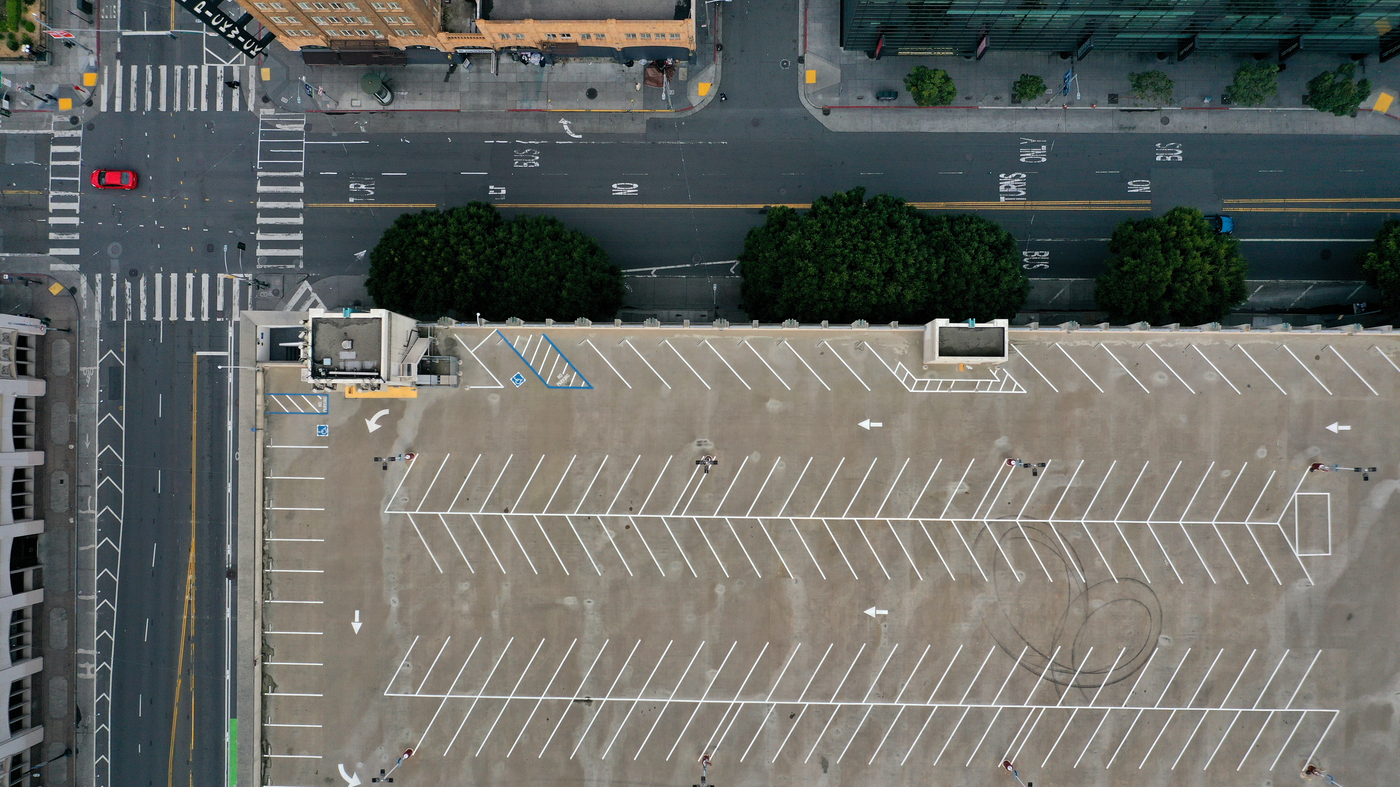
Austin, Texas, has become the largest U.S. city to eliminate off-street parking minimums, a move aimed at reducing reliance on cars, improving housing affordability, and encouraging alternative transportation. This trend is gaining momentum across the country, with over 50 cities, including Anchorage and San Francisco, having already ditched these requirements. Critics argue that without adequate public transit, this could drive businesses and the middle class to the suburbs, but supporters believe it will lead to better land use and more walkable neighborhoods. The change allows the market to determine the need for parking, potentially reducing the cost of housing and fostering urban environments that prioritize human interaction over car storage.