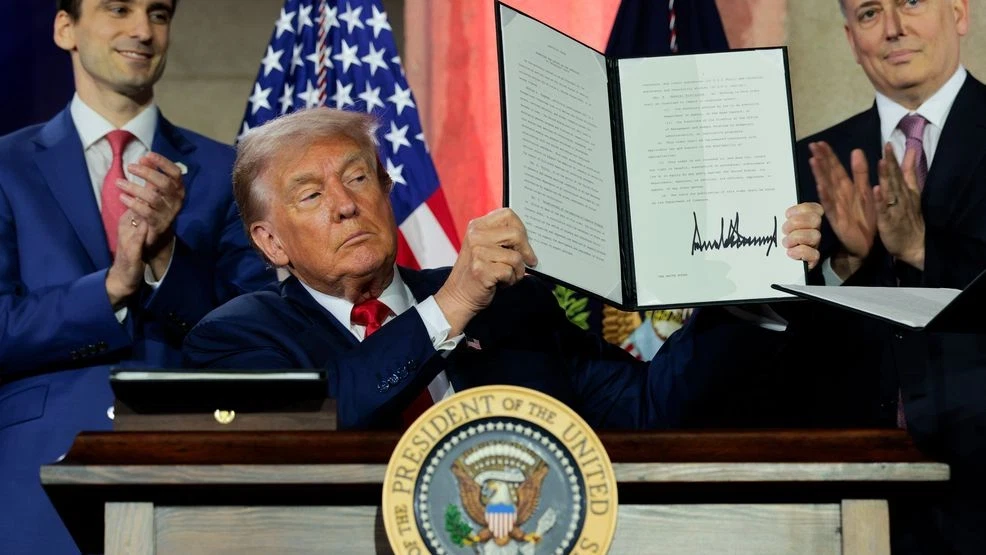
President Donald Trump signed an executive order aimed at making it easier for cities to remove homeless individuals from streets, with a focus on mental health and addiction treatment, while also restricting funding for drug injection sites and enforcing stricter urban camping and loitering laws.
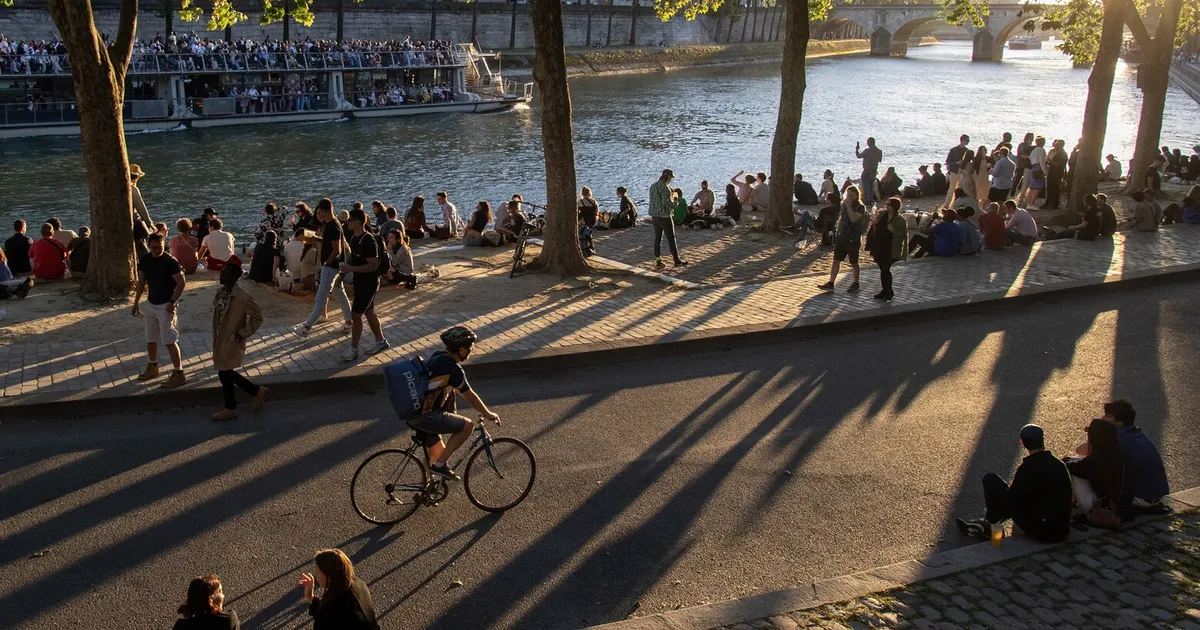
The death of cyclist Paul Varry in Paris, suspected to be a deliberate act of road rage, has intensified the debate over Mayor Anne Hidalgo's aggressive anti-car policies aimed at transforming Paris into a cycling-friendly city. While cycling advocates demand more protection, motorists express frustration over restrictions that limit car movement and parking. The incident has sparked widespread protests and discussions about road safety, highlighting the challenges of balancing urban mobility and environmental goals.
Parisians voted to triple parking fees for out-of-town SUVs in the city center, aiming to reduce congestion, pollution, and traffic accidents. The measure, supported by over 54% of voters, will come into effect from September 1, with fees reaching 18 euros per hour for the first two hours and escalating to 225 euros for a six-hour stay. Mayor Anne Hidalgo's initiative is part of a broader effort to make Paris greener and more pedestrian-friendly, ahead of the upcoming Olympic Games.
Parisians have voted to increase parking fees for SUVs in a move seen as a backlash against the popularity of large cars in the city. The decision reflects a growing trend in urban areas to discourage the use of SUVs due to their environmental impact and contribution to congestion. This move aligns with efforts to promote sustainable urban planning and reduce carbon emissions in major cities.
Wealthy residents in cities around the world, including Cape Town, use 12 times more water than those with lower incomes, with most of the water going towards nonessential needs such as swimming pools and irrigation, according to a new study published in the journal Nature Sustainability. The study found that socioeconomic disparity is just as influential as climate change and population growth in explaining why water supplies in many cities are shrinking. The researchers hope the study will prompt policymakers to rethink urban policy and implement targeted solutions and trade-offs to address water shortages.