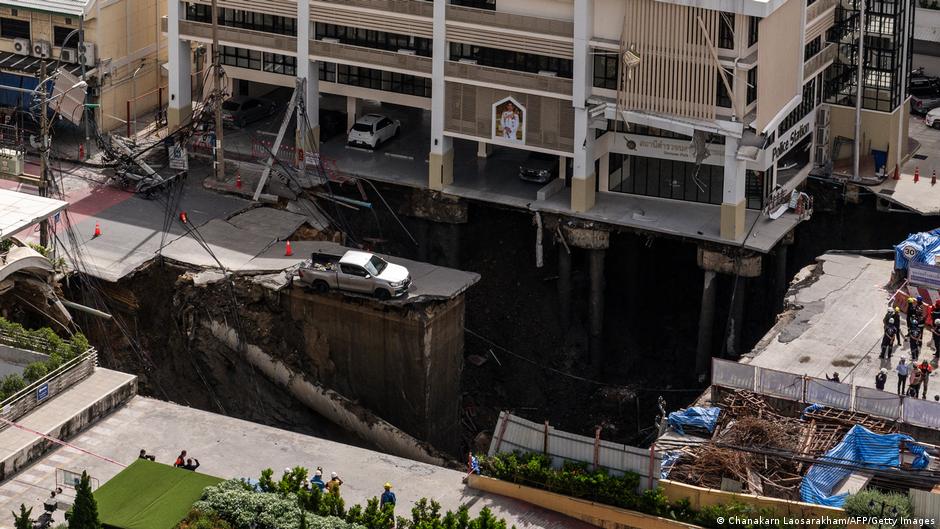
Authorities in Bangkok are responding to a large sinkhole that collapsed a busy road near hospitals and a police station, likely caused by heavy rain eroding underground water pipes and dirt from underground train construction, with no injuries reported.
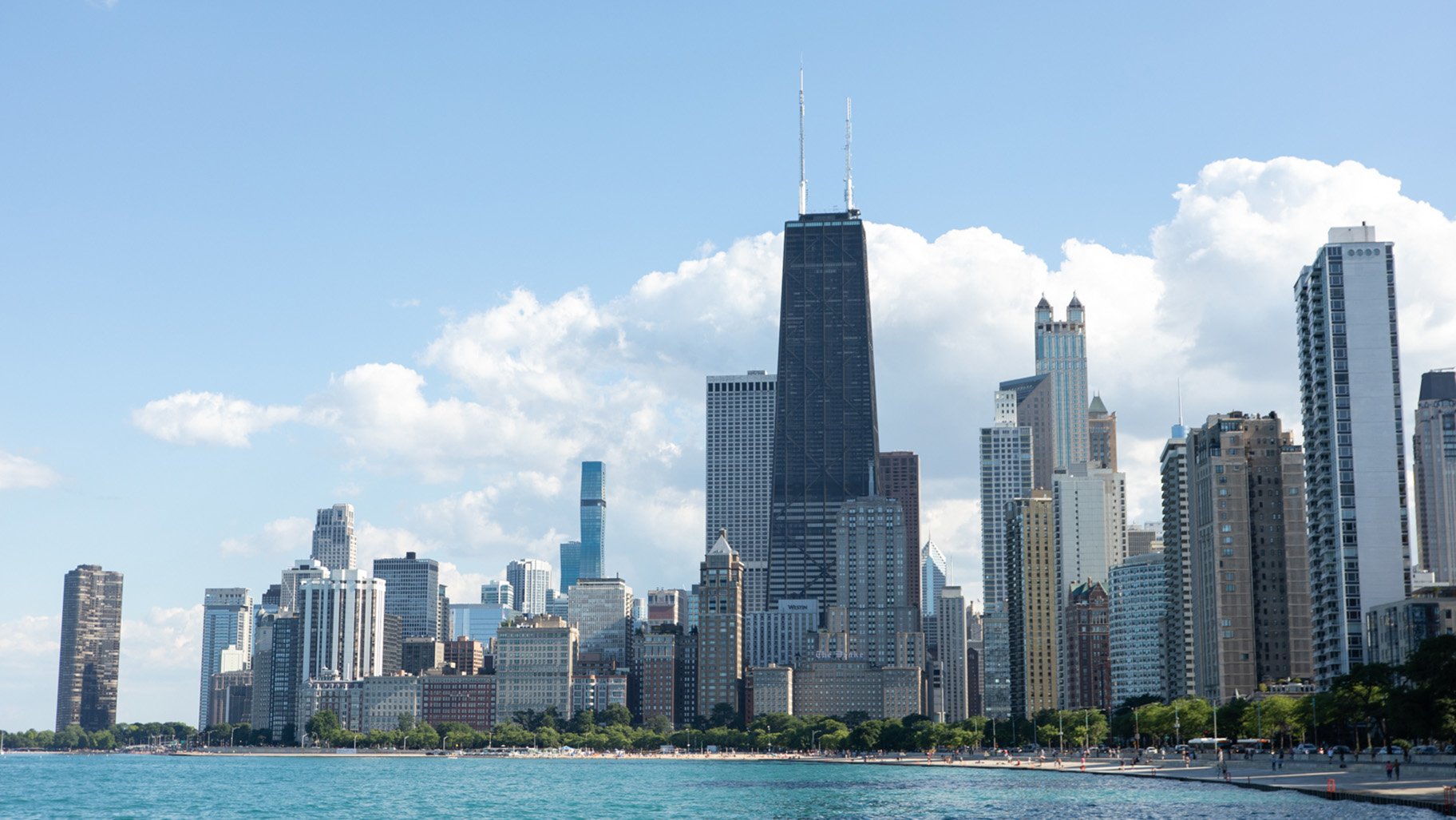
A study reveals that Chicago is slowly sinking due to land subsidence caused by natural glacial adjustments and human groundwater extraction, with potential long-term risks to infrastructure, and suggests managed aquifer recharge as a mitigation strategy.
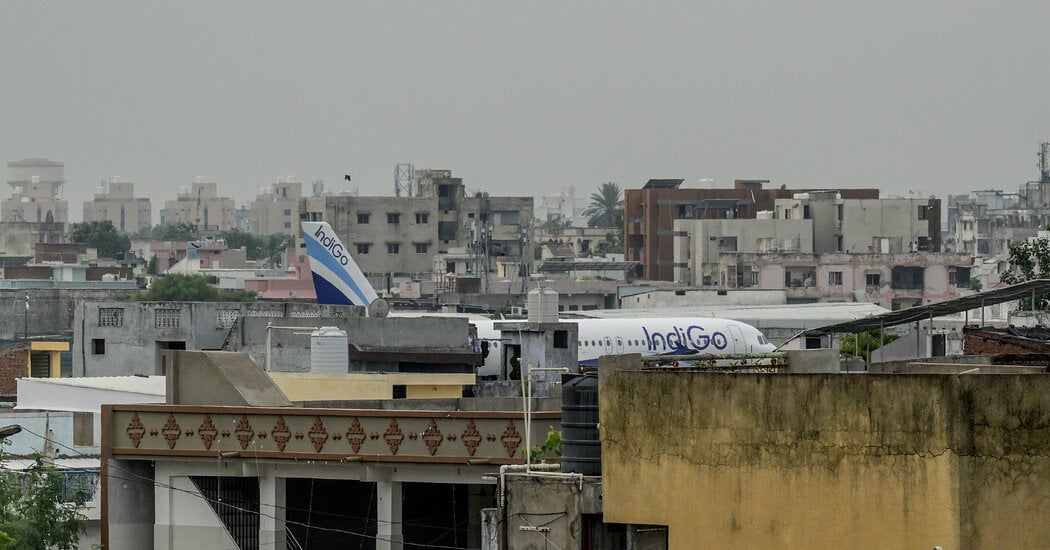
The crash of an Air India flight in Ahmedabad highlights the dangers of crowded airport zones in India, where rapid urban growth has led to airports being surrounded by densely populated neighborhoods, increasing risks during takeoff and landing. Despite India's expanding aviation sector and plans to increase airport capacity, safety concerns persist due to inadequate infrastructure planning and staffing shortages, raising questions about long-term development strategies.
New York City is plagued by illegal scaffolding, with 500 unpermitted sites identified by computer scientists using AI to analyze dashcam footage. The city's abundance of scaffolding stems from a 1980 policy mandating façade inspections every five years, resulting in over 8,000 current permits for scaffolds. The researchers aim to share their findings with city officials and create an interactive map for residents to track scaffolding locations, permit status, and duration.
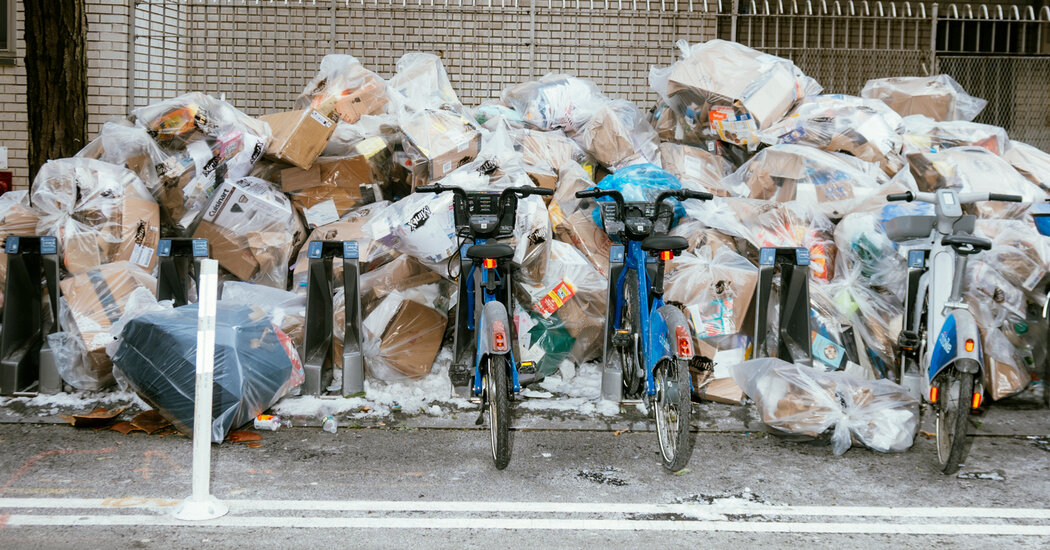
New York City's trash problem is a result of historical decisions and urban density, with trash bags piled on sidewalks attracting rats and straining sanitation workers. The city plans to shift to containerized trash collection, but faces challenges in finding space for containers and balancing competing demands for curb space. The proposed plan involves using wheelie bins for smaller residences and large stationary containers for big apartment buildings, while midsize buildings present a challenge. The city's plan aims to balance the need for cleaner streets with the complexities of New York's diverse urban landscape, but critics argue that the focus on rats overlooks opportunities to rethink the city's streetscape and reduce overall waste.
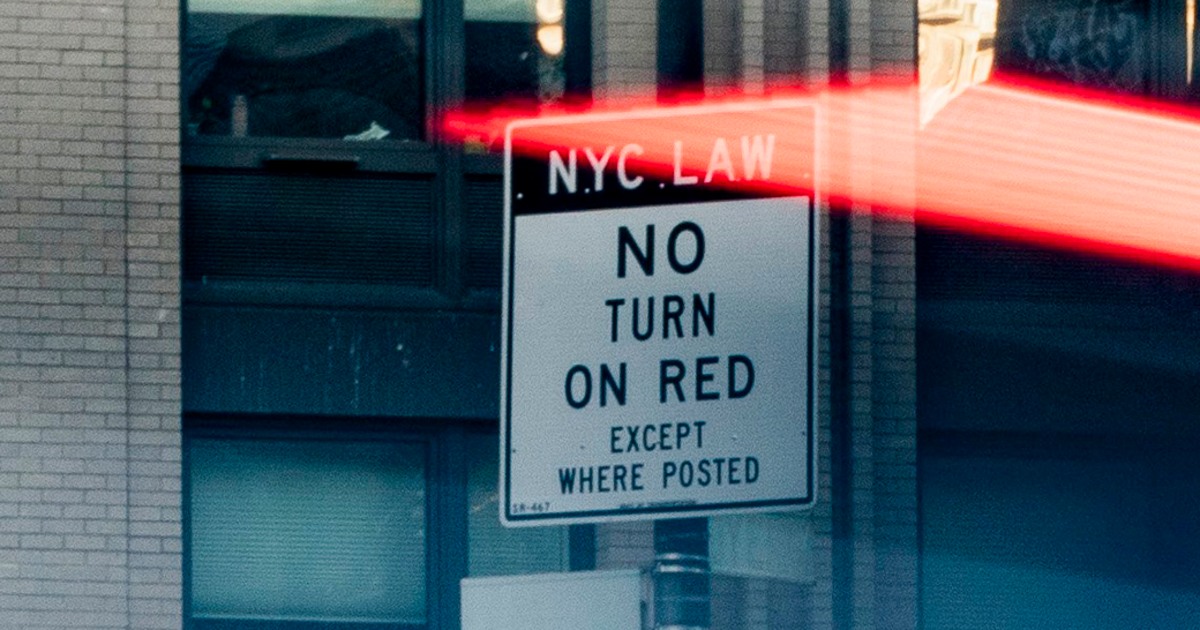
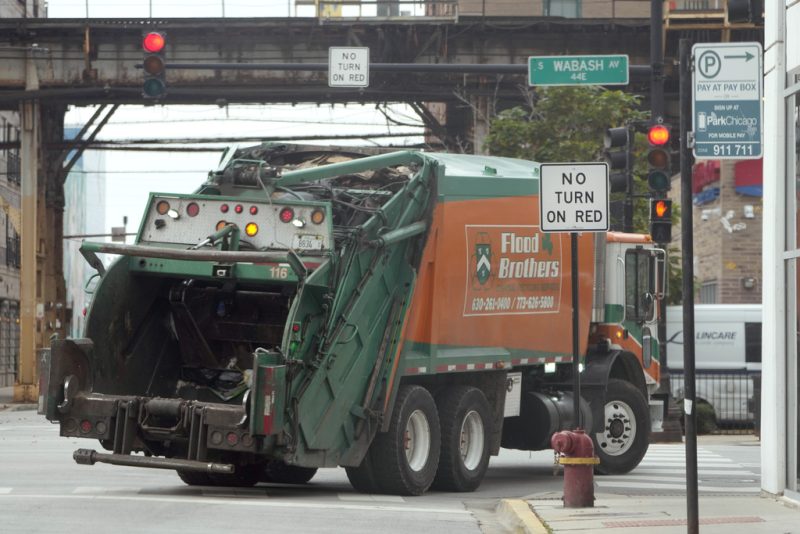
As pedestrian and bicyclist deaths and injuries continue to rise, cities across the United States are considering banning right turns on red lights. Concerns over safety have prompted cities like Washington, D.C., Chicago, Ann Arbor, San Francisco, Los Angeles, Seattle, and Denver to explore or implement such bans. Advocates argue that drivers should not have the option to decide when it is safe to turn, while critics claim that blanket bans would not necessarily make streets safer. The U.S. is one of the few major countries that generally allow right turns on red, a policy that originated during the 1970s energy crisis. However, safety advocates argue that banning right turns on red would help reduce accidents and improve pedestrian safety.
As pedestrian and bicyclist accidents continue to rise, several U.S. cities are considering banning the practice of making right turns on red lights. Washington, D.C., has already approved a ban that will take effect in 2025, while other cities such as Chicago, San Francisco, Los Angeles, Seattle, and Denver are also exploring similar measures. Safety advocates argue that banning right turns on red will improve road safety, while critics claim it will inconvenience motorists and slow down traffic. The United States is one of the few major countries that generally allow right turns on red, and the practice was initially implemented in response to the energy crisis in the 1970s. However, concerns over pedestrian and cyclist safety have prompted a reevaluation of this policy.
As pedestrian and bicyclist accidents continue to rise, several U.S. cities are considering banning the practice of making right turns on red lights. Washington, D.C., has already approved a ban that will take effect in 2025, while other cities such as Chicago, San Francisco, Los Angeles, Seattle, and Denver are also exploring similar measures. Safety advocates argue that banning right turns on red will improve road safety, while critics claim it will inconvenience motorists and slow down traffic. The United States is one of the few major countries that generally allow right turns on red, and the practice was initially implemented in response to the energy crisis in the 1970s. However, concerns over pedestrian and cyclist safety have prompted a reevaluation of this policy.
As pedestrian and bicyclist fatalities continue to rise, cities across the United States are considering banning the practice of turning right on red. Washington, D.C. has already approved a ban that will take effect in 2025, while other cities such as Chicago, San Francisco, Los Angeles, Seattle, and Denver are also exploring similar measures. Safety advocates argue that banning right on red would improve road safety, but critics claim it would inconvenience motorists and slow down traffic. The debate highlights the need for comprehensive road infrastructure improvements to reduce accidents and protect vulnerable road users.