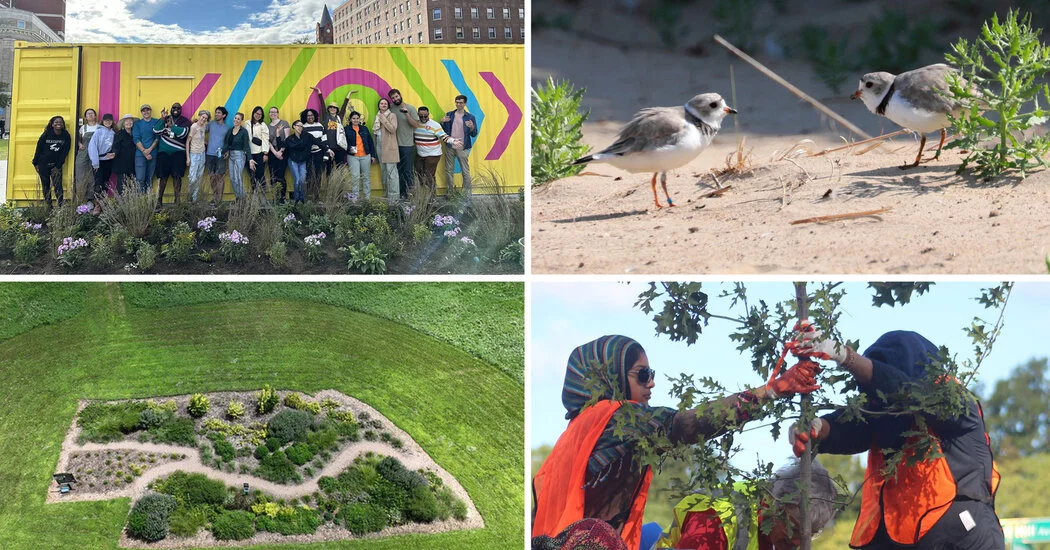
People across the U.S. are engaging in diverse eco-friendly initiatives, from rescuing wildlife and planting native gardens to promoting renewable energy and reducing fire risks, demonstrating widespread community commitment to environmental sustainability as 2025 approaches.
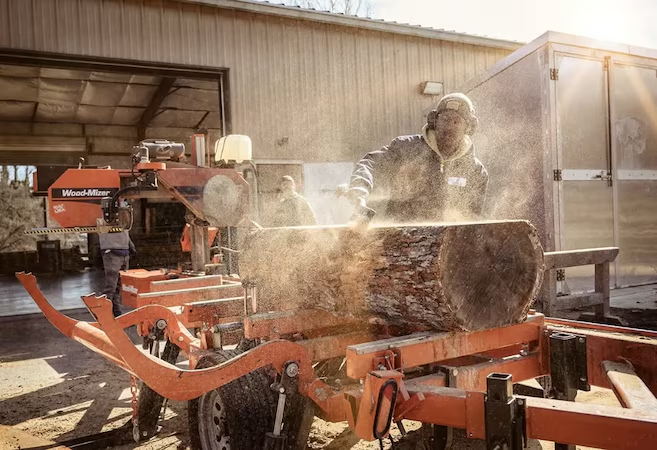
Camp Small, a Baltimore lumberyard known for transforming urban forestry by repurposing felled city trees into valuable lumber, was severely damaged by a massive fire. The site, which had become a model for zero-waste lumber milling and a resource for local artisans, is now uncertain about its future. The fire has left the community of wood craftsmen concerned about the availability of quality lumber, as Camp Small was a unique source for large slabs of hardwood like ash and oak.
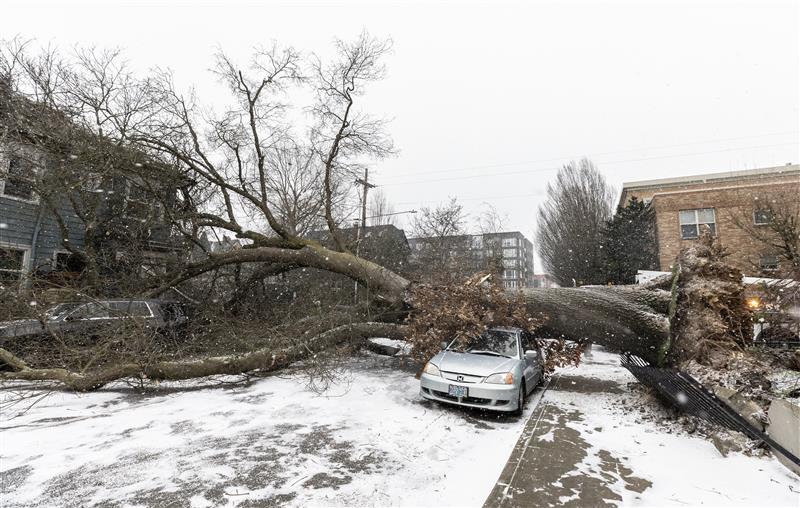
The recent arctic blast in Portland caused over 1,000 trees to fall, leading to widespread power outages, halted MAX trains, and property damage, including two fatalities. The city's Urban Forestry department is shocked by the extent of the damage and emphasizes that trees can be saved in many cases.
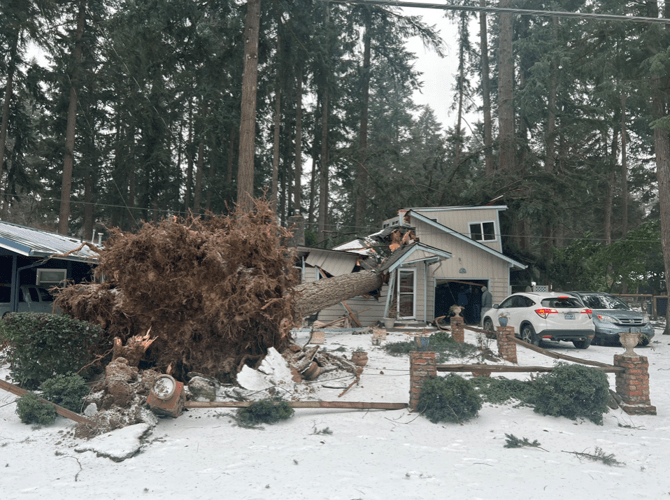
Portland Parks & Recreation Urban Forestry team is dealing with over 350 calls for downed trees and large branches following a snowstorm, strong winds, and icy temperatures. The team is prioritizing tree removal on major roads and freeways before moving to neighborhood streets, while arborists are working to clear fallen trees. A second winter storm is expected to hit the area, potentially causing more hazardous road conditions, power outages, and downed trees. The combination of wet soil, shallow root systems, and freezing temperatures has led to numerous trees falling, and the Portland Water Bureau is also responding to burst pipes and water main breaks due to the frigid conditions.
The Seattle City Council has passed a new tree ordinance that will overhaul the existing code protecting trees for the first time since 2001. The new ordinance regulates 70,400 trees, creates a static tree protection zone, and allows property owners to pay into a fund that plants trees in under-canopied parts of town. However, community advocates and volunteers who serve on the city commission monitoring urban forestry policy worry that the legislation was rushed through the voting process and doesn't fully account for the city's Green New Deal and other environmental equity goals.
Google has launched a set of online tools to help civil servants and community organizers combat climate change-induced extreme heat. The tools include extreme heat alerts, Tree Canopy, which uses AI and aerial imagery to help cities understand their current tree coverage and plan urban forestry initiatives, and an AI to plan the installation of "cool roofs" that reflect heat from the sun. The program will be expanding to nearly 350 cities around the world.