An Ohio couple, Spencer and Monique Tepe, was found murdered in their home just a month before their fifth anniversary, with no signs of forced entry or a firearm, and the case remains unsolved as police seek clues and potential suspects.
The cause and manner of death of Travis Decker, the suspect in the 2025 murders of his three daughters in Washington, may never be known due to the minimal skeletal remains found and the passage of time, with only forensic anthropologist examination conducted.
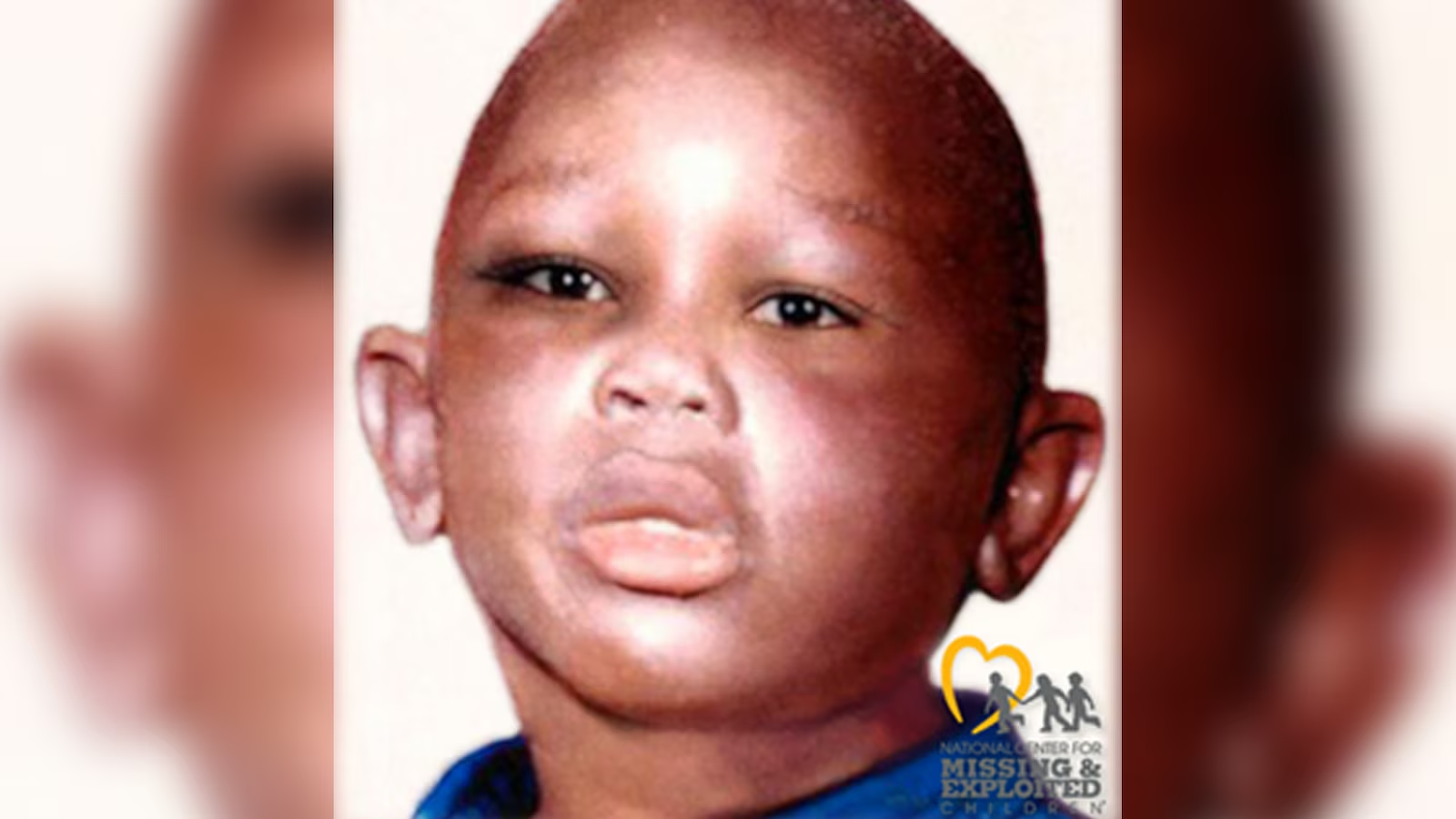
A 4-year-old boy murdered in 1972 in Virginia has been identified as Carl Matthew Bryant through genetic genealogy, but the fate of his baby brother remains unknown, with police continuing to investigate.
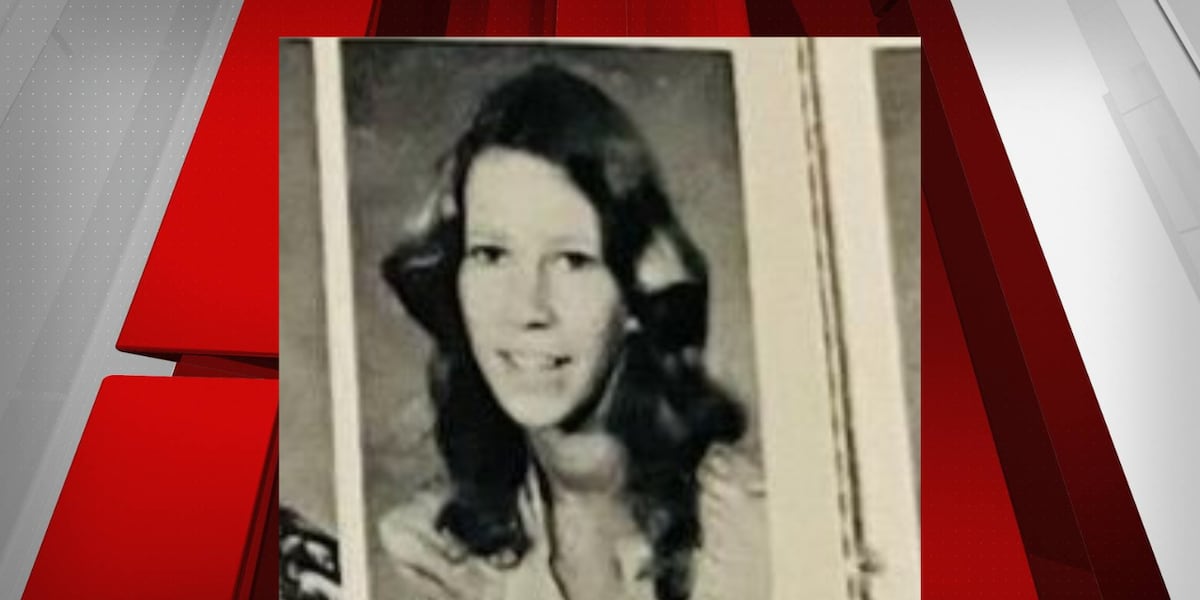
The mystery of a teenage girl's remains found in the basement of a former New York City nightclub has been solved after 50 years. The girl, initially known as Midtown Jane Doe, was identified as Patricia Kathleen McGlone, who disappeared in 1969. Her remains were discovered in 2003, but it took decades of forensic advancements and genetic genealogy to uncover her identity. The case remains unsolved, with her husband, who used a false identity, and her half-brother as persons of interest. The story highlights the challenges of solving cold cases and the transient nature of life in the 1960s.
Las Vegas Metropolitan Police have identified a murder victim, known as Sahara Sue Doe for over 44 years, as Gwenn Marie Story. Story's body was found in 1979 near the El Rancho Vegas Hotel and Casino, and her death was ruled a homicide. After years of investigation, forensic genetic genealogy helped detectives identify her and contact her family. The case remains open as authorities continue to investigate the circumstances surrounding her death and urge anyone with information to come forward.
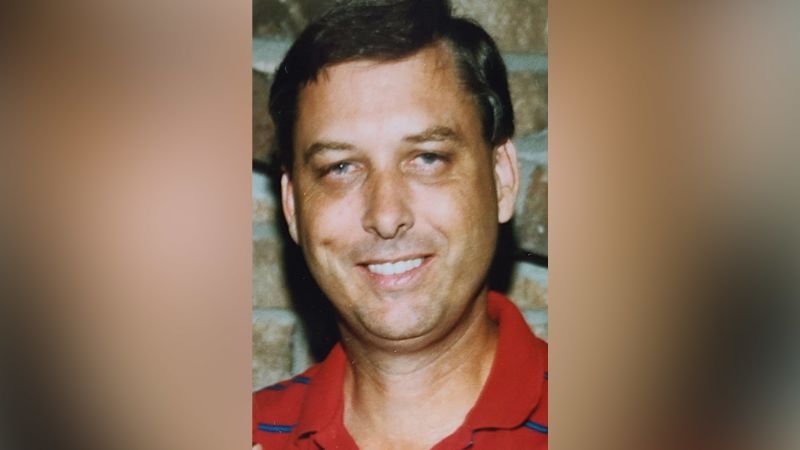
The body of a man found wrapped in tire chains and anchored with a hydraulic jack in Kentucky's Lake Barkley in 1999 has been identified as Roger Dale Parham, a fugitive accused of rape who had been missing for over a decade. Advanced genealogy DNA testing linked the unidentified body to a relative of Parham, leading investigators to solve the mystery of his disappearance. However, the cause of Parham's death remains undetermined, and the case is now being investigated as a homicide due to the suspicious circumstances surrounding the discovery of his body.
Human remains found in rural Indiana in 1982 have been identified as those of Connie Lorraine Christensen, a Wisconsin woman who went missing at the age of 20 over four decades ago. Christensen's remains were discovered by hunters and she had died from a gunshot wound. The case remains unsolved. Using forensic genetic genealogy and DNA extracted from the remains, the DNA Doe Project was able to match the DNA to two of Christensen's relatives. Coincidentally, her family was also working on creating a family tree using ancestry and genealogy. Christensen's now adult daughter visited the location where her mother's remains were found and was given a ring that was found with the remains.
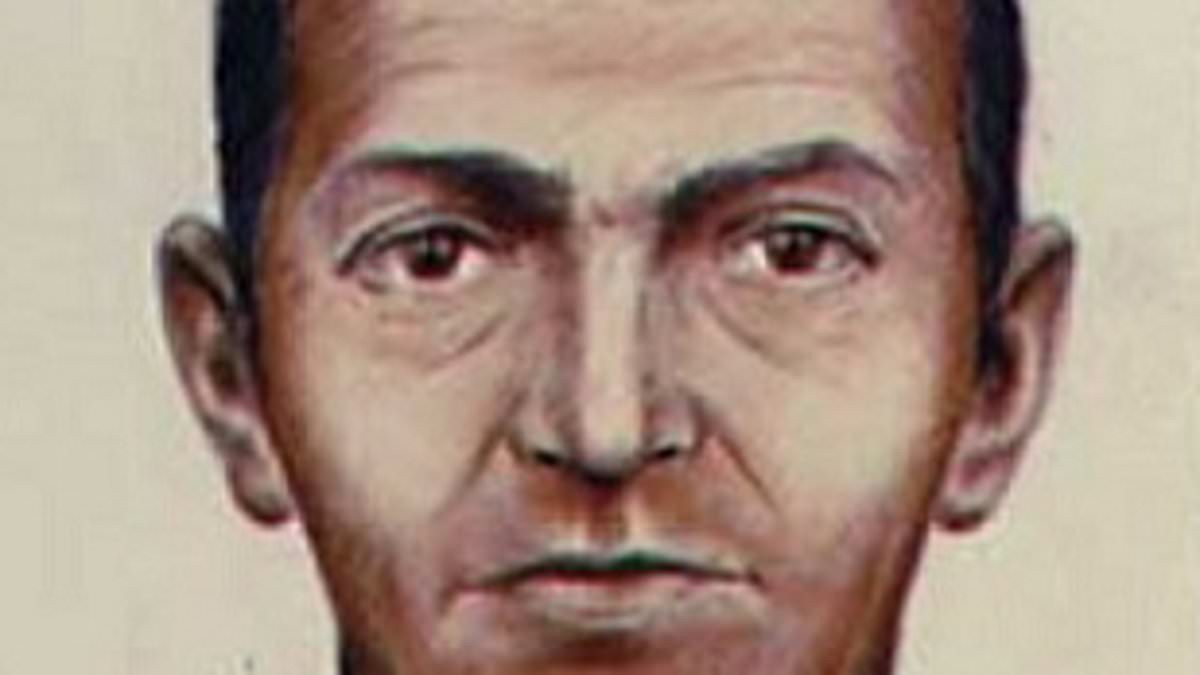
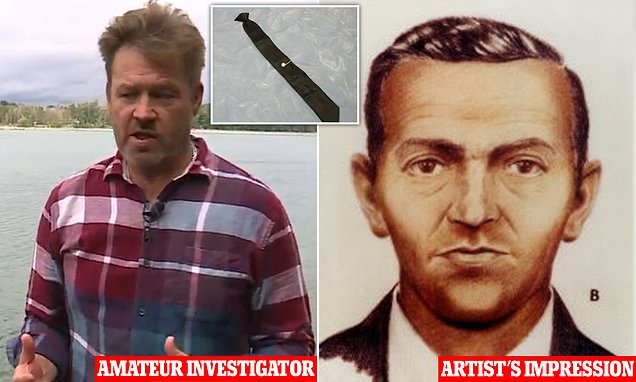
Citizen investigator Eric Ulis has named a new suspect in the DB Cooper case, claiming that engineer Vince Petersen from Pittsburgh fits the evidence left behind by the infamous hijacker. Ulis analyzed microscopic evidence found on a clip-on black tie left by Cooper and discovered particles consistent with specialty metals used in the aerospace sector, such as titanium. Petersen, who worked as a Boeing subcontractor at a titanium plant, would have been 52 at the time of the crime and has since passed away. Ulis is suing the FBI for access to the tie's metal spindle, which could contain undiscovered DNA. The case remains one of the great unsolved mysteries in FBI history.
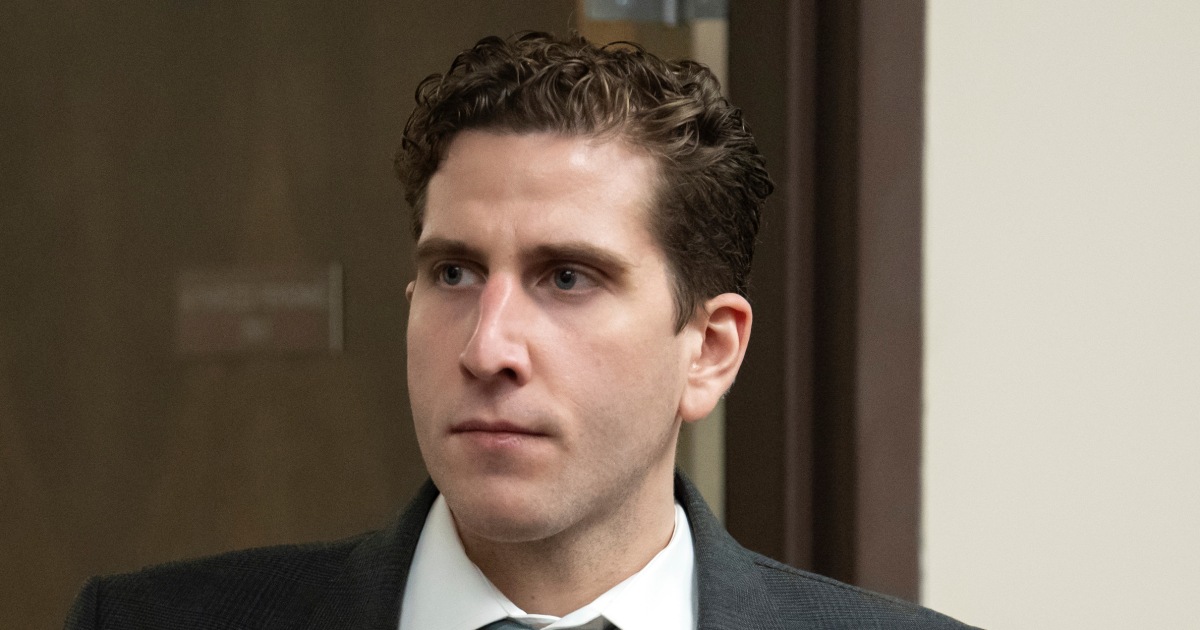
The motive behind the slaying of four University of Idaho students remains a mystery one year later, despite the arrest of suspect Bryan Kohberger. The case has captivated social media sleuths, who continue to discuss and speculate on various platforms. The largest Facebook group dedicated to the case has over 227,700 members, and the hashtag #IdahoMurderMystery has garnered over 207.2 million views on TikTok. The case, which involved the stabbing deaths of Kaylee Goncalves, Madison Mogen, Xana Kernodle, and Ethan Chapin, is described as "very complex" by authorities. The trial for Kohberger, who has been charged with four counts of first-degree murder, has been delayed as both sides argue over DNA evidence and the prosecution seeks the death penalty. Families of the victims are still seeking answers and support law enforcement efforts to gather evidence for the trial.
The body of a South Korean woman found in a suitcase in rural Millen, Georgia in 1988 has been identified as Chong Un Kim, thanks to DNA analysis funded by donors. Kim died from asphyxiation, but the person responsible for dumping her body remains unknown. Investigators are determined to solve the mystery surrounding her death and bring justice to her family. Despite decades of efforts using fingerprints, dental records, and a forensic sketch, Kim remained unidentified until now. The Georgia Bureau of Investigation is urging anyone with information about the case to come forward.
The remains of Allen Livingston, who went missing in 1993, have been positively identified as the likely victim of suspected serial killer Herb Baumeister, who died in 1996. Livingston's bones were among the thousands of remains found at Fox Hollow Farm, which was once owned by Baumeister. Livingston's identification brings closure to his family, but there are still many unidentified victims from the case.
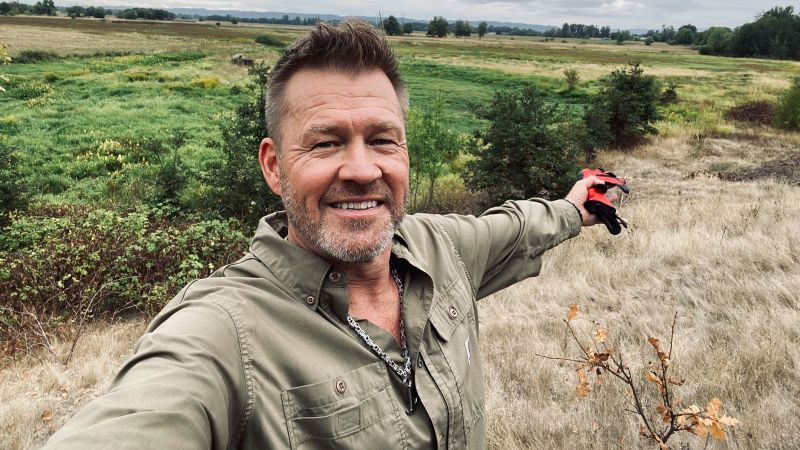
A citizen sleuth, Eric Ulis, has sued the FBI in an attempt to gain access to a black clip-on tie left behind by the iconic plane hijacker, DB Cooper, during the 1971 skyjacking. Ulis believes that the tie's metal spindle could contain undiscovered DNA that could help solve the case. The FBI has denied his FOIA request to lift a DNA sample from the garment, but Ulis argues that recent advances in ancestral genealogy could potentially identify Cooper's family members. Ulis also plans to continue searching for Cooper's still-lost parachutes and bag of cash, as he believes they may hold further clues.
Eric Ulis, a self-proclaimed crime historian and aviation geek, is suing the FBI for access to a clip-on necktie left behind by the mysterious hijacker known as D.B. Cooper. Ulis believes that the tie knot may contain undiscovered DNA that could help unravel Cooper's identity. He hopes to collect swabs from the tie's metal spindle and enter any DNA found into genealogy databases. Ulis has dedicated years to investigating the unsolved 1971 hijacking case and has organized events like CooperCon. Despite the FBI closing the case in 2016, Ulis remains determined to find out who Cooper was and believes the truth is within reach.
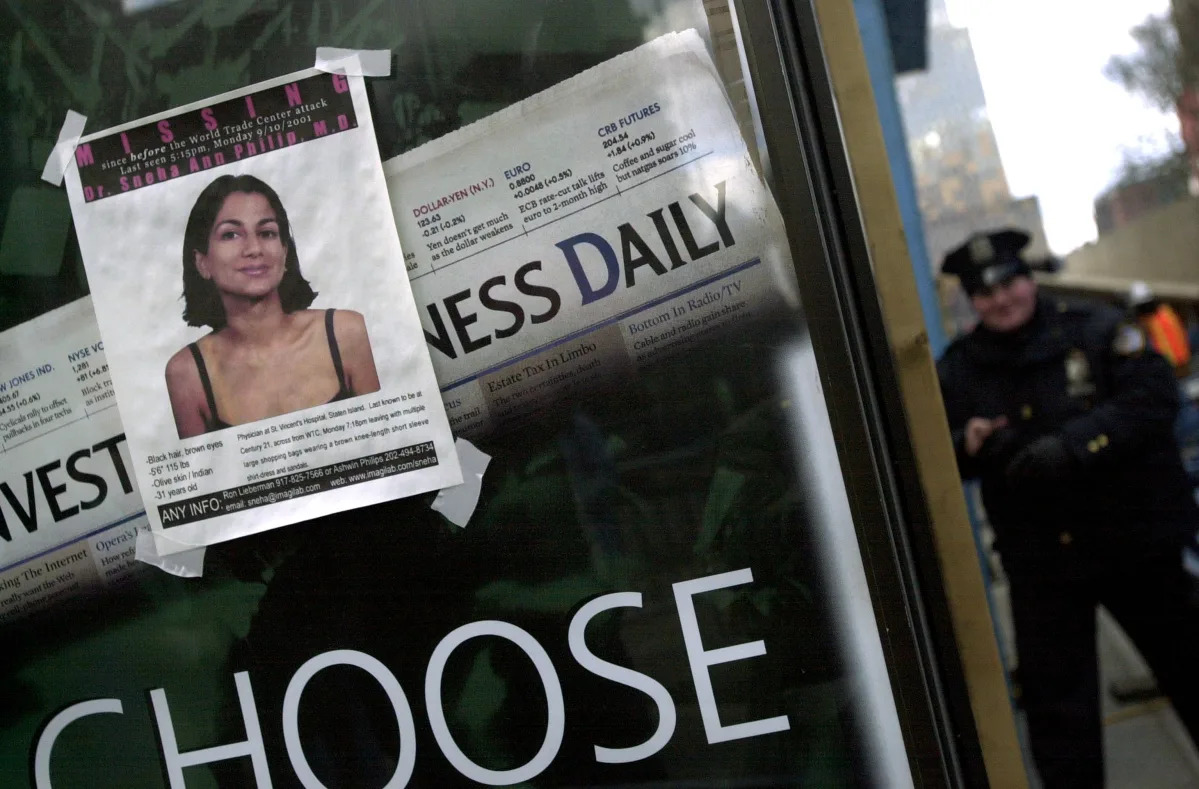
The mysterious disappearance and death of Dr. Sneha Anne Philip, a New York City doctor who lived near the Twin Towers, has garnered renewed attention from the true-crime community. Last seen on September 10, 2001, the circumstances surrounding her disappearance have raised questions about whether she died in the 9/11 attacks or if foul play was involved. Despite efforts by her family and investigators, her remains were never found. While some believe her death is linked to her work treating 9/11 victims, others suspect she may have met with strangers, used drugs, and faced job-related issues. A former NYPD sergeant and cold case investigator urges the true-crime community to focus on lesser-known cases that could benefit from attention and potentially be solved.
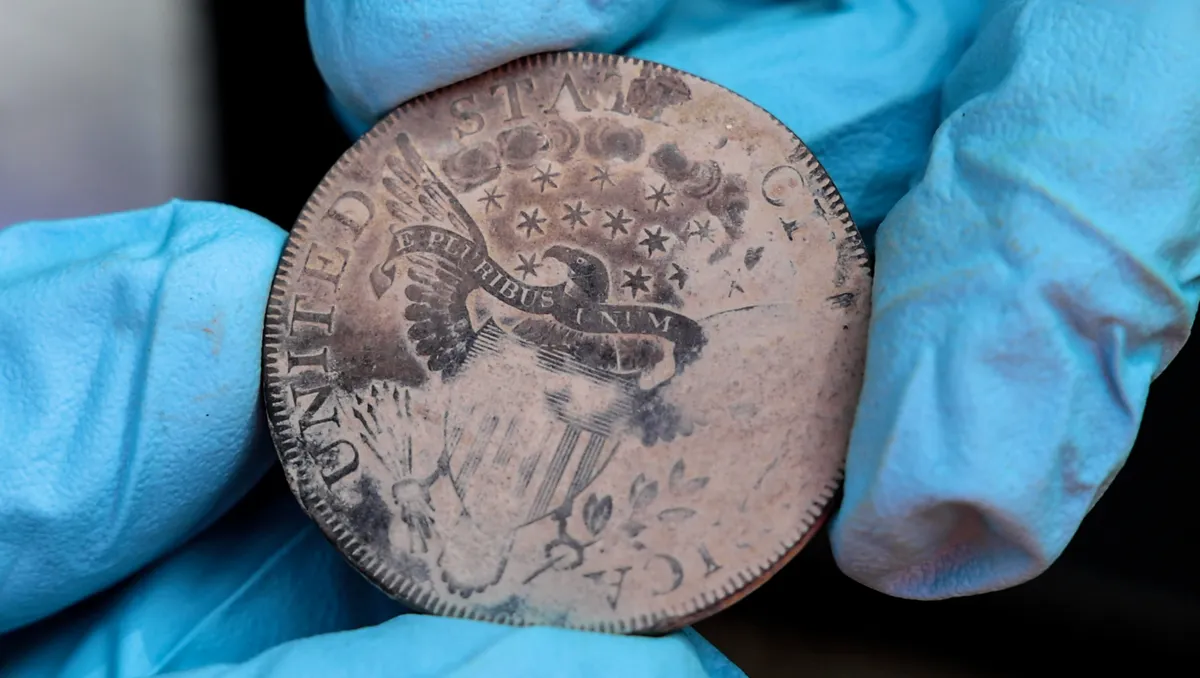
The West Point time capsule mystery takes a new twist as six old coins and a commemorative medal dating from 1795 to 1828 are discovered at the bottom of the previously thought-to-be empty lead cube. The significance of these items and the reason for their placement in the Thaddeus Kościuszko monument remains unknown, adding to the unsolved mystery surrounding the time capsule.