Originally Published 4 months ago — by Rolling Stone
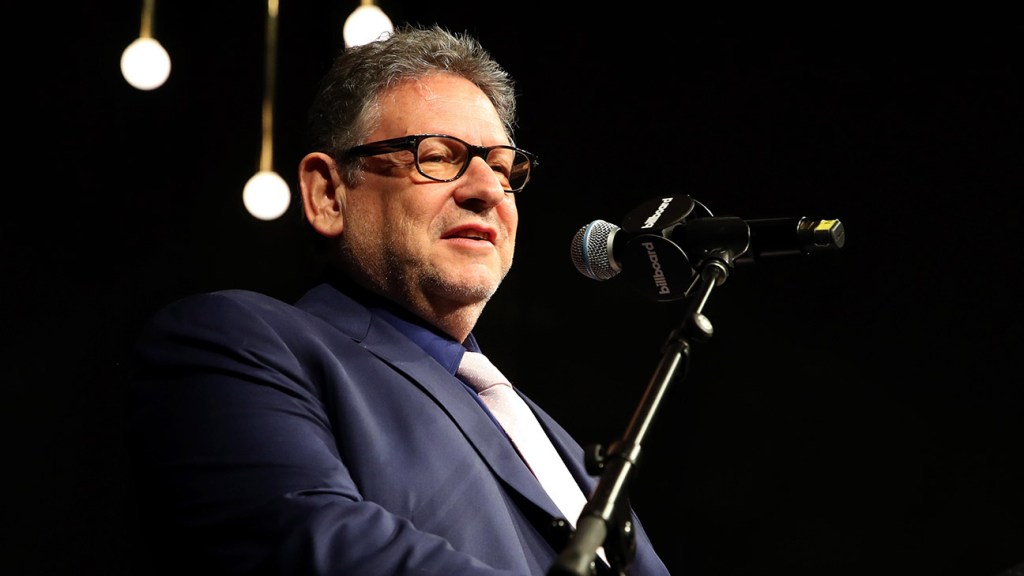
Universal Music CEO Lucian Grainge publicly denied involvement in Drake's lawsuit over Kendrick Lamar's song 'Not Like Us,' dismissing claims of his strategic involvement as 'farcical' and emphasizing his lack of knowledge about the song's release, while defending the company's substantial investments in Drake.
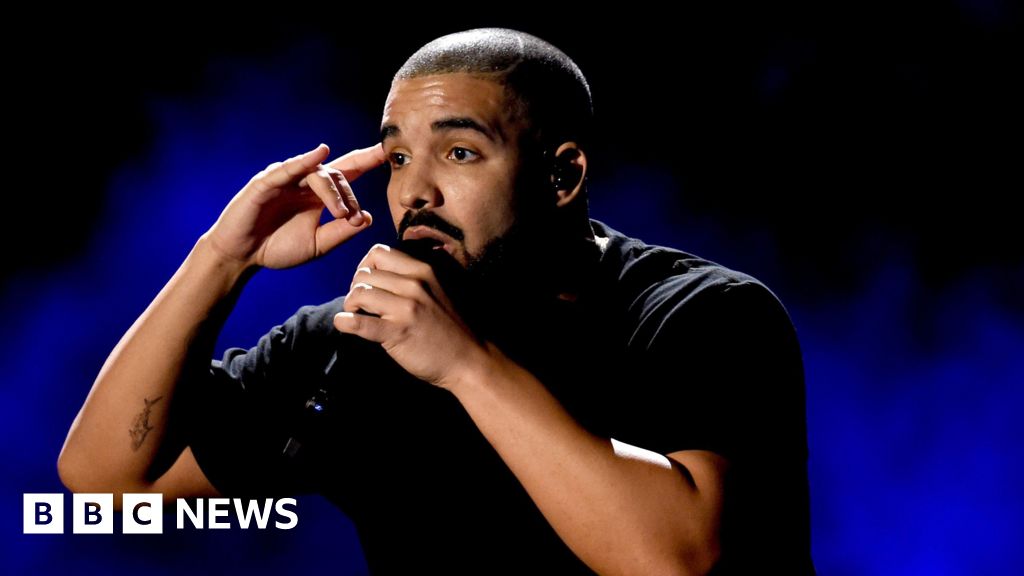
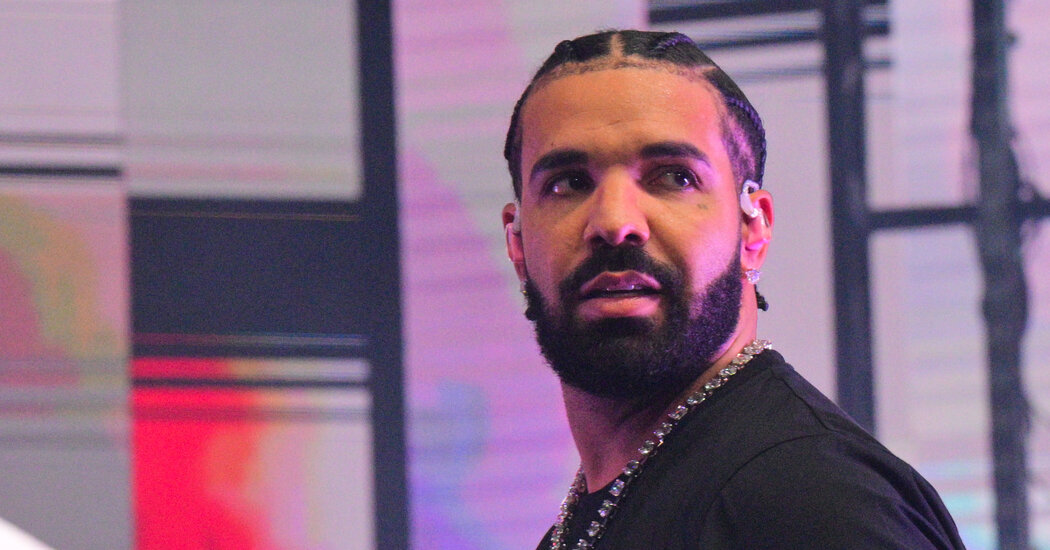
Drake has filed a second legal action against Universal Music, accusing the label of defamation over Kendrick Lamar's song 'Not Like Us,' which allegedly falsely accuses him of being a sex offender. Drake claims Universal could have stopped the song's release but instead promoted it for profit. The legal action, a 'pre-action petition,' seeks to preserve evidence for potential future lawsuits. Drake also accuses Universal of inflating streaming numbers and engaging in a 'pay-to-play scheme' with iHeartRadio, which Universal denies.
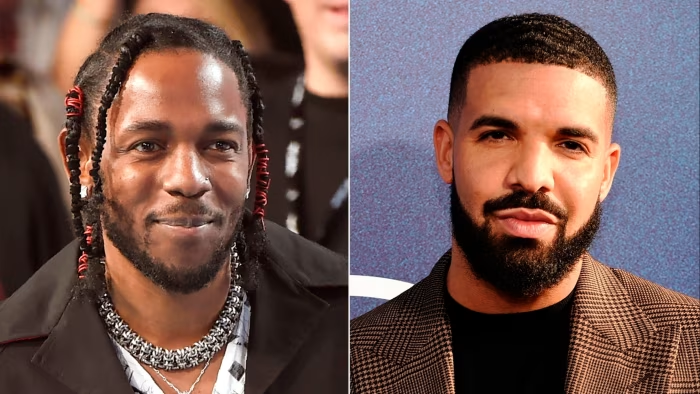
Drake has accused Universal Music of unfairly promoting Kendrick Lamar's new album 'Not Like Us' over his own work. This claim highlights ongoing tensions and competition within the music industry, particularly between high-profile artists and their record labels.
Drake has filed legal petitions against Universal Music, accusing the company of engaging in pay-for-play schemes to promote Kendrick Lamar's music, particularly his hit song "Not Like Us," which allegedly defames Drake. Both artists are signed to labels under Universal, which benefits from their music's success. Drake's legal team is preparing a case for civil fraud and racketeering, while Universal denies any wrongdoing, asserting that their marketing practices are ethical. The feud between the rappers has intensified with Lamar's recent album release and Grammy nominations.
Drake has filed a second legal action against Universal Music Group (UMG) in Texas, accusing them of defamation for distributing Kendrick Lamar's diss track "Not Like Us," which allegedly falsely accuses Drake of pedophilia. The petition claims UMG engaged in a "pay-to-play scheme" to promote the song and seeks depositions from UMG and iHeart for a potential future lawsuit. UMG denies the allegations, stating they uphold ethical marketing practices. This legal move follows a long-standing feud between Drake and Lamar.
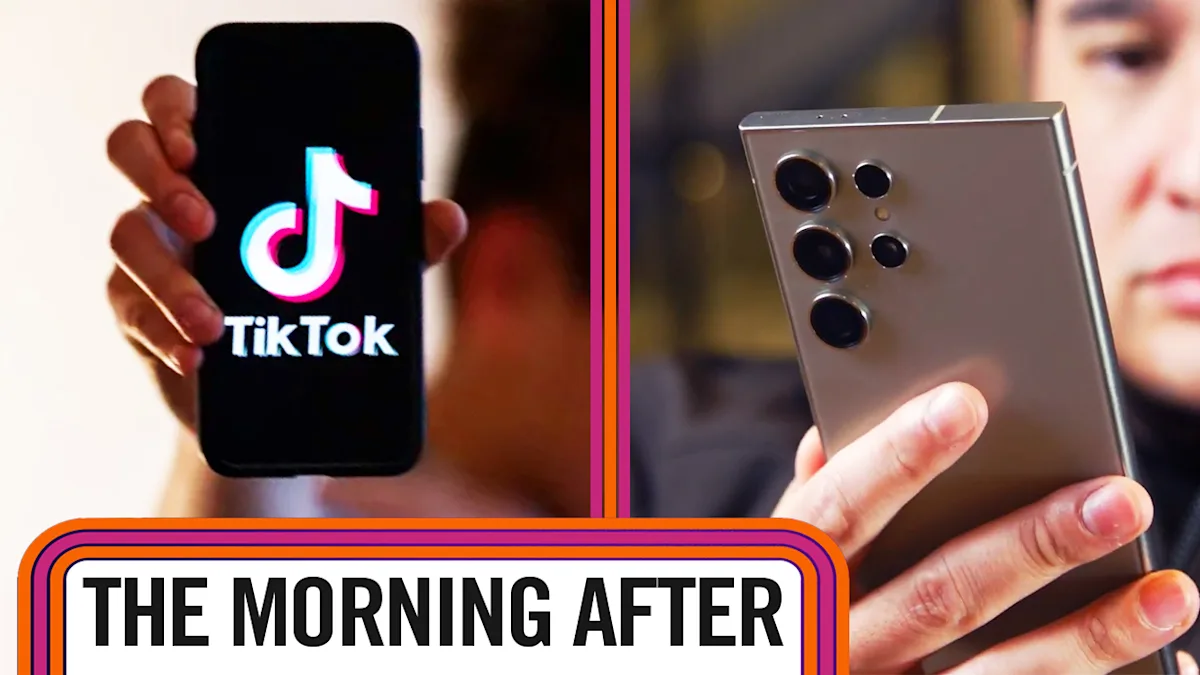
Universal Music has followed through on its threat to remove its artists' music from TikTok due to failed negotiations, while the CEOs of major social media platforms faced a Senate hearing on child exploitation online. Meanwhile, Neuralink's brain chip has been implanted in a human, and a review of the Galaxy S24 Ultra highlights Samsung's AI advancements.
Universal Music is planning to remove its songs from TikTok after negotiations over music licensing fees broke down. The move comes as Universal seeks to secure better terms for its artists' music on digital platforms, reflecting the ongoing tension between music labels and tech companies over fair compensation for music streaming.
Universal Music has filed a copyright infringement lawsuit against AI start-up Anthropic, accusing it of scraping their songs without permission and using them to generate identical or nearly identical copies of lyrics through its chatbot, Claude. The music companies claim that Anthropic has never attempted to license their copyrighted work. This lawsuit highlights the music industry's concerns over AI technology's ability to produce "deepfake" songs. Anthropic, founded by researchers who left OpenAI, has drawn investments from Amazon and Google. Universal Music recently announced a partnership with BandLab to approach copyrights ethically for use in AI, while also working with Google to license its artists' voices and melodies for AI-generated songs.
Universal Music Group, Concord Music Group, and ABKCO have filed a $75 million lawsuit against AI company Anthropic, backed by Amazon, for alleged copyright infringement. The music publishers claim that Anthropic copied and distributed lyrics from at least 500 songs without permission, including works by artists such as Katy Perry, The Rolling Stones, and Beyoncé. The lawsuit aims to stop the use of copyrighted material to train AI systems and seeks damages and a court order to block Anthropic from using their material.
Google is in talks with Universal Music and Warner Music to license artists' melodies and voices for songs generated by artificial intelligence (AI). The music industry is grappling with the rise of "deepfake" songs that convincingly mimic established artists' voices, often without their consent. The goal is to develop a tool for fans to create these tracks legitimately and pay the copyright owners. Some artists have expressed concern about their work being diluted by fake versions, while others have embraced the technology. Creating a music product could help Google compete with rivals like Microsoft, which has invested in AI company OpenAI.
Google and Universal Music are reportedly in talks to license artists' voices and melodies for artificial intelligence-generated songs, in an effort to combat "deepfake" songs that mimic artists' voices without their consent. The goal is to develop a tool for fans to create tracks legitimately and pay the copyright owners. Warner Music is also said to be in talks with Google about a similar product.
Google and Universal Music are in negotiations to reach a deal regarding the use of AI technology to create "deepfake" audio and video content. The agreement aims to address concerns about the potential misuse of this technology and its impact on the music industry.
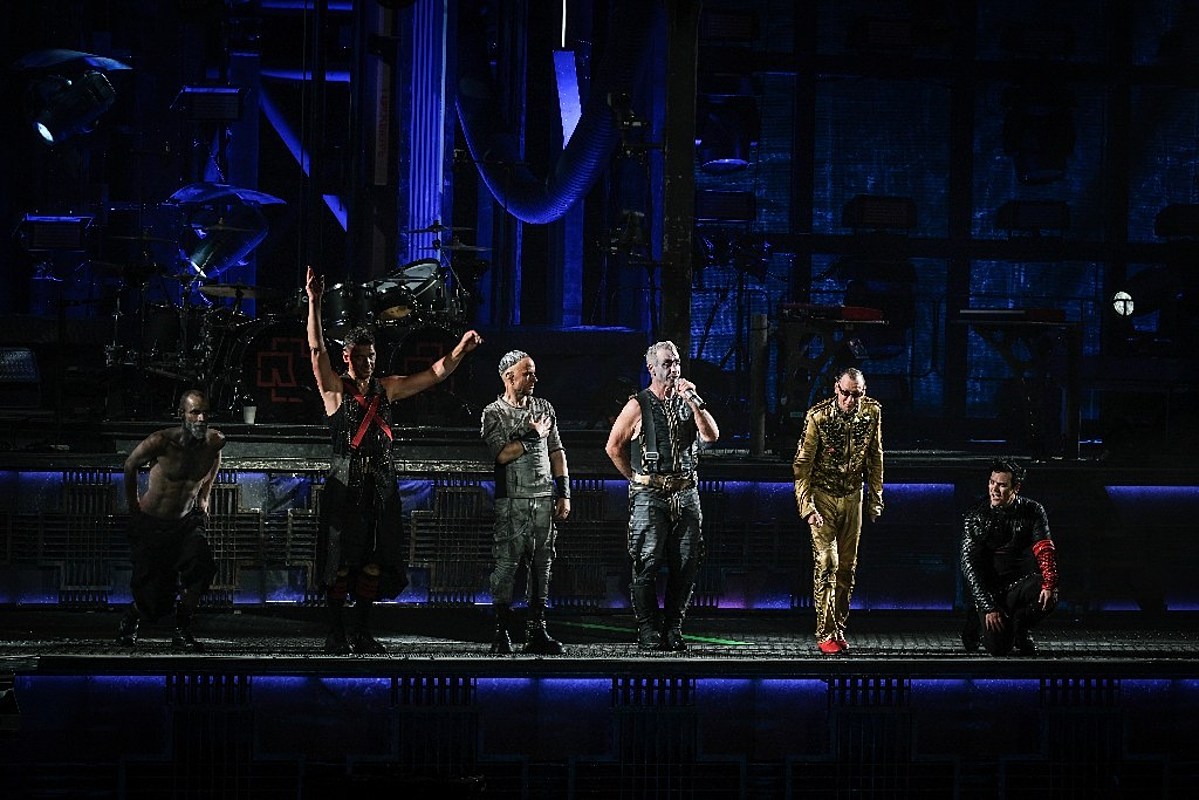
Universal Music has suspended marketing and promotional activities for Rammstein's recordings following allegations of sexual misconduct against vocalist Till Lindemann. The allegations are being investigated by Berlin's state prosecutor. Lindemann was also dropped by his book publisher, Kiepenheuer & Witsch. The band has released a statement condemning any kind of transgression and asking fans not to engage in public prejudice against those who have made allegations.