A report highlights the low pay and increasing responsibilities of teaching assistants in Wales, with many struggling financially despite their vital role supporting vulnerable students, especially during the festive season, prompting calls for better pay and recognition.
The Democratic Party's alliance with organized labor is strained as several union leaders urge a vote to reopen the government with a Republican stopgap bill, highlighting a shift in union support amid the ongoing shutdown and political negotiations.
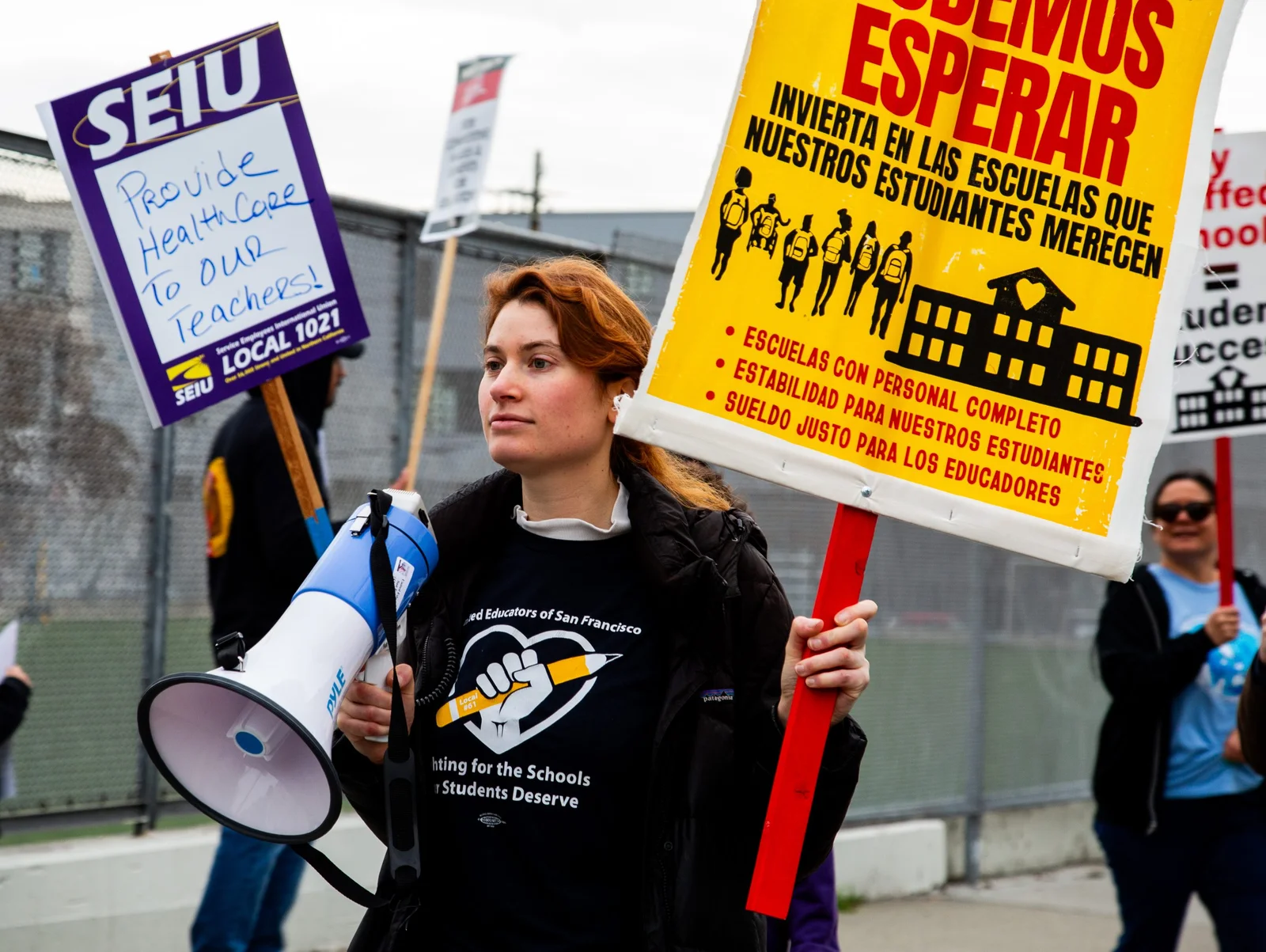
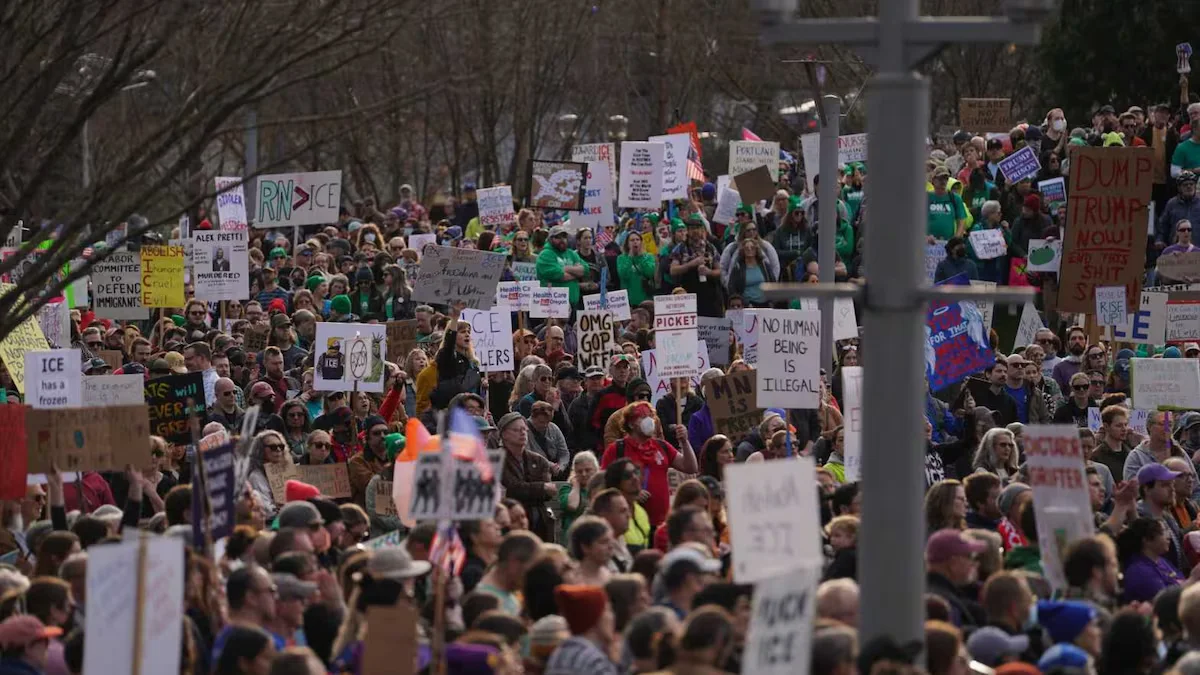
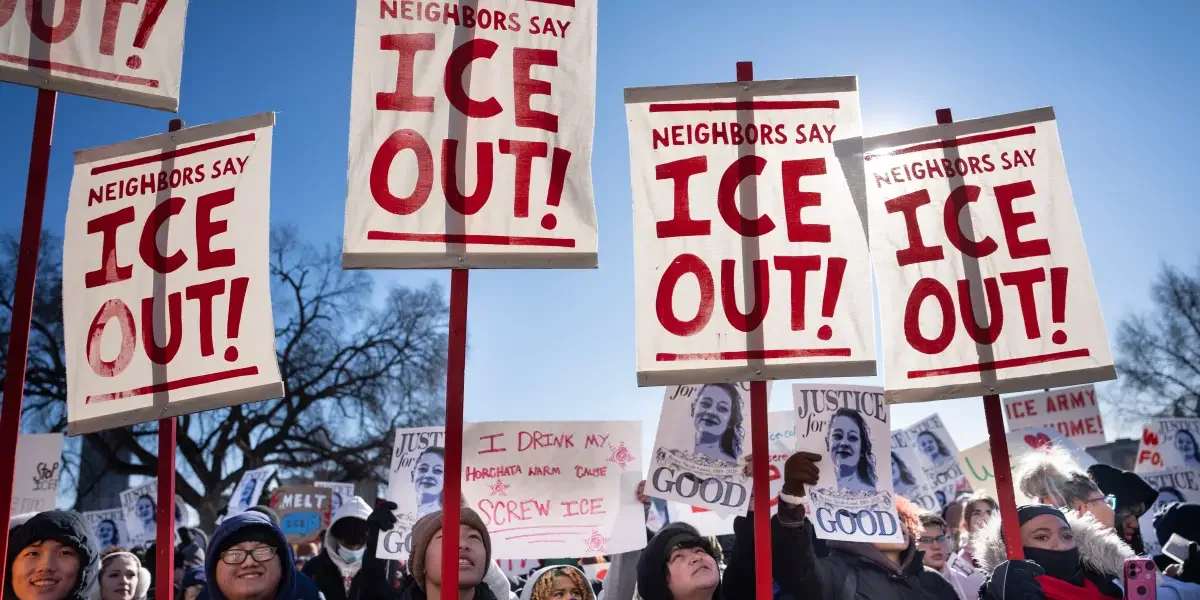
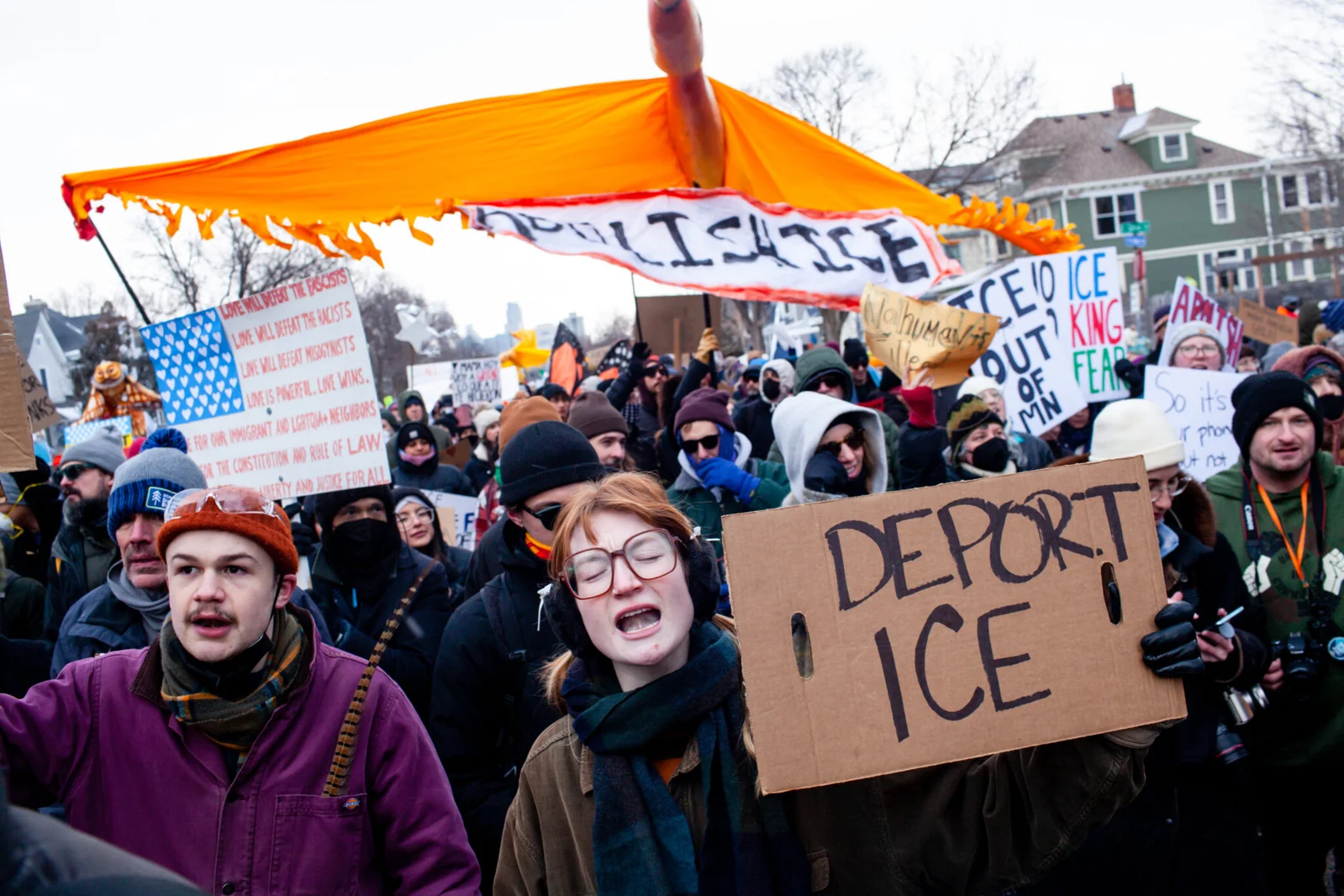
Over 1,000 protests across the U.S. on Labor Day, organized by major unions, focused on advocating for workers over billionaires and criticizing policies of President Trump and wealthy Americans, with notable participation from Democratic leaders and protests in cities like Boston, Chicago, Atlanta, New York, and San Francisco.
On Labor Day, thousands in Los Angeles and across the U.S. protested against the Trump administration's policies, criticizing actions they see as weakening unions and harming workers, while the administration highlighted efforts to boost American manufacturing through tariffs and trade policies. The protests also addressed issues like immigration raids and federal workforce restrictions, reflecting ongoing tensions between labor rights and government policies.
Labor unions and community groups across the U.S. are holding protests on Labor Day to oppose the influence of billionaires and support workers, with events in cities like Boston, Chicago, and South Carolina, emphasizing opposition to the Trump administration and billionaire-backed policies.
The EPA has terminated contracts with unions representing over 8,000 workers, citing compliance with federal law and President Trump's executive orders, prompting legal challenges from the unions who argue it undermines workers' rights and EPA's effectiveness.
Unions across the U.S. protested the Trump administration's increased immigration enforcement at workplaces, including raids and arrests, highlighting the role of immigrant workers in the labor movement and the growing tension between immigration policies and union activities.
President-elect Donald Trump has expressed support for the dockworkers union in its contract dispute with the United States Maritime Alliance, which previously led to a major strike at East Coast and Gulf ports. Trump criticized the impact of automation on American workers and suggested that foreign companies should invest in hiring American dockworkers rather than relying on machinery. This stance indicates a potentially more labor-friendly approach in his upcoming administration, aligning with his Labor Secretary pick, Rep. Lori Chavez-DeRemer, who also appears to support pro-union policies.
Business groups are concerned about President-elect Donald Trump's nomination of Rep. Lori Chavez-DeRemer as Labor Secretary due to her support for union-friendly legislation, which contrasts with their preference for a more business-oriented approach. While some business leaders are working to ensure pro-business appointments in other key positions within the Labor Department, Chavez-DeRemer's nomination reflects Trump's appeal to working-class voters. Despite skepticism from both business and union groups, Chavez-DeRemer is expected to have a relatively smooth confirmation process.
Volkswagen CEO Oliver Blume faced backlash from workers during a meeting at the company's Wolfsburg headquarters as he attempted to justify aggressive cost-cutting measures, including pay cuts and factory closures, to save €10 billion. The measures are part of Volkswagen's strategy to remain competitive amid rising production costs and declining sales, particularly in China. Despite the company's efforts, including offering early retirement packages, negotiations with the powerful works council continue, with unions pushing for a compromise before Christmas.
President-elect Donald Trump's nomination of Rep. Lori Chavez-DeRemer, known for her pro-union stance, as Labor Secretary has raised concerns among Republican senators. Some, like Sen. Tommy Tuberville, have voiced apprehension about her union-friendly views, which could lead to a challenging confirmation process as businesses express their objections.
A Dane County Circuit Judge has ruled to restore collective bargaining rights to Wisconsin public sector workers, reversing the 2011 Act 10 law that limited these rights. The decision, which affects tens of thousands of employees, is expected to be appealed and could reach the Wisconsin Supreme Court. The ruling has been celebrated by unions but criticized by Republicans and business groups, who argue it could financially strain local governments. The case highlights the significance of the upcoming Wisconsin Supreme Court election.
A Dane County judge has struck down parts of Wisconsin's Act 10, restoring collective bargaining rights for public employees, which were previously limited to certain groups like police and firefighters. The ruling, which found the law unconstitutional under the state's equal protection clause, has been praised by unions but criticized by Republican leaders who plan to appeal. Act 10, enacted in 2011, had faced significant opposition and legal challenges, but was previously upheld by state and federal courts.
The article criticizes Donald Trump's nomination of Lori Chavez-DeRemer as Secretary of Labor, arguing it contradicts his administration's pro-worker stance. Chavez-DeRemer, supported by union leader Sean O'Brien, co-sponsored the PRO Act, which opposes right-to-work laws. The author contends this undermines worker freedom and economic prosperity, aligning with corrupt union interests rather than empowering workers. The piece urges Trump to retract the nomination, emphasizing that true pro-worker policies prioritize individual freedom over union coercion.
President-elect Trump's nomination of Rep. Lori Chavez-DeRemer as Labor Secretary is causing concern among conservative groups due to her pro-union stance, marking a shift from Trump's previous anti-union administration. Chavez-DeRemer, who has a union background and supported the Pro Act, is seen as a win for union leaders like Teamsters president Sean O'Brien. While some Republicans support her, business groups and conservative advocates are wary of her position on labor issues, particularly the Pro Act, which could hold companies accountable for franchise and gig workers.