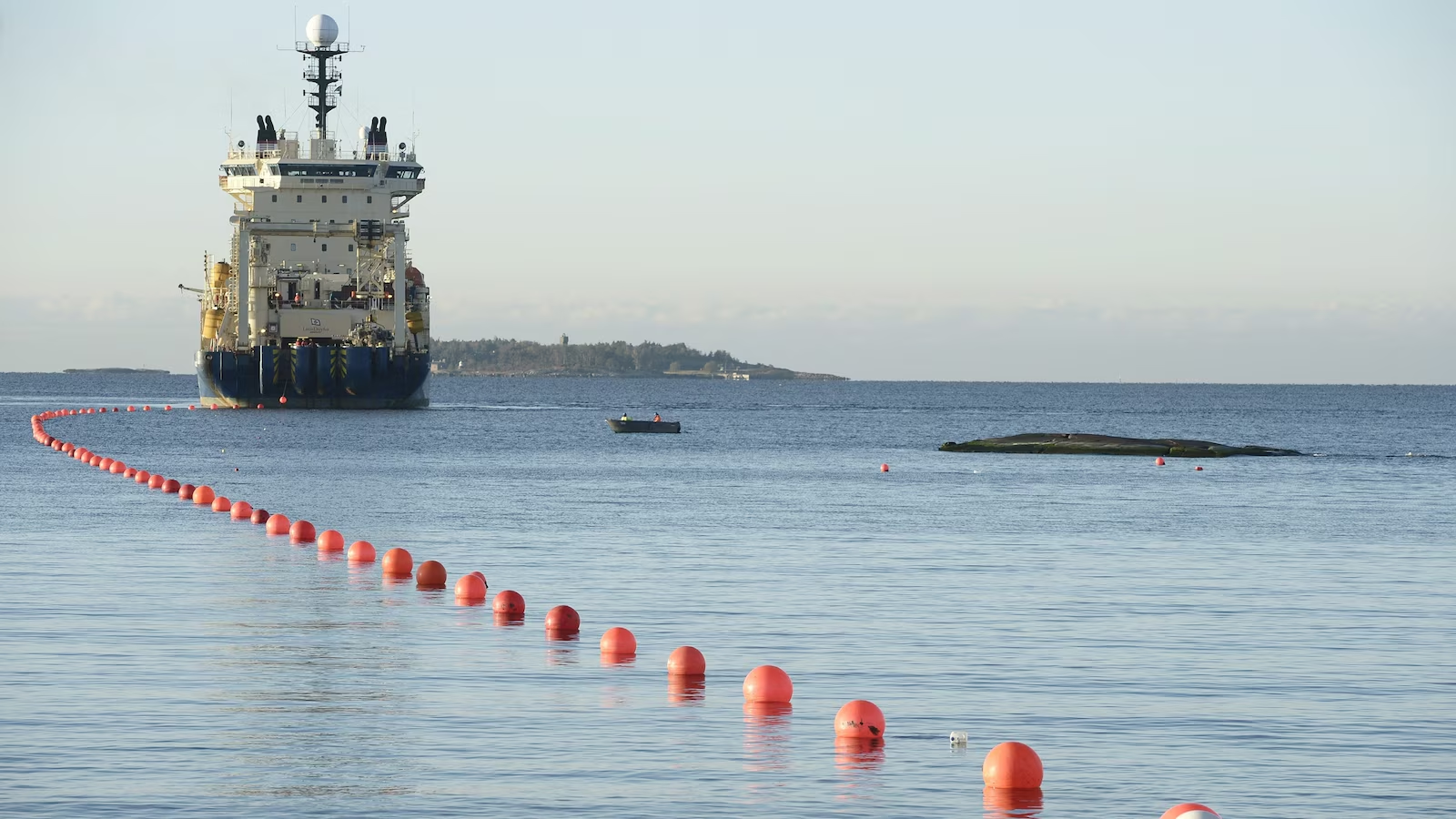
An investigation into potential sabotage is underway after two underwater telecommunications cables in the Baltic Sea were cut, affecting connections between Germany, Finland, Lithuania, and Sweden. The incidents, which occurred in the Swedish economic zone, have prompted a joint investigation by NATO countries, with Sweden leading the effort. Authorities suspect intentional damage, raising concerns about European security amid ongoing tensions with Russia. Repair work is set to begin, and investigations by Swedish and Lithuanian authorities are ongoing.
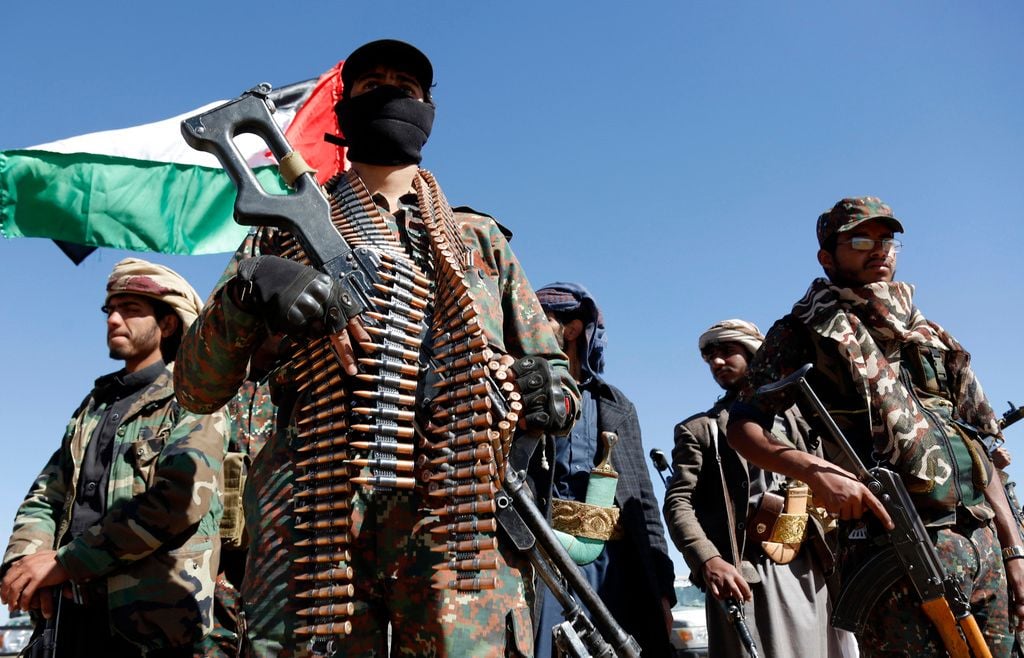
Houthi attacks have damaged four underwater communication cables between Saudi Arabia and Djibouti, disrupting communication between Europe and Asia. The cables affected include AAE-1, Seacom, Europe India Gateway (EIG), and TGN systems, causing immediate harm to Gulf states and India. The attacks are believed to be carried out by the Iran-backed Houthi rebels, and the United States Central Command reported shooting down two drones in the southern Red Sea area.
Houthi rebels have successfully targeted four underwater communication cables between Saudi Arabia and Djibouti, disrupting connectivity between Europe and Asia. The affected cables include the AAE-1, Seacom, EIG, and TGN systems, impacting communication and trade between the two continents. Despite Western responses, including offensive actions, the attacks on international trade by the Iranian-backed Houthi movement continue, with the group expressing solidarity with Palestinians amid the conflict with Israel.
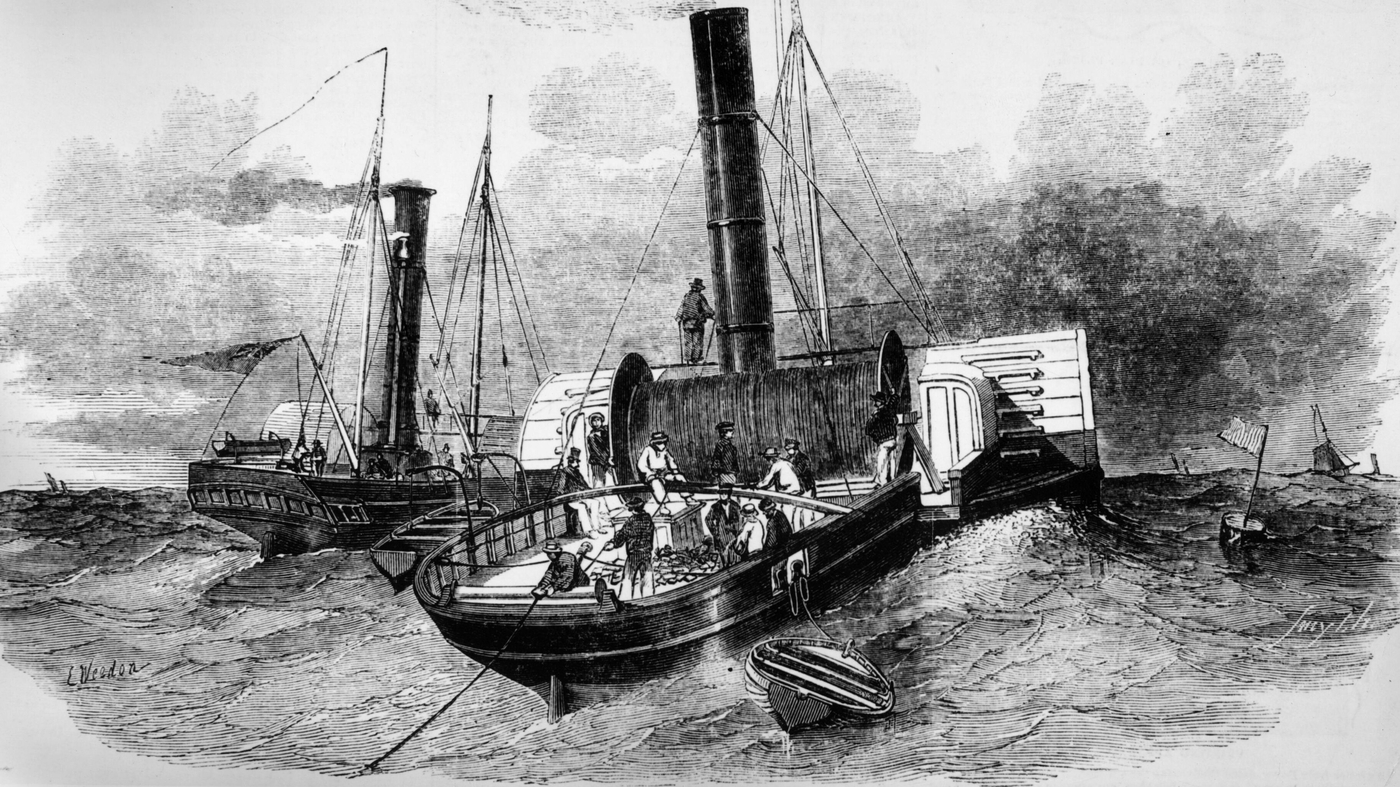
The internet's seemingly instantaneous connectivity is made possible by a network of undersea data cables that connect the world. These cables transmit data across vast distances, allowing people to access content from anywhere in the world. The process is far more analog than one might expect, with no involvement from satellites in space.