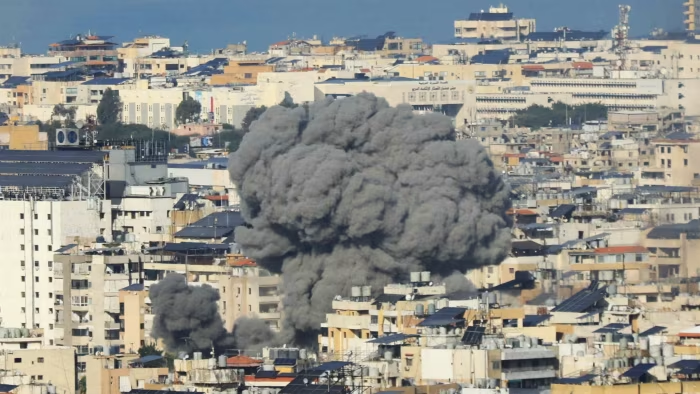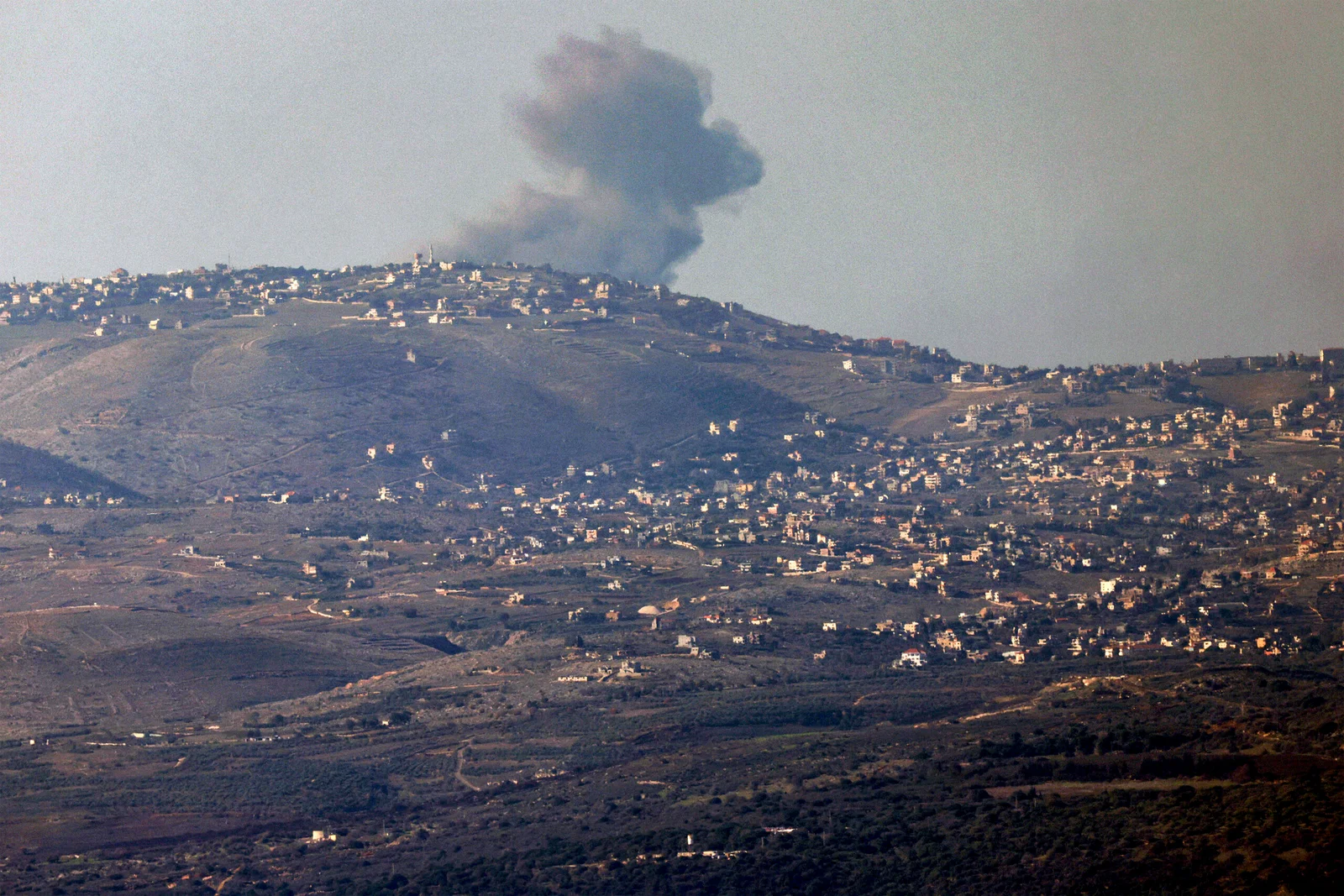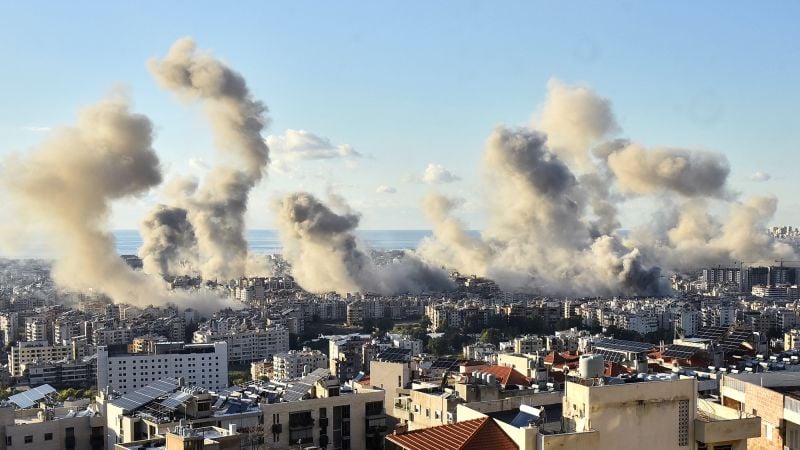
The Israeli security cabinet has approved a US-brokered ceasefire deal with Lebanon, aiming to end over a year of conflict with Hezbollah. The agreement, effective from Wednesday, seeks to implement UN Security Council Resolution 1701, which calls for Israeli withdrawal from southern Lebanon and limits armed groups in the area. Despite the deal, tensions remain high, with Israeli Prime Minister Netanyahu warning of forceful responses to any violations by Hezbollah. The decision has faced criticism from some Israeli officials and residents affected by the conflict.
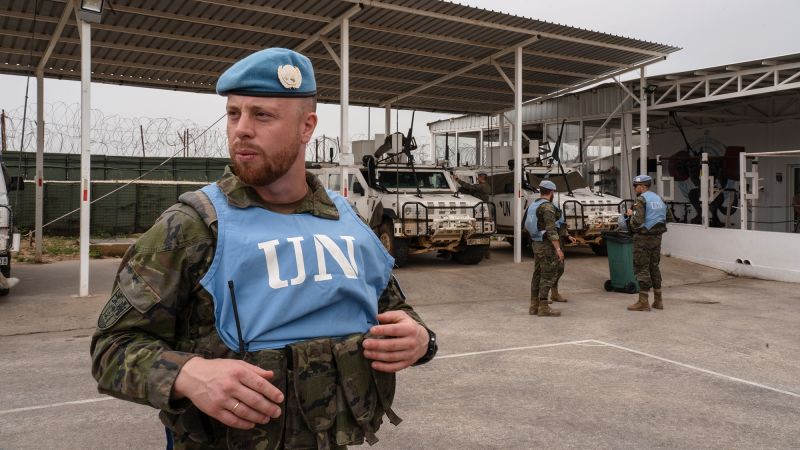
An 18-year-old UN resolution, Resolution 1701, is being revisited as a potential framework for ending the ongoing conflict between Israel and Hezbollah in Lebanon. The resolution, originally adopted to end the 2006 war, calls for the withdrawal of Israeli forces from southern Lebanon and the deployment of Lebanese and UN peacekeeping forces. The U.S. is mediating a ceasefire proposal that emphasizes stricter enforcement of the resolution, but disagreements remain over military operations and border security.
Lebanon has responded positively to a US proposal for a ceasefire between Hezbollah and Israel, though it has not formally accepted the offer. US special envoy Amos Hochstein is set to visit Lebanon to discuss the proposal, which aims to build on UN Security Resolution 1701. This resolution, which ended the Second Lebanon War, prohibits armed non-state actors like Hezbollah from operating in Southern Lebanon. The US and Israel seek an enforcement mechanism to ensure compliance, while Lebanon and Hezbollah oppose granting Israel the right to strike Hezbollah targets.
Lebanon is reviewing a US-drafted ceasefire proposal aimed at ending the conflict with Israel and Hizbollah, based on UN Resolution 1701, which calls for Hizbollah's disarmament south of the Litani River and Israeli troop withdrawal from Lebanon. The proposal excludes Israeli military freedom of movement in Lebanon, potentially increasing its acceptability to Beirut. However, skepticism remains high among Lebanese officials, and the proposal's details have not been publicly disclosed. Meanwhile, tensions continue with ongoing Israeli airstrikes and Hizbollah's retaliatory attacks.
The ongoing conflict between Israel and Hezbollah along the Israel-Lebanon border has created a "waking nightmare" for residents in northern Israel, according to Sarit Zehavi, founder of the Alma Research and Education Center. Efforts to push Hezbollah north of the Litani River, as mandated by UN Security Council Resolution 1701, have been ineffective, with Hezbollah continuing to hoard weapons and entrench itself in the Lebanese government. Israel has called on international allies to ensure Lebanese compliance with the resolution, while diplomatic efforts are underway to stabilize the situation. However, Zehavi argues that relying on Resolution 1701 is dangerous and ineffective, as it has allowed Hezbollah to grow stronger over the years. The ongoing threat of Hezbollah attacks has left residents in northern Israel fearful and on high alert.