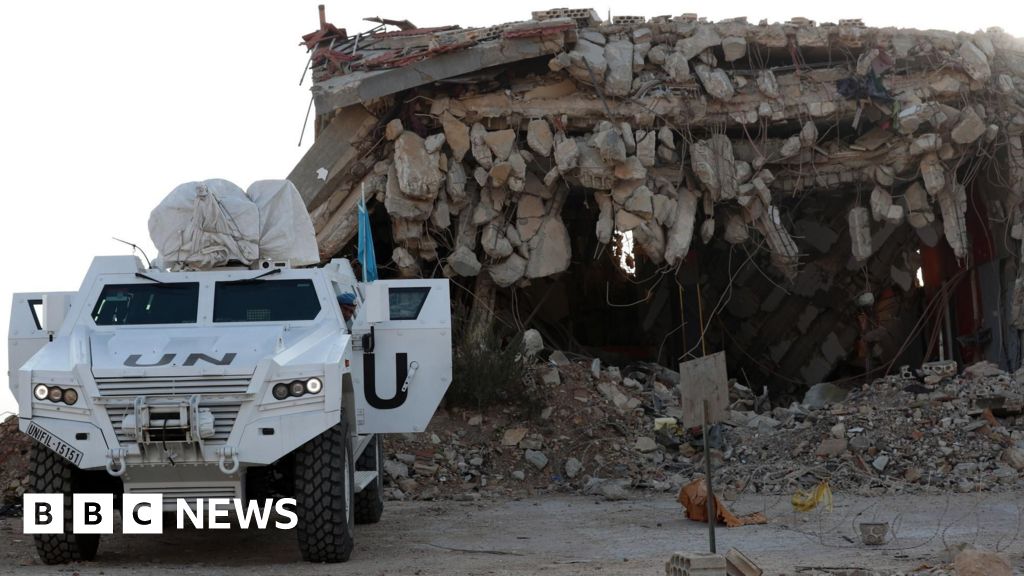
The UN peacekeeping force in Lebanon shot down an Israeli drone near the border, marking a rare incident amid ongoing tensions and violations of the ceasefire by Israel, which continues air strikes and drone flights over Lebanon despite international calls for restraint. The incident highlights the fragile security situation in southern Lebanon, where diplomatic efforts are underway to restore stability.
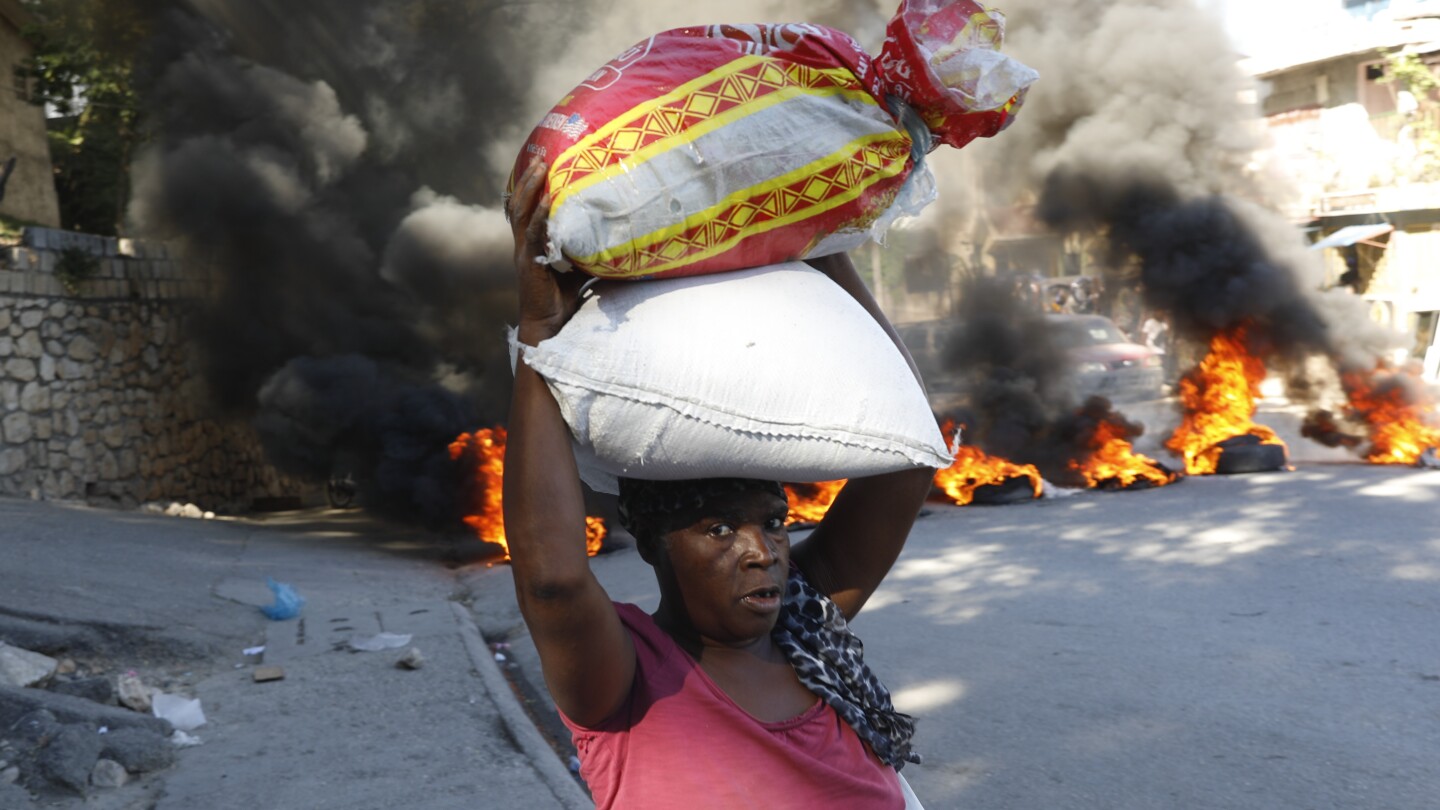
Gangs in Haiti have besieged the Solino community in Port-au-Prince for four days, prompting fears of violence spreading throughout the city. Residents have been trapped in their homes amid incessant gunfire, with homes torched and casualties reported. The attack, whose organizers are unclear, could mark a significant shift in gang control, as they are estimated to dominate up to 80% of the capital. Haiti's National Police have deployed officers to track down armed individuals causing panic, while nearby communities have erected barricades to prevent gang infiltration. Concerns are mounting over the violence spilling into other neighborhoods, prompting parents to rush to schools to pick up their children. Haiti is awaiting the deployment of a foreign armed force led by Kenya to help quell gang violence.
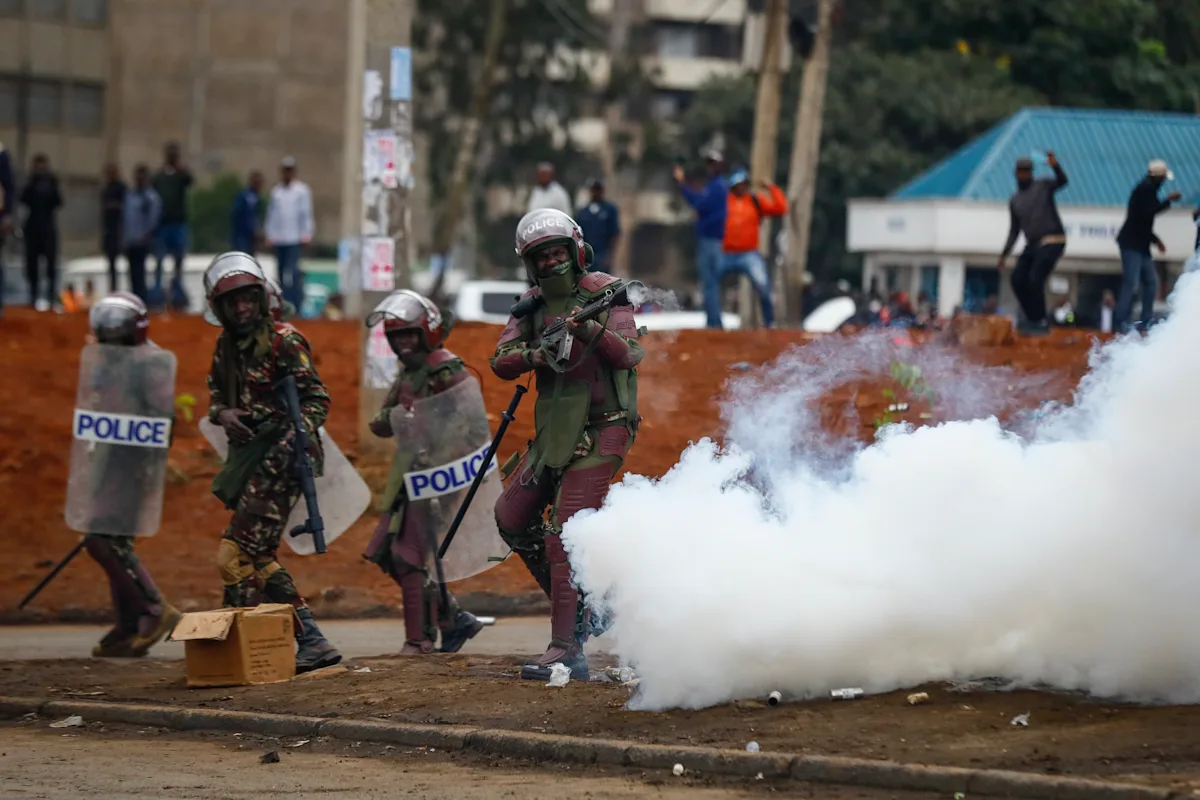
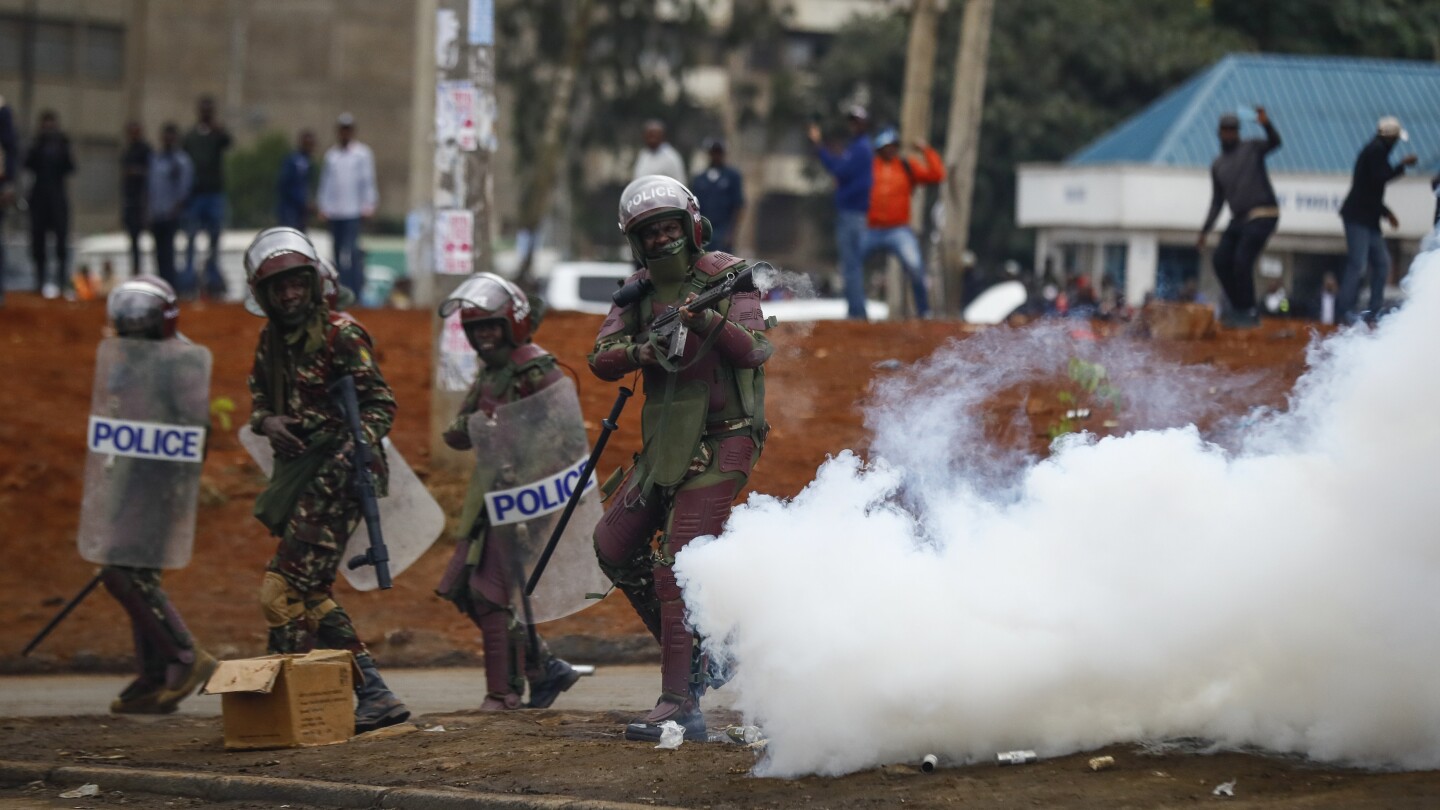
The US is considering Kenya to lead a multinational force in Haiti to address gang warfare, despite Kenya's police force being accused of killings and torture by rights watchdogs. Kenyan police officers have been warned against violent abuses, but now 1,000 of them may be deployed to Haiti. Concerns have been raised about exporting abusive police, and the fact that Kenyan police have little overseas experience and don't speak French, the language used in Haiti. While Kenya has a presence in neighboring Somalia and eastern Congo, its peacekeeping deployments have been limited compared to other African nations. Critics argue that Kenya should focus on addressing challenges within its own police force, including political interference, inadequate reform, and a culture of impunity.
The US is considering Kenya to lead a multinational force in Haiti to address gang warfare, despite Kenya's police force being accused of killings and torture. Kenyan police officers have been warned against violent abuses, but now they may be deployed to Haiti, where they have little overseas experience and don't speak French. Human rights watchdogs are concerned about exporting abusive police, while Kenya's government sees it as a demonstration of solidarity. Kenya's police force has a presence in Somalia and Congo, but has fewer personnel in UN peacekeeping missions compared to other African nations. Kenya's police force has received training and support from the US and EU, but recent protests have highlighted allegations of brutality.
The US is considering Kenya to lead a multinational force in Haiti to address gang warfare, despite Kenya's police force being accused of killings and torture by rights watchdogs. Kenyan police officers have been warned against violent abuses, but now they may be deployed to Haiti, where deadly gang violence has escalated since the assassination of President Jovenel Moise. Some organizations are concerned about Kenya exporting abusive police, while others argue that Kenya's security forces should focus on domestic threats. Kenya has relatively little overseas experience in such large numbers and does not speak French, which is used in Haiti.
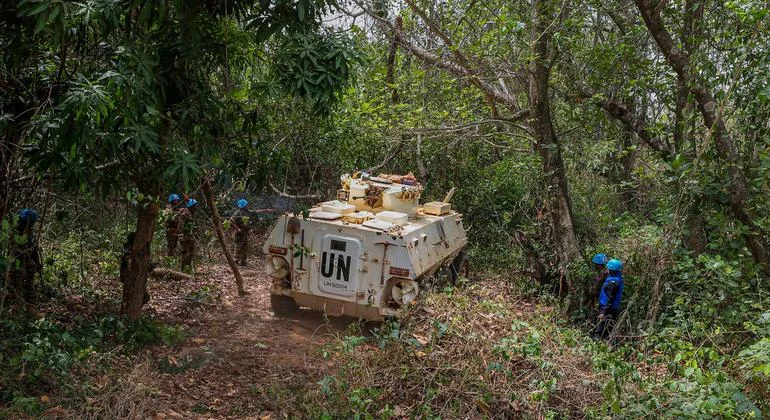
An entire unit of 60 Tanzanian peacekeepers in the Central African Republic (CAR) is to be repatriated following allegations of sexual exploitation and abuse. A preliminary investigation found credible evidence that 11 members of the unit had allegedly engaged in sexual exploitation and abuse of four victims. The Tanzanian government has been formally notified of the decision and has committed to taking necessary action to address the matter. The UN remains committed to robustly implementing its zero tolerance policy towards sexual abuse by UN personnel.