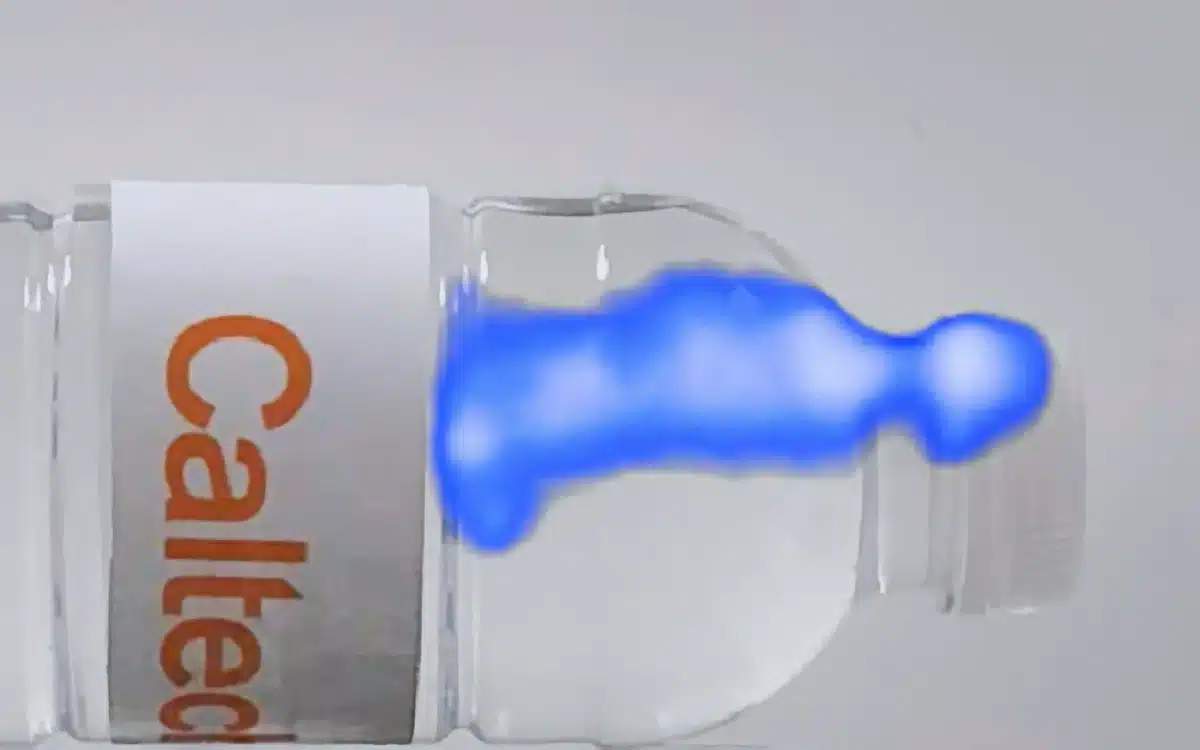
YouTubers The Slow Mo Guys used a special camera capable of recording 10 trillion frames per second to capture the speed of light on camera, showcasing a groundbreaking achievement in ultrafast imaging, and highlighting recent scientific advances like freezing light into a solid state.
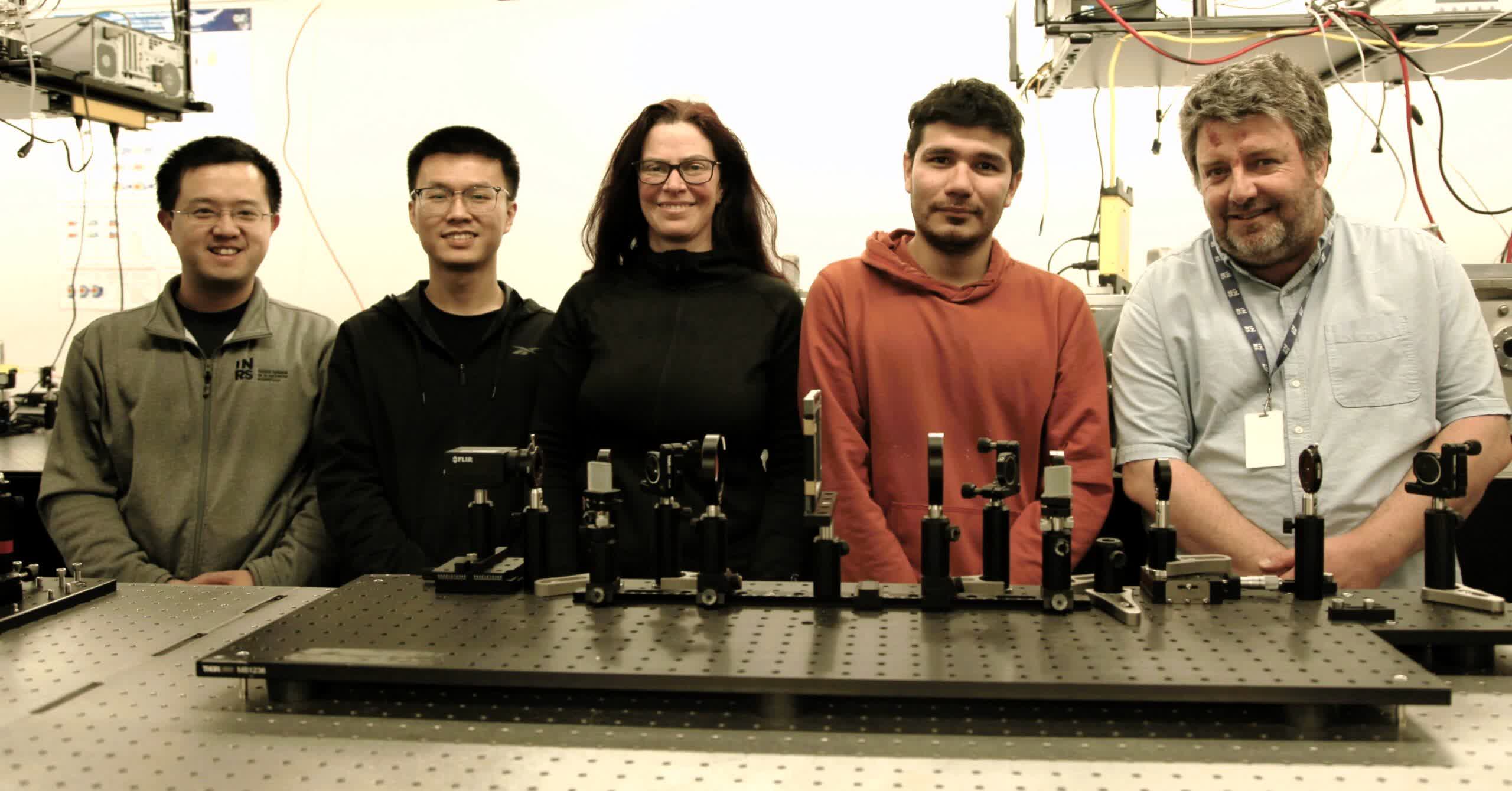
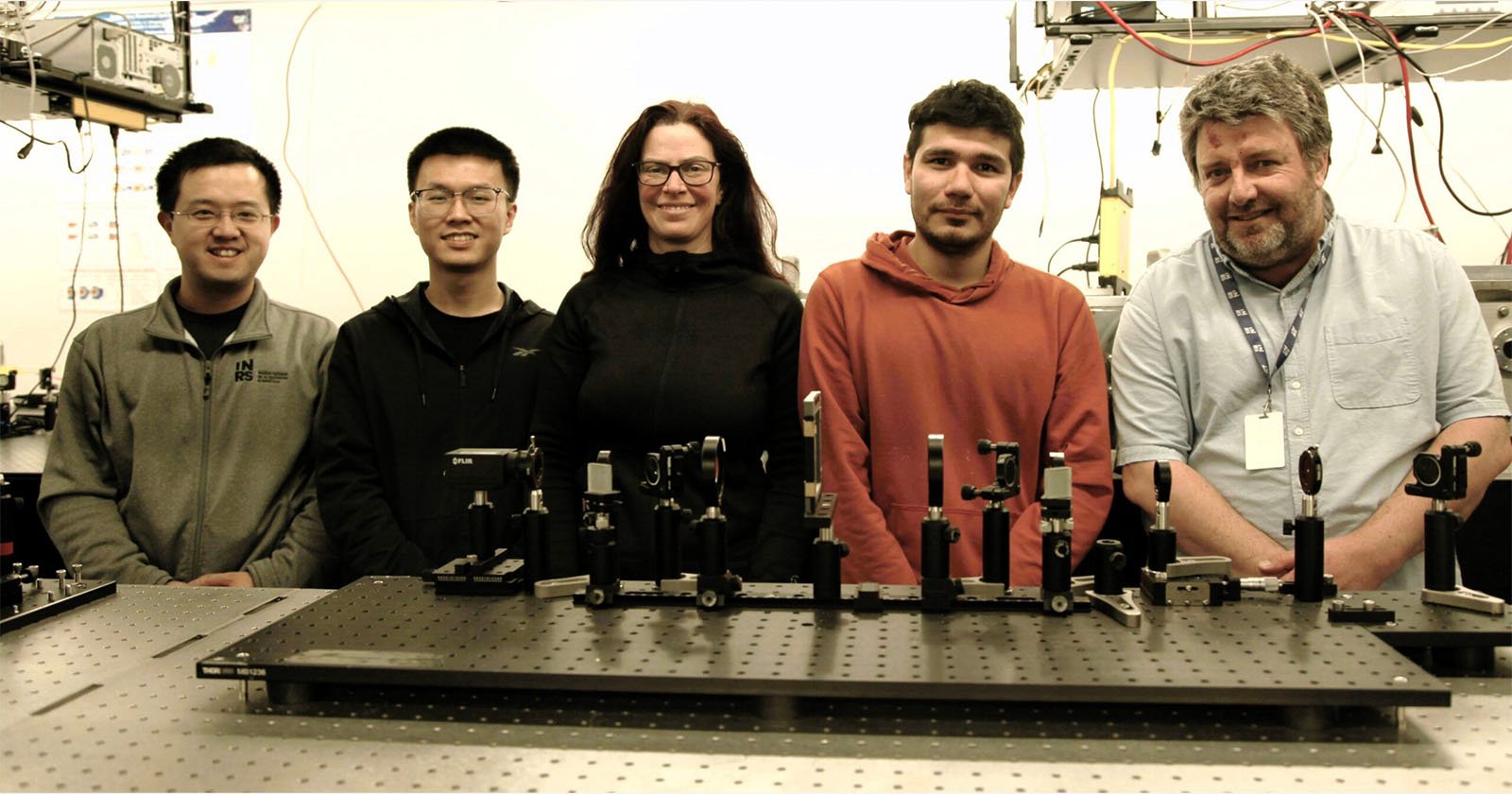
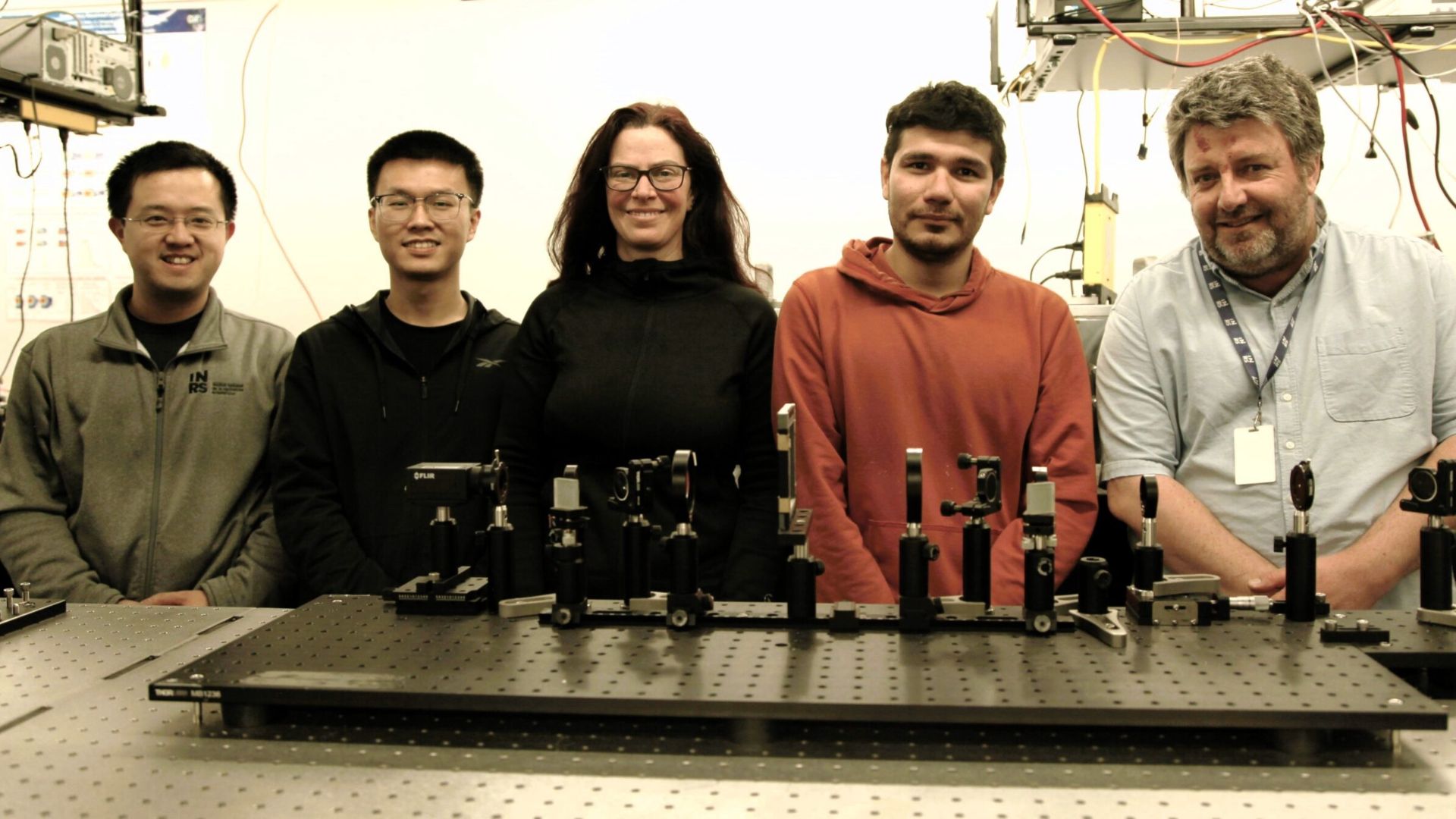
Researchers at the National Institute of Scientific Research have developed SCARF, an ultrafast camera capable of capturing up to 156.3 trillion frames per second, surpassing previous groundbreaking technology like T-CUP. This cutting-edge imaging device is expected to expand knowledge boundaries across various fields and will be particularly useful for observing non-repeatable phenomena. SCARF overcomes limitations of previous systems and is constructed using off-the-shelf and passive optical components, making it relatively inexpensive to build. Two companies are already working to bring the camera to market.
Canadian researchers have developed the SCARF camera system, capable of capturing up to 156.3 trillion frames per second using passive femtosecond imaging. This breakthrough in ultrafast photography allows for the study of micro-events that occur too quickly for existing sensors, such as absorption in a semiconductor and demagnetization of a metal alloy. The camera uses computational imaging to process time-staggered inputs and create a full picture, enabling the study of phenomena like femtosecond laser ablation and shock-wave interaction with living cells. The system, made using off-the-shelf optical components, represents a significant advancement in ultrafast imaging technology.
Researchers at Énergie Matériaux Télécommunications in Canada have created an ultrafast camera system capable of capturing images at an astounding rate of 156.3 trillion frames per second, far surpassing the FPS of professional cinematic cameras.