A major data breach has exposed 183 million Gmail accounts and passwords, potentially compromising user security. Users are advised to change their passwords and enable two-factor authentication to protect their accounts. The breach was part of a larger hack aggregated from multiple sources and was identified by Have I Been Pwned.
Plex experienced a security breach exposing some user data, prompting the company to advise users to reset their passwords, enable two-factor authentication, and sign out of connected devices to enhance account security.
Google warns that Gmail accounts are under increasing attack, with scammers impersonating Google support to hijack accounts. Users are advised to verify account activity through official channels, strengthen security with strong passwords, and enable two-factor authentication. Despite clarifications that recent breaches did not affect data, the threat of account hijacking remains high, emphasizing layered security practices.
Google is warning Gmail users to enhance their account security amid increased phishing attacks and data breaches, urging them to enable two-factor authentication, update passwords, and monitor security activity to protect against hackers like ShinyHunters and UNC groups.
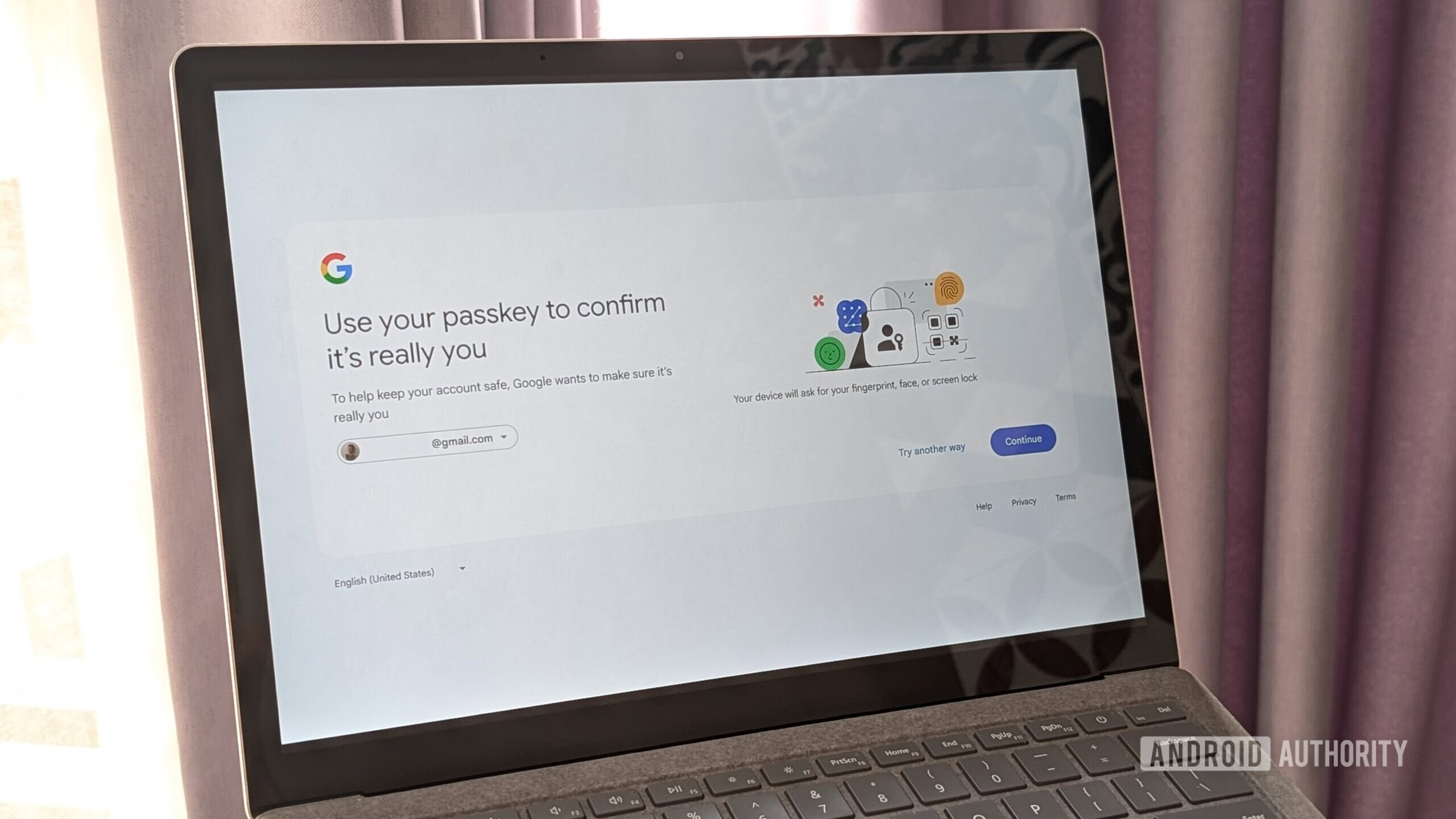
Google warns its 2.5 billion Gmail users to change their passwords immediately due to increased phishing and credential theft attacks, emphasizing the importance of using strong, unique passwords, enabling two-factor authentication with authenticator apps, and adopting passkeys for enhanced security.
Google has confirmed that hackers are accessing Gmail accounts through compromised passwords, urging users to change their passwords immediately and adopt stronger security measures like passkeys and authenticators, as most users still rely on outdated password practices, putting their accounts at risk.
Google is testing a new QR code-based verification system to replace traditional SMS codes for enhanced security and to combat vulnerabilities associated with SMS-based two-factor authentication, reflecting a broader industry shift towards more secure authentication methods.
Google warns Gmail users to enhance security by using strong, unique passwords, enabling passkeys, and avoiding outdated sign-in methods due to rising hacking threats, especially from malware and AI-related vulnerabilities. Users are advised to regularly review account access and switch to more secure authentication methods to protect their digital lives.
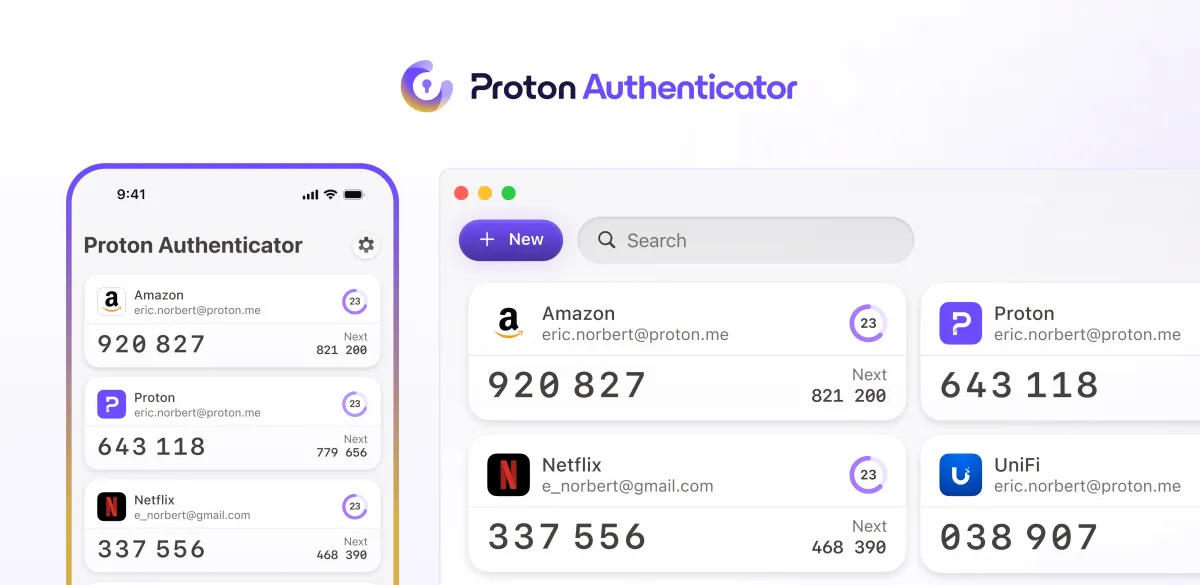
Proton has launched a free, open-source authenticator app available across all major platforms, offering secure, encrypted, and offline-compatible two-factor authentication to enhance account security and user privacy.
Google has confirmed a recent attack on Gmail accounts and emphasizes the urgent need for users to upgrade their security by adopting passkeys, which are more secure and phishing-resistant than traditional passwords and 2FA methods, to protect all linked accounts from ongoing threats and breaches.
Apple is enhancing its autofill feature for two-factor authentication codes in iOS 26 and macOS Tahoe, expanding support to third-party messaging, email, and browser apps, making login security more seamless across devices.
The article discusses the benefits of passkeys as a secure and convenient replacement for traditional passwords, highlighting their ease of use, enhanced security features, and growing support across devices and platforms. The author shares personal experience with adopting passkeys and emphasizes their potential to improve online security and simplify login processes, urging wider adoption and better promotion by tech companies.
Roku announced that nearly 576,000 accounts were affected by a data breach, following an earlier incident impacting 15,000 users. The unauthorized access was due to "credential stuffing," where hackers used stolen login credentials from another source. While some accounts were used to make unauthorized purchases, no sensitive payment information was compromised. Roku has reset passwords, enabled two-factor authentication for all accounts, and is refunding affected customers. They advise users to review their account information, use strong unique passwords, and remain vigilant against identity theft and fraud.
Roku reported a second security breach affecting over 576,000 accounts, with login credentials likely stolen from another source. The company reset passwords for affected accounts, refunded unauthorized purchases, and enabled two-factor authentication for all accounts. While only a small fraction of its 80 million active accounts were affected, Roku is implementing measures to detect and deter future incidents. Users are advised to create strong, unique passwords and remain vigilant for suspicious communications. This is the second breach for Roku in recent months, following a hack that exposed over 15,000 user accounts in March.