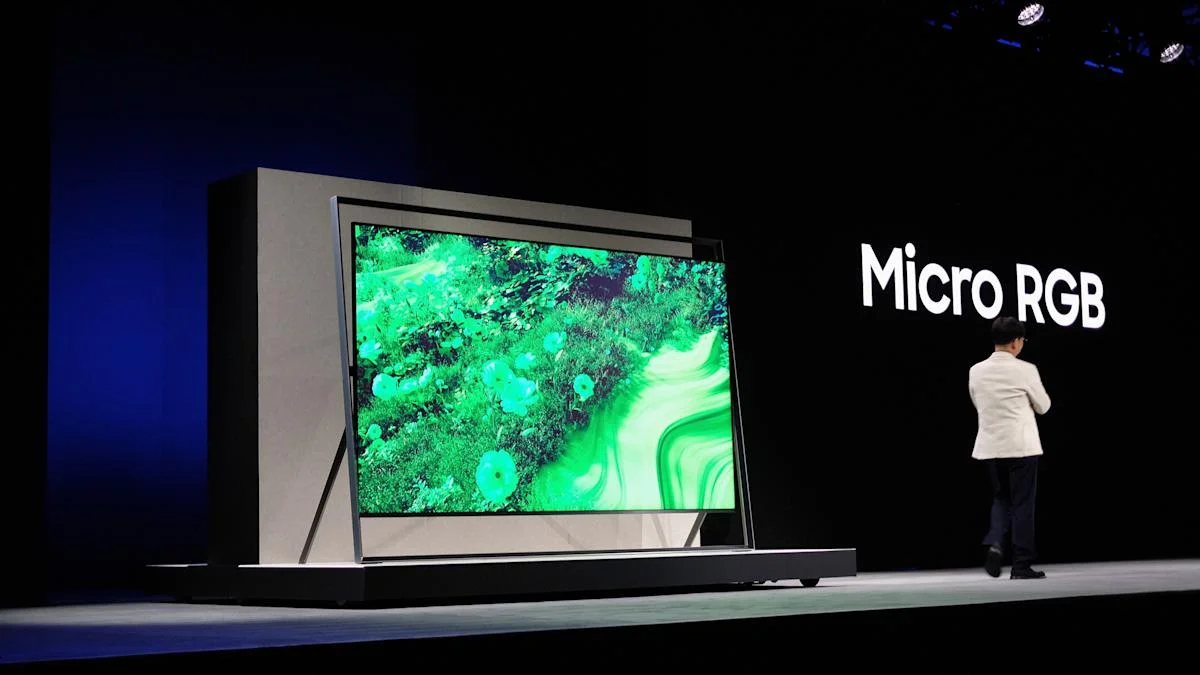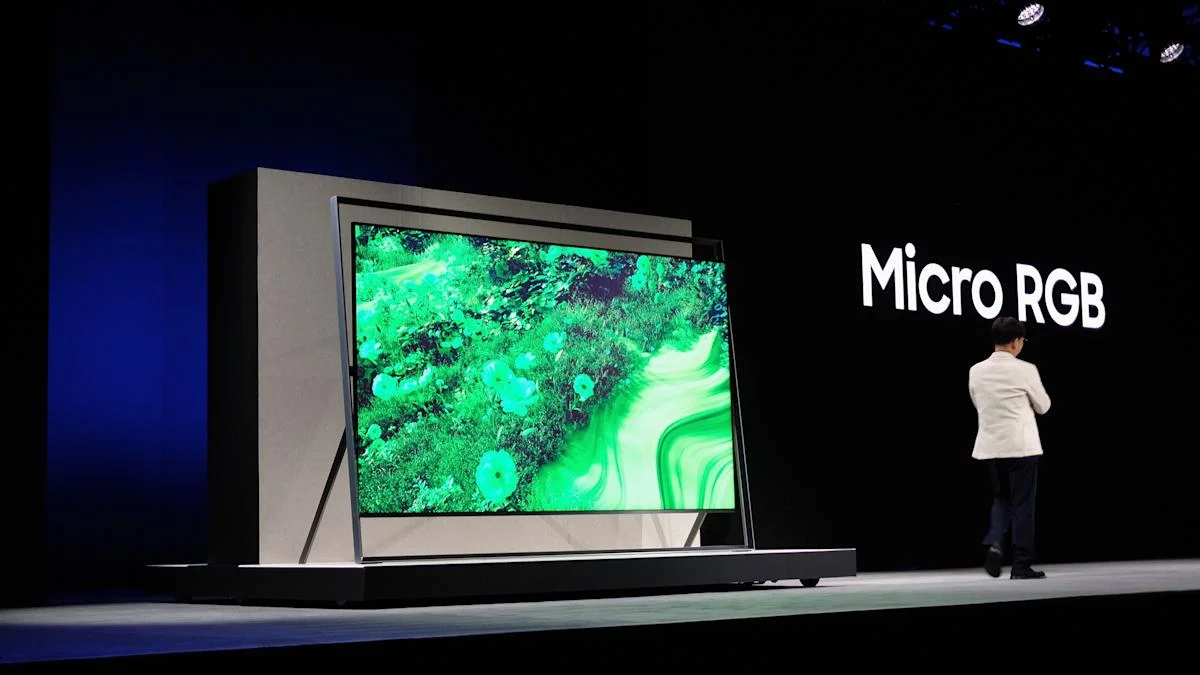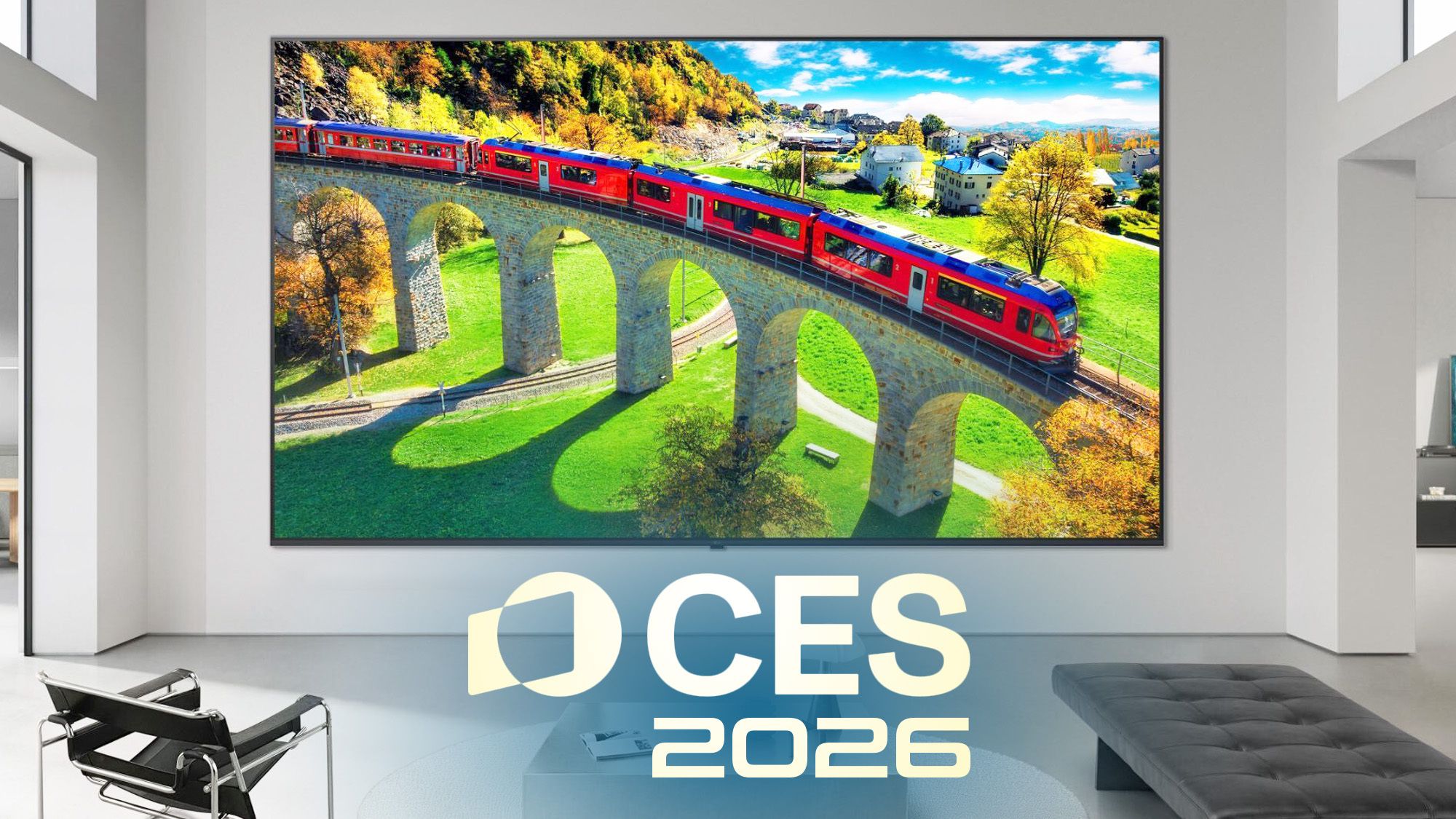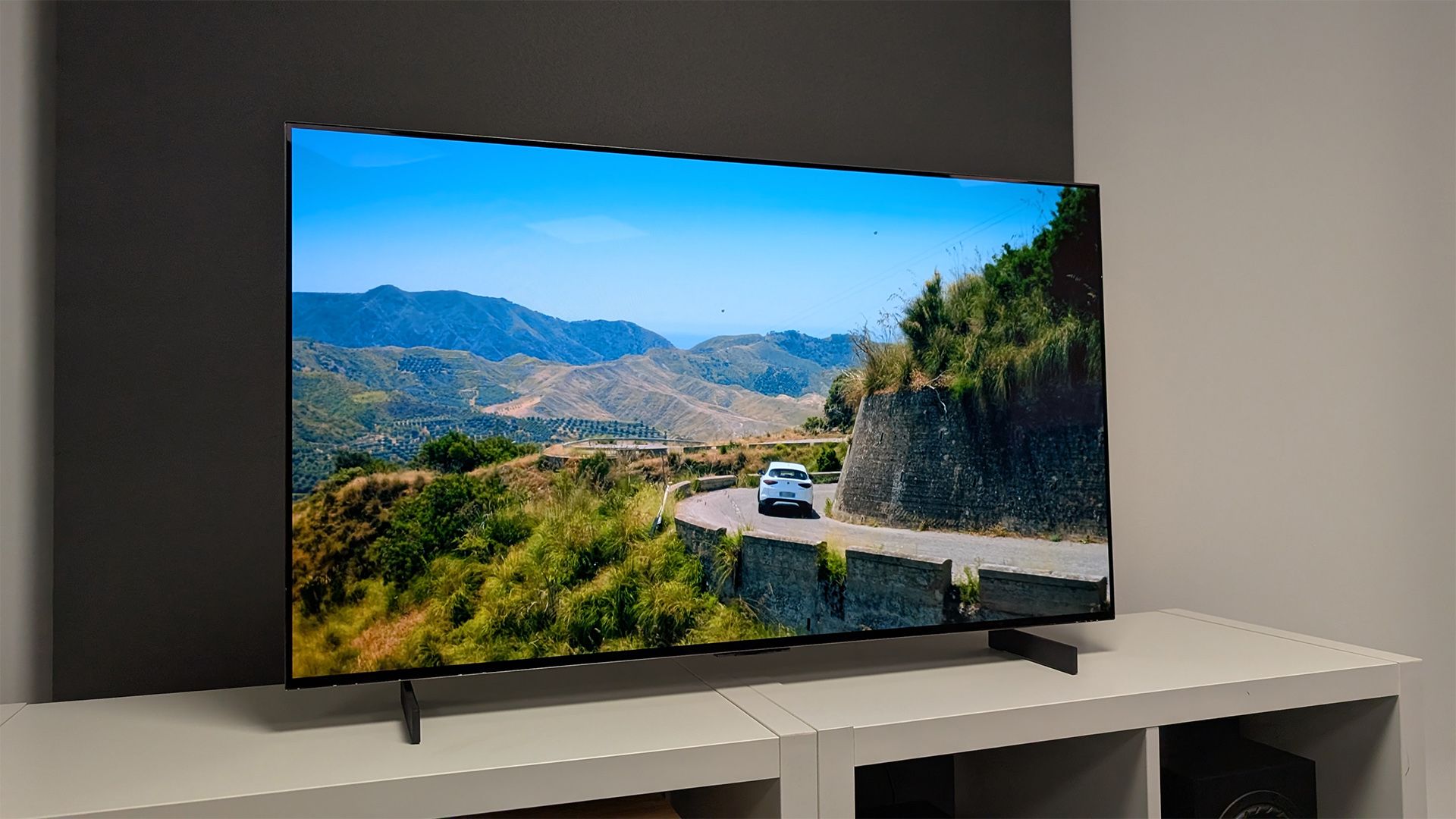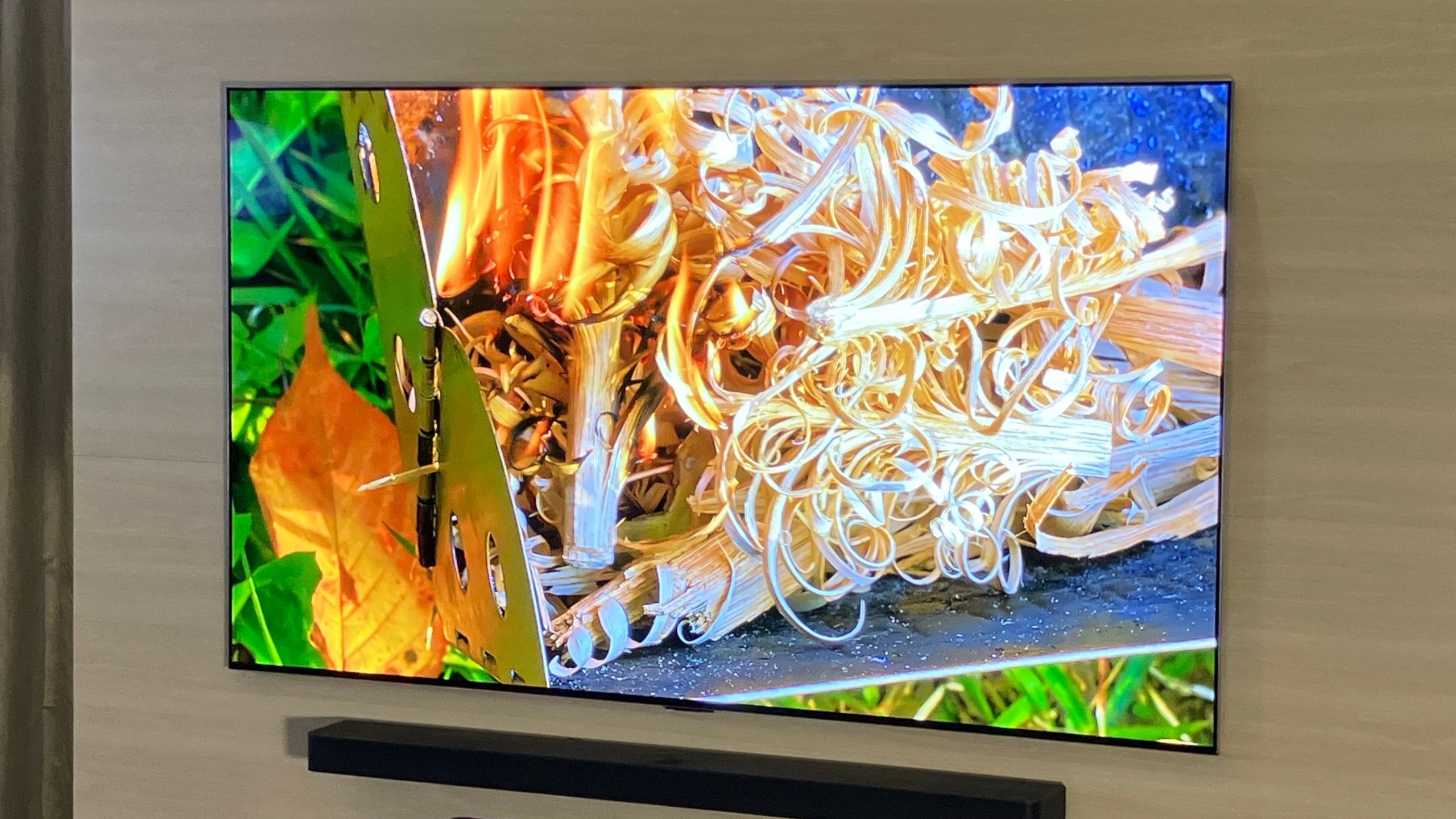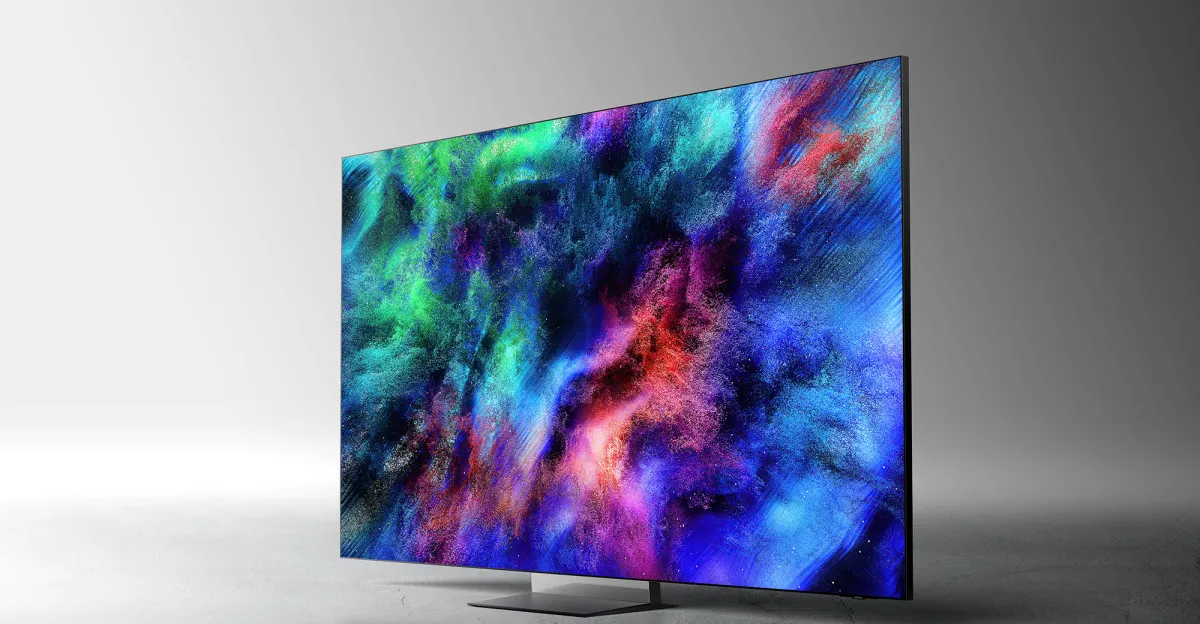
CES 2026 showcased major TV innovations from Samsung, LG, and TCL, including Samsung's Micro RGB LCDs with enhanced color accuracy, LG's ultra-thin Wallpaper OLED with wireless capabilities, and TCL's high-brightness Mini LED TV, highlighting ongoing advancements in display tech across OLED, Micro RGB, and Mini LED categories.
RGB LED TVs, also known as micro RGB or RGB mini LED, are emerging as a major technology in 2026, promising highly accurate colors and extreme brightness by using red, green, and blue backlighting. These TVs aim to surpass previous LED and OLED models in color range and brightness, with early models from major manufacturers showcasing impressive visuals, though some issues like color bleed and blooming remain to be fully tested and addressed. This technology is expected to become a key feature in mid-tier TVs, enhancing content quality and viewing experience over time.
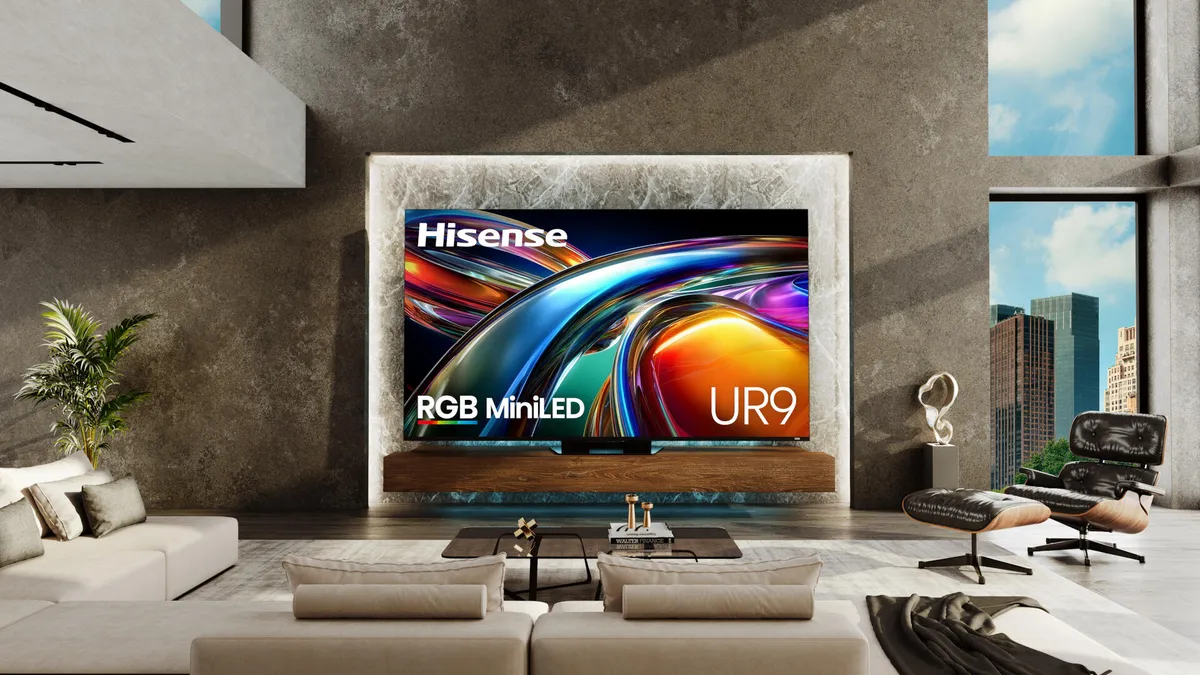
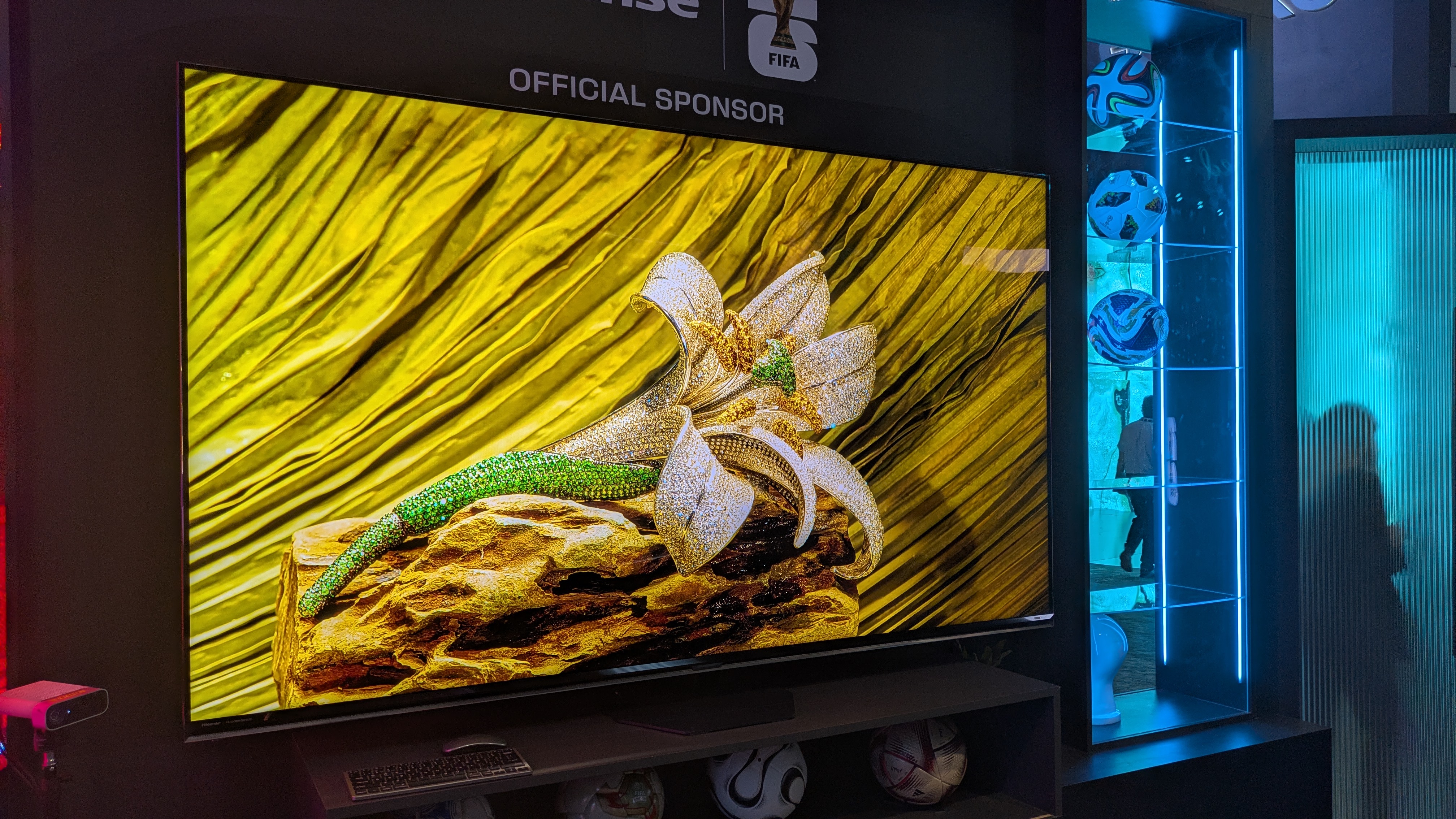
Hisense announced new RGB mini-LED TVs, the UR8 and UR9 series, set to release in 2026 with sizes from 55 to 100 inches, featuring enhanced color accuracy and onboard audio tuned by Devialet, aiming to bring advanced tech to a broader audience amidst upcoming competition from other brands.
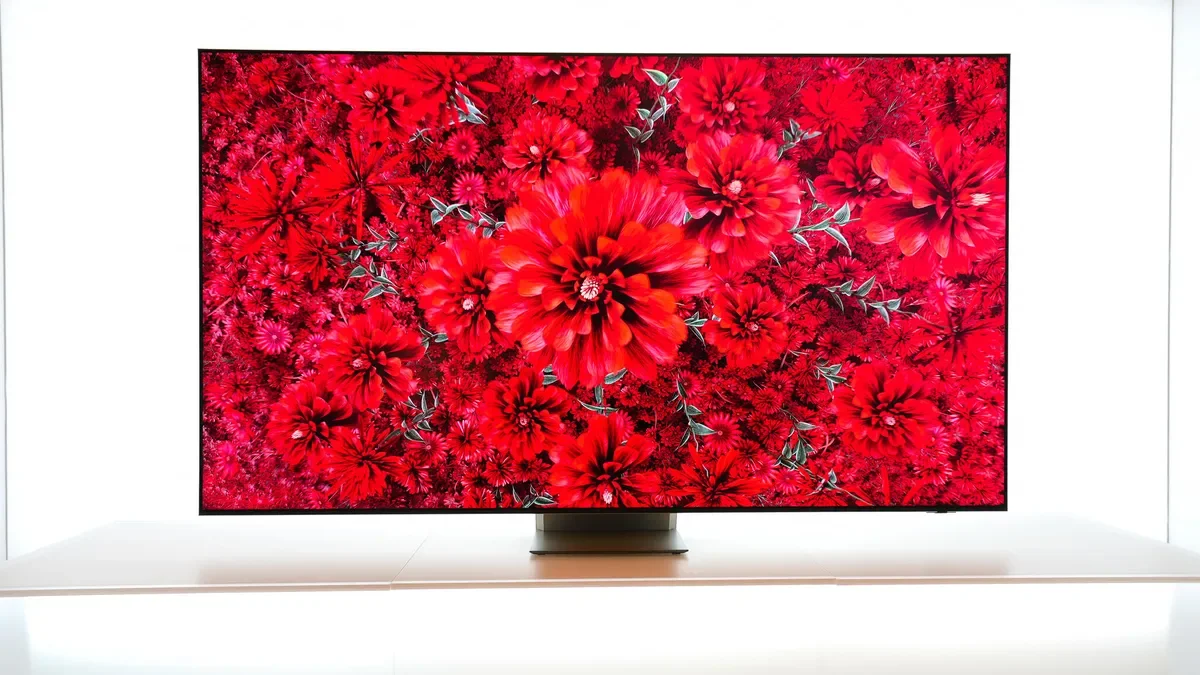
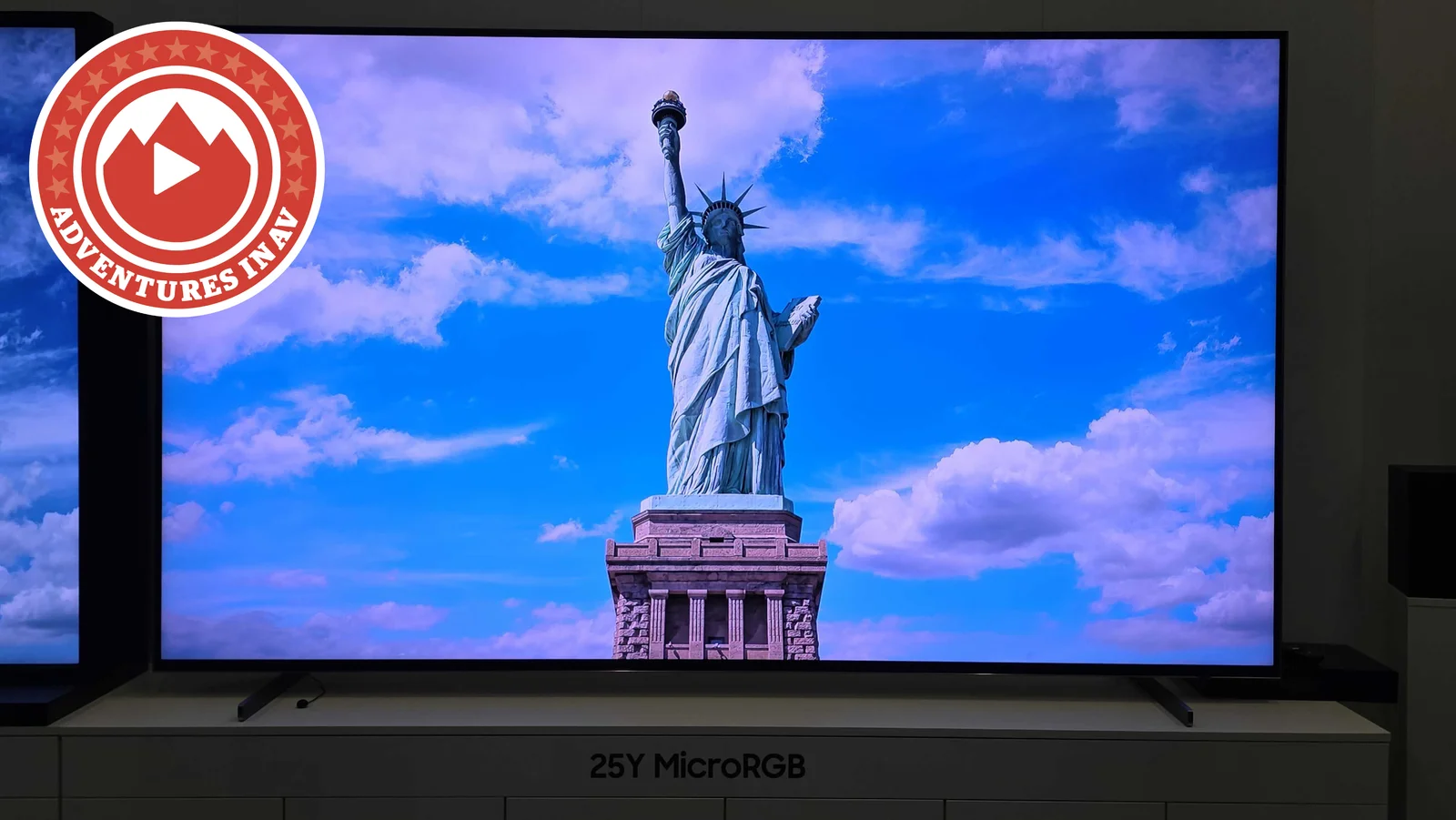
CES 2026 showcases major advancements in TV technology, including Samsung's Micro RGB TVs with wider color gamut and higher brightness, new OLED models from Samsung and LG with improved brightness and design, LG's ultra-thin Wallpaper TV, and TCL's high-brightness Mini LED TV, highlighting industry shifts towards brighter, more colorful, and versatile displays.
CES 2026 will showcase advancements in TV technology focusing on improved picture quality through mini-LED, micro-LED, and OLED displays, with a trend towards brighter, more affordable TVs that benefit consumers, despite the presence of bizarre prototypes.
CES 2026 will showcase Micro RGB TVs, a new display technology using microscopic RGB LEDs that promise superior color accuracy and brightness, potentially revolutionizing home entertainment displays and challenging existing technologies like Micro LED and OLED.
LG is preparing for an innovative 2026 with new RGB Mini LED TVs featuring advanced backlight technology, multiple OLED models likely including the G6 and M6, and a new Dolby Atmos sound system that offers flexible home theater configurations, all aimed at maintaining its leadership in display and audio tech.
LG Display is preparing to unveil its next-generation OLED panels, including the innovative Tandem WOLED technology, at CES 2026, featuring increased brightness, durability, and performance, along with new gaming monitor displays and a Micro RGB TV upgrade.
Samsung's 2026 Micro RGB LED TVs are designed to be compact enough to fit comfortably in your living room, showcasing advancements in TV technology that prioritize both size and quality.
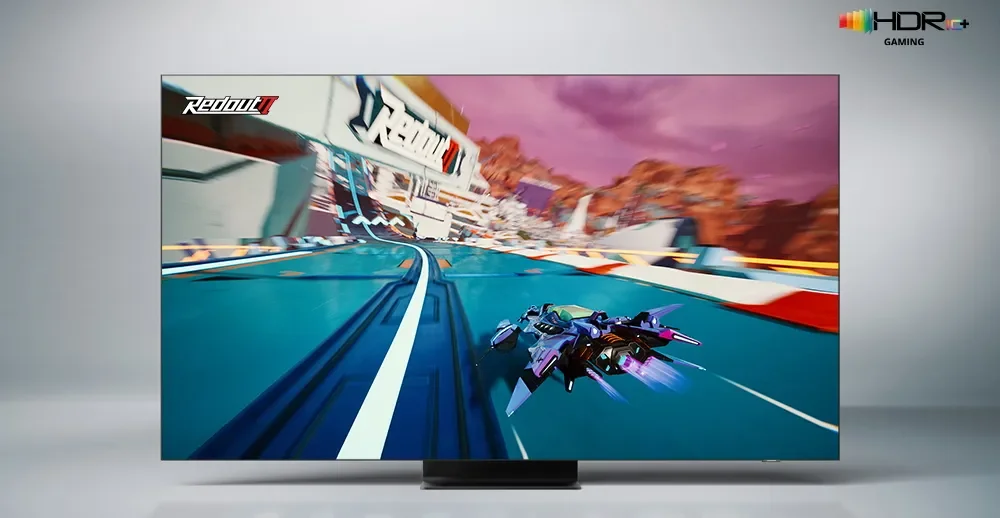
Samsung showcased its upcoming HDR10+ Advanced standard at its South Korea lab, highlighting improvements in brightness, color accuracy, and gaming features, with a focus on future high-end TVs like Micro RGB and Mini-LED models, and emphasizing the potential impact on content quality and consumer experience by 2026.
Samsung has previewed HDR10 Plus Advanced, a new dynamic HDR format similar to Dolby Vision 2, offering features like increased brightness, genre-specific adjustments, motion control, and improved color and tone mapping, but its benefits depend on streaming service support, with Amazon Prime Video already on board.
At IFA Berlin, major manufacturers like Samsung, Hisense, TCL, and Sony showcased next-generation RGB LED TVs, highlighting their vibrant colors, improved backlight control, and black depth capabilities, with Samsung and Hisense leading the way in size and innovation. These TVs promise to rival OLEDs in key areas and are set to become more mainstream in the coming years.
Hisense has unveiled an 85-inch RGB mini-LED TV at IFA 2025, offering vibrant colors, deep blacks, and high brightness comparable to OLEDs, with plans for a launch next year and a more affordable price point, signaling a potential shift in high-end TV technology.
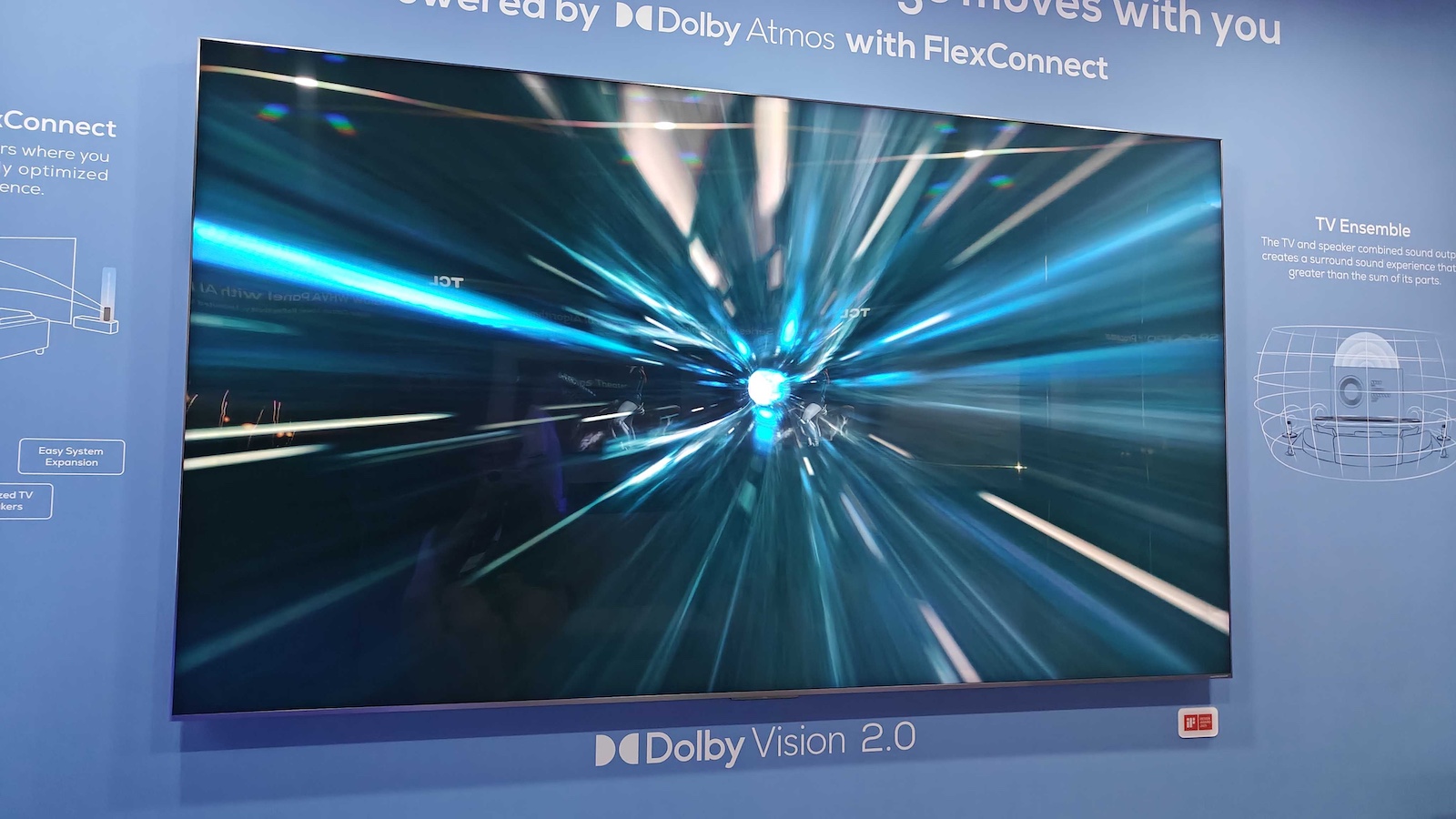
At IFA 2025, TCL showcased a 98-inch TV with Dolby Vision 2.0 branding, suggesting support for the new standard on current models like the C8K, which could imply software updates might enable Dolby Vision 2 without new hardware. The exact details and confirmation are still pending, but this marks a significant development in TV technology, with TCL potentially supporting Dolby Vision 2 earlier than expected.
Dolby Vision 2, the successor to Dolby Vision HDR, introduces advanced features like AI-driven Content Intelligence to improve image clarity and adapt to viewing environments, along with enhanced motion handling, which may spark controversy among purists.