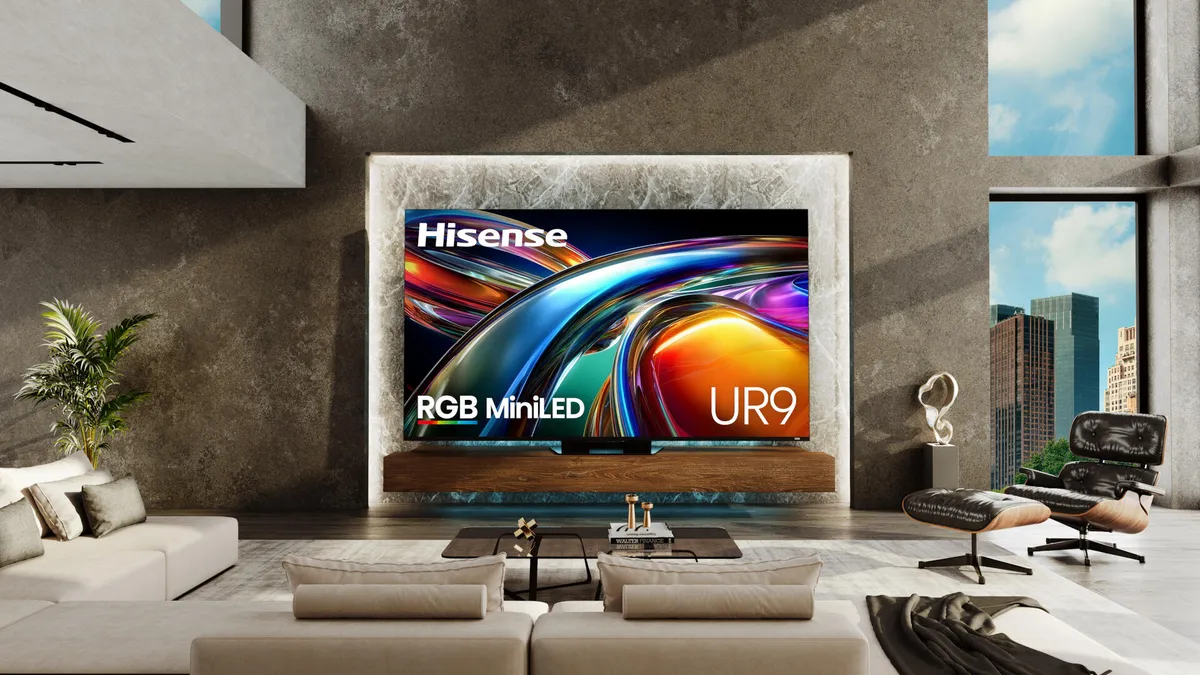
Hisense announced new RGB mini-LED TVs, the UR8 and UR9 series, set to release in 2026 with sizes from 55 to 100 inches, featuring enhanced color accuracy and onboard audio tuned by Devialet, aiming to bring advanced tech to a broader audience amidst upcoming competition from other brands.
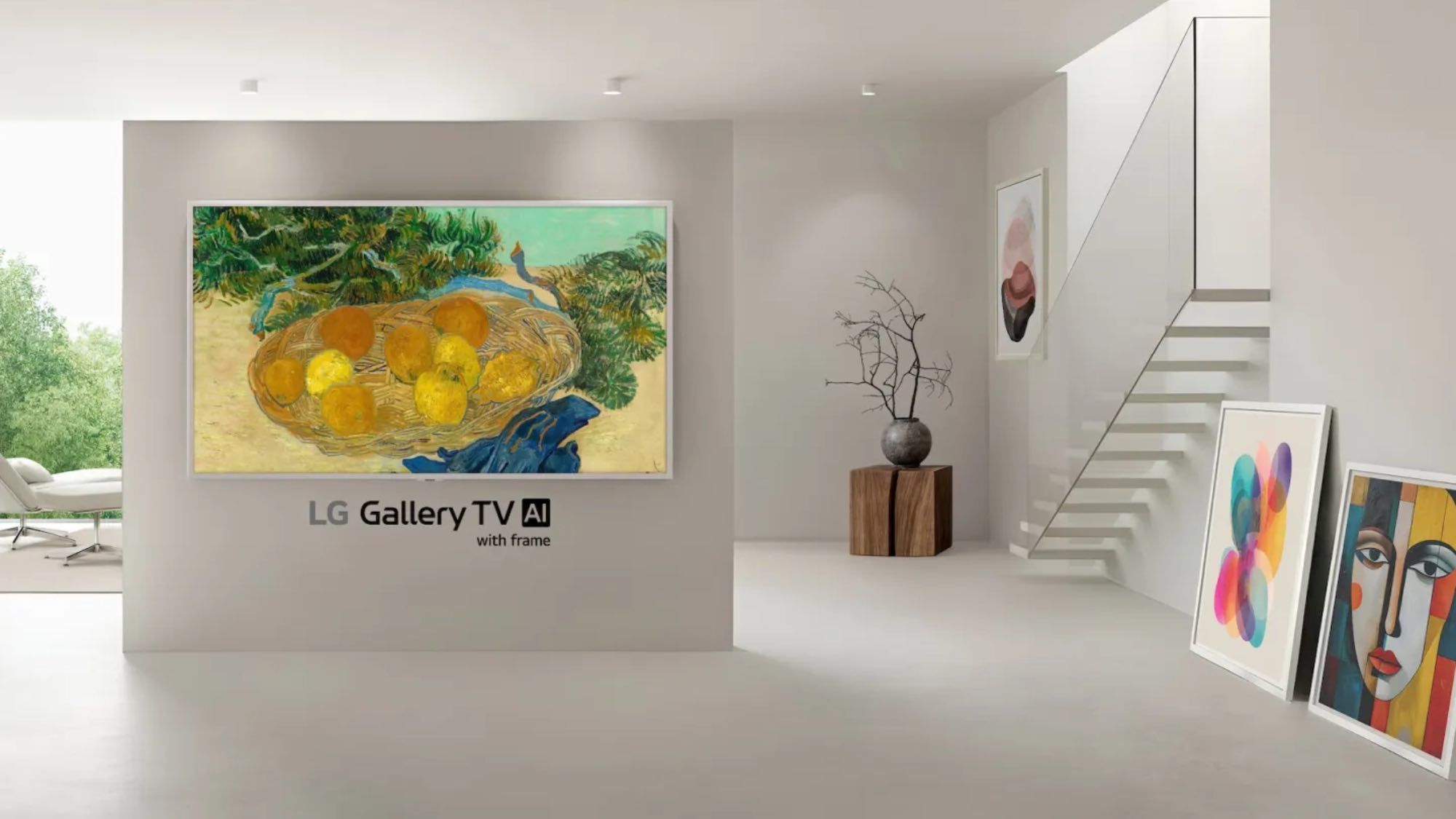
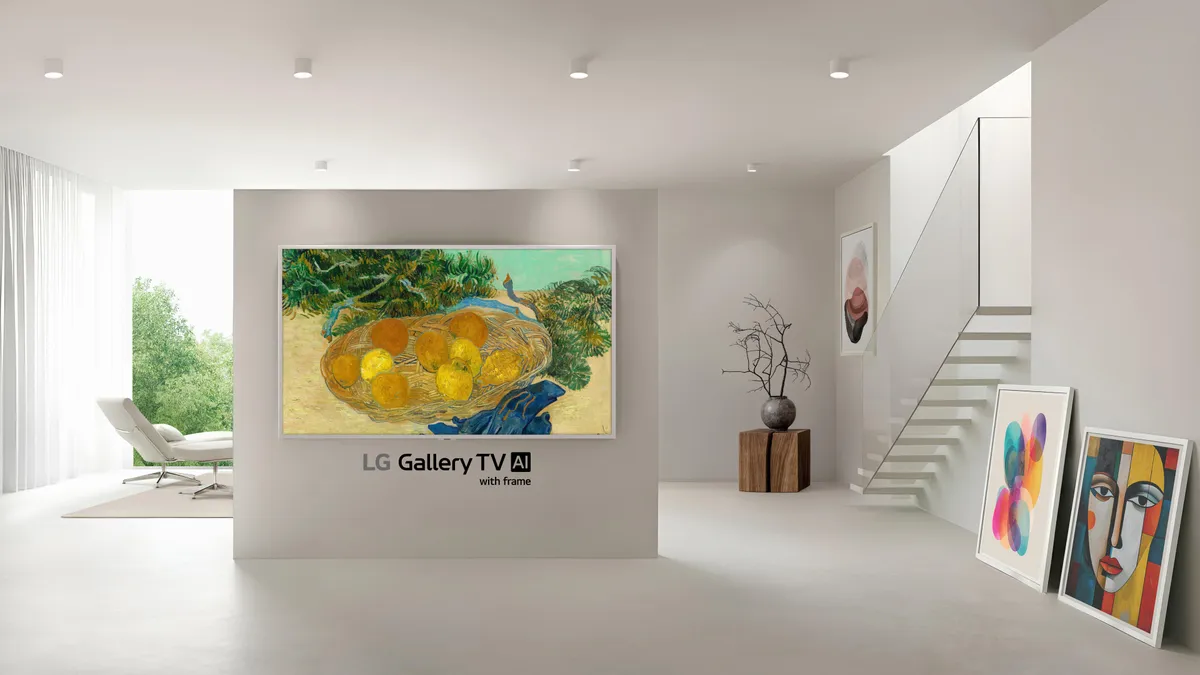
LG is launching the Gallery TV at CES 2026, a new lifestyle TV that combines art display with home entertainment, featuring customizable frames, MiniLED technology, and a vast art platform, competing with Samsung’s The Frame.
LG has announced its new Gallery TV, a 55 and 65-inch 4K MiniLED TV with magnetic, swappable frames and a Gallery Plus app offering over 4,500 artworks, aiming to compete with existing frame-style TVs from brands like Samsung and Hisense, with availability and pricing yet to be announced.
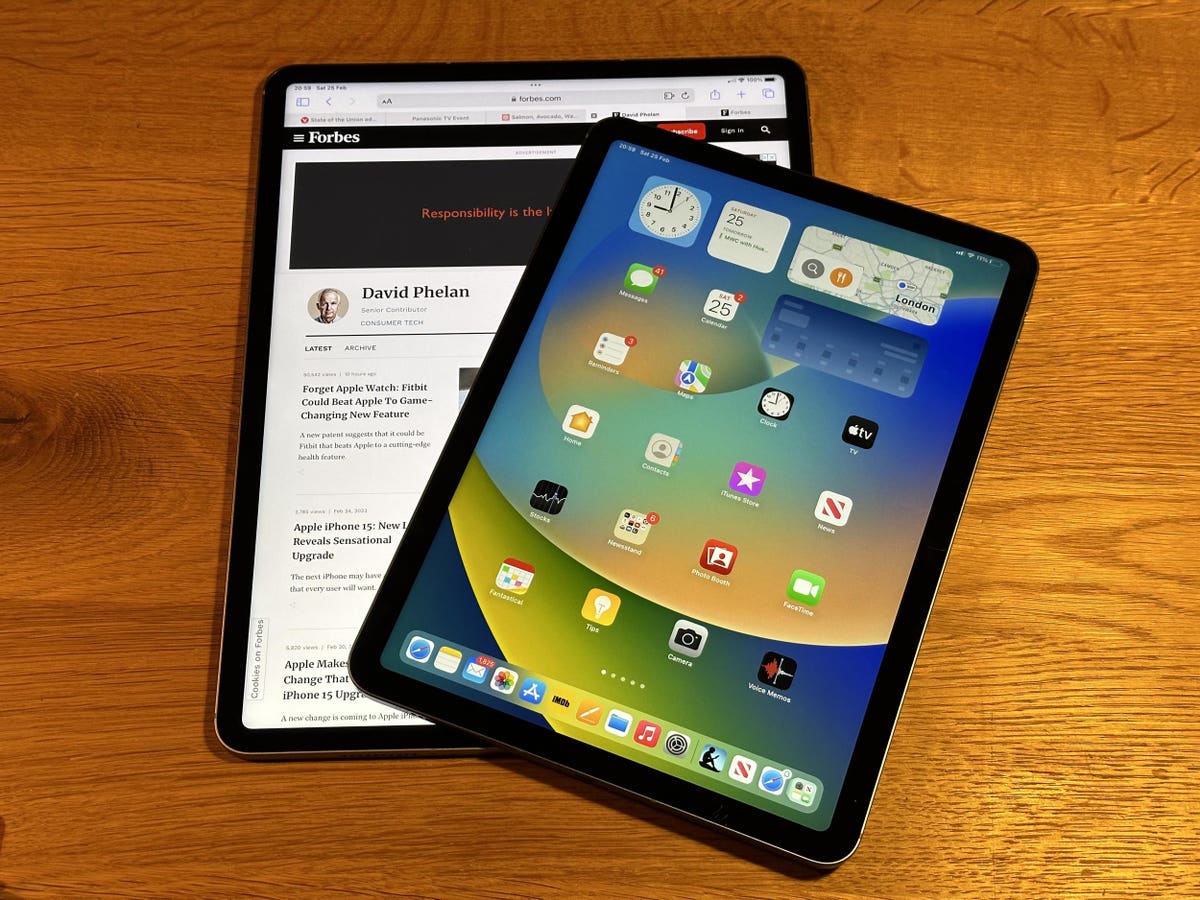
Apple is expected to update its tablet lineup next month, with the iPad Pro 2024 leading the charge with new OLED panels. A report suggests that the iPad Air 2024 will feature a larger 12.9-inch version with a MiniLED panel, potentially matching the display quality of the current iPad Pro. Coupled with rumors of the Apple M3 chip, this could lead to significant battery life upgrades and improved performance. However, potential pricing and the fate of the 10.9-inch version remain unknown.
A new report suggests that the upcoming iPad Air will feature miniLED display technology, similar to the current iPad Pro, offering improved brightness, deep contrast, and vividness. This upgrade is expected to be available only on the larger 12.9-inch model, potentially driving sales for that variant while keeping the price competitive. The move is seen as a strategic decision to differentiate between the iPad Pro and iPad Air models, with the former expected to see price increases due to the introduction of OLED screens.
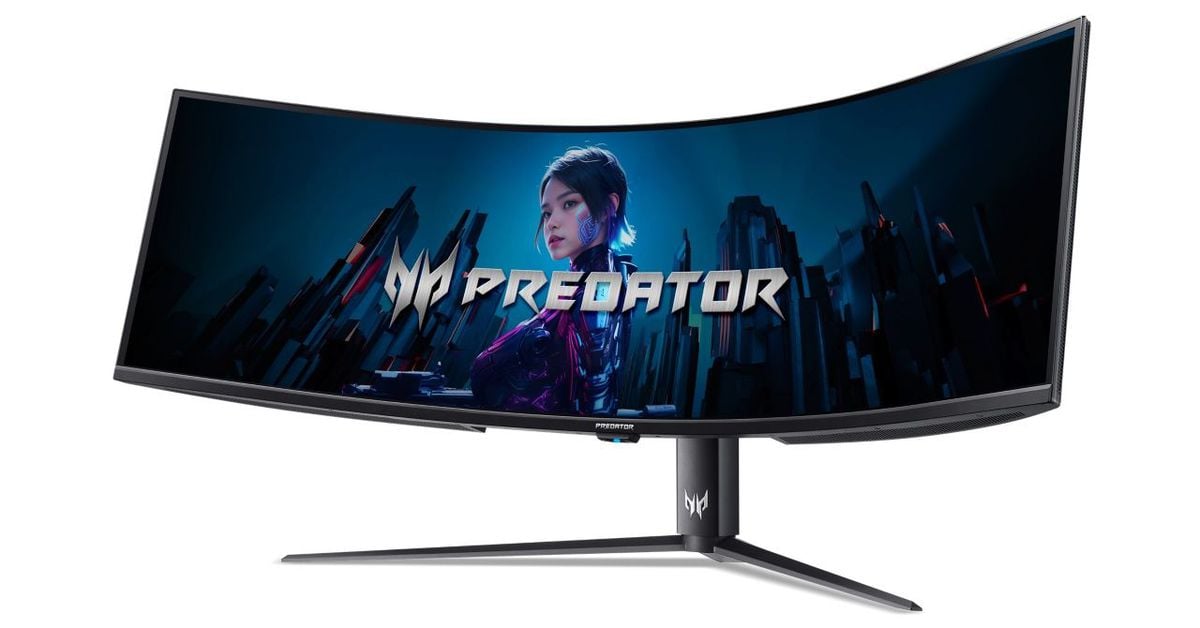
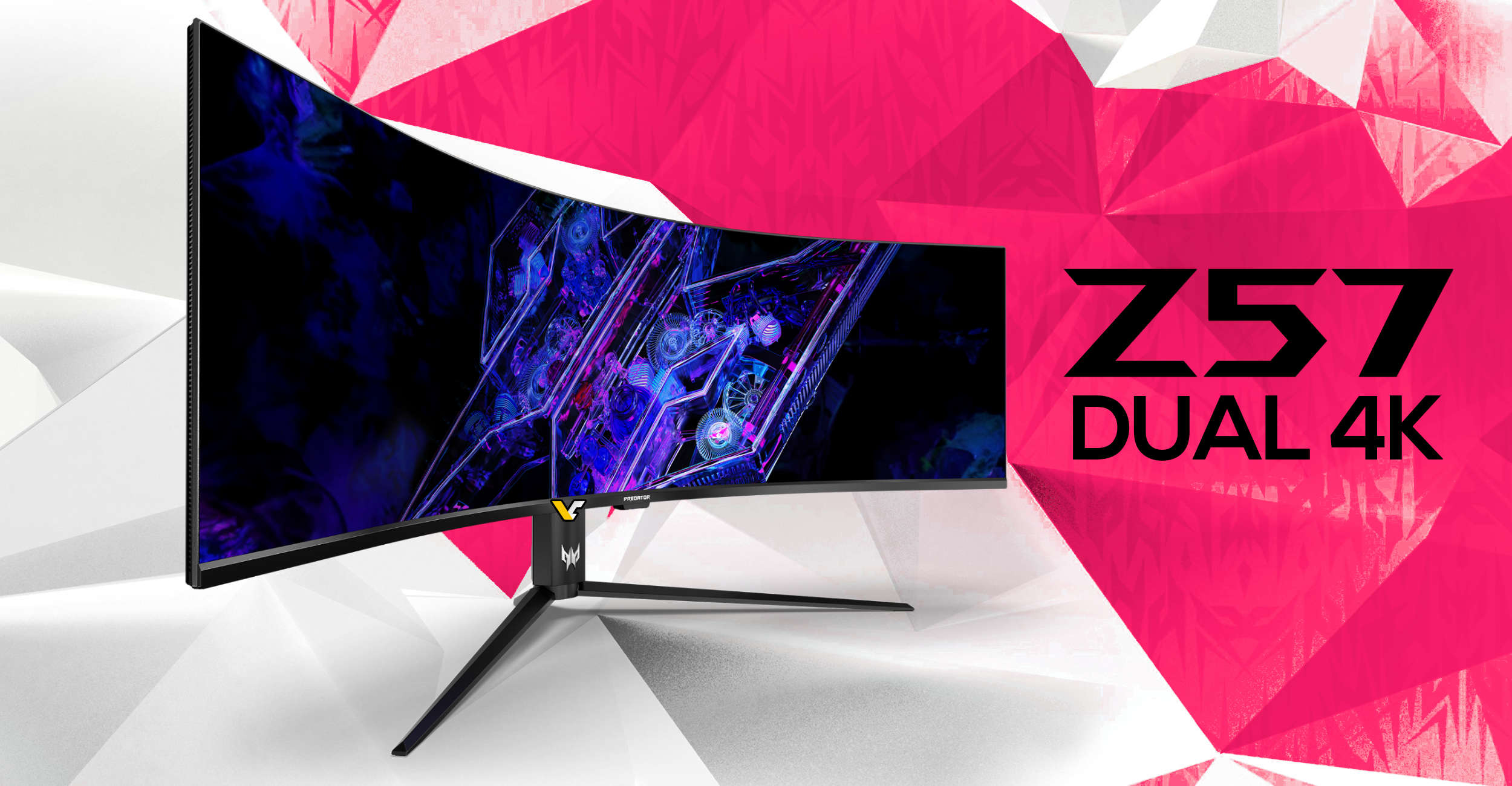
Acer unveiled its new gaming display lineup, featuring the star of the show, the 57-inch Predator Z57, a curved MiniLED display with a 7680x2160 resolution, 120Hz refresh rate, and AMD FreeSync Premium support. Priced at $2,499.99 in the US and €2,399 in Europe, the Z57 boasts 2,304 dimming zones, HDR, 1,000-nit peak brightness, and multiple connectivity options. It also offers picture-in-picture and side-by-side split screen modes, covering 98 percent of the DCI-P3 color gamut and featuring dual 10W speakers. Acer also introduced updates to its 34-inch Predator X34 OLED curved monitor and a larger 39-inch Predator X39 with similar specs.
Acer has announced its new lineup of gaming monitors at CES 2024, including the flagship Predator Z57, a 57-inch dual-4K mini-LED monitor with a 120Hz refresh rate, priced at $2,500. The lineup also features the Predator X34 V3, a 34-inch ultrawide QHD mini-LED monitor, and two OLED models, the Predator X39 and X34 X, all set to release in the second quarter of 2024. The monitors offer high refresh rates, HDR certification, and are designed for an immersive gaming experience with varying price points and regional availability.
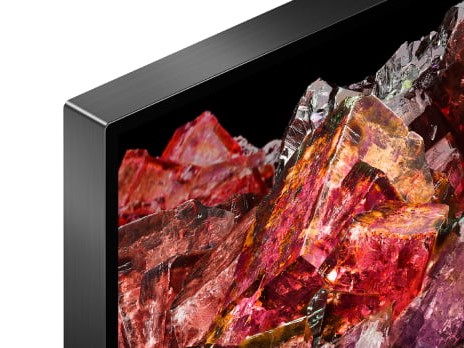
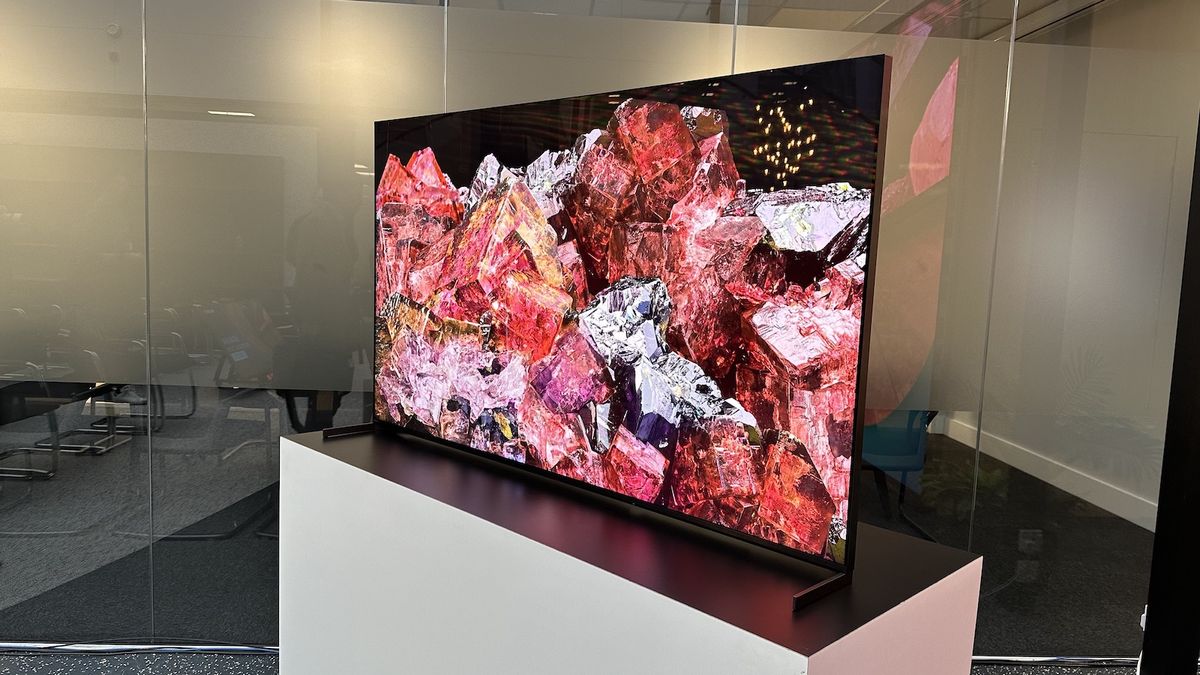
Sony has announced a new Mini LED technology set to feature in a 2024 flagship TV model, promising a display that's 1.5 times brighter than its predecessor, the X95L, with more dimming zones and reduced power consumption. The new 22-bit Mini LED driver, which includes 10-bit current and 12-bit PWM, is the smallest in the world, allowing for an increased number of dimming zones and a significant reduction in blooming effects. Energy efficiency is also improved, with a 10-15% reduction in power usage in standard mode and up to 30% in Eco mode. Details on the model name, release date, and pricing are yet to be announced.
Sony is deviating from the traditional CES timeline by not announcing new TVs at the 2024 event, similar to the previous year. Instead of following the industry standard, Sony is opting for a different schedule, as seen with the delayed shipment of its A95 QD-OLED TV. However, advancements in Mini LED backlighting technology are expected in future models. Sony will still hold a press conference on January 8th, potentially providing updates on other products like Afeela.
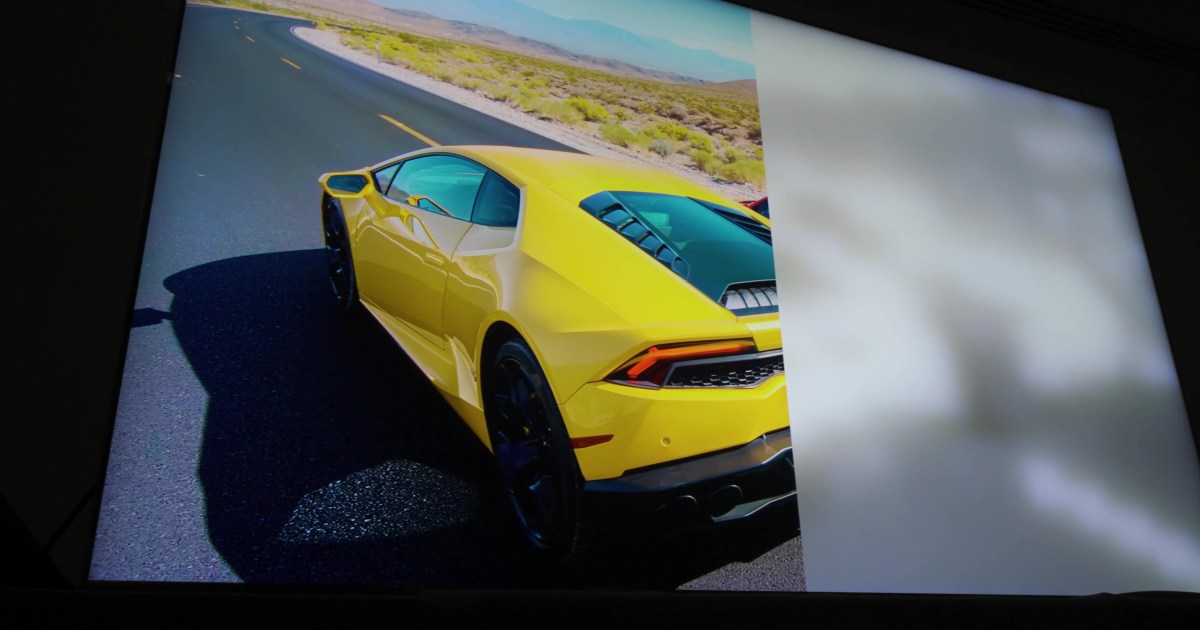
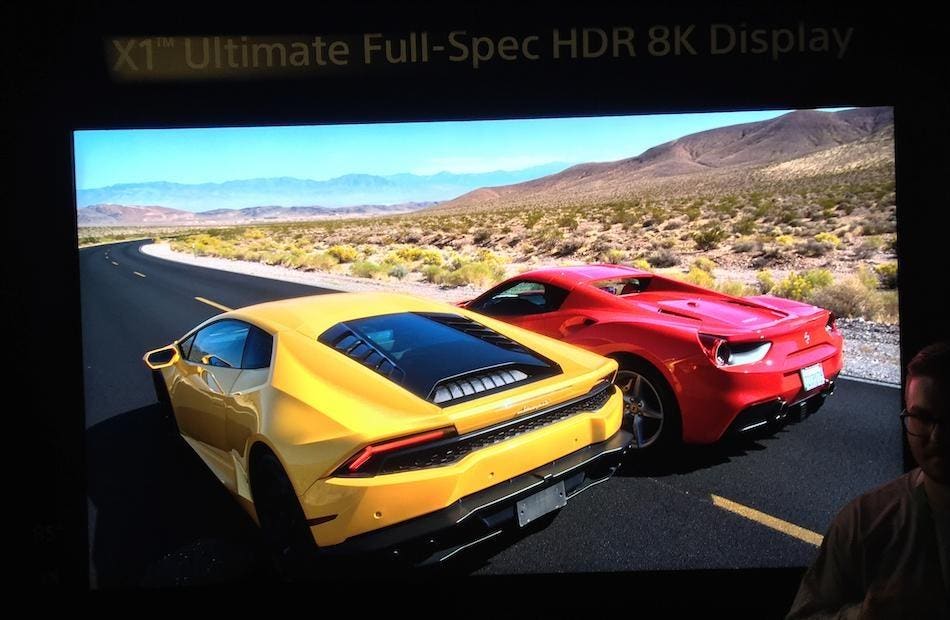
Sony has revealed its new mini-LED backlight technology, showcasing a prototype TV with an innovative driver IC that allows for more precise control and dimming levels in smaller clusters of mini-LEDs. This tech not only improves picture quality, closely approaching OLED performance, but also reduces power consumption. While Sony remains tight-lipped about the specs of its upcoming flagship mini-LED TVs, the demonstration suggests significant advancements over the previous X95L model. The company is also expected to introduce new features in its mid-tier OLED TVs, although it may not release a successor to the A95L in 2024.
Sony has showcased a new prototype display technology that emphasizes high brightness and contrast without excessive power consumption, moving beyond traditional OLED. This next-gen Mini LED tech features a proprietary LED driver chip, advanced local dimming, and a powerful AI-enhanced processor, aiming to deliver unprecedented picture quality with more vibrant colors, deeper blacks, and reduced blooming. The prototype also operates more efficiently than previous models, suggesting a significant leap in TV technology that aligns with Sony's vision for the future. Details about its integration into consumer products are expected later in the year.
Sony has developed a new backlighting technology for its future flagship TVs, potentially debuting in 2024, which may challenge the current dominance of OLED displays. This technology utilizes Mini LEDs controlled by the world's smallest LED driver, allowing for more precise brightness control and improved power efficiency. Demonstrations suggest superior brightness, contrast, and color volume compared to existing models, with minimal blooming even off-axis. While OLED is widely regarded as the premium TV technology, Sony's innovative approach to backlighting could significantly impact the industry if it delivers on its promise when the technology reaches the market.
Roku is launching its Pro Series TVs at CES 2024, marking its entry into the premium TV market with features like Mini LED backlighting for improved brightness and contrast, and enhanced audio. The Pro Series will include 55-inch, 65-inch, and 75-inch models, with prices up to $1,500. These TVs also come with Roku's new Smart Picture feature, which uses AI to optimize picture settings for different types of content. The Pro Series TVs are set to be available in the US in Spring 2024.
Roku is set to release a new Pro lineup of TVs in 2024, featuring Mini LED technology for improved contrast, sizes up to 75 inches, and a unique wall mount design. These TVs will also incorporate AI to automatically adjust picture and audio settings, with a Smart Picture feature that optimizes image settings based on the content. The Roku Pro TVs aim to offer a higher quality viewing experience at prices under $1,500, positioning them against competitors and even Roku's first OLED TV made by Sharp. Details on other specs, such as 120Hz and VRR capabilities, are yet to be announced.
The TV landscape in 2024 is set to dazzle with Hisense's Mini LED model reaching a peak brightness of 10,000 nits and new anti-reflection technology. LG is introducing the Alpha 10 processor with a neural processing unit for enhanced picture and audio processing, as well as motion tracking capabilities. Mini-LED technology is becoming more affordable, with companies like Sharp joining the market, and OLED TV prices are expected to drop due to increased production efficiency. Samsung may also expand its range of affordable OLED models, further intensifying competition in the smart TV market.