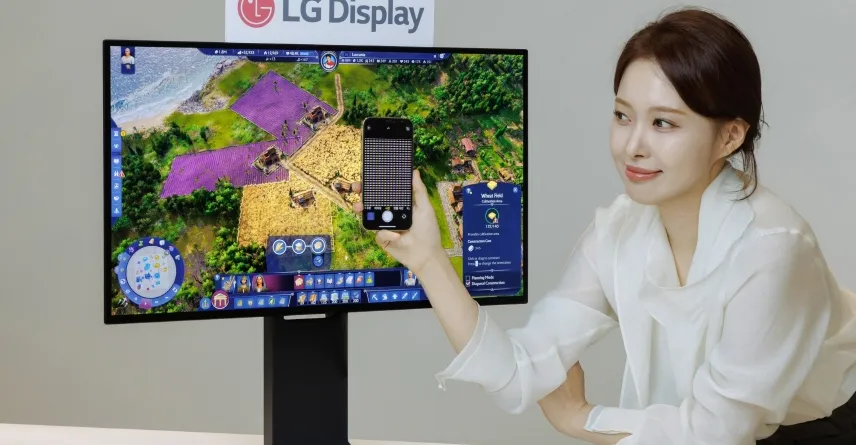
New OLED gaming monitors from LG and Samsung are adopting vertical RGB stripe pixel structures to improve text clarity and color accuracy, with Samsung producing a 34-inch 360Hz QD-OLED panel and LG debuting a 27-inch 4K OLED panel with high refresh rates, both aiming to enhance gaming and text-intensive tasks.
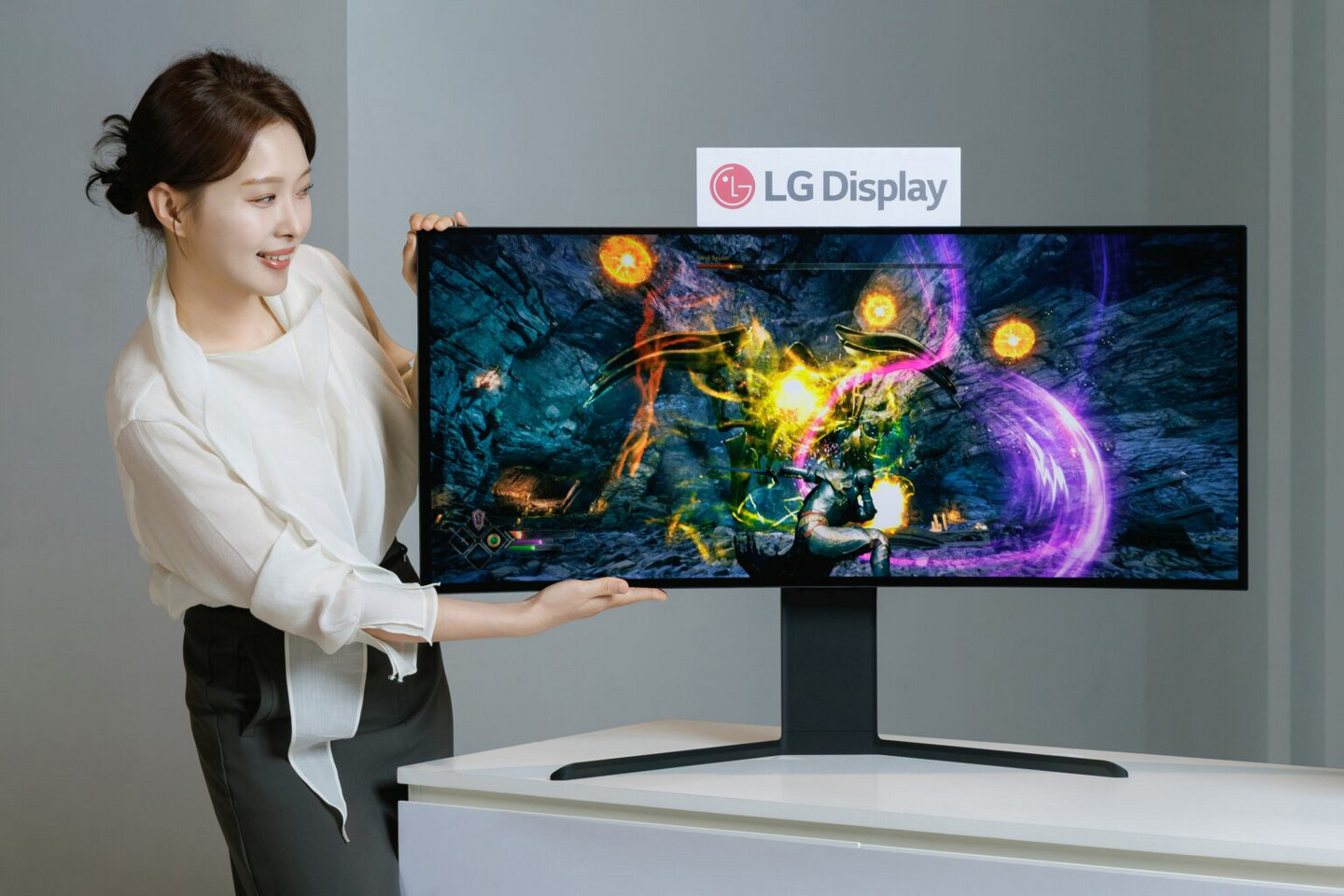
LG Display will showcase a range of groundbreaking OLED monitors at CES 2026, including the world's first 720 Hz refresh rate Gaming OLED panel, a 39-inch 5K2K curved OLED, and a 240 Hz RGB stripe pixel structure, all featuring advanced technologies like Primary RGB Tandem 2.0 for superior brightness, color, and response times, aiming to lead the gaming monitor market with innovative, high-performance displays.
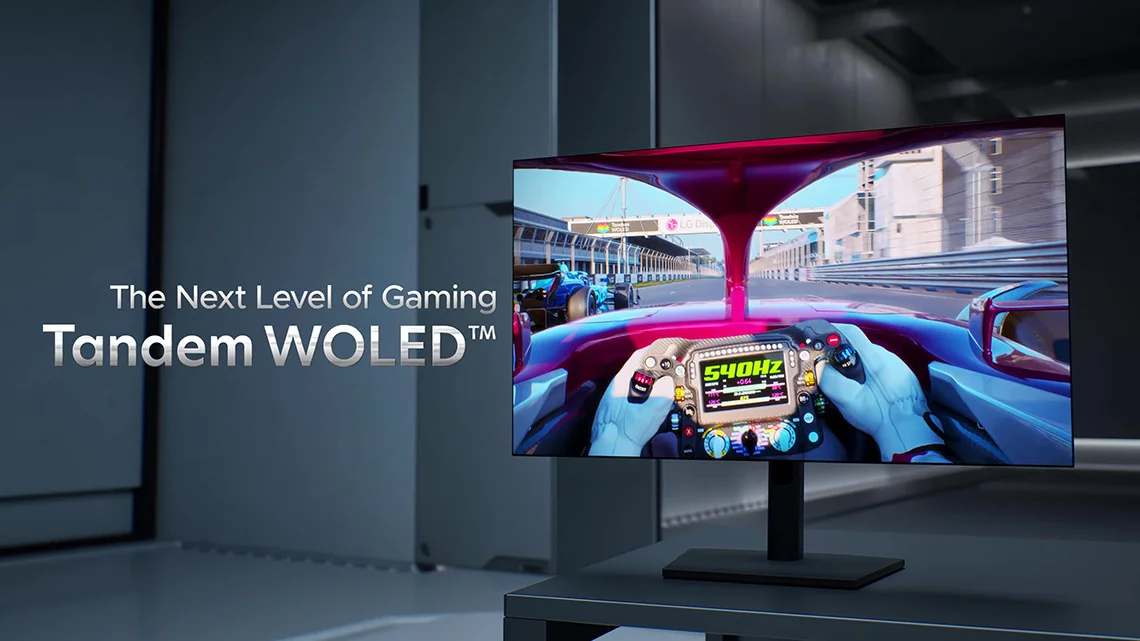
LG Display is preparing to unveil its next-generation OLED panels, including the innovative Tandem WOLED technology, at CES 2026, featuring increased brightness, durability, and performance, along with new gaming monitor displays and a Micro RGB TV upgrade.
LG Display has teased new Tandem WOLED panels for 2026, including a 39-inch 5K ultrawide with a less aggressive curve and a 27-inch 4K panel, with potential improvements in specs and mass production readiness, likely to be showcased at CES.
LG Display has unveiled an improved version of its stretchable display, which can now expand from 12 to 18 inches, enhancing its elasticity and durability. The new prototype, featuring a novel wiring design and silicon substrate, can be stretched up to 50% and withstands over 10,000 stretches while maintaining image quality. Although no commercial applications have been announced, potential uses include wearable displays and adaptable car infotainment systems.
LG Display has unveiled the world's first stretchable display, capable of expanding by 50% while maintaining full RGB color and high resolution. This innovative technology, demonstrated in a 12-to-18-inch prototype, can twist and extend into various shapes, offering new possibilities for industries like wearables, fashion, and automotive. The display can be stretched over 10,000 times without losing image quality, thanks to new wiring methods and a unique silicon material. This development positions LG at the forefront of display technology, contributing to South Korea's goal of leading the global display market.
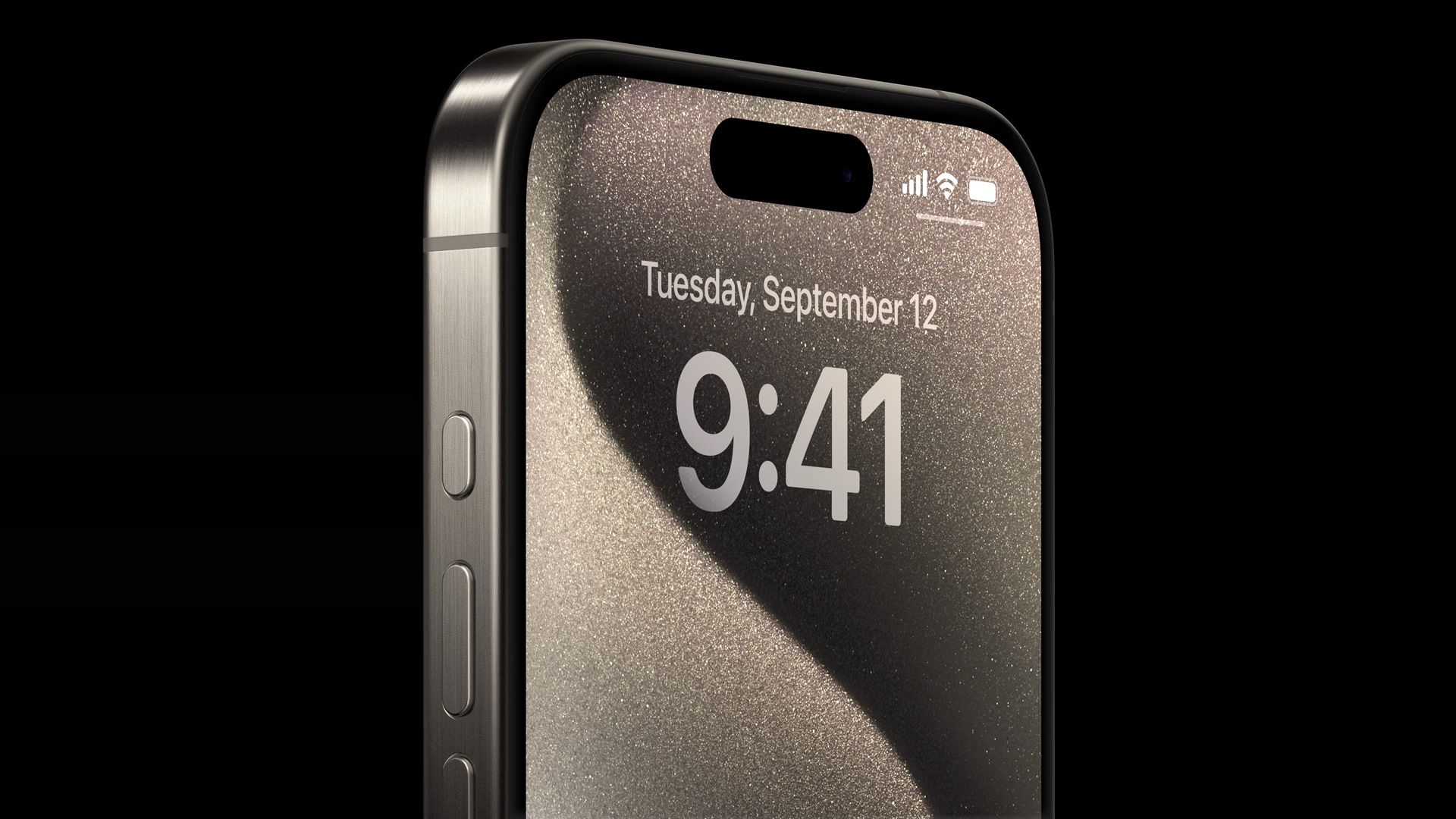
Apple has approved Samsung Display and LG Display for mass production of OLED screens for the upcoming iPhone 16 Pro models. Samsung will supply OLED screens for all four iPhone 16 models, while LG will focus on the Pro models. This marks a significant achievement for LG, which has previously struggled with production deadlines. The iPhone 16 lineup is expected to launch in the fall, featuring minimal differences from the iPhone 15 Pro, including slightly thinner bezels due to Border Reduction Structure technology.
Apple is rumored to release foldable MacBooks by 2026, featuring either a 20-inch or 18.8-inch display. Analyst Ming-Chi Kuo suggests Apple could ship over 1 million units, with production possibly starting by the end of next year. The foldable devices will likely include Apple's M5 processor and aim for a crease-free display, developed in collaboration with LG Display. Apple is also reportedly working on foldable iPhones and iPads.
LG Display showcased its next-gen OLED panels at CES 2024, boasting a 42 percent increase in brightness over its predecessors using advanced microlens arrays and new algorithms. OpenAI admits it's impossible to train generative AI without copyrighted materials, facing lawsuits for allegedly using copyrighted works without permission. ASUS unveiled the Zenbook Duo, a dual-screen laptop with OLED panels and a detachable Bluetooth keyboard, while Clicks introduced an iPhone keyboard case for 2024. Additionally, Rabbit R1, a new AI-powered virtual assistant co-designed by Teenage Engineering, aims to provide a more conversational and interface-based interaction experience, available for pre-order at $199.
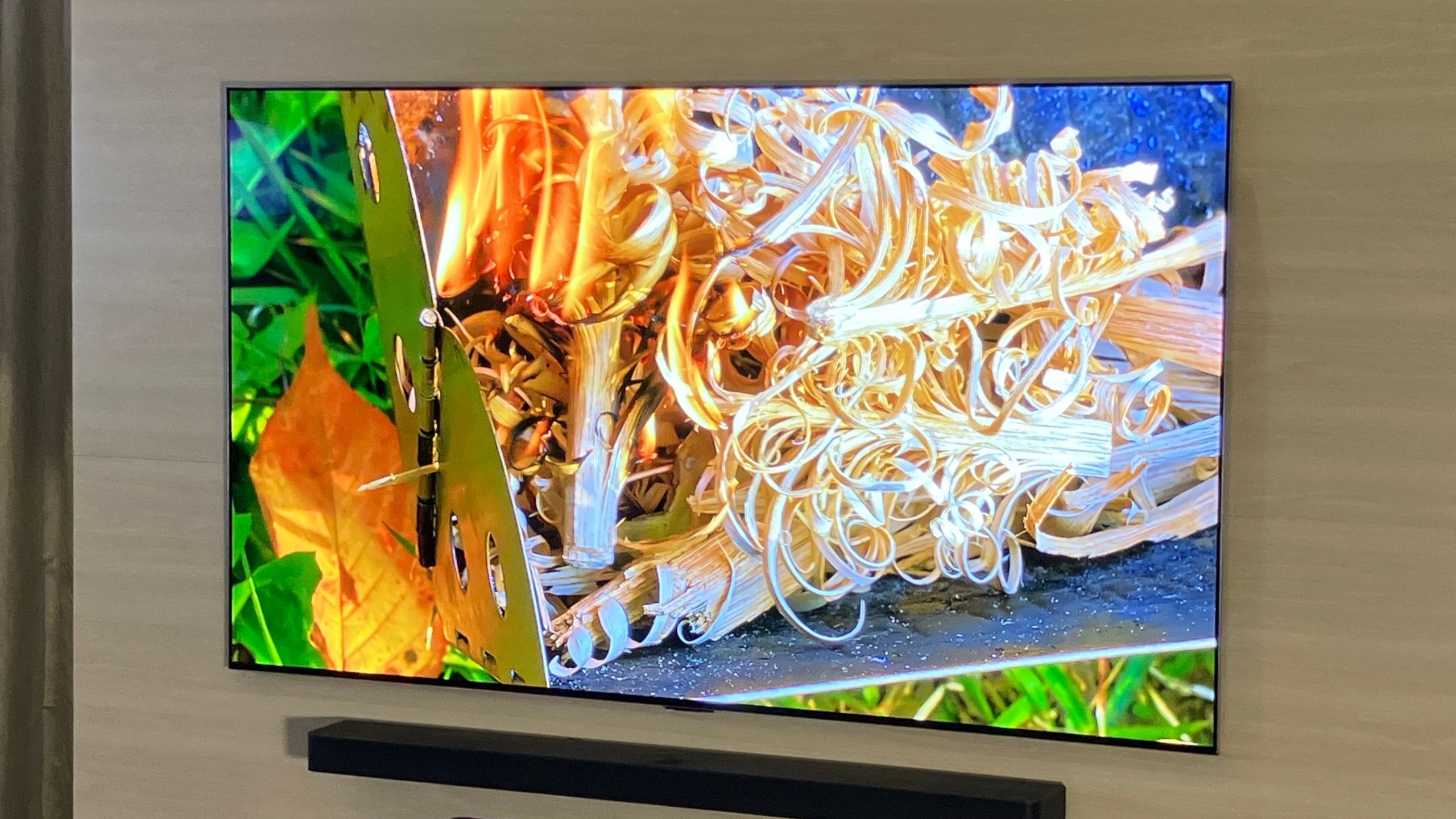
LG Display showcased its next-gen OLED panels at CES 2024, featuring META technology 2.0 with advanced microlens arrays (MLA+), addressing OLED's brightness weakness by achieving 3,000 nits of brightness and 1,500 nits of color brightness, making them 42% and 114% brighter than conventional OLEDs, respectively. The new technology also includes a brightness-optimizing algorithm for enhanced image quality and power savings. LG Display's upgraded OLED panels will be available in various sizes and resolutions, competing with the latest MicroLED displays.
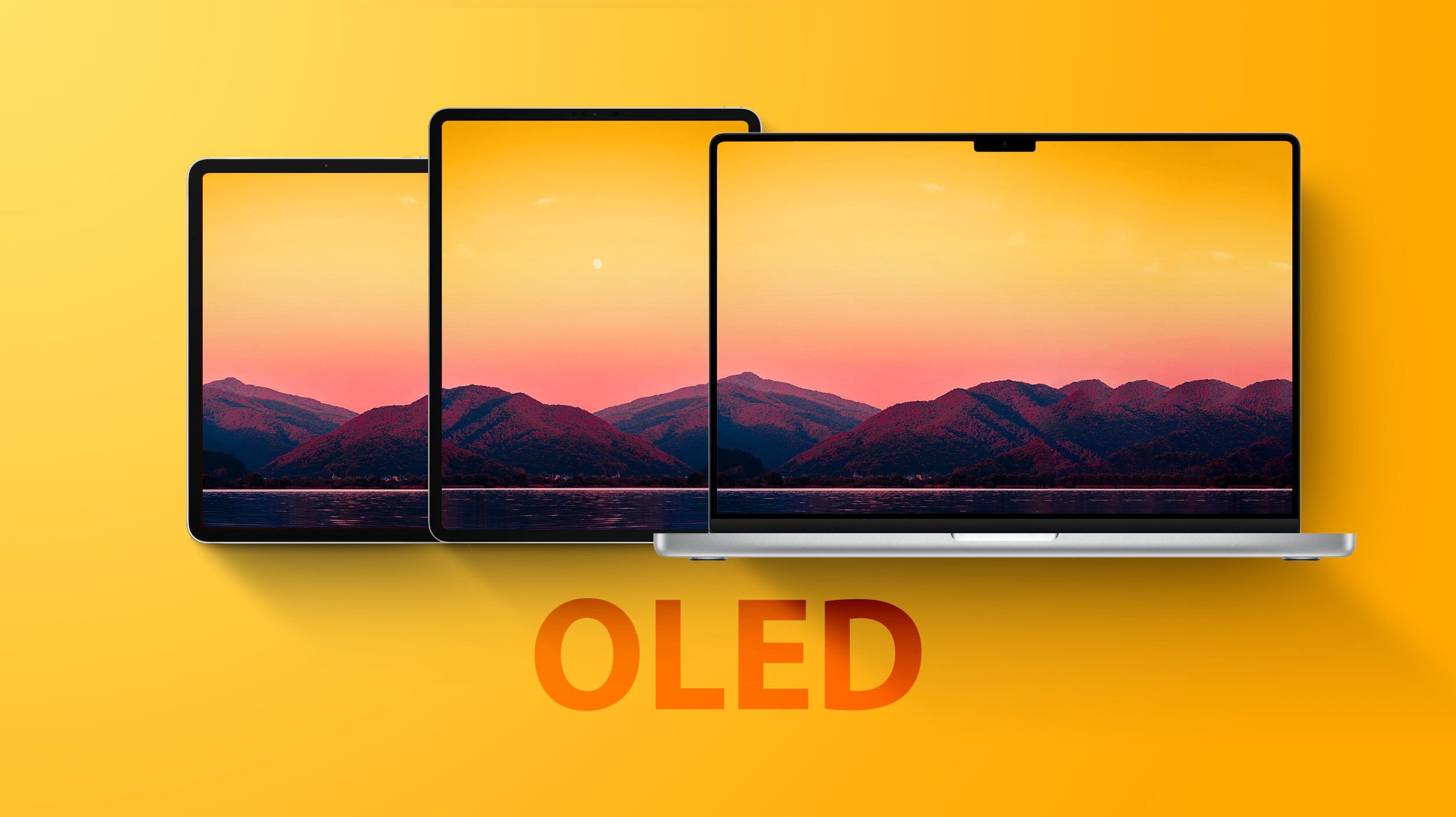
Apple is rumored to be collaborating with LG Display to integrate new OLED material sets in future iPad Pro and MacBook models. LG's specialized OLED material sets, such as "RDE" and "RDG," will be used to tailor the OLED panels for these devices, offering improved power consumption and extended lifespan. The collaboration aims to provide OLED materials that meet the unique requirements of Apple's devices.
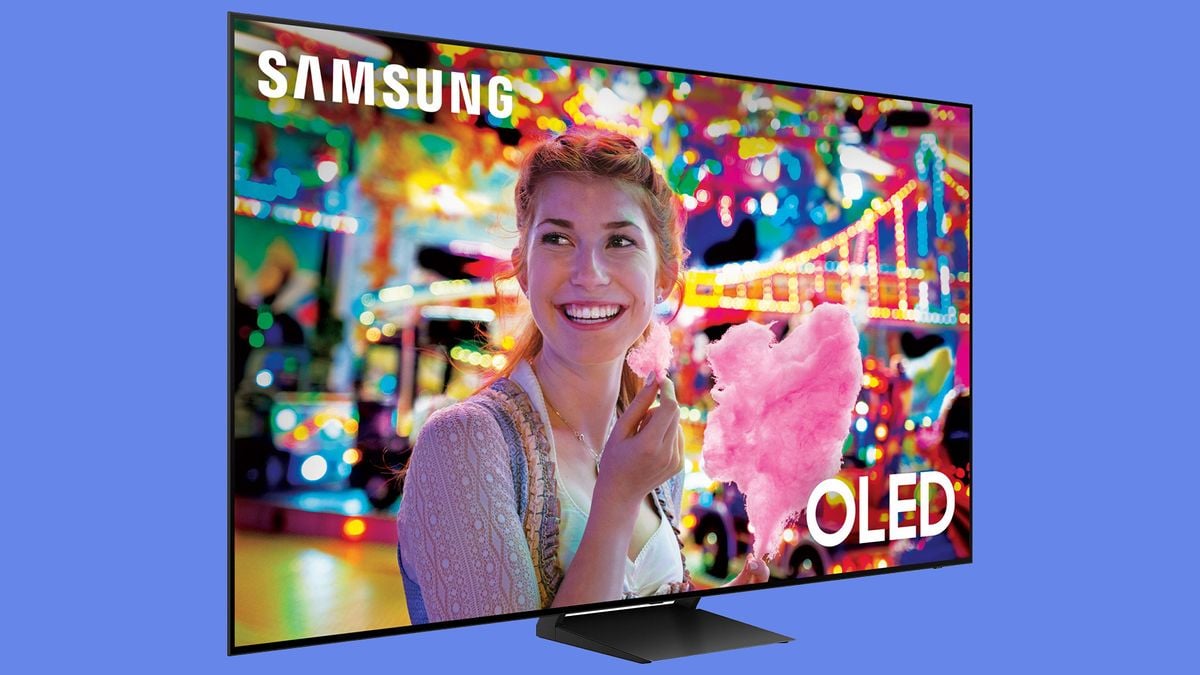
Samsung's expanding partnership with LG Display is expected to result in bigger and cheaper OLED TVs. Samsung has filed for regulatory approval for a new 77-inch OLED TV that reportedly uses an LG OLED panel. This follows a previous deal where LG provided OLED panels for Samsung's TVs. The partnership is also expected to expand to include LCD displays. The increased supply of LG panels could lead to more affordable options in Samsung's TV range, potentially driving down OLED TV prices overall. The new models could be available in the US and Europe later this year or early next year.
Panel suppliers Samsung Display and LG Display are reportedly holding back key investment in next-gen OLED production lines over concerns about slumping Mac sales. Apple plans to transition Macs and iPads to OLED displays over the next few years, but there is no precedent for OLED panels being used in MacBooks, therefore ambiguity remains over how much Apple will be willing to pay for the panels. With OLED displays in MacBooks likely to only increase the sales price, display panel suppliers reportedly believe Apple will inevitably attempt to cut unit prices down.
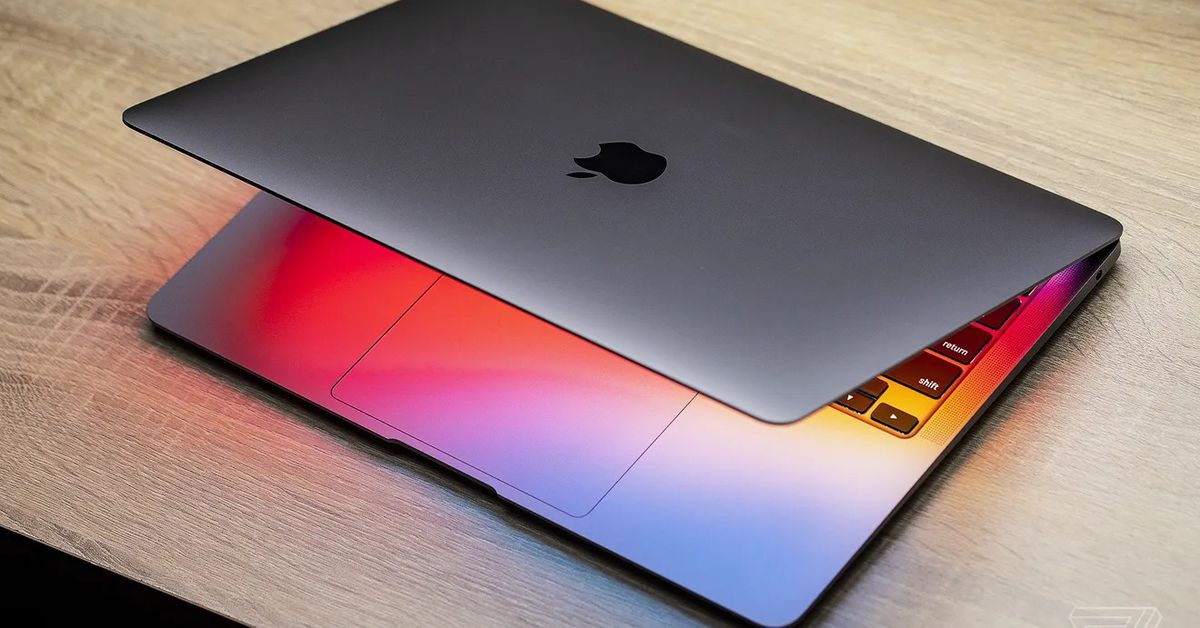
Samsung Display is reportedly developing a 13-inch OLED MacBook Air, with a more advanced OLED screen expected for the MacBook Pro. LG Display is currently developing both iPads, so only Samsung Display is developing OLED for MacBook Air. The MacBook Air screens will be manufactured using 6th-generation OLED technology, while both MacBook Pro and iPad Pro models will get OLED screens made by more advanced 8th-gen kit. Exact timings are unknown, but earlier reports have suggested that OLED iPads will be launched next year, likely ahead of MacBooks.