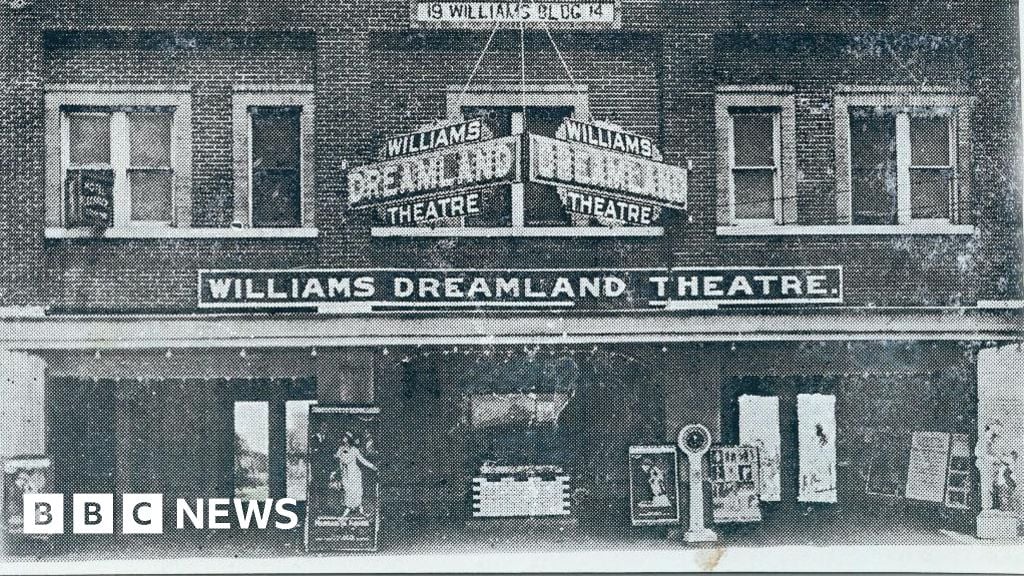
Tulsa, Oklahoma, plans to allocate over $105 million in reparations to its Black community through community redevelopment projects, focusing on healing the legacy of the 1921 Tulsa Race Massacre, without direct payments to survivors or descendants, as part of a broader effort to address historical racial injustices.
Tulsa's mayor announced a $105 million reparations plan called Road to Repair to address the lasting impacts of the 1921 Tulsa Race Massacre, focusing on housing, cultural preservation, and land development, aiming to restore Greenwood and promote racial justice, without direct payments to the last survivors.
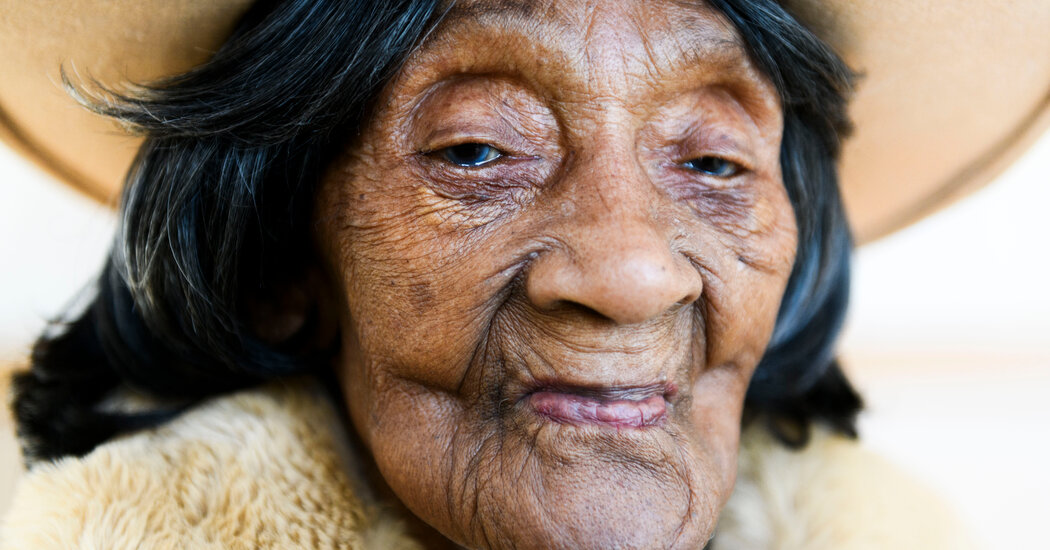
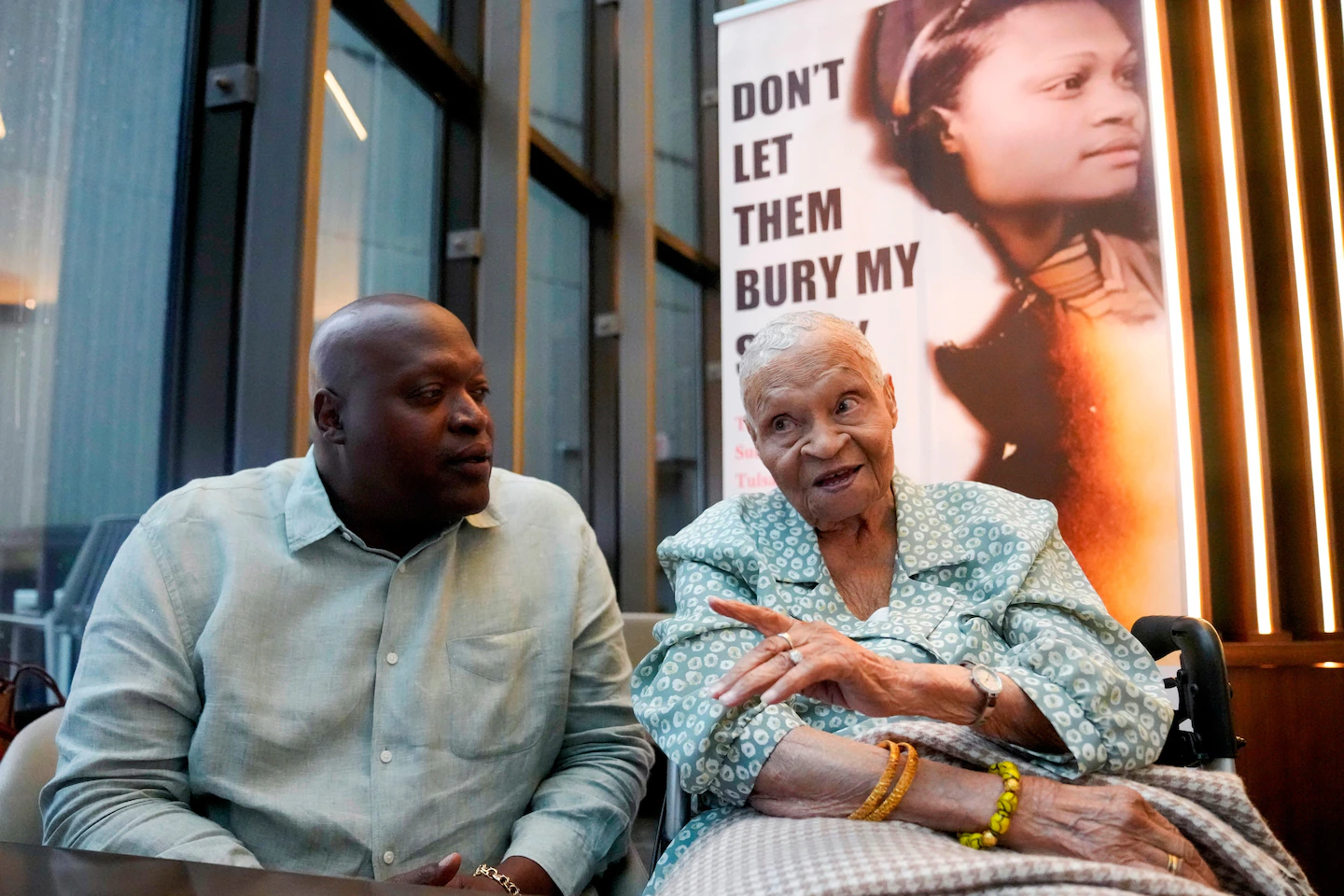
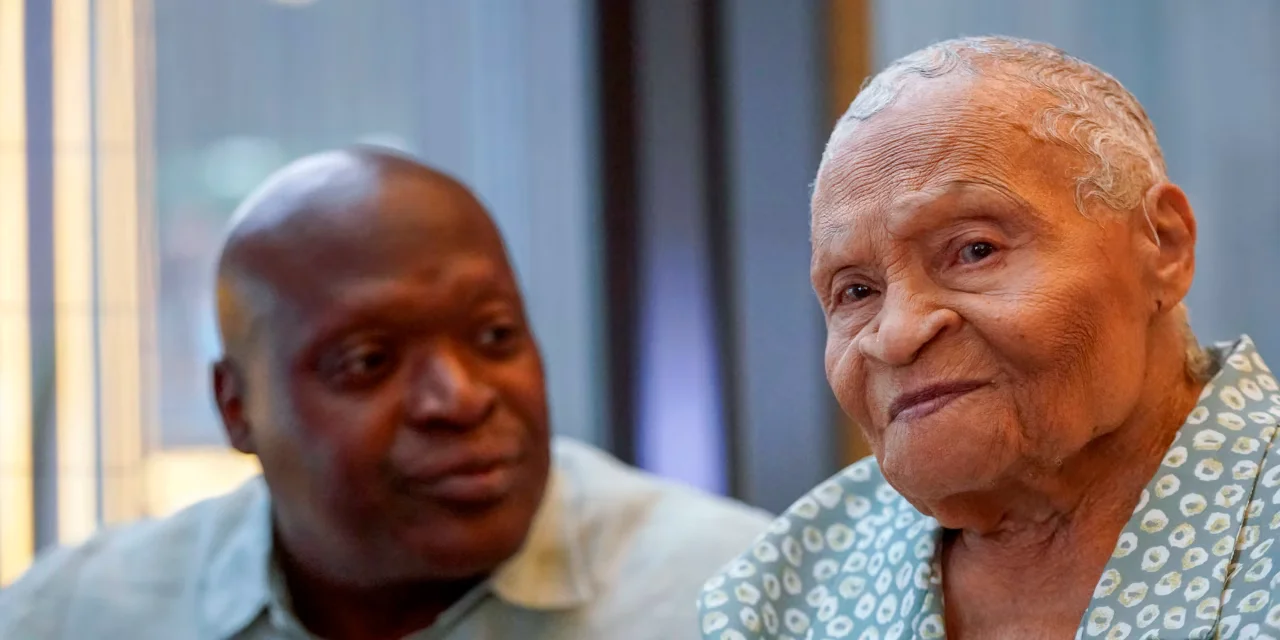
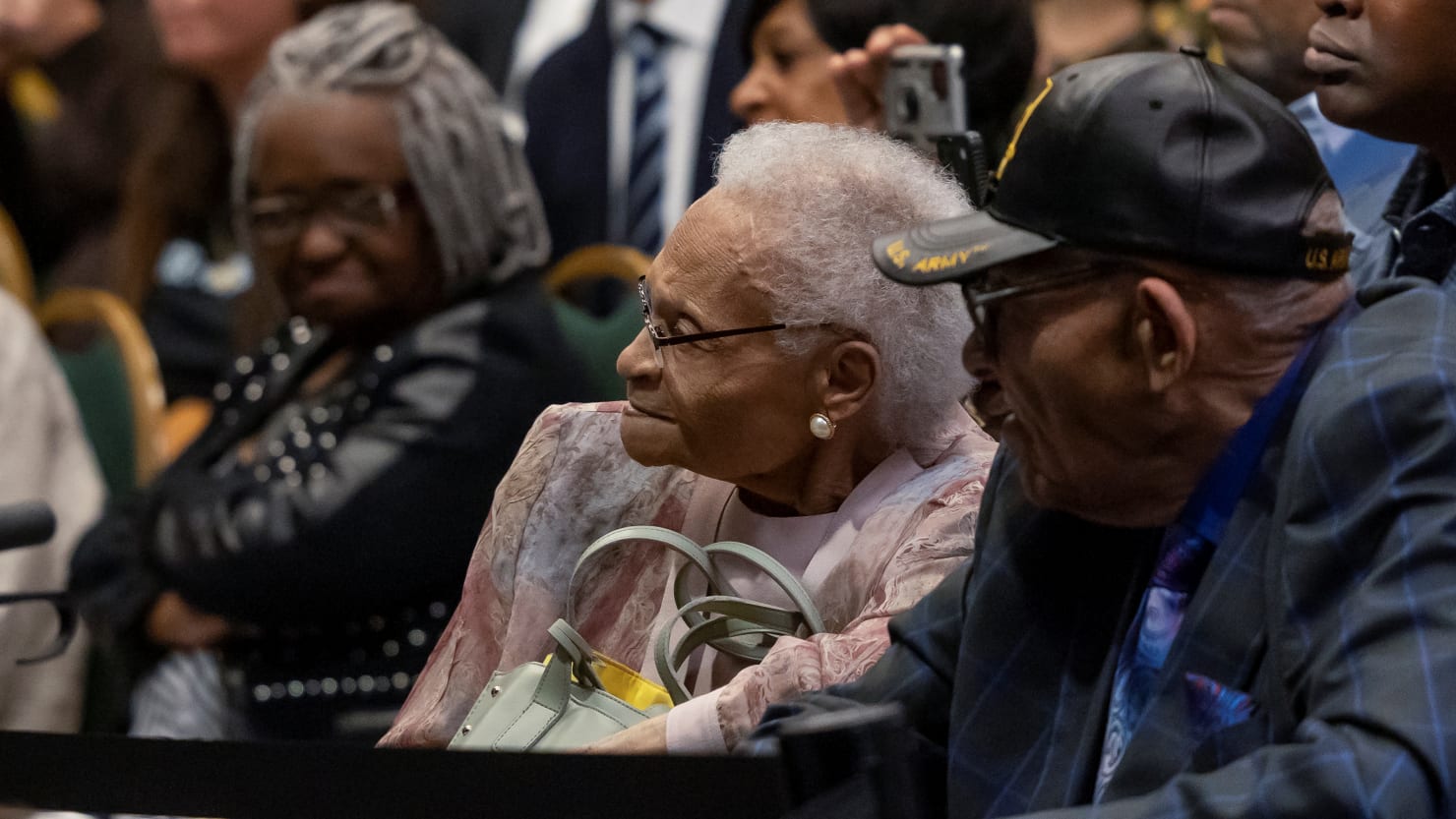
Lessie Benningfield Randle, one of the last known survivors of the 1921 Tulsa race massacre, is turning 109 this week and is still waiting for justice. Alongside Viola Fletcher, the only other survivor, Randle is engaged in a legal battle to hold the City of Tulsa and others accountable for the massacre. Lawyers representing Randle and Fletcher have filed a final brief to the Oklahoma Supreme Court, seeking to reverse a district court's dismissal of their case. State and city officials argue that they cannot be held responsible for events that occurred over a century ago. The survivors hope for justice and closure after witnessing the destruction of their community and enduring racial disparities for decades.
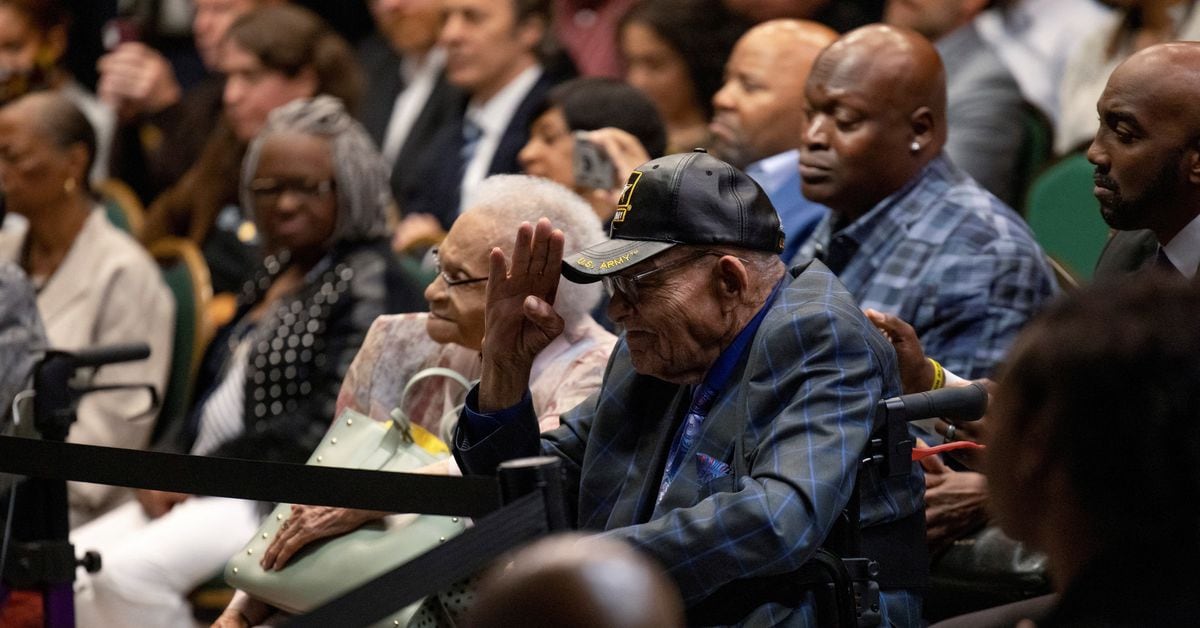
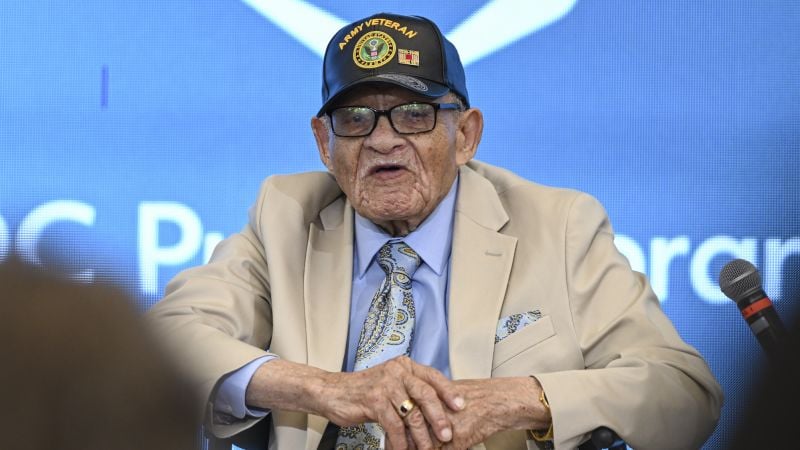
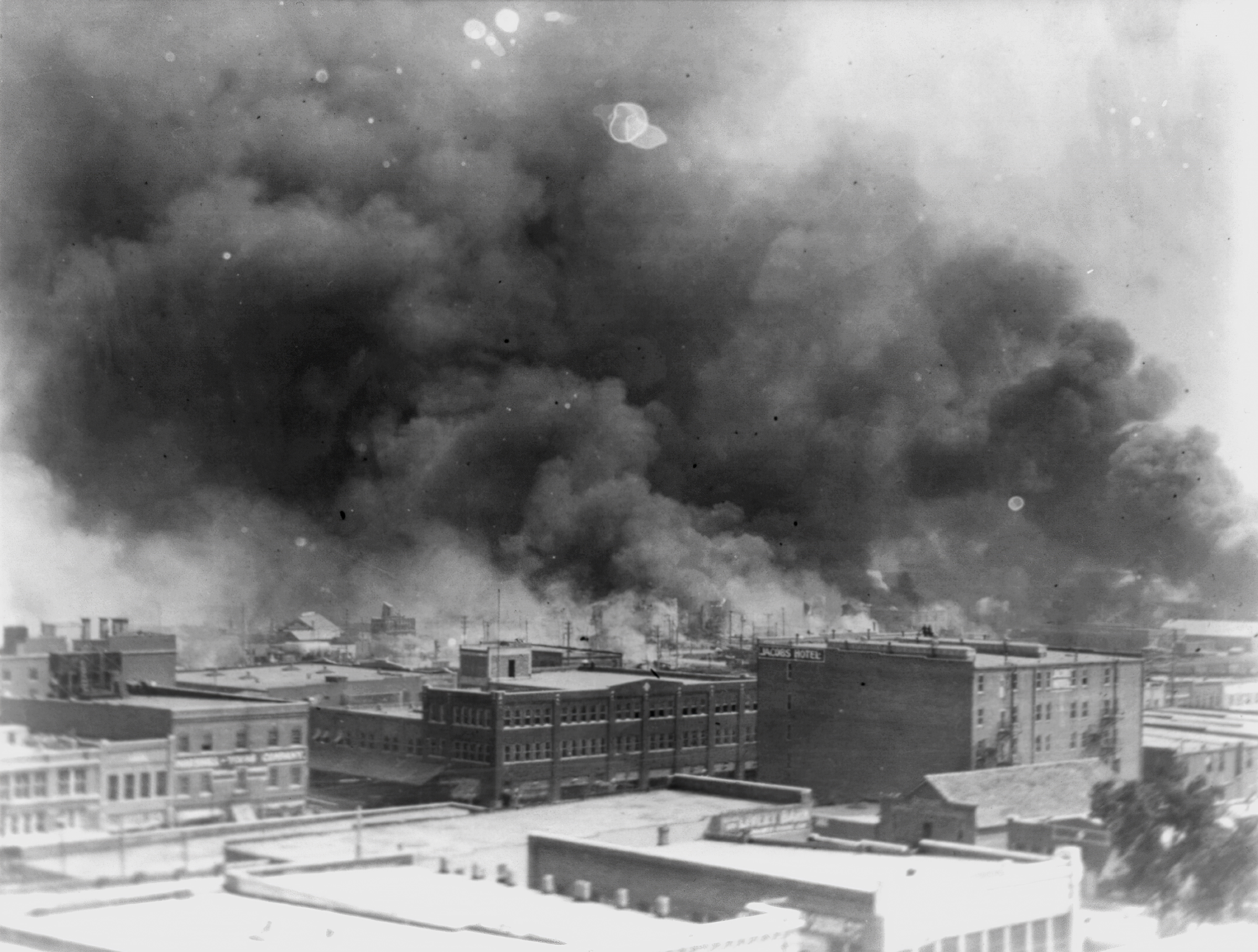
Hughes Van Ellis, one of the last survivors of the 1921 race massacre in Tulsa, Oklahoma, has passed away at the age of 102. Ellis, along with his sister Viola Fletcher and another survivor, sued the city of Tulsa for reparations for the deadly act of racial violence. The lawsuit, seeking a 99-year tax holiday for descendants of the massacre victims, was dismissed in July but is currently being appealed. The Tulsa race massacre resulted in the destruction of the prosperous African American neighborhood of Greenwood, also known as Black Wall Street, and the deaths of hundreds of Black residents.
Hughes "Uncle Redd" Van Ellis, one of the last known survivors of the 1921 Tulsa Race Massacre, has passed away at the age of 102. Ellis, along with his sister and another survivor, had been fighting for reparations for the destruction caused by the massacre. The siblings' lawsuit against the City of Tulsa was dismissed in July, but they have appealed the decision. Ellis, a World War II veteran, died "waiting on justice," according to his grandnephew. The Tulsa Race Massacre was one of the deadliest acts of racial violence in US history, resulting in the deaths of hundreds of Black residents and the destruction of their homes and businesses.
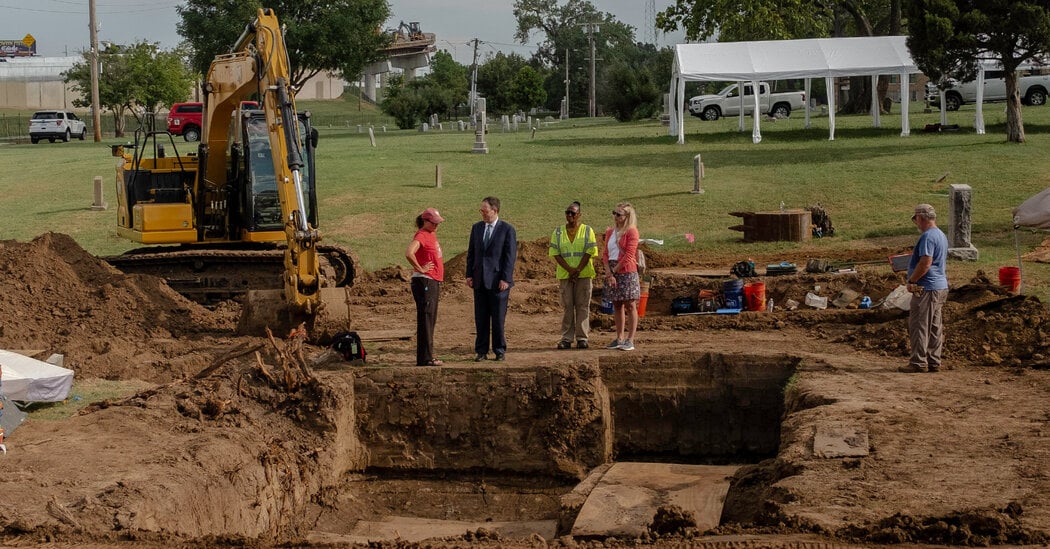
The remains of two adults have been discovered in the ongoing third excavation at Oak Lawn Cemetery in Tulsa, Oklahoma, as part of the effort to find unidentified victims of the 1921 Tulsa Race Massacre. The archaeologists have exposed 22 grave shafts so far, with two remains already found. The excavation is based on limited information from death certificates and funeral homes, focusing on adult males buried in simple wood coffins. The first two excavations yielded a total of 52 burials, including 28 remains. The 1921 Tulsa Race Massacre resulted in the death of hundreds of African American residents, with bodies buried in mass graves and families left unaware of their loved ones' fate.
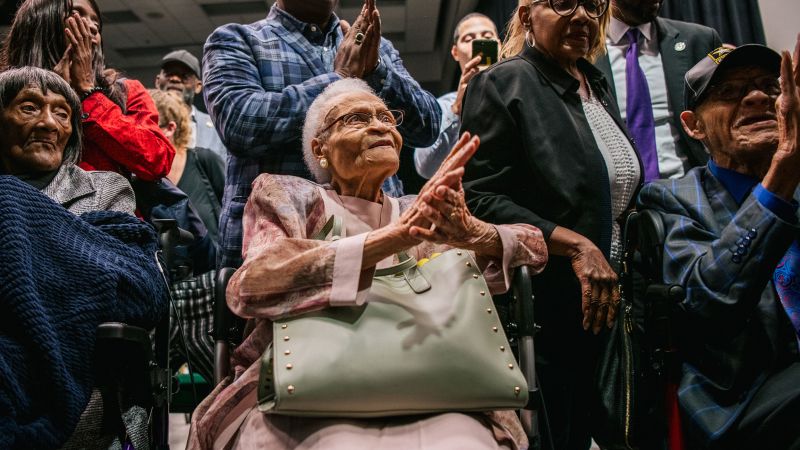
The last three known survivors of the 1921 Tulsa Race Massacre, along with their attorneys, are appealing a judge's decision to dismiss their lawsuit seeking reparations. The survivors, aged 102 to 109, had been in a legal battle against the City of Tulsa over the destruction of the Greenwood neighborhood, also known as "Black Wall Street," by a violent white mob. The judge's dismissal of the case has been criticized as another example of racial harm and injustice borne by Black communities. The survivors and their attorneys plan to appeal to the Oklahoma Supreme Court and are calling for a federal investigation into the massacre.
Survivors and attorneys of the Tulsa Race Massacre responded to the dismissal of their lawsuit seeking reparations for the 1921 event. The lawsuit was dismissed "with prejudice," meaning it cannot be refiled. The survivors plan to file an appeal with the Oklahoma Supreme Court. They also called on the Department of Justice and President Joe Biden to open a federal investigation into the massacre. The lawsuit aimed to address the ongoing effects of the event and the financial disparities it caused. The three survivors, who are over 100 years old, still experience trauma from the massacre.
An Oklahoma judge has dismissed a lawsuit seeking reparations for victims and descendants of the 1921 Tulsa race massacre. The lawsuit, filed in 2020, argued that the destruction of Tulsa's Black neighborhood during the massacre continues to impact the community. The plaintiffs demanded compensation, a detailed accounting of lost property and wealth, the construction of a hospital, and the creation of a compensation fund. The judge's decision was based on arguments that the financial burden on the government would be significant. The survivors' legal team plans to appeal the ruling, stating that the dismissal is another example of the disproportionate burden borne by the Black community.
A court has dismissed a case seeking reparations for the victims and descendants of the 1921 Tulsa Race Massacre, in which a white mob attacked and destroyed the prosperous Black neighborhood of Greenwood. The lawsuit argued that the city of Tulsa and other defendants should compensate for the damages caused during the massacre. However, the court ruled that the case was filed too late, as the statute of limitations had expired, and that the plaintiffs failed to demonstrate that the defendants' actions violated the Constitution.
A judge in Oklahoma has dismissed a lawsuit seeking reparations for the 1921 Tulsa Race Massacre, which saw a white mob destroy the prosperous Black district of Greenwood. The lawsuit, brought by three survivors of the attack, aimed to obtain legal justice and compensation for the ongoing racial and economic disparities resulting from the massacre. The judge's decision has disappointed the survivors, who are all over 100 years old, and a group supporting the lawsuit has suggested they may appeal. The city of Tulsa remains committed to addressing the historical event and its impact on the community.
A lawsuit seeking reparations and rebuilding for the historical damage caused by the 1921 Tulsa Race Massacre has been dismissed by an Oklahoma judge. The case, filed on behalf of the last three survivors of the assault, was dismissed with prejudice, meaning it cannot be refiled in state court. The defendants argued that the plaintiffs did not suffer individualized injury from the massacre. The plaintiffs may still appeal the decision. The lawsuit sought to address the government-sanctioned racism and violence that has contributed to uneven outcomes for Black Americans.
An Oklahoma judge has dismissed a reparations lawsuit filed by the last known survivors of the 1921 Tulsa race massacre. The plaintiffs, aged 102 to 109, sought relief for the ongoing damages caused by the white supremacist attack on the Greenwood District. They argued that others have benefited from the exploitation of the massacre while they have not recovered for unjust enrichment. The City of Tulsa requested the lawsuit be dismissed, and the judge sided with the city, stating that being connected to a historical event does not grant unlimited rights to seek compensation. The case has been dismissed with prejudice, meaning it cannot be refiled.
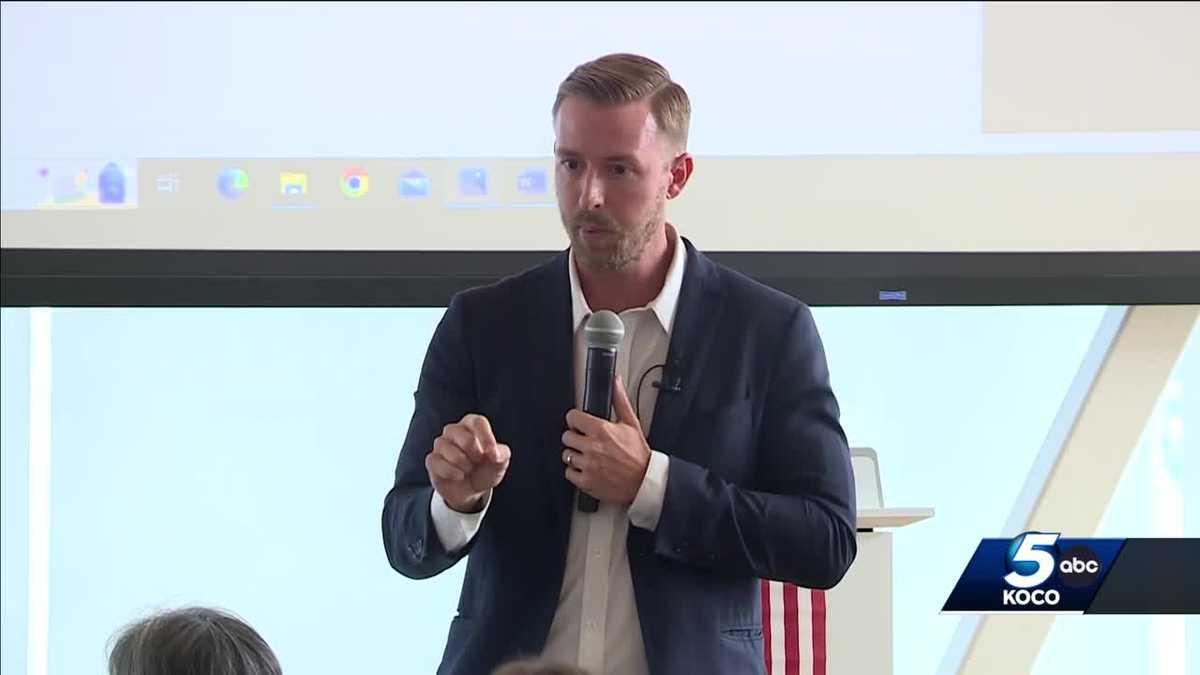
Oklahoma State Superintendent Ryan Walters faced backlash after comments he made about the Tulsa Race Massacre during a speaking engagement. Walters clarified that he would never tell a child that they are less of a person or inherently racist based on their skin color, but he believes that judging individuals' actions is important. Some opponents claimed Walters denied the racial aspect of the massacre, but he argued that he was misquoted and rejected the idea that race defines a person. The exchange went viral, with Walters accusing reporters of twisting his words. He later released a statement affirming that the massacre was racist and inexcusable, emphasizing the importance of accurate history education and not making children feel inferior based on their race.
State Superintendent Ryan Walters faced backlash for his comments on teaching about the Tulsa Race Massacre while avoiding conflicts with a state law banning critical race theory. Walters rejected the idea that race defines a person and stated that skin color should not determine judgment. Protestors gathered at a Republican event to express their disagreement with his remarks.