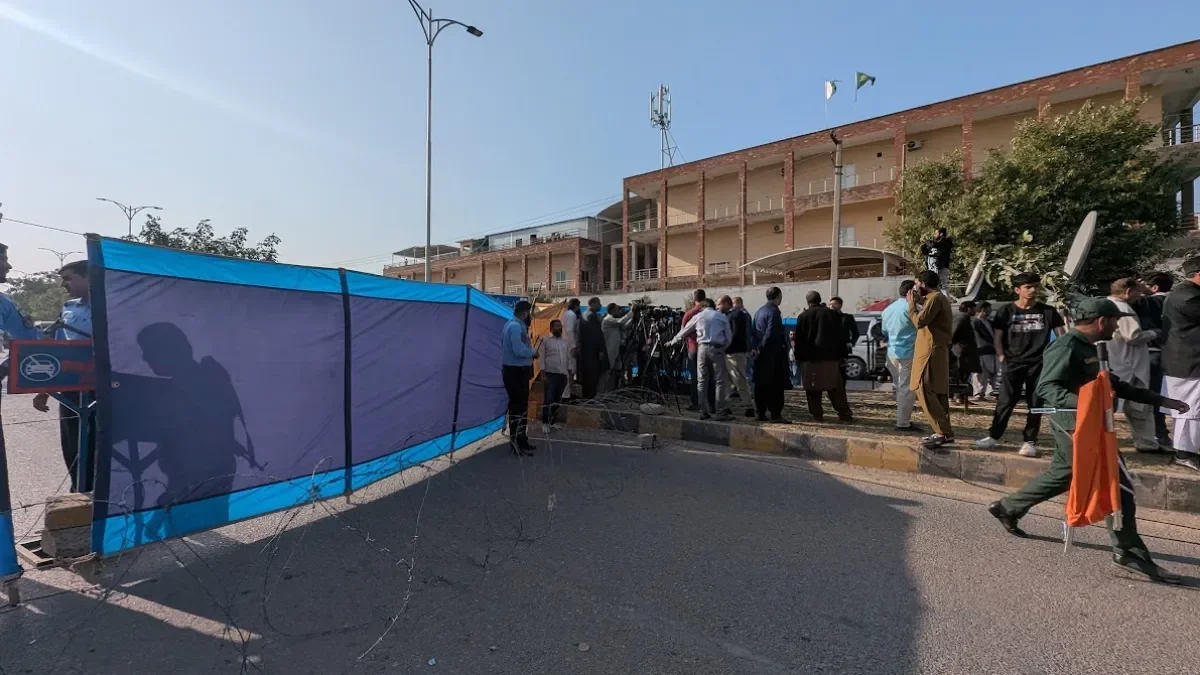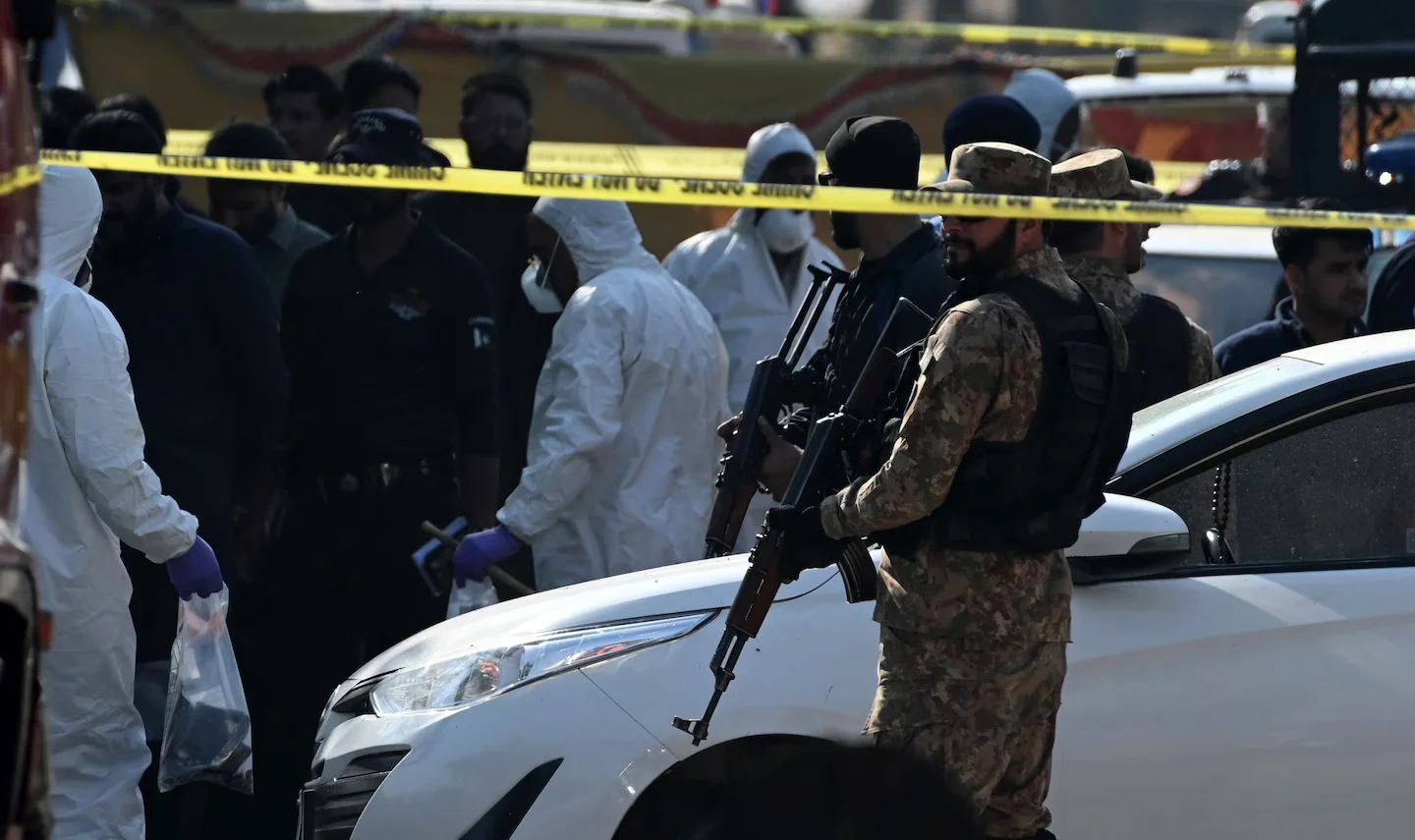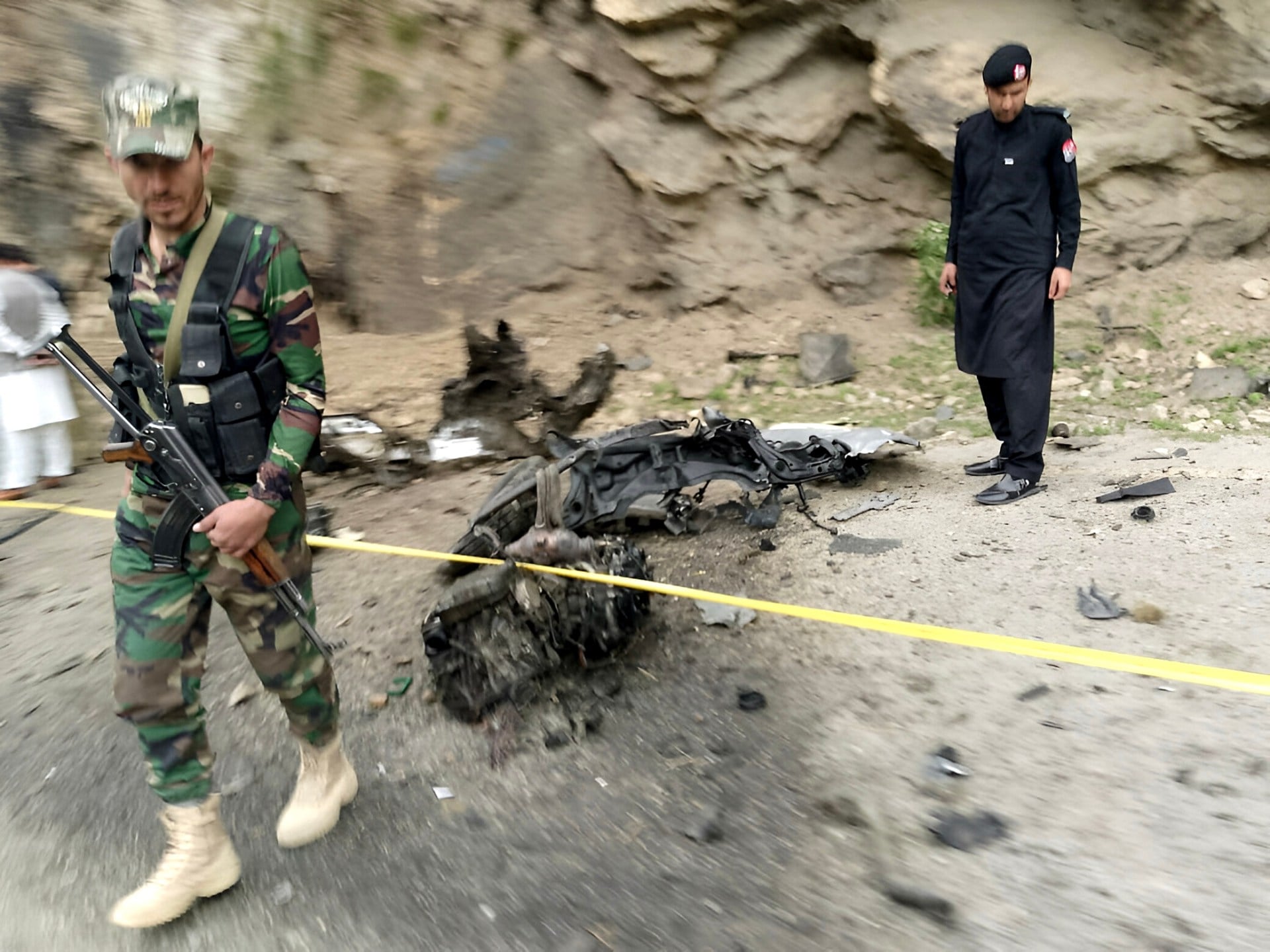
Pakistan has launched an investigation into a suicide bombing outside Islamabad's district court, which killed 12 people, with initial claims by the Pakistan Taliban and allegations by the Prime Minister linking the attack to Indian-backed militants, amid heightened tensions between India and Pakistan.
Pakistan is investigating a suicide bombing outside an Islamabad court that killed 12, amid ongoing militant threats and tensions with Afghanistan and India, highlighting the persistent security challenges in the region.
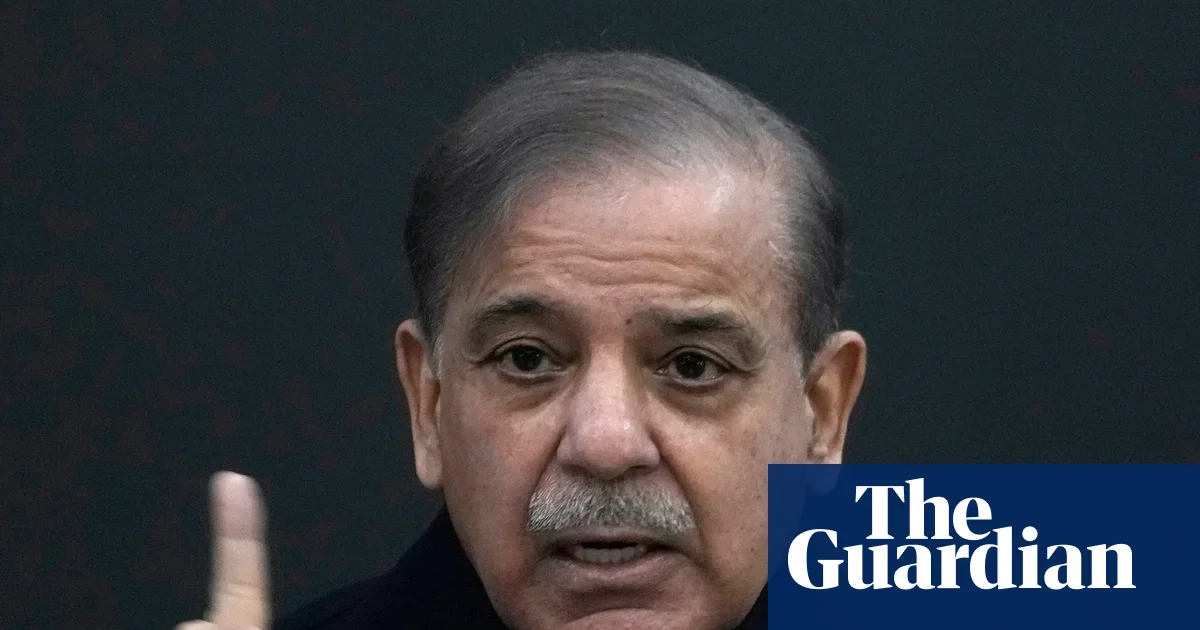
Pakistan blames India for a suicide bombing outside a court in Islamabad that killed 12 and injured over 30, claiming it as an act of Indian state terrorism, amid ongoing tensions and recent attacks linked to the Pakistani Taliban (TTP). The attack occurred during a period of heightened regional instability involving Pakistan, Afghanistan, and India, with Pakistan accusing Afghanistan of sheltering militant groups, and India denying involvement. The situation underscores escalating violence and strained diplomatic relations in the region.
A suicide bombing in Islamabad, Pakistan, killed at least 12 civilians, marking the deadliest attack in the region in nearly a decade, with the Pakistani Taliban (TTP) suspected of involvement, potentially escalating tensions with India and Afghanistan.
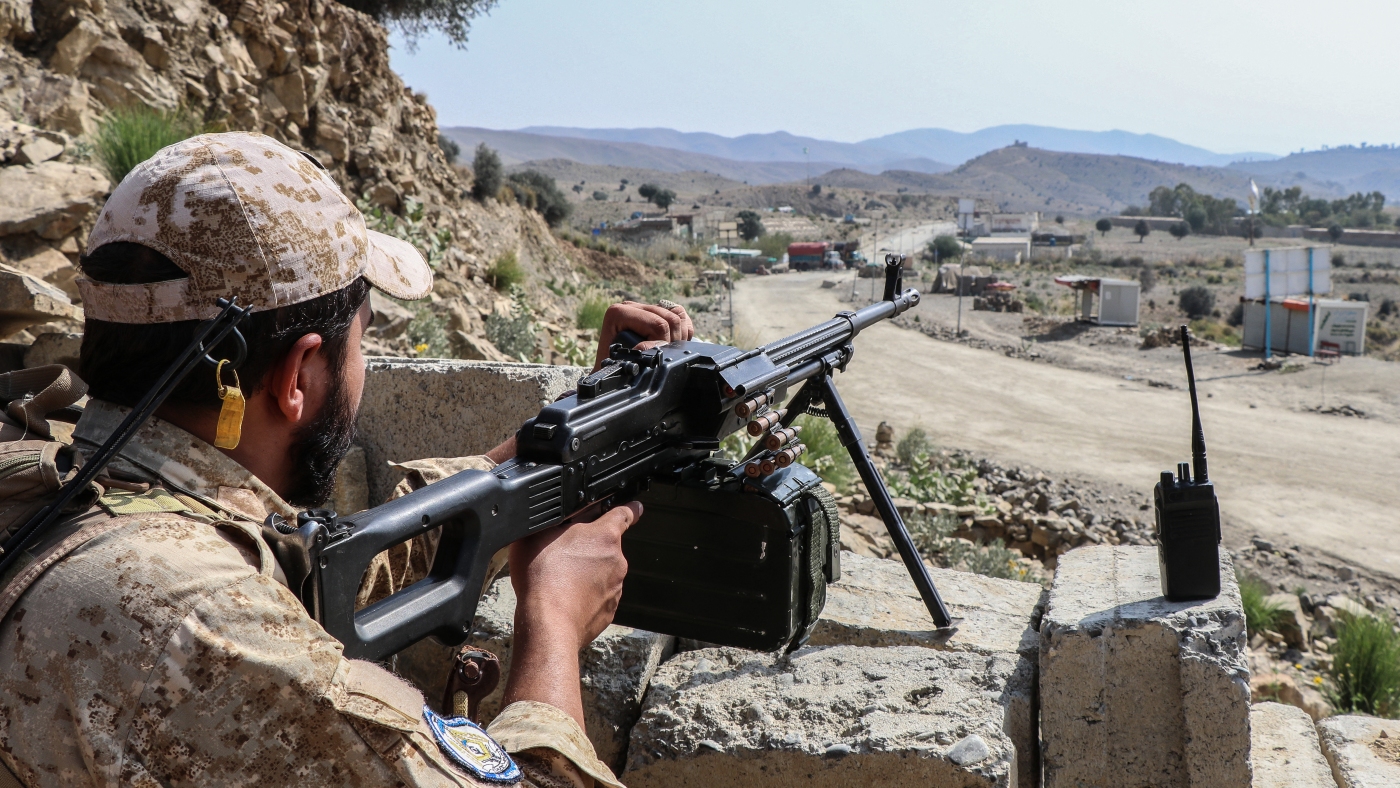
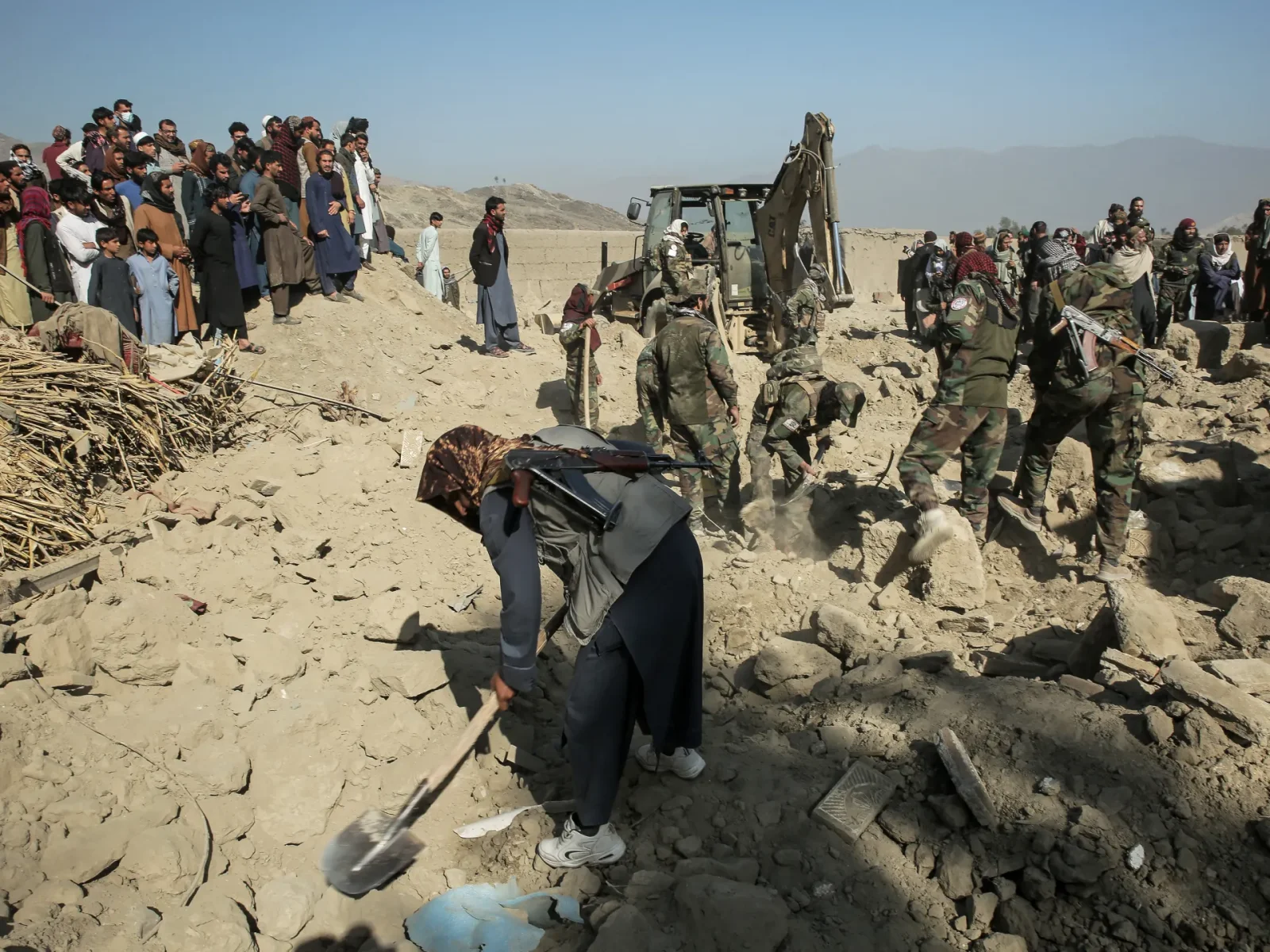
Four Afghan civilians were killed and five wounded in a border clash with Pakistan amid ongoing peace talks in Istanbul, highlighting rising tensions and accusations between the two nations over cross-border violence and militant harboring, with recent clashes and ceasefire efforts marking a fragile situation.
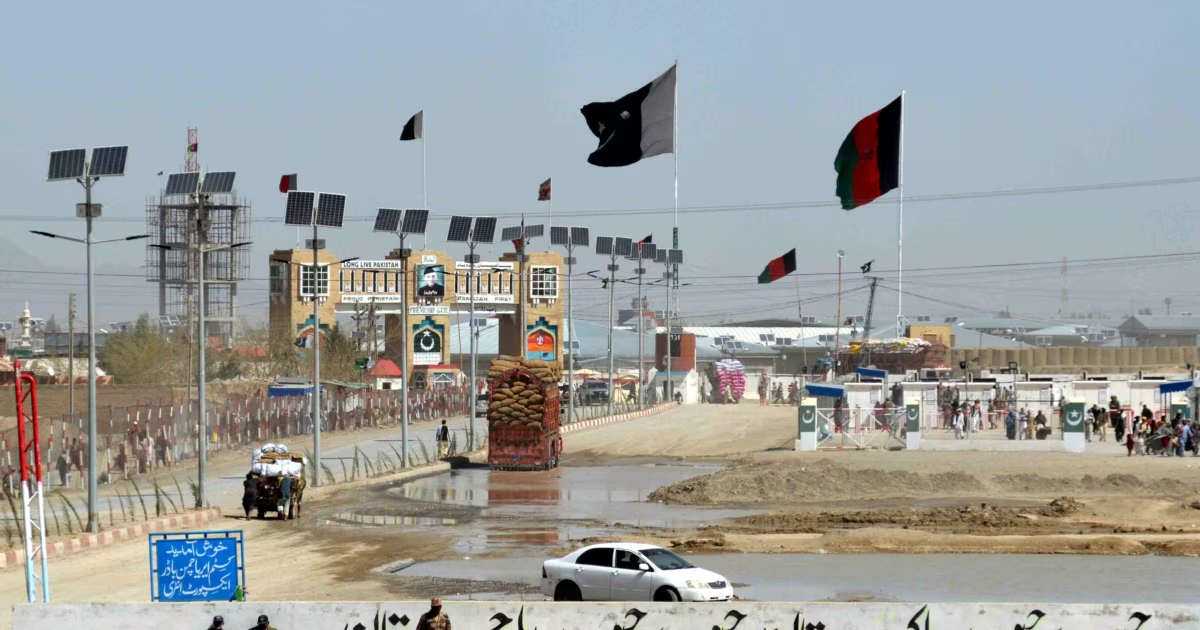
Pakistan and Afghanistan have agreed to maintain a ceasefire after recent hostilities fueled by militant activity, with future talks scheduled to establish monitoring mechanisms. The conflict, rooted in cross-border militancy and tensions over the Pakistani Taliban (TTP), has led to halted trade and regional instability, with ongoing concerns about the potential for renewed violence.
Noor Wali Mehsud, leader of the TTP, survived a failed Pakistani airstrike in Kabul, leading to renewed border clashes and highlighting ongoing tensions between Pakistan and Afghanistan over militant sanctuaries, with Mehsud's revival of the TTP intensifying insurgency in Pakistan.
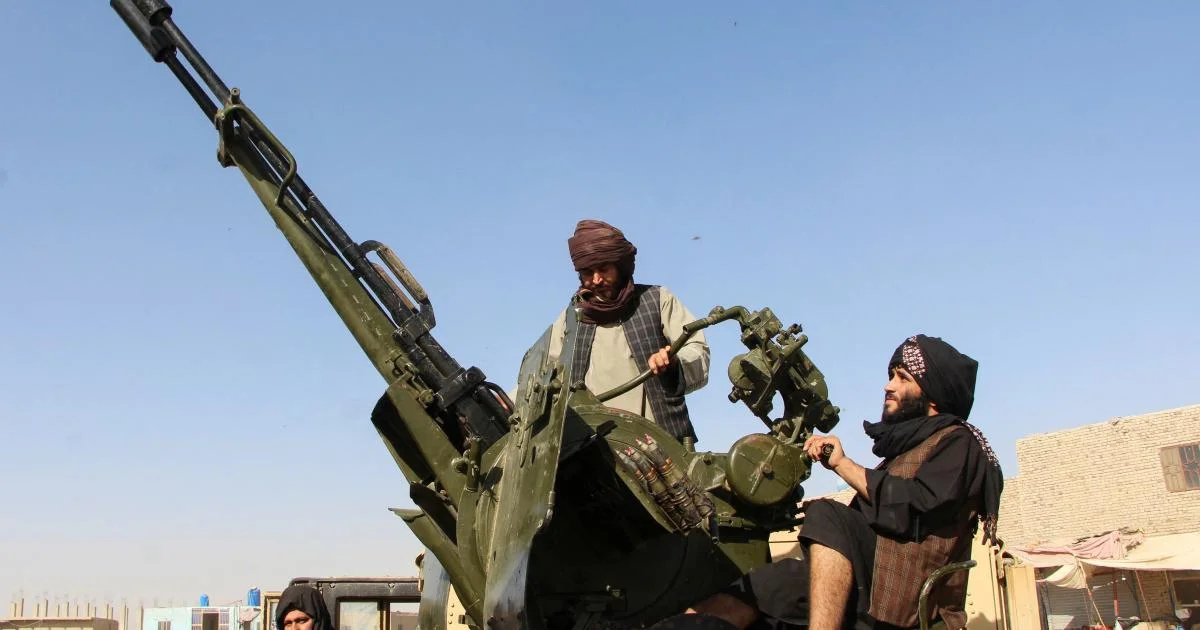
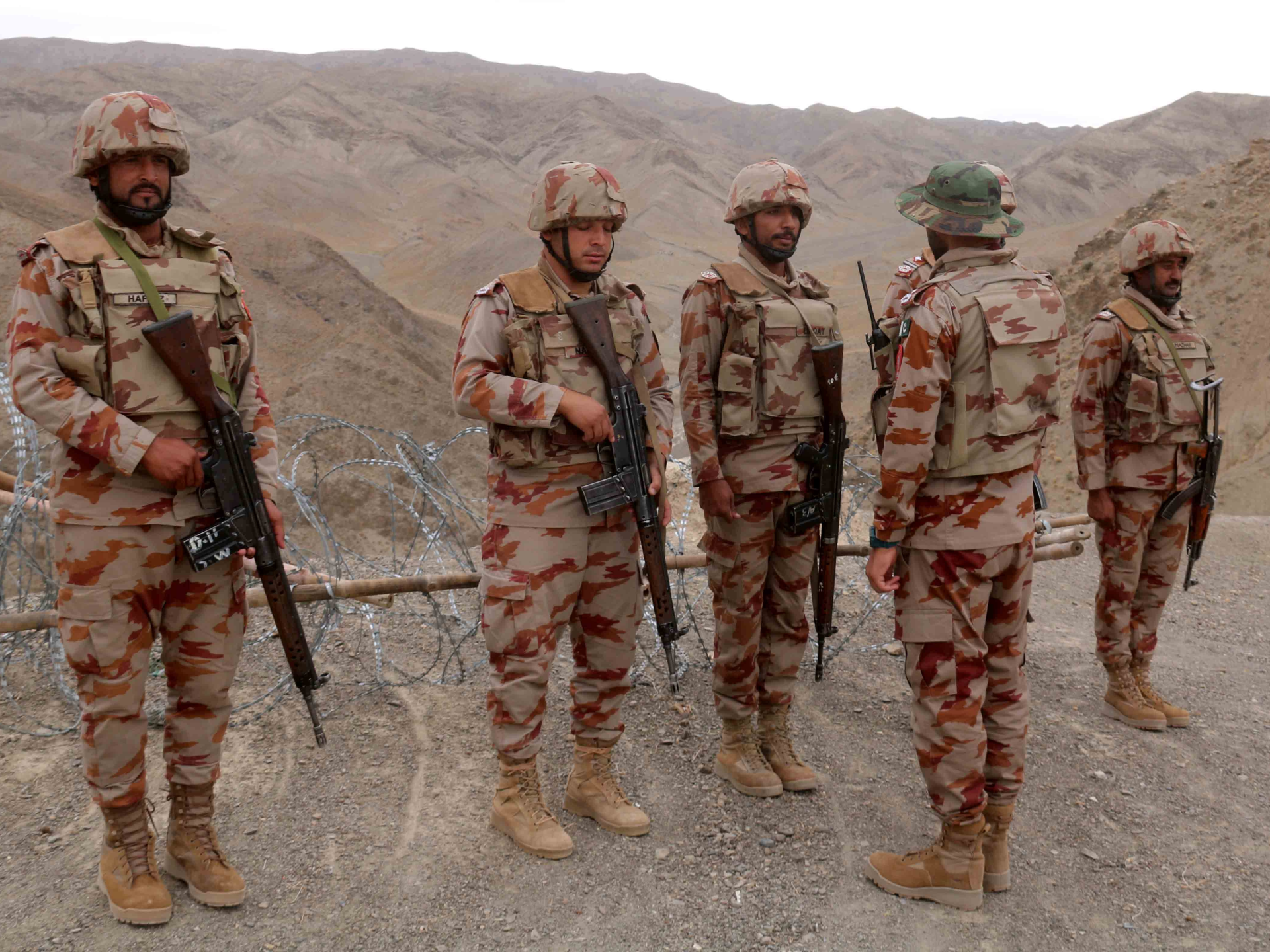
Heavy border clashes occurred between Pakistani and Afghan forces, with both sides claiming victories and casualties, amid ongoing tensions over Taliban's harboring of Pakistani Taliban (TTP) fighters and recent attacks. The conflict has escalated tensions, but analysts suggest both sides prefer de-escalation, with regional and international calls for restraint.
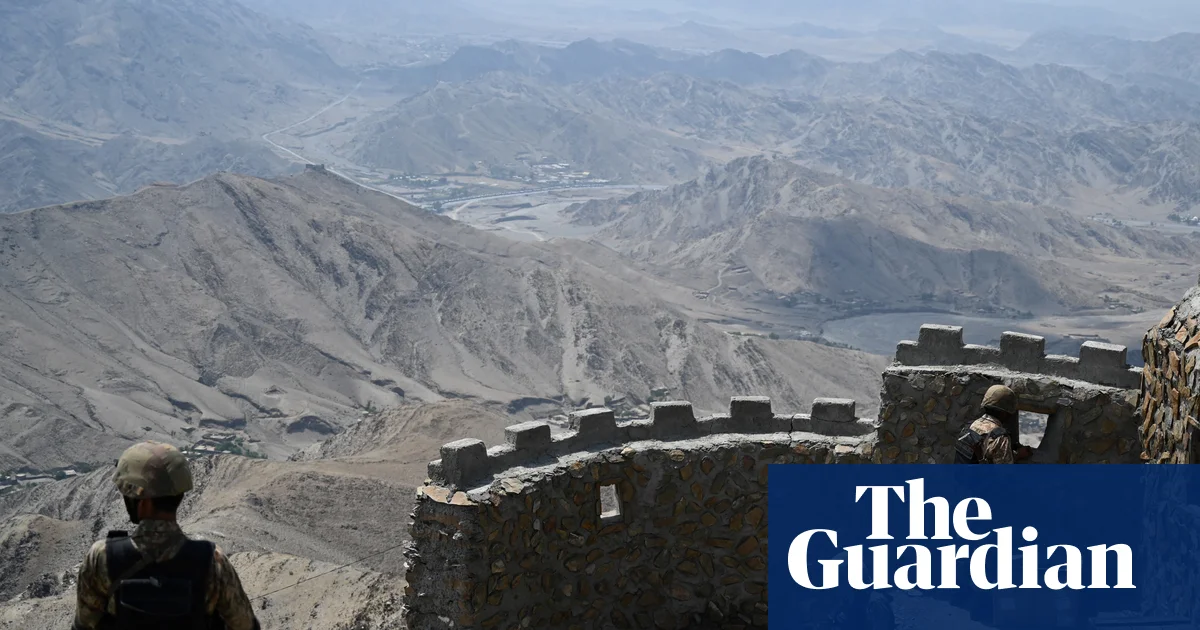
Heavy clashes erupted along the Pakistan-Afghanistan border after Taliban attacks on Pakistani military posts, with Pakistan retaliating using artillery and tanks. The conflict is linked to recent airstrikes and tensions over harboring the TTP, with analysts warning of a cycle of retaliation and ongoing instability in the region.
Fighting erupted along the Pakistan-Afghanistan border with casualties on both sides, as Pakistani forces responded to Taliban operations and alleged violations, amid ongoing tensions over the Taliban's sheltering of extremist groups and regional geopolitical developments.
Pakistan has experienced a surge in deadly attacks, with five suicide bombings targeting Chinese interests, prompting concerns about a larger plan to harm economic ties between Pakistan and China. The attacks have been claimed by various armed groups, including the Balochistan Liberation Army, and have raised questions about the involvement of religiously inspired armed groups and individuals. The Pakistani government has vowed to bring the perpetrators to justice and protect Chinese nationals and projects in the country, while analysts emphasize the need to address the grievances of Balochistan to mitigate the insurgency.