
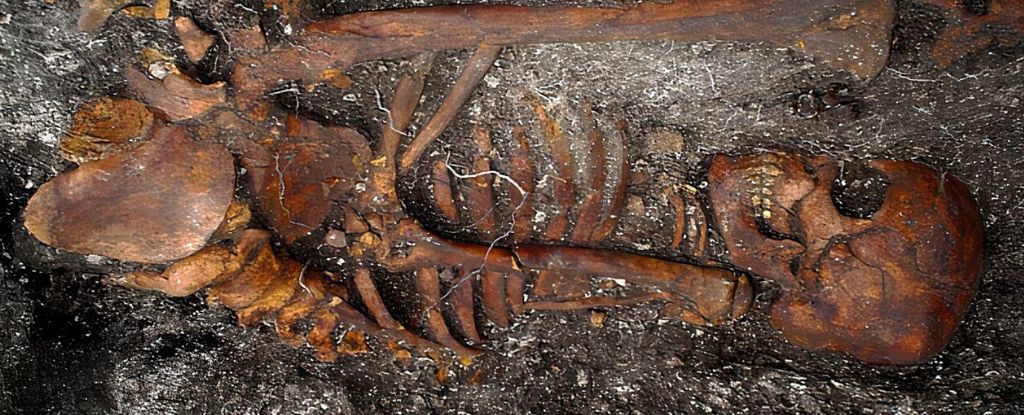
"Revisiting the Origins of Syphilis: Insights from Ancient Brazilian Genomes and 2000-Year-Old Bones"
Researchers have discovered the oldest case of a syphilis-like disease in 2,000-year-old bones found in Brazil, undermining the theory that Christopher Columbus brought syphilis to Europe. The ancient bacterial subspecies of syphilis, closely related to a modern pathogen causing a disease called bejel, suggests that treponemal diseases existed in South America long before Columbus' arrival but were not the same as the venereal disease that later struck Europe. The findings challenge the long-held Columbian hypothesis and indicate that the origins of syphilis may not be confined to just one place or time.