Oregon's political landscape in 2026 will be shaped by the gubernatorial race featuring incumbent Tina Kotek and potential Republican challengers, ongoing debates over transportation funding, the aftermath of Portland's government overhaul, budget challenges due to federal tax changes, and the upcoming midterm elections that could impact both state and federal representation.
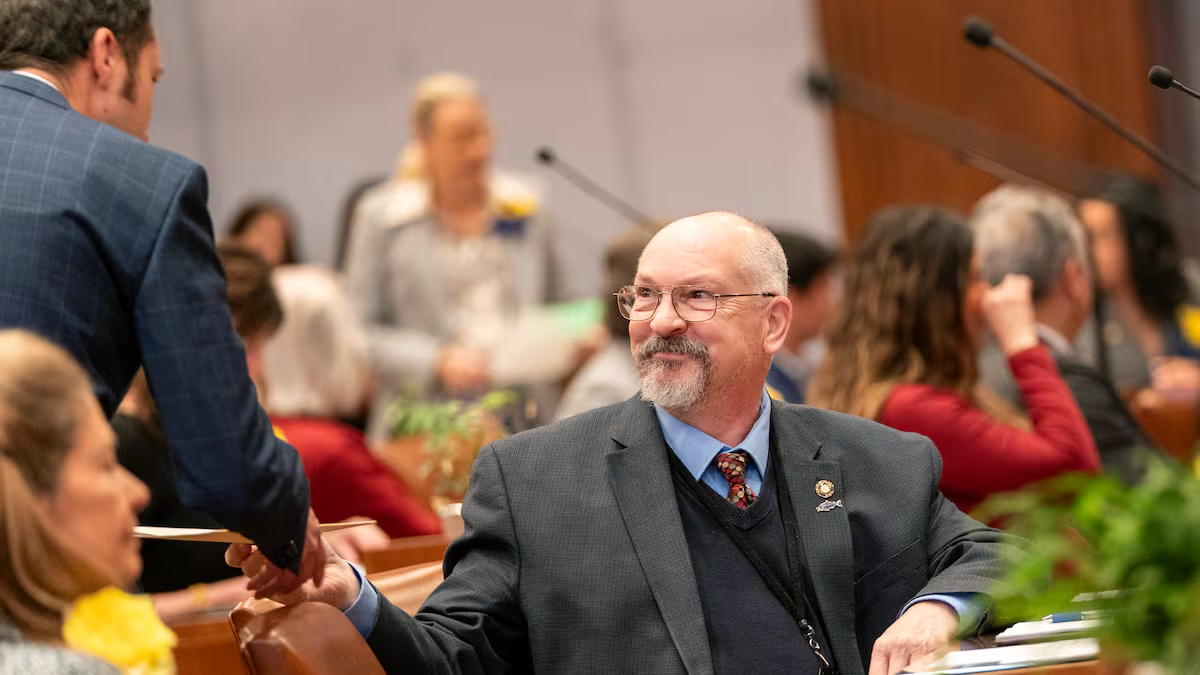
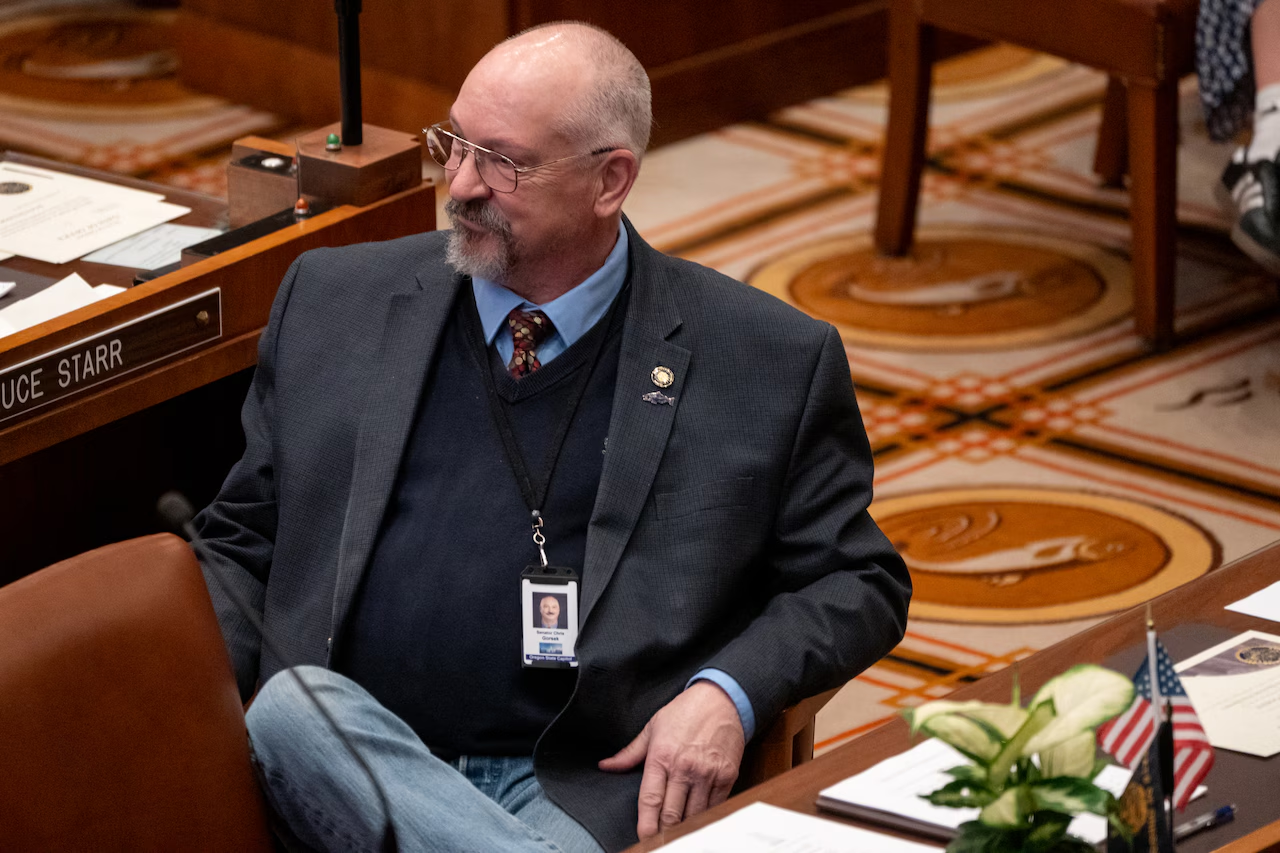
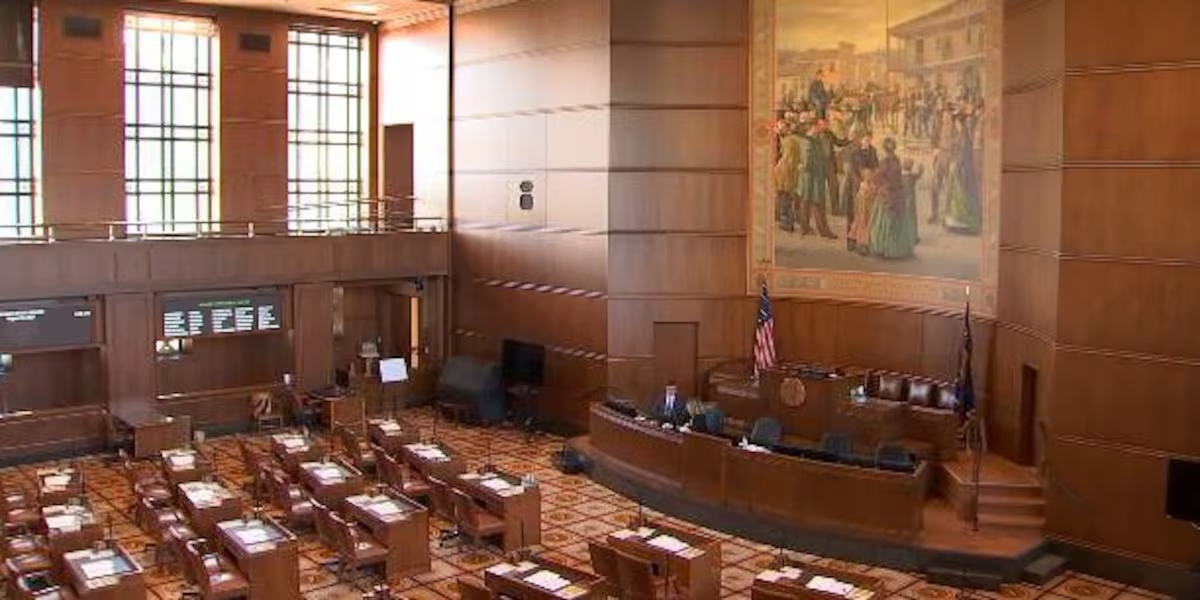
Oregon Democrats have delayed a key transportation funding bill due to the absence of Senator Chris Gorsek, who is recovering from health issues. The delay pushes back the vote and related budget decisions, risking layoffs at the Oregon Department of Transportation unless the bill passes. Governor Tina Kotek remains optimistic about the bill's passage once Gorsek returns, but the session has faced multiple setbacks.
Oregon Democrats delayed a key transportation funding vote until September 17 due to Senator Gorsek's health issues, affecting the passage of a bill that includes tax hikes and aims to prevent transportation worker layoffs, with the delay allowing Gorsek to recover and participate in the vote.
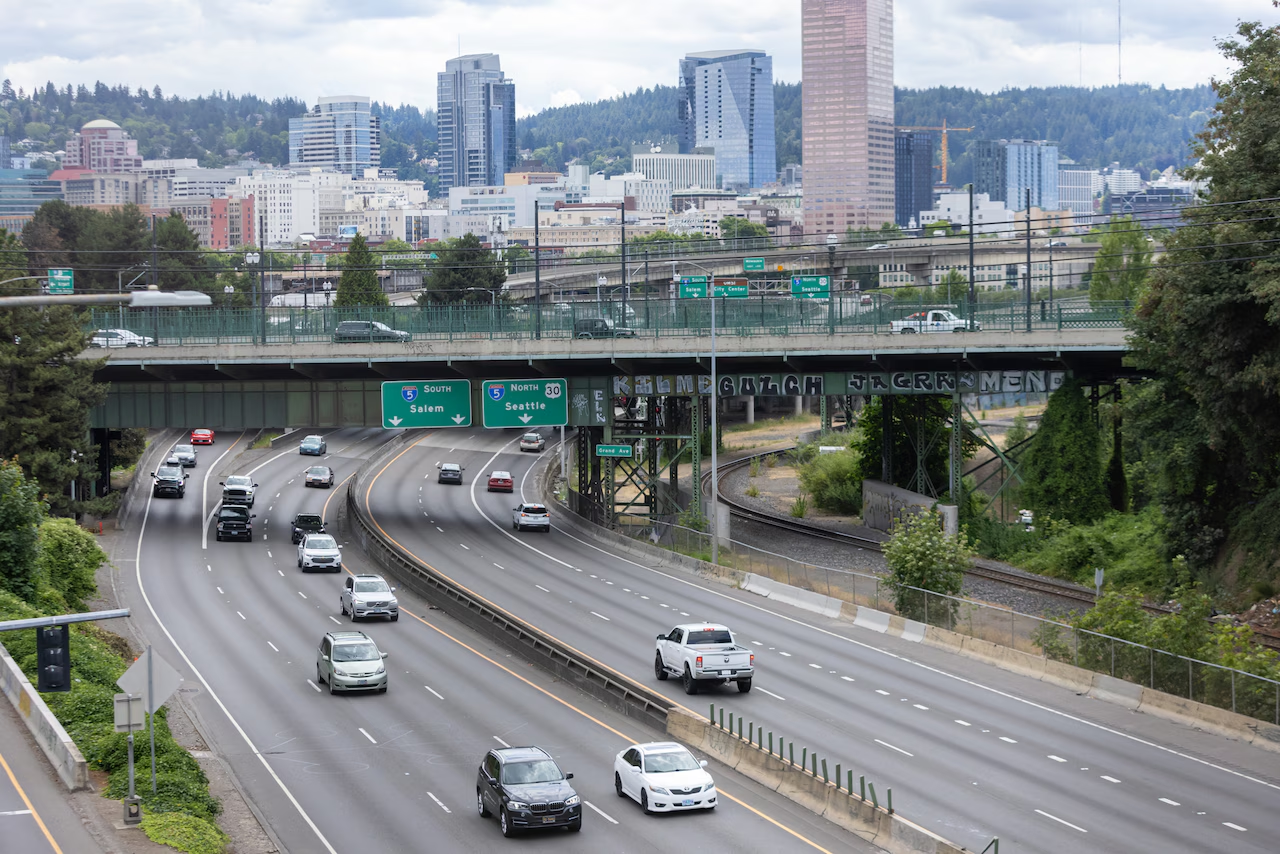
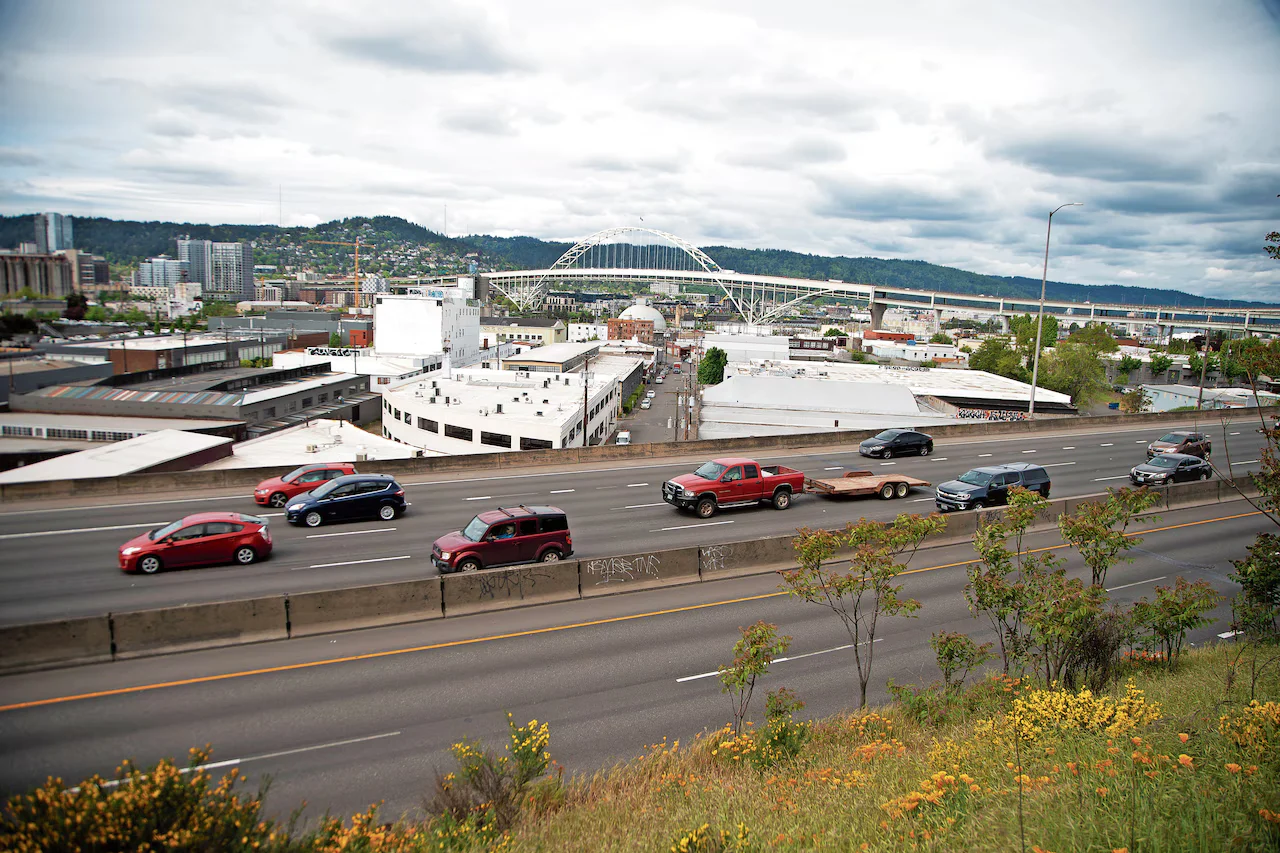
Oregon Democrats in the House passed a transportation funding package that raises about $4.3 billion over ten years through increased taxes and fees, including a gas tax hike and vehicle fees, to fund road, bridge, and transit projects, with the plan now heading to the Senate amid bipartisan support and concerns over oversight and fiscal impact.
Lawmakers in Oregon are in the third day of a special session debating Governor Kotek's transportation bill, which includes raising payroll taxes, gas taxes, and vehicle registration fees to fund infrastructure and protect ODOT jobs, amid heated debates, public opposition, and amendments to the bill.
Oregon Democrats advanced a transportation funding proposal through a key committee, involving tax and fee increases to support roads, bridges, and public transit, after making last-minute adjustments to gain Republican support.
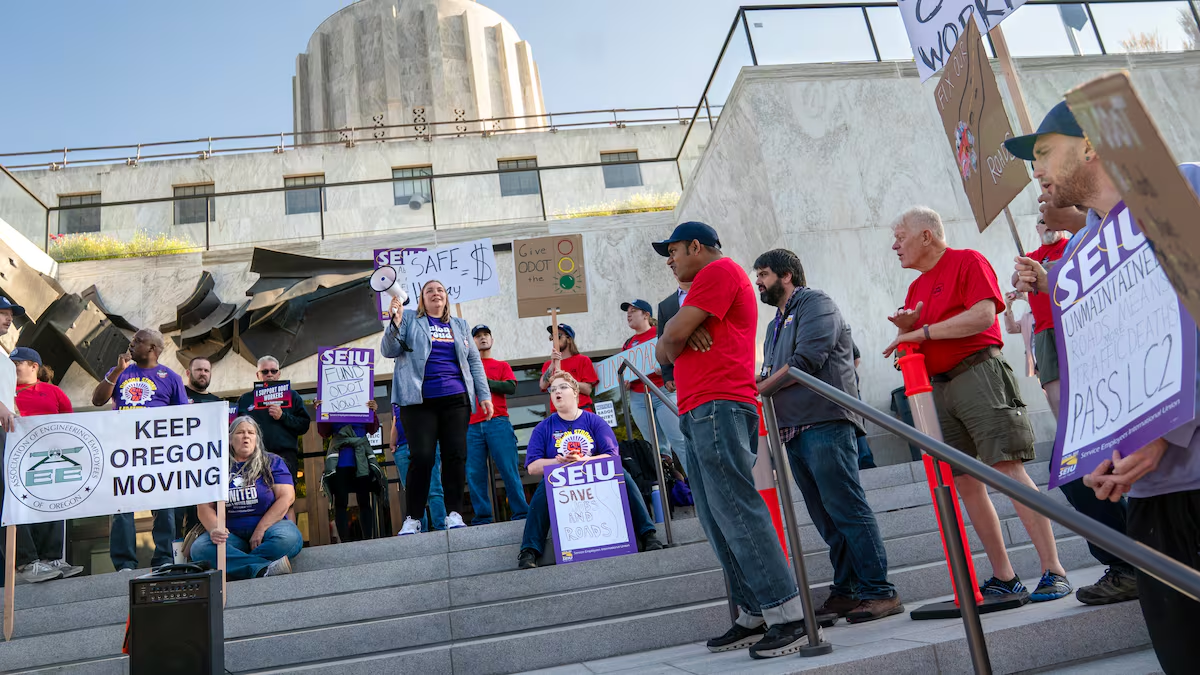
Oregon's special legislative session aimed at passing a transportation funding package was hampered on its first day due to a lack of quorum in the House, delaying proceedings and highlighting political disagreements over tax increases and budget priorities, with Republicans proposing alternative funding strategies and unionized workers rallying to prevent layoffs.
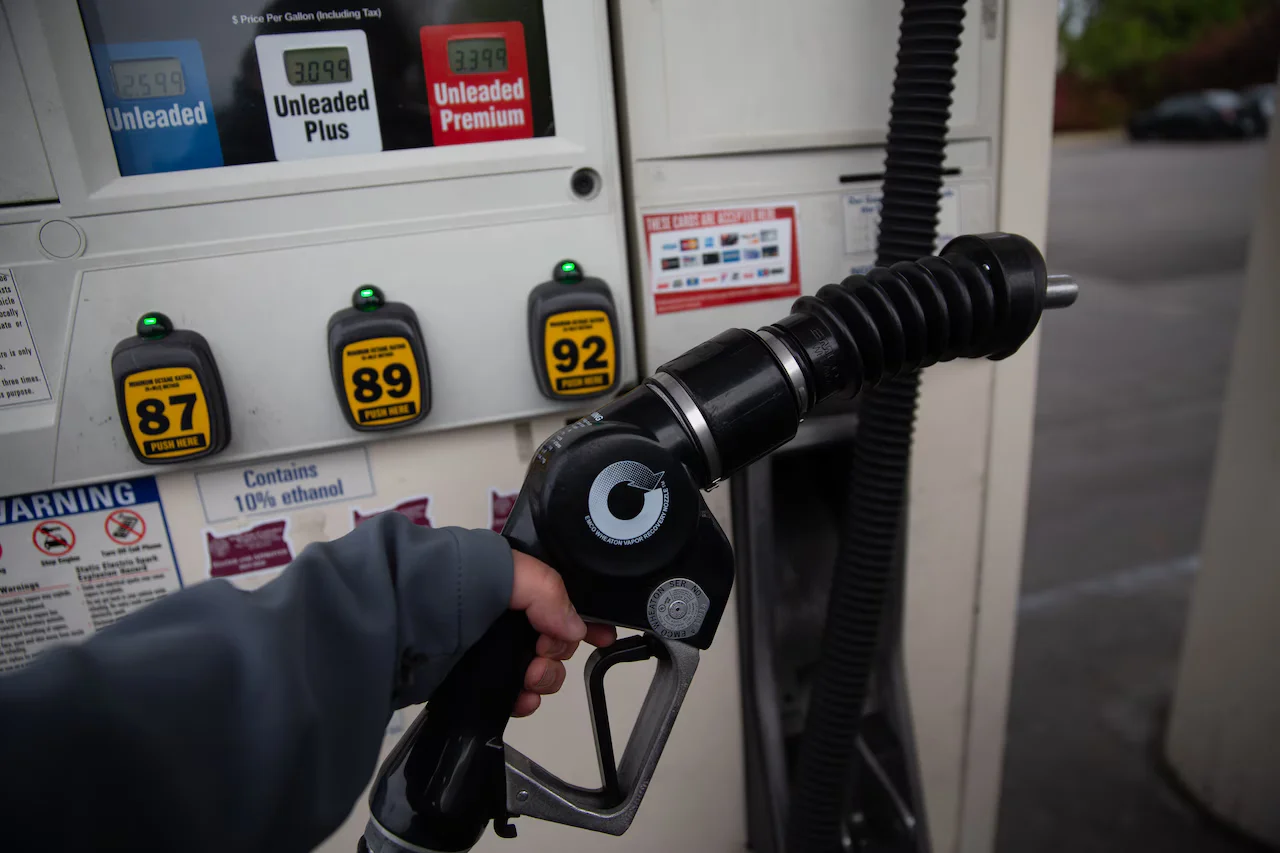
While U.S. national gas prices have fallen to their lowest in four years, Oregon's prices have increased slightly and remain higher than the national average, with ongoing discussions about raising the state's gas tax to fund transportation projects.
Oregon House Rep. Mark Gamba criticizes the handling of House Bill 2025, highlighting the state's underfunded transportation system, the political challenges faced, and the need for increased investment in infrastructure and safety, while criticizing the inefficiency of ODOT and the influence of misinformation and partisan politics on transportation policy.
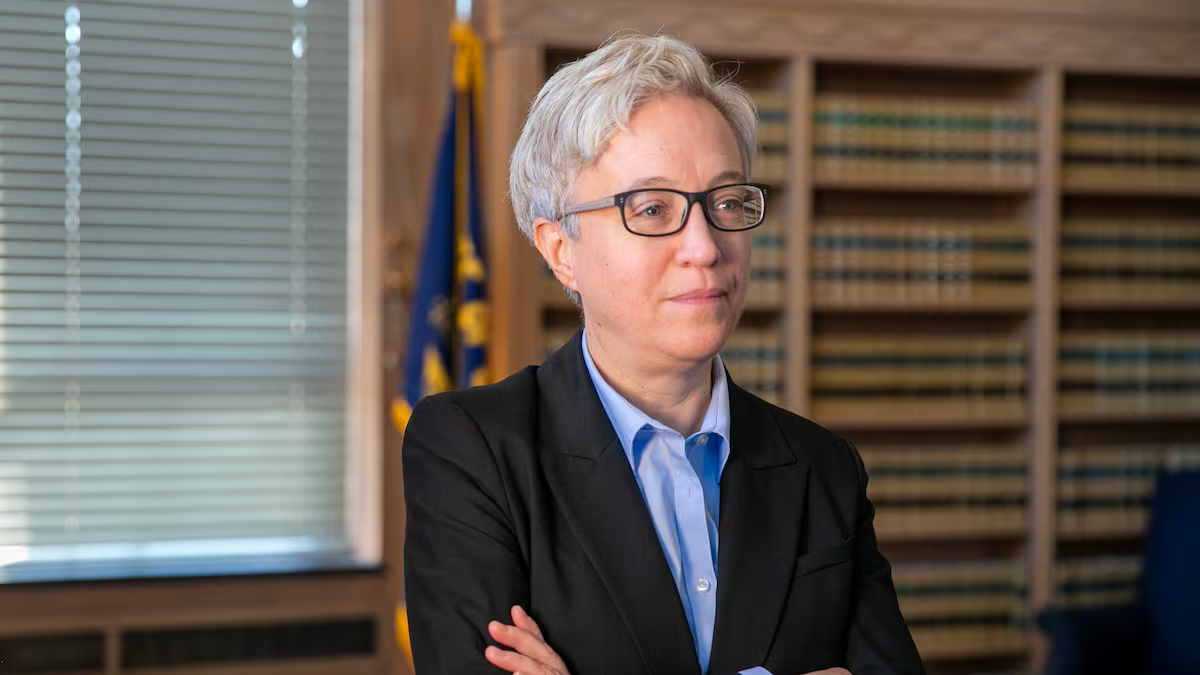
Oregon Governor Tina Kotek criticized legislative inaction and Republican opposition for blocking a crucial transportation funding bill, which could lead to significant layoffs at ODOT and hinder road projects, with Kotek considering a special session to address the issue.
Oregon lawmakers, led by Democrats, failed to pass a transportation funding package before the legislative session ended, missing an opportunity to secure funds for highway and bridge maintenance and upgrades.
Illinois lawmakers approved a $55 billion budget with tax increases on tobacco, vaping, and online sportsbooks, while also passing a revenue package and spending cuts, but adjourned without resolving transit funding or the Bears stadium issue, amidst political debates over spending and fiscal strategies.
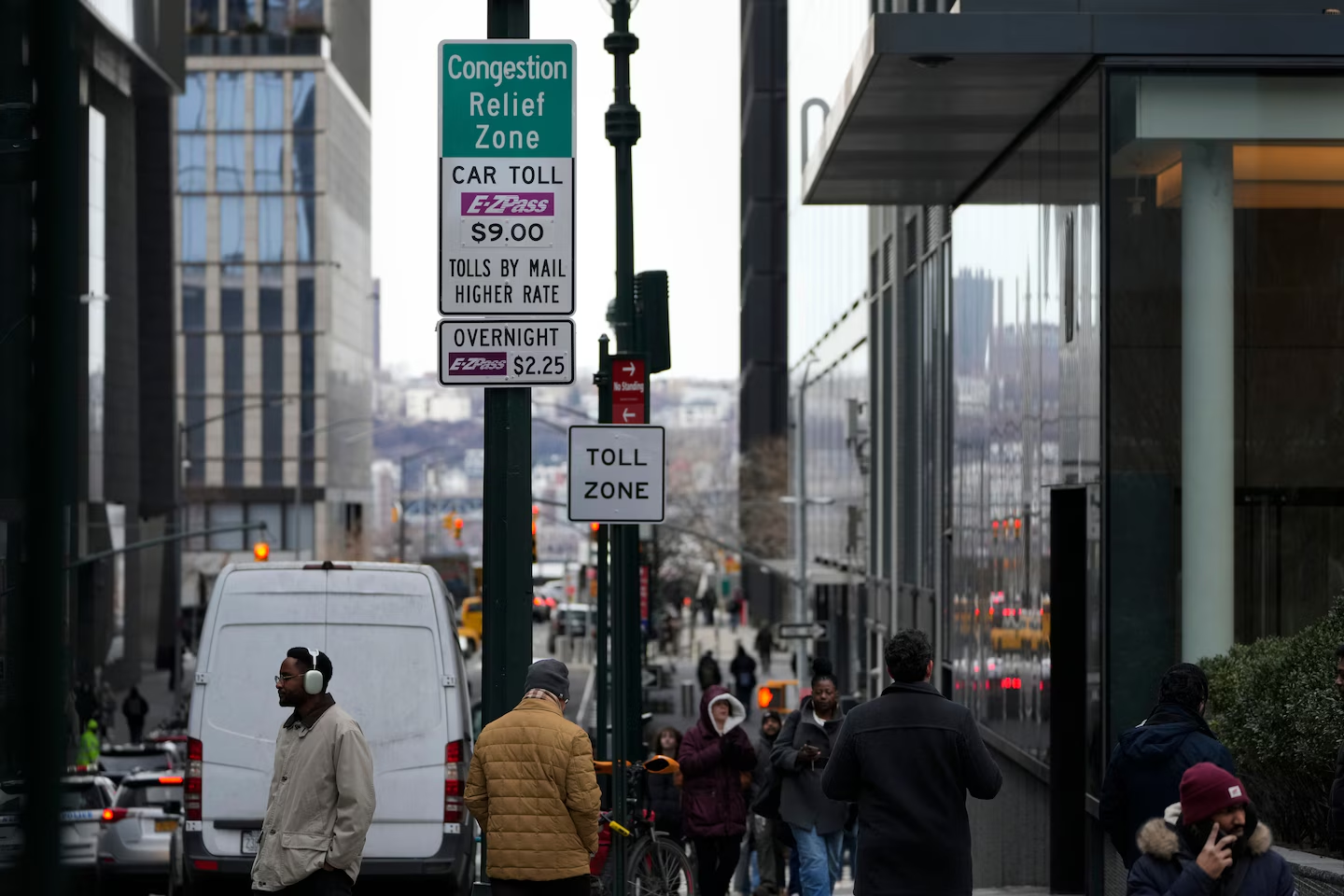
A federal judge has temporarily blocked the Trump administration from ending NYC's congestion pricing program, allowing the city to continue charging drivers up to $9 in Manhattan to reduce traffic and fund transit improvements until at least June 9.
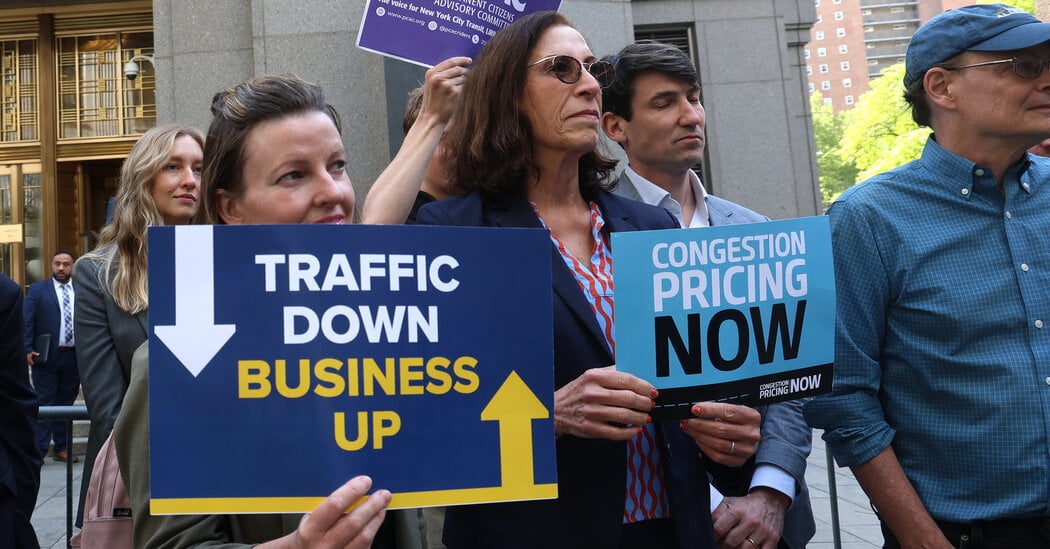
A federal court temporarily blocked the Trump administration from ending New York City's congestion pricing program, ensuring it remains operational at least until June 9, protecting funding for transit projects and preventing potential financial and infrastructural setbacks for NYC.
The MTA plans to increase Manhattan's congestion pricing toll to $15 by 2031, up from the $9 base toll set to launch in January. The toll hikes are intended to fund $15 billion in necessary MTA repairs and upgrades. Governor Kathy Hochul has delayed the initial $15 toll plan, citing concerns over its impact on drivers, and has outlined a phased approach to the increase. The decision comes amid political changes and opposition, with the MTA aiming to balance revenue needs with public acceptance.