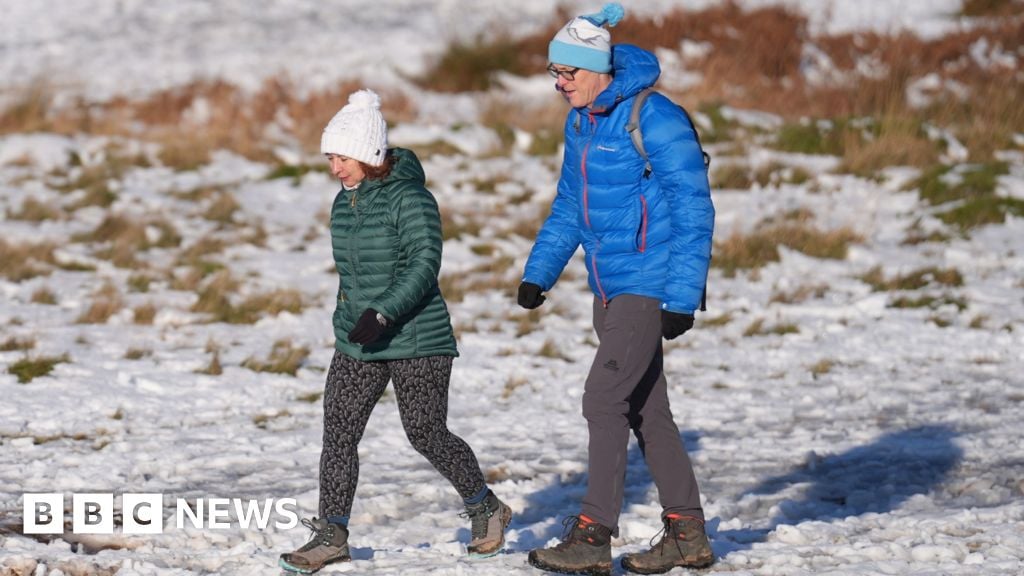
Storm Goretti caused heavy snow, ice, and strong winds across the UK, leading to warnings, power outages affecting over 20,000 properties, and transport disruptions, with conditions expected to improve early next week as milder weather arrives.
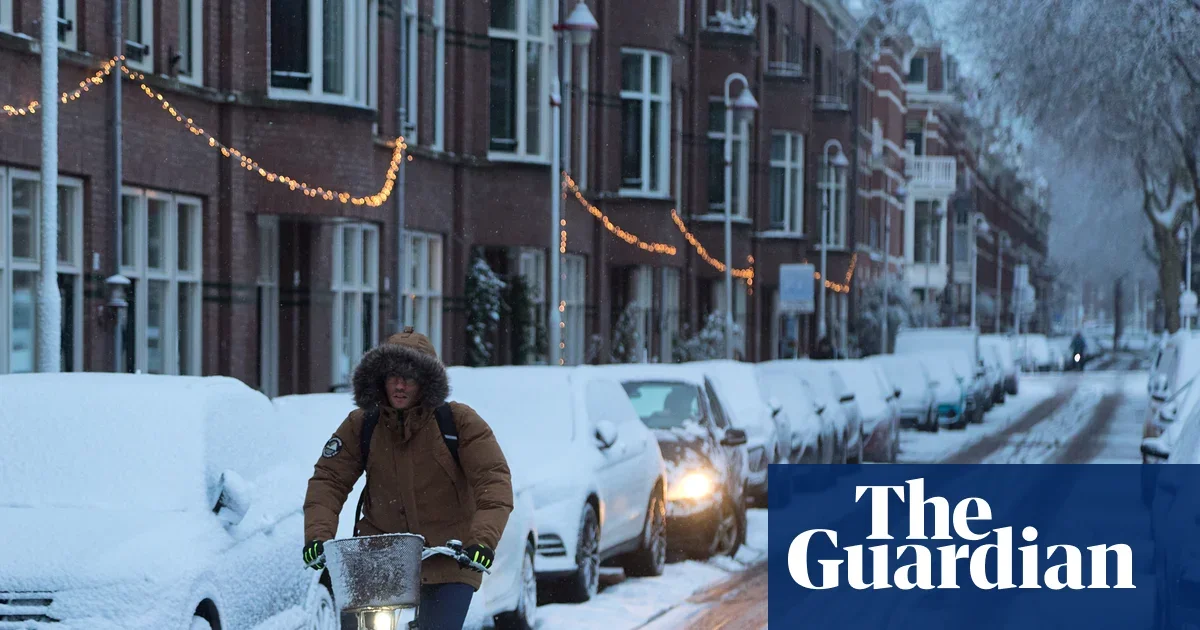
A recent snowstorm in the Netherlands, a country unaccustomed to heavy snow due to climate change, has caused widespread chaos, highlighting the nation's lack of preparedness and the impacts of a warming climate on traditional winter conditions.
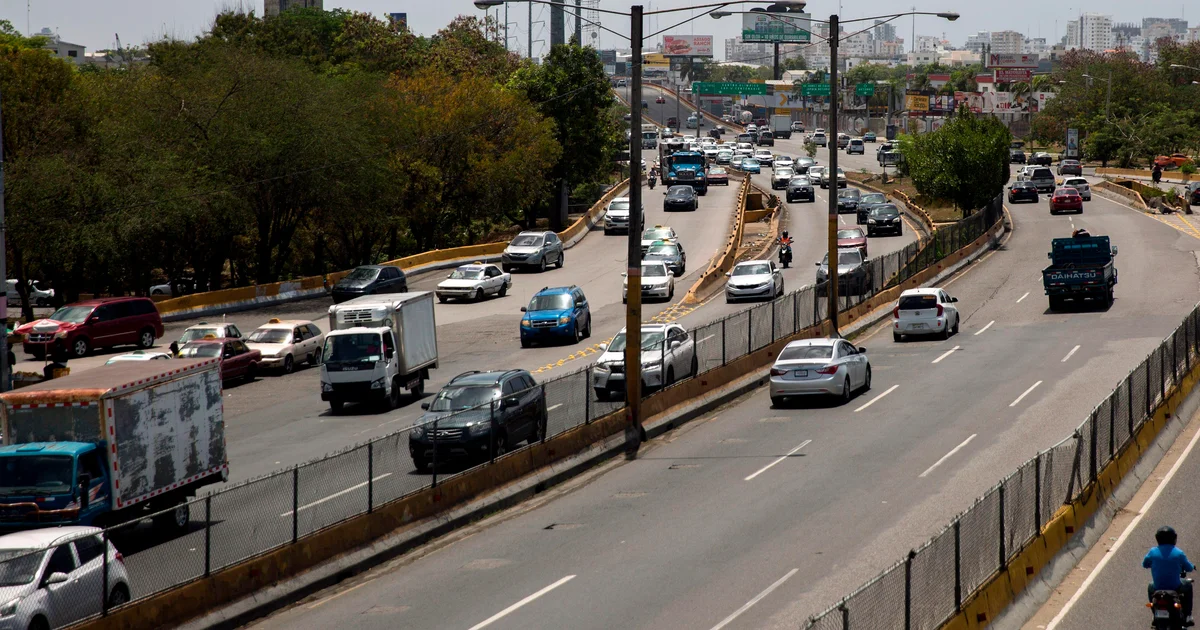
A widespread blackout in the Dominican Republic caused by a transmission system failure disrupted transportation, businesses, and daily life, with power outages affecting the entire country and highlighting ongoing energy infrastructure issues.
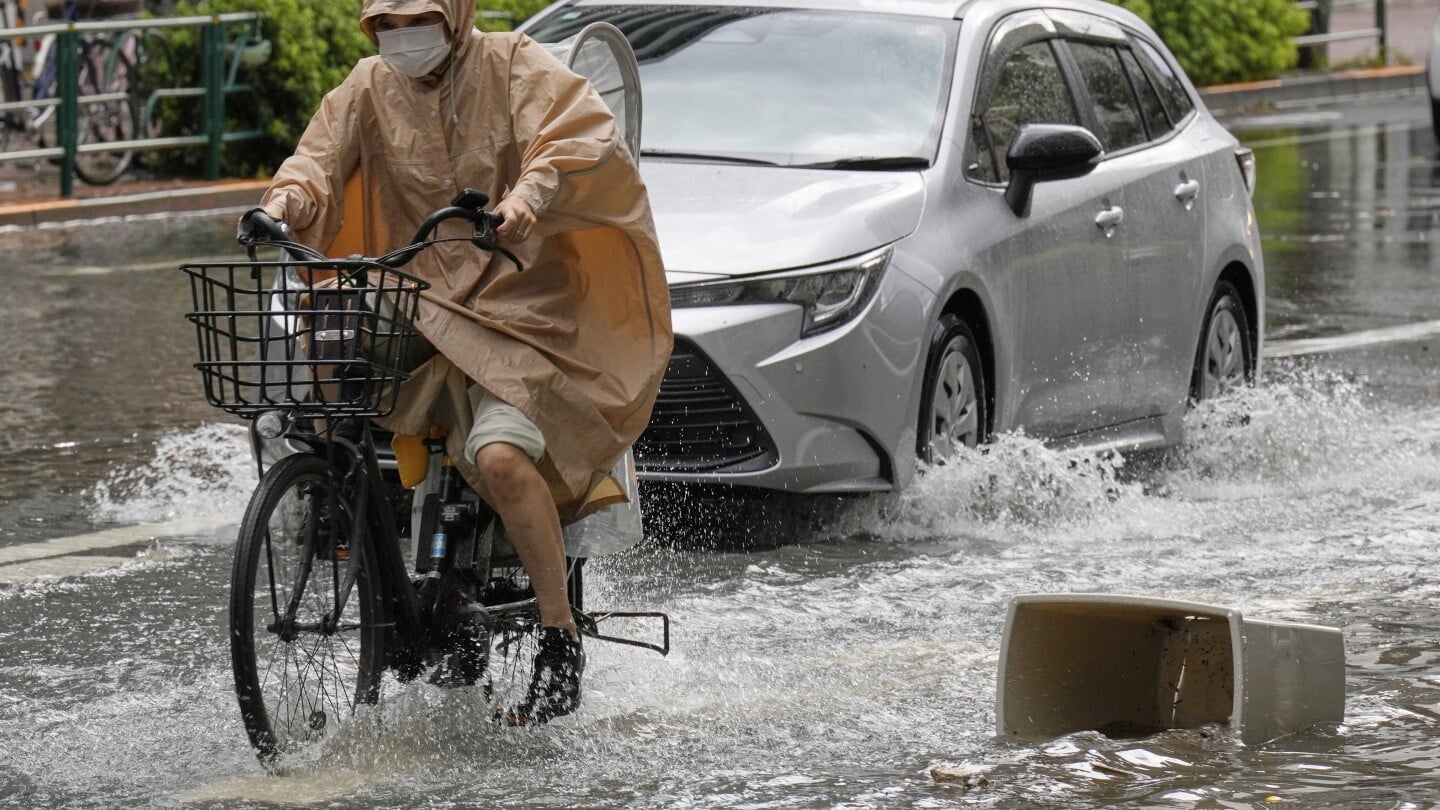
Heavy rain in Tokyo caused flooding, halted air and rail traffic, and left thousands without power, with more storms expected to continue. Authorities advised residents to stay indoors and monitor weather updates.
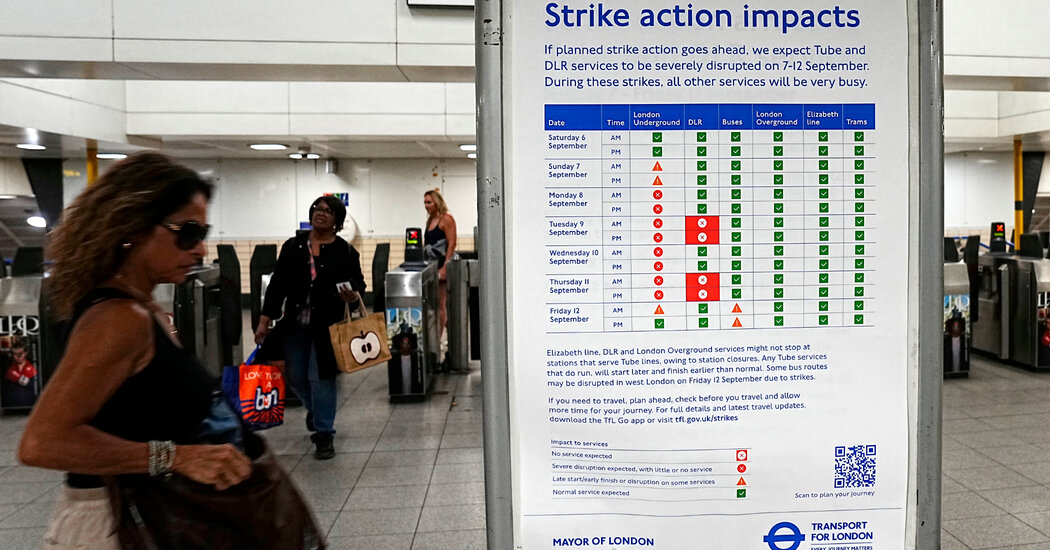
A five-day strike on the London Underground began over pay and working conditions, causing significant disruptions to millions of commuters and affecting other transit services in London, with services expected to be severely limited or halted from Sunday to Thursday.
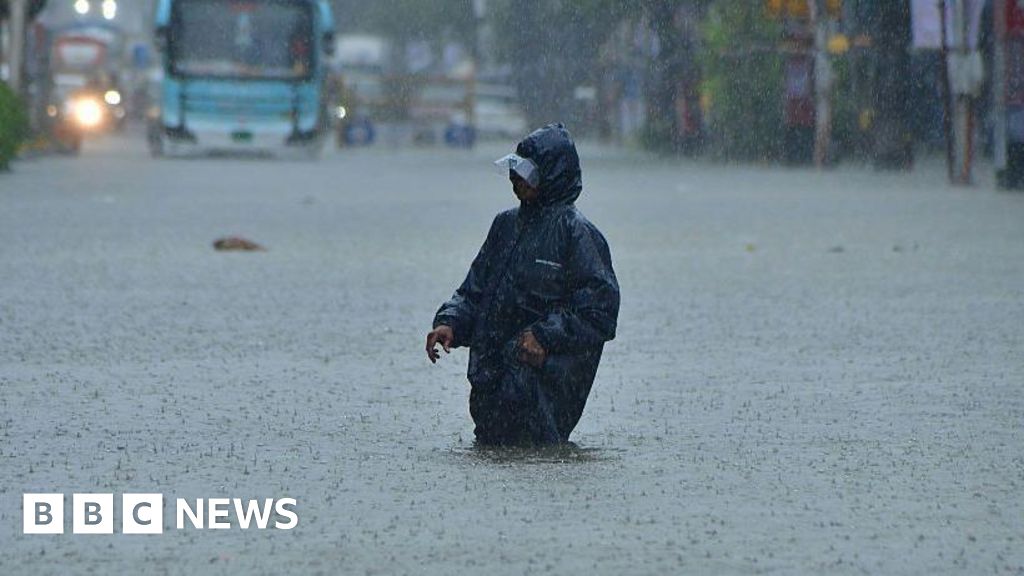
Heavy monsoon rains in Mumbai have caused severe flooding, disrupting transportation, causing casualties, and exposing infrastructure weaknesses, with authorities and citizens criticizing the lack of preparedness amid ongoing heavy rainfall and climate challenges.
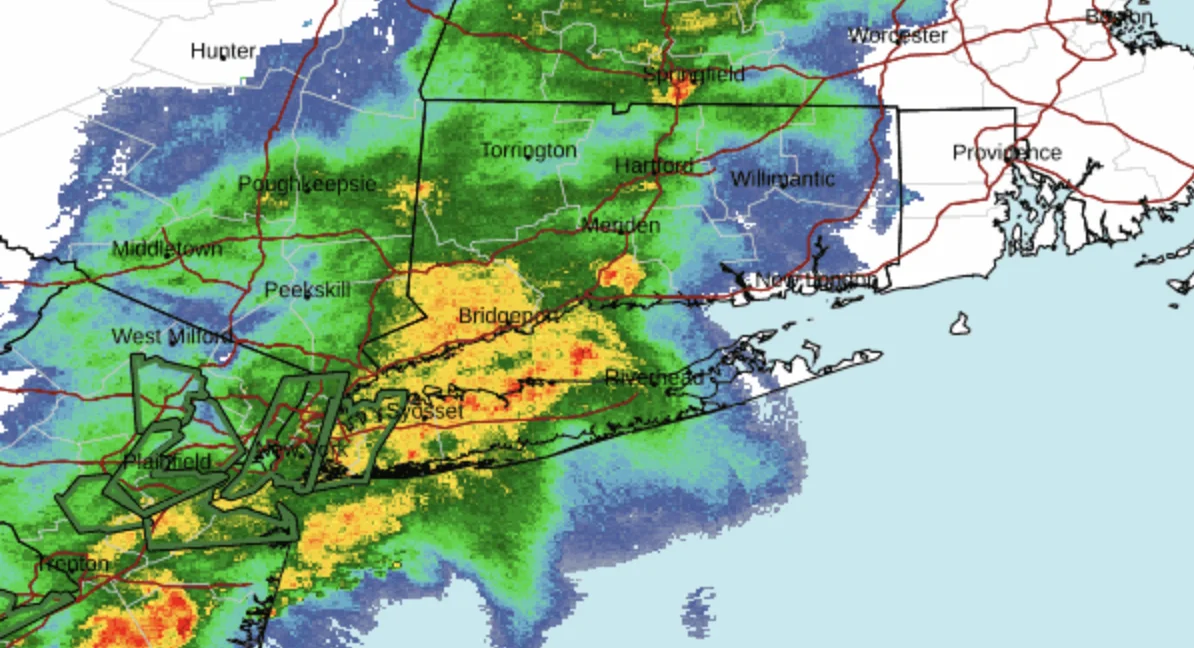
Heavy rain in NYC caused severe flooding, leading to flash flood warnings, road closures, and transit delays across the region, with some areas experiencing the second-wettest hour in city history and emergency responses underway.
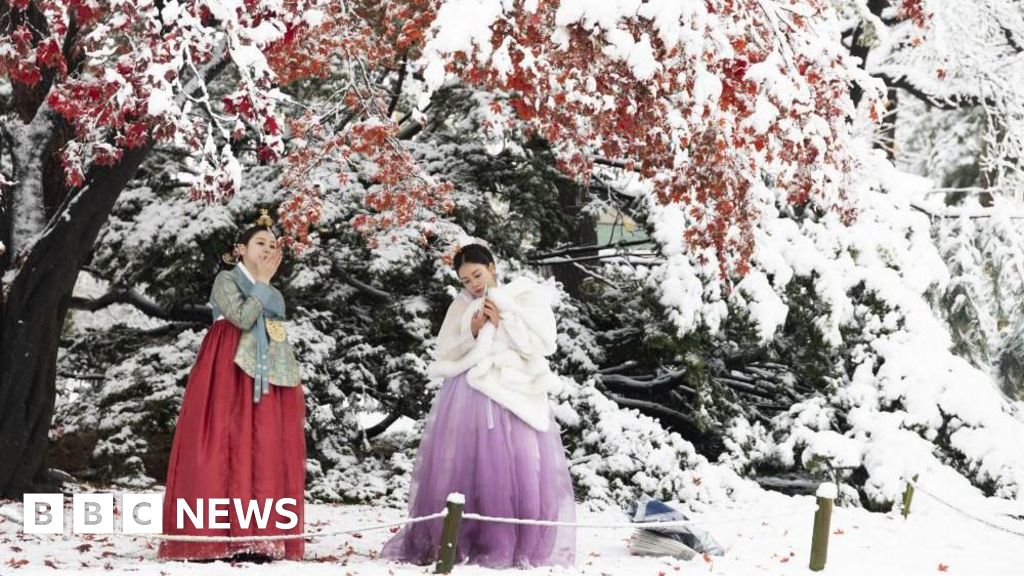
Seoul experienced its heaviest November snowfall since records began in 1907, with 16 cm of snow disrupting flights, closing roads, and causing transport delays. The snowfall, attributed to strong westerly winds and a significant temperature difference between the sea surface and cold air, led to at least one fatal traffic accident. The snow is expected to continue into Thursday morning, marking a stark contrast to the recent mild autumn weather.
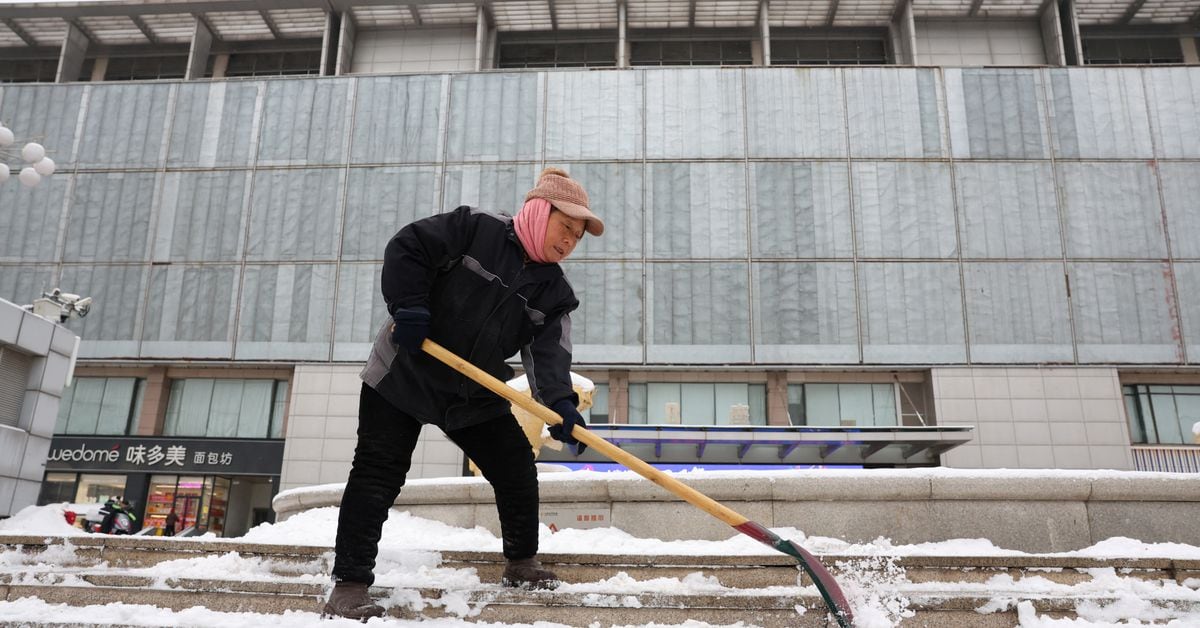
A cold wave has gripped most of China, with temperatures dropping below freezing and snowfall affecting transportation. President Xi Jinping has called for "all-out" emergency response efforts as heavy rain and snow have disrupted power supplies, transport, and people's lives. Temperatures are expected to drop to below minus 40 degrees Celsius in some regions, and a record low temperature from 1980 could be broken. Multiple accidents have occurred due to icy roads and heavy fog, leading to traffic controls and temporary closures of highways and trains. Ferry routes have been suspended, and measures have been taken to protect vegetable and fruit harvests. Cold air will continue to flow across the country next week, maintaining low temperatures.