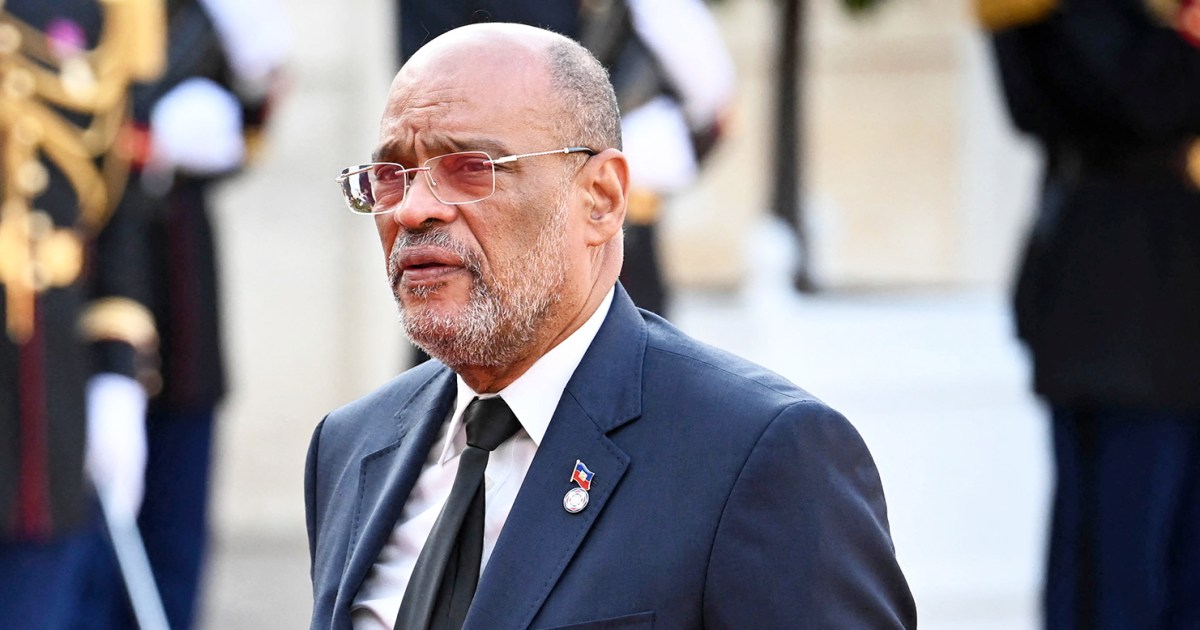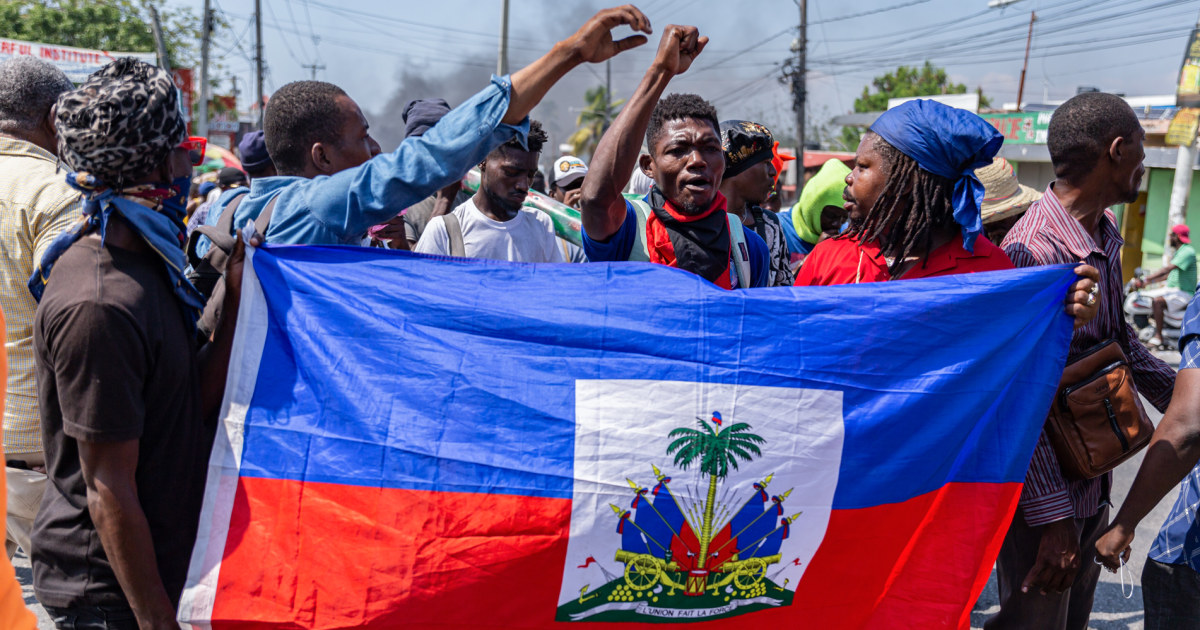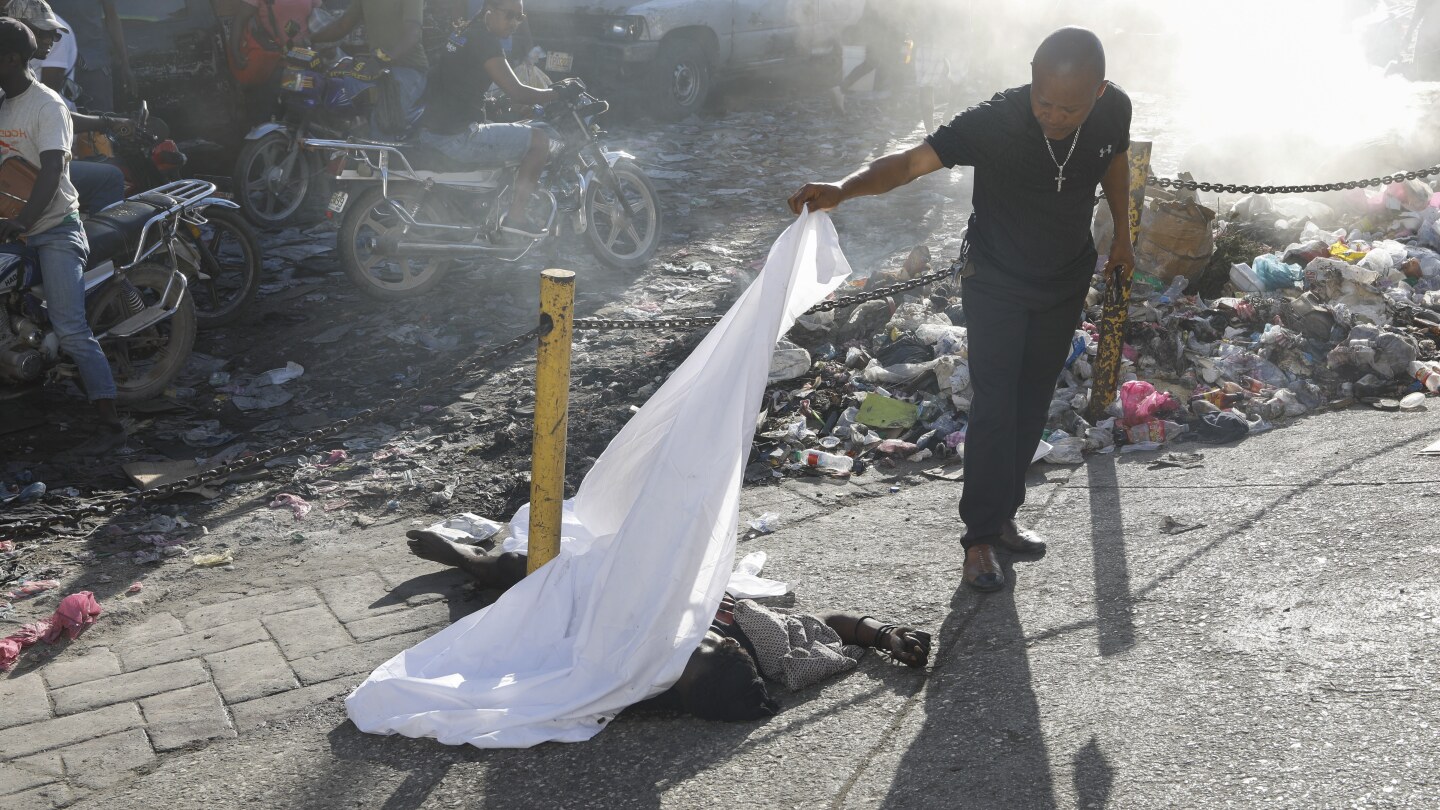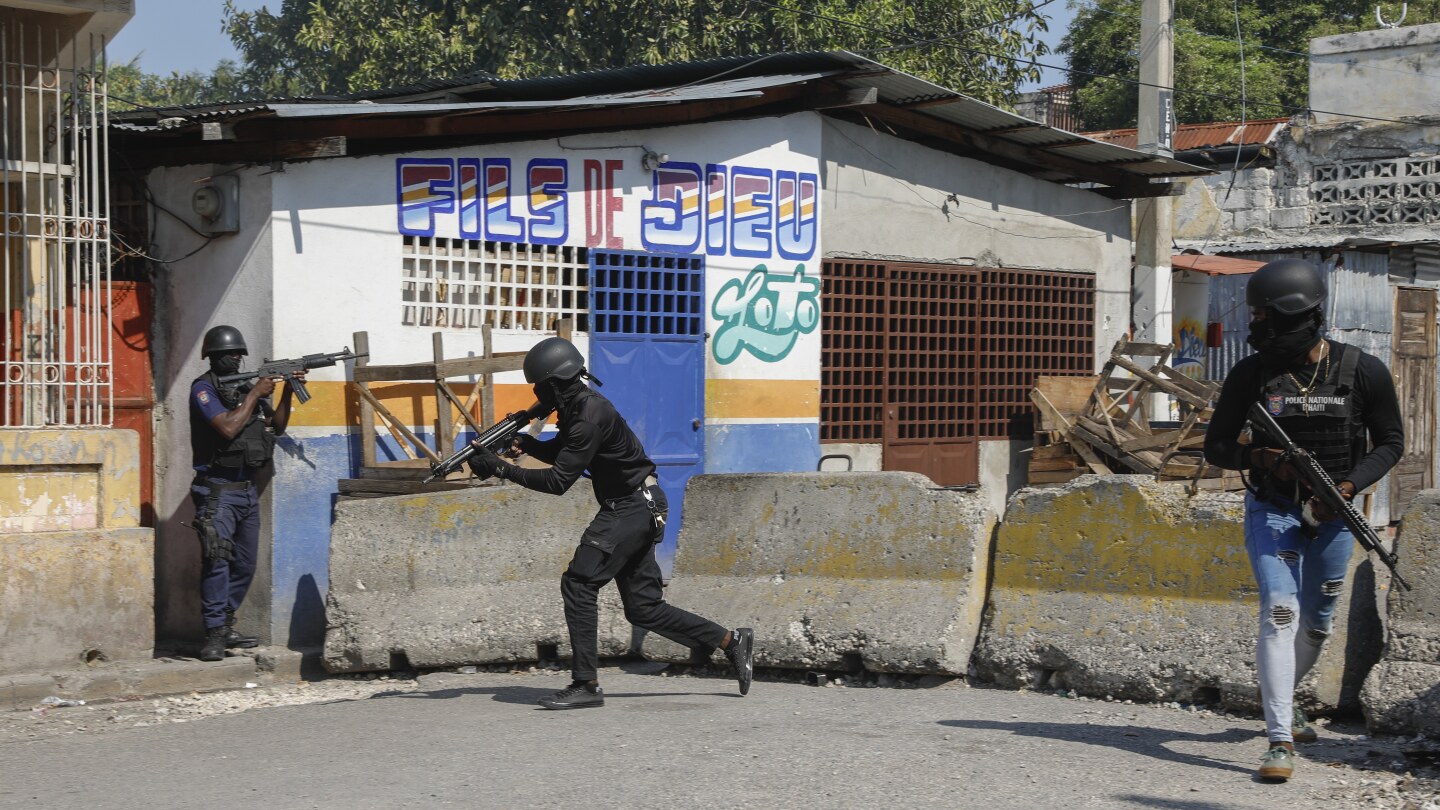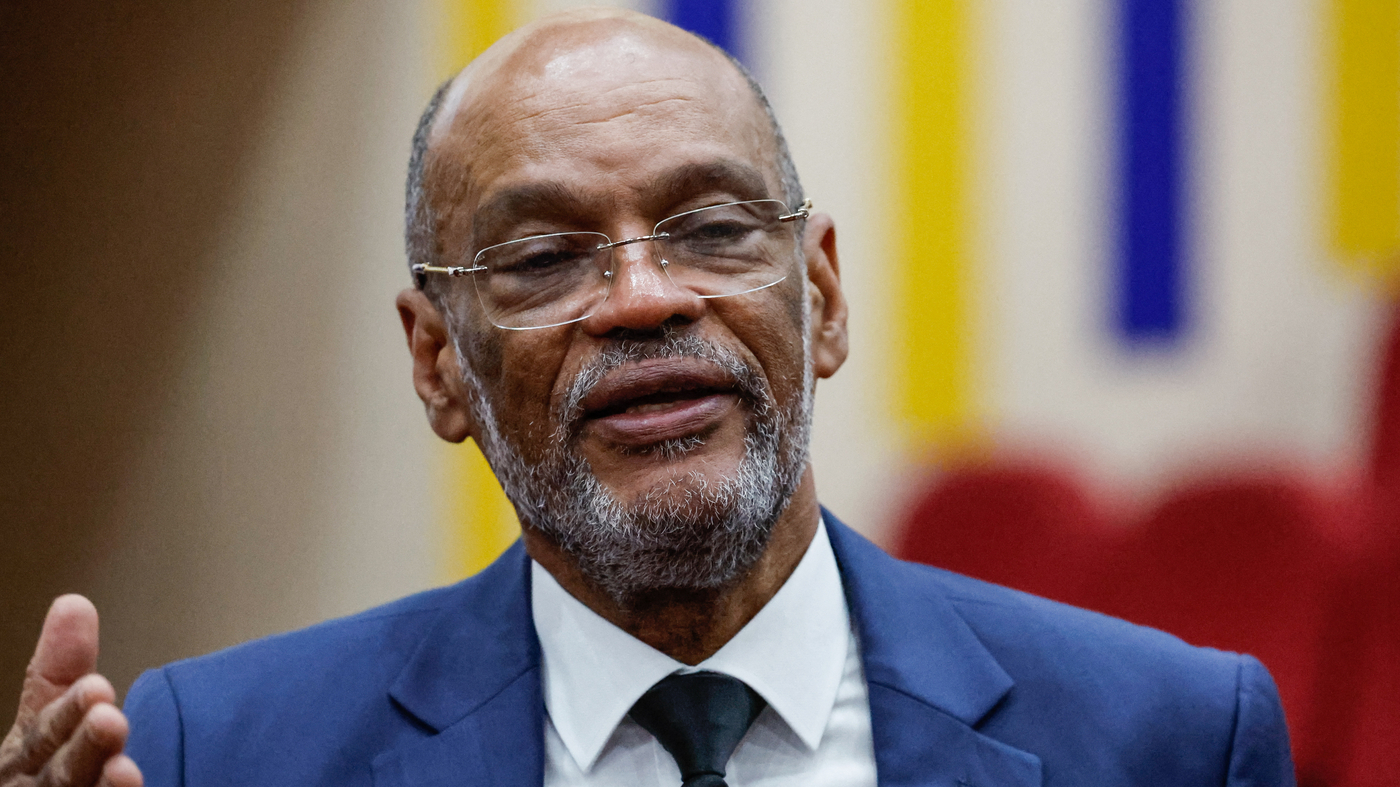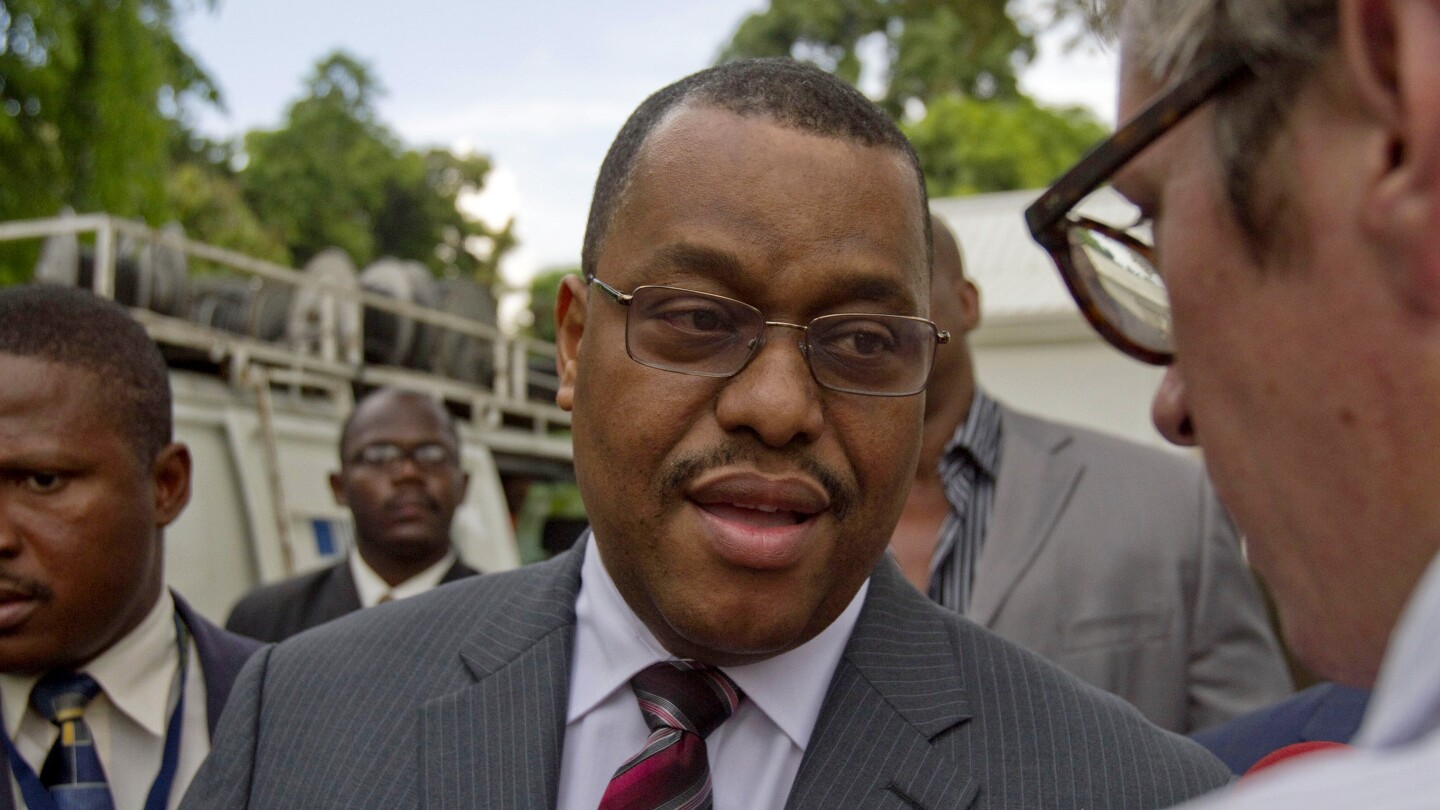
Garry Conille, a U.N. development specialist and former prime minister, has been named Haiti's new prime minister by a transitional council amid ongoing gang violence in Port-au-Prince. Conille faces the challenge of addressing rampant gang control and deep poverty, with inflation at a record 29%. The council's selection process has been criticized for lack of transparency and procedural issues. Conille replaces Michel Patrick Boisvert, who served as interim prime minister after Ariel Henry's resignation.
Haiti's government has officially established a nine-member transitional presidential council in an effort to restore security to the gang-ravaged country, but the decree raises questions as it does not name council members or set a timeframe for installation. Prime Minister Ariel Henry, who pledged to step down once his successor was in place, will initially retain oversight, and the council is tasked with aiding the deployment of international troops to combat armed gangs. The delayed transition has prompted criticism and concerns about the process being hampered to hold onto power, while the international community urges urgent action to address the security situation.
Haiti has established a transitional ruling council responsible for selecting the country's next leadership, with the mandate to appoint a new prime minister and an impartial electoral council. The council, comprising seven voting members and two non-voting observers, will exercise certain presidential powers until a new president-elect is inaugurated by February 7, 2026. The move comes amid a security crisis in Haiti, with attacks by gangs disrupting vital supply lines and causing acute food insecurity for nearly 5 million people.
Haiti has formally established a transitional council to select the next prime minister and Cabinet, triggering the expected resignation of Prime Minister Ariel Henry. The council, formed with the assistance of CARICOM, aims to restore democratic legitimacy, stability, and sovereignty in the country amid widespread gang violence and political disruption. The move is seen as a potential step towards addressing the ongoing crisis and steering Haiti in a new direction after years of turmoil and leadership challenges.
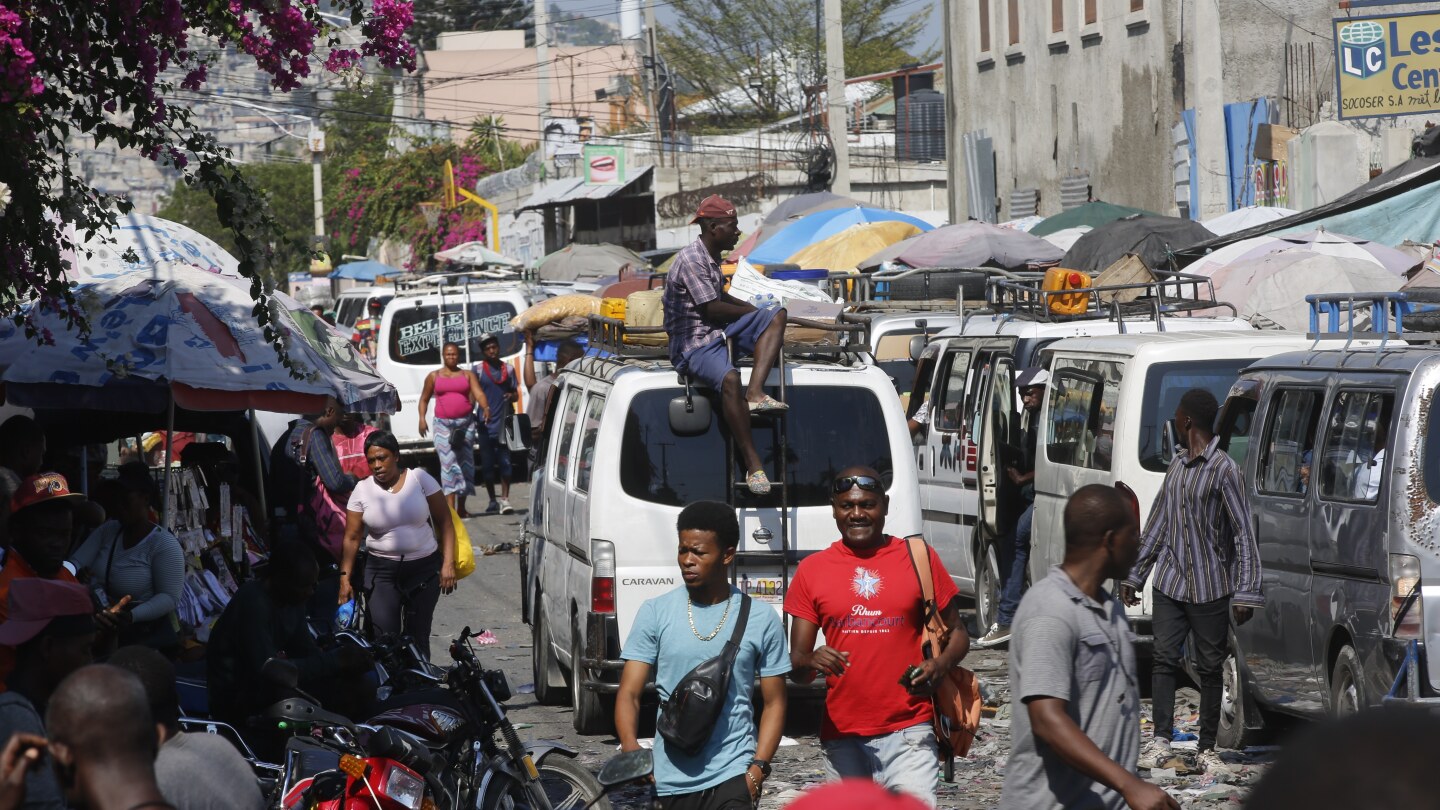
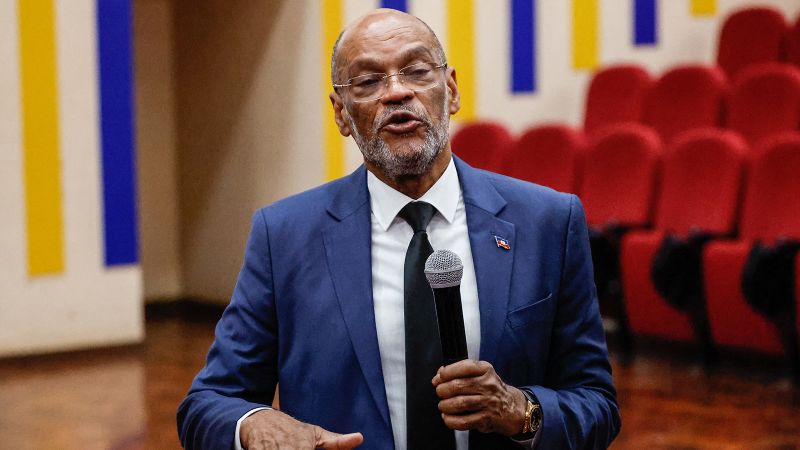
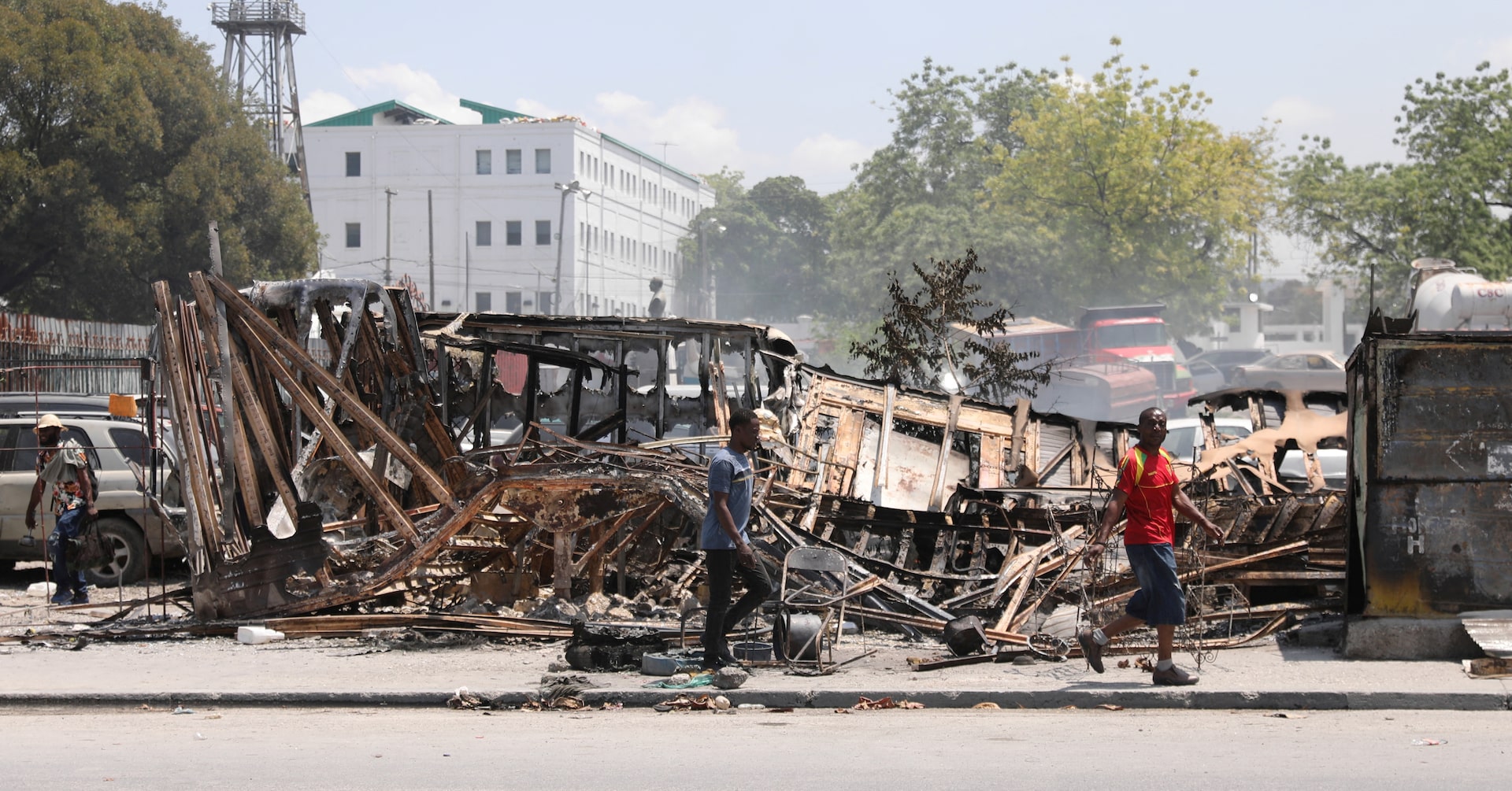
Panic ensues in downtown Port-au-Prince as wild shooting fills the streets of Haiti's capital, with heavy gunfire near the national palace. Outgoing Prime Minister Ariel Henry signals that a transitional council is nearly finalized, aiming to end the social and political crisis and pave the way for new elections. Rival gangs control wide areas of the capital, and discussions on the council's formation threaten to further delay a resolution to Haiti's lack of a functioning government. The ongoing conflict has led to a surge in violence, with over 1,500 people killed in the first three months of this year, and calls for more efforts to stop the flow of firearms into the country.
Haiti's transitional presidential council, responsible for selecting a new prime minister, issued its first statement, signaling the completion of its creation. The council members pledged to restore public and democratic order, alleviate the suffering of the Haitian people, and put the country back on the path of democratic legitimacy, stability, and dignity. The violence, which began with attacks by gangs targeting key government infrastructures, has somewhat subsided, and the council members have developed criteria and mechanisms to choose a council president, a new prime minister, and a ministerial cabinet. Prime Minister Ariel Henry has stated he will resign once the council is formally established, and the council members emphasized the need for unity to overcome the crisis for the well-being of the nation.
Gangs in Haiti's capital unleashed new attacks on upscale neighborhoods, leaving at least a dozen people dead in surrounding areas. The violence, which included looting and shootings, occurred despite a surge in gang attacks across Port-au-Prince. Prime Minister Ariel Henry's announcement of resignation once a transitional presidential council is created has not quelled gang violence, with the power company reporting destruction of substations and widespread power outages. Efforts to establish a transitional council have faced challenges, including rejection of offered seats and squabbles over nominations, while the deployment of a U.N.-backed police force has been delayed. In response, the government has extended a nighttime curfew through March 20.
A plan to establish a transitional presidential council in Haiti is progressing, with Caribbean officials stating that a majority of Haitian parties and coalitions have submitted names to lead the transition. The council will be responsible for selecting an interim prime minister and council of ministers, as well as organizing general elections. This development comes amid escalating violence and security concerns in Haiti, with powerful gangs controlling much of the capital and recent attacks on key state institutions. The United Nations is also adjusting its presence in Haiti due to the volatile security situation.
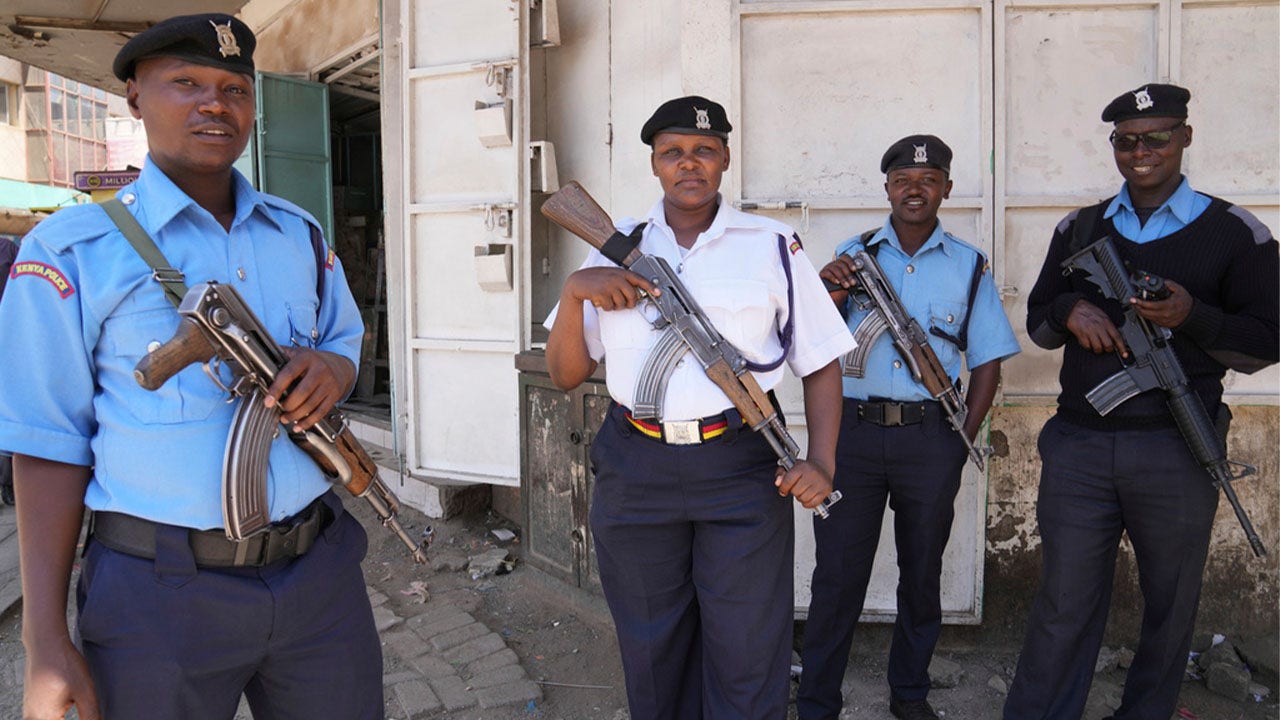
Kenya has paused the deployment of 1,000 police officers to Haiti due to the ongoing gang violence and social unrest in the Caribbean nation. A plan to create a transitional presidential council in Haiti is moving forward, with the majority of Haitian parties and coalitions submitting names for the transition. Gang leader Jimmy "Barbecue" Cherizier has threatened political leaders involved in the transitional council, adding to the volatile situation. Haiti's capital and other areas have been overrun by powerful gangs, leading to attacks on key state institutions and leaving thousands homeless. The U.S. has evacuated non-essential personnel from its embassy in Haiti, and there are no current plans to evacuate U.S. citizens from other parts of the country.
Haiti's future is being shaped by a struggle between traditional political power and the influence of gangs, with international efforts focusing on a transitional council to elect an interim leader and guide the country towards fresh presidential elections. However, some experts argue that the council is dominated by the country's disgraced political class and its allies, while others believe that foreign intervention may be necessary to impose order in the face of domestic instability.
Haitian Prime Minister Ariel Henry has agreed to resign once a transitional presidential council is established and a new interim prime minister is appointed, following mounting pressure from stakeholders and criminal gangs. The regional bloc Caricom brokered a deal for a peaceful transition of power, announcing Henry's resignation before he did. The agreement includes the formation of a transitional council comprising major political parties in Haiti, with the exclusion of gangs. The United Nations has welcomed the political transition agreement, while the United States pledged increased support for a multinational security mission in Haiti. However, questions remain about whether Henry's resignation will appease the gangs, and Haitians remain cautious about the latest resolution holding.
Haitian Prime Minister Ariel Henry has resigned amid mounting chaos and gang violence in Haiti, announcing the formation of a transitional council to pave the way for a peaceful transition of power and elections. The Caribbean Community and Common Market (CARICOM) has also agreed to set up a transitional council. Gangs, which now control 80% of the capital, have been attacking government structures, leading to a state of emergency declaration and a prison break. The United Nations estimates that 5.5 million Haitians are in need of humanitarian assistance, with 1 million children out of school and at risk of being recruited by gangs. The situation has been described as "untenable" by the UN's human rights chief, who called for a multinational security mission to be deployed to assist the Haitian police.