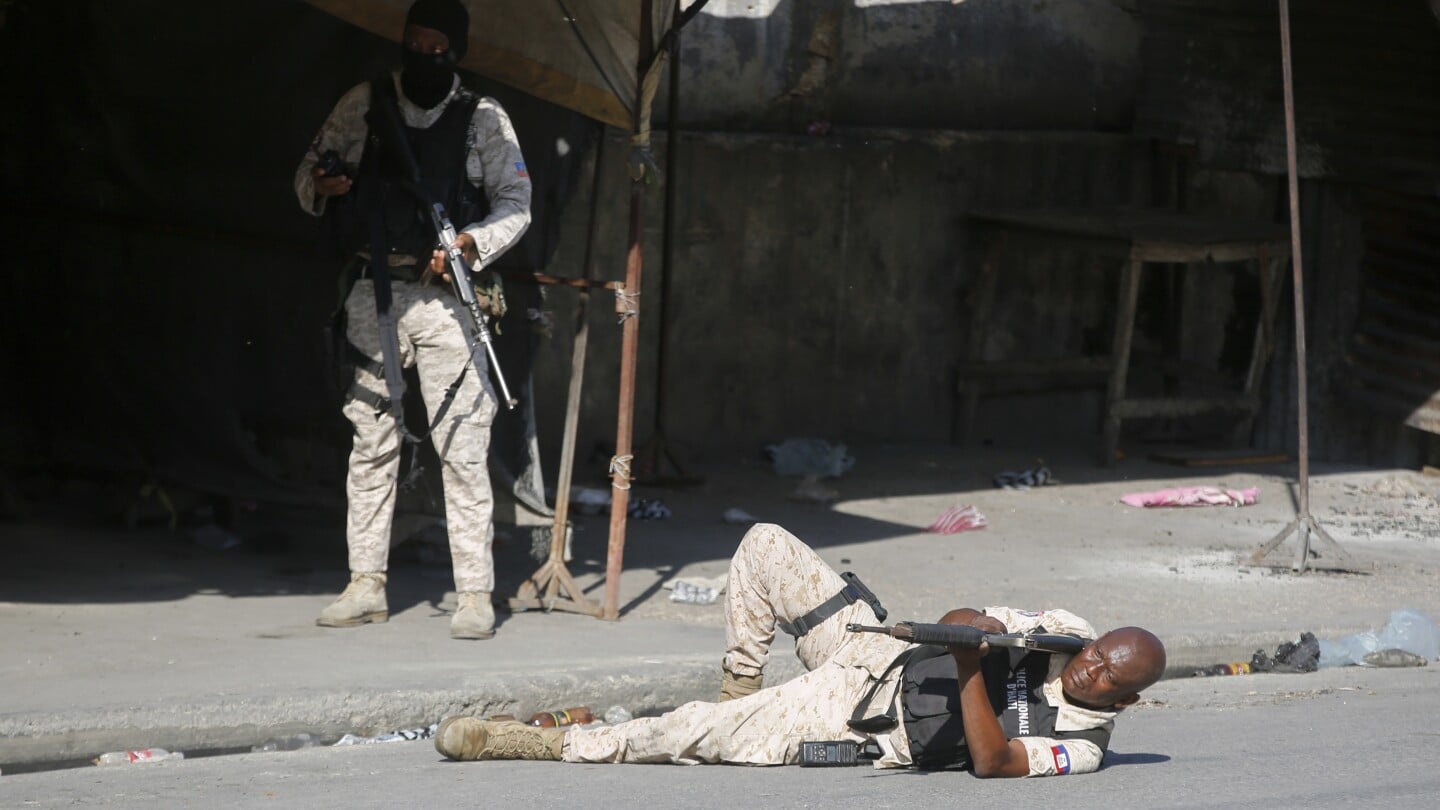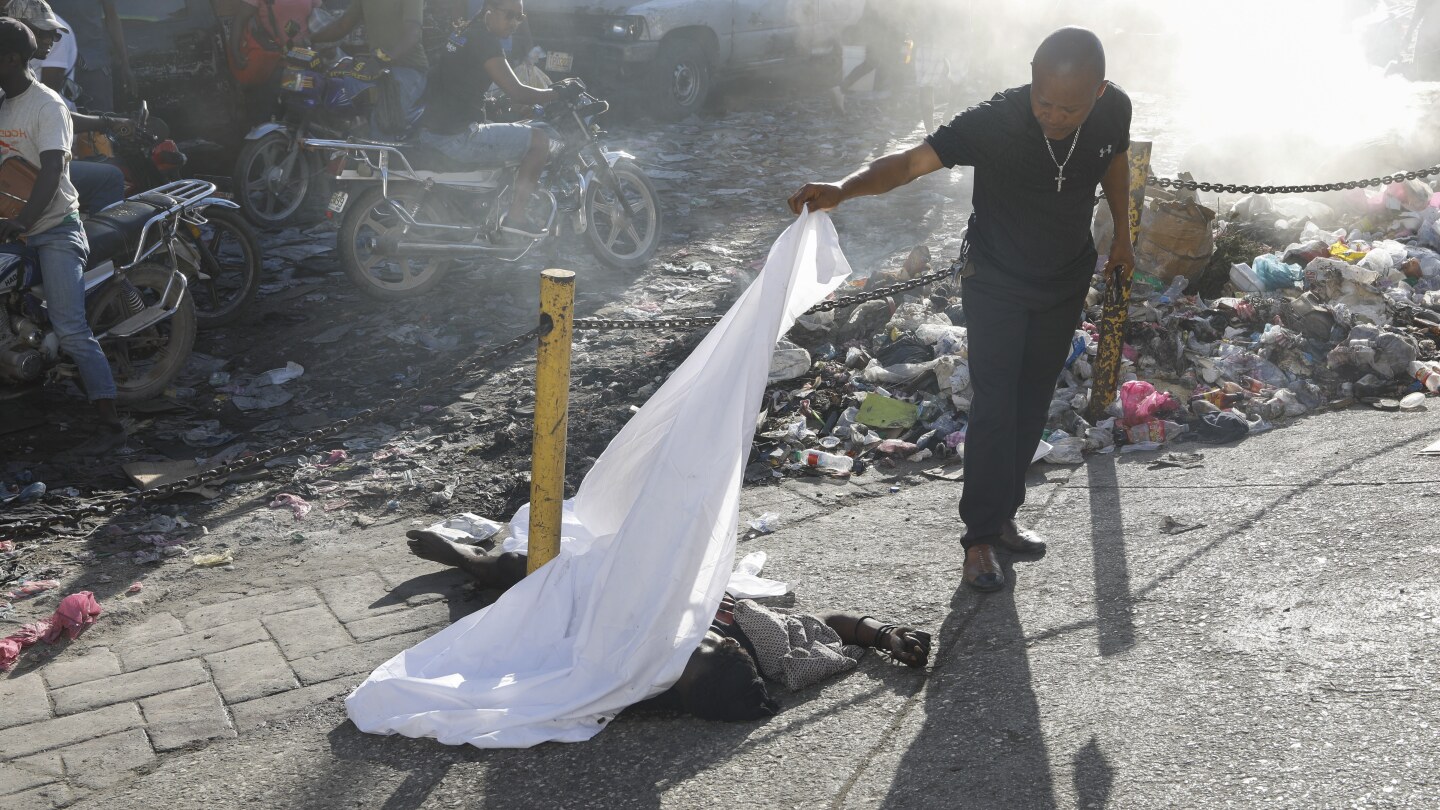
Gangs in Haiti's capital unleashed new attacks on upscale neighborhoods, leaving at least a dozen people dead in surrounding areas. The violence, which included looting and shootings, occurred despite a surge in gang attacks across Port-au-Prince. Prime Minister Ariel Henry's announcement of resignation once a transitional presidential council is created has not quelled gang violence, with the power company reporting destruction of substations and widespread power outages. Efforts to establish a transitional council have faced challenges, including rejection of offered seats and squabbles over nominations, while the deployment of a U.N.-backed police force has been delayed. In response, the government has extended a nighttime curfew through March 20.
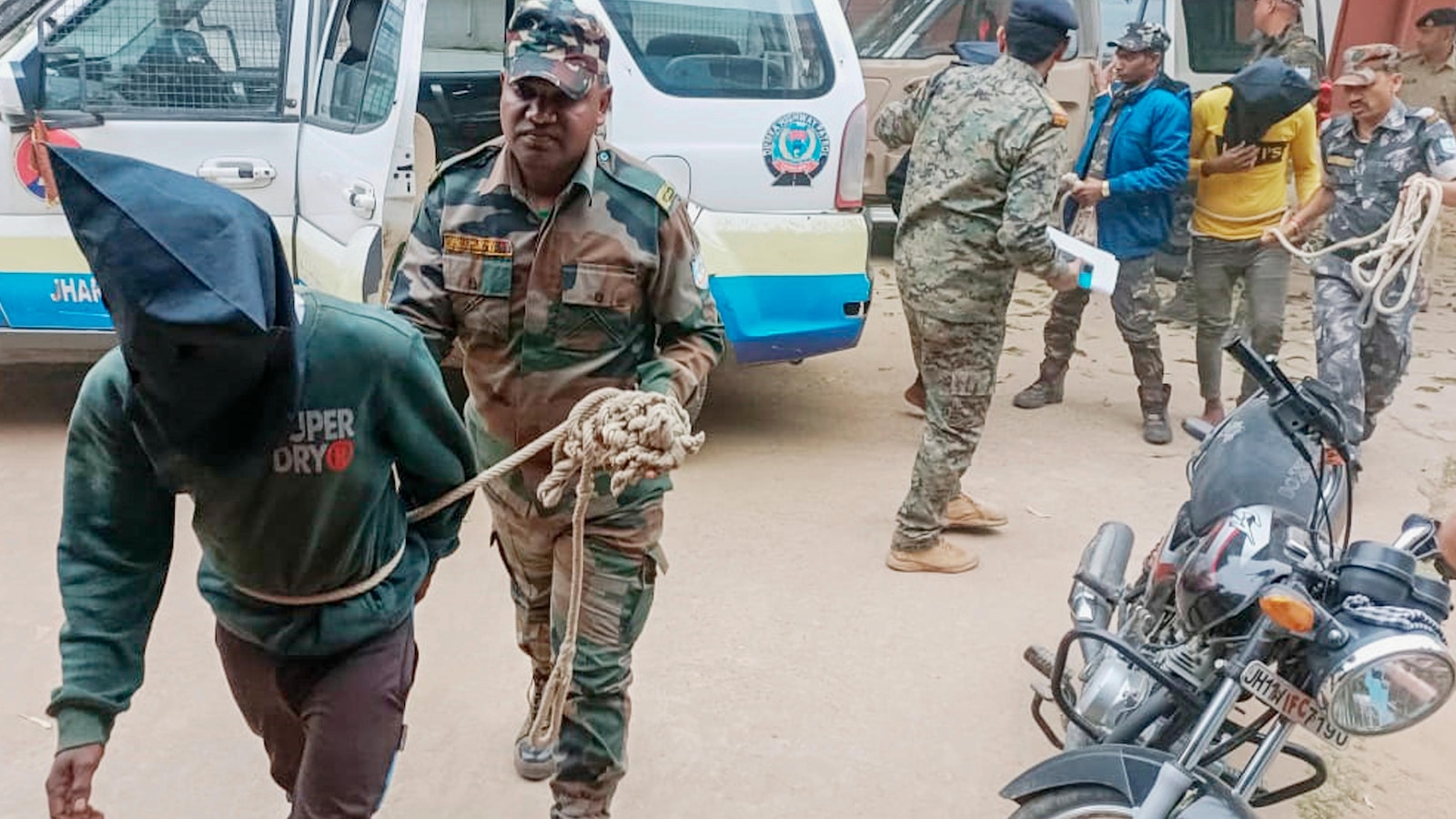
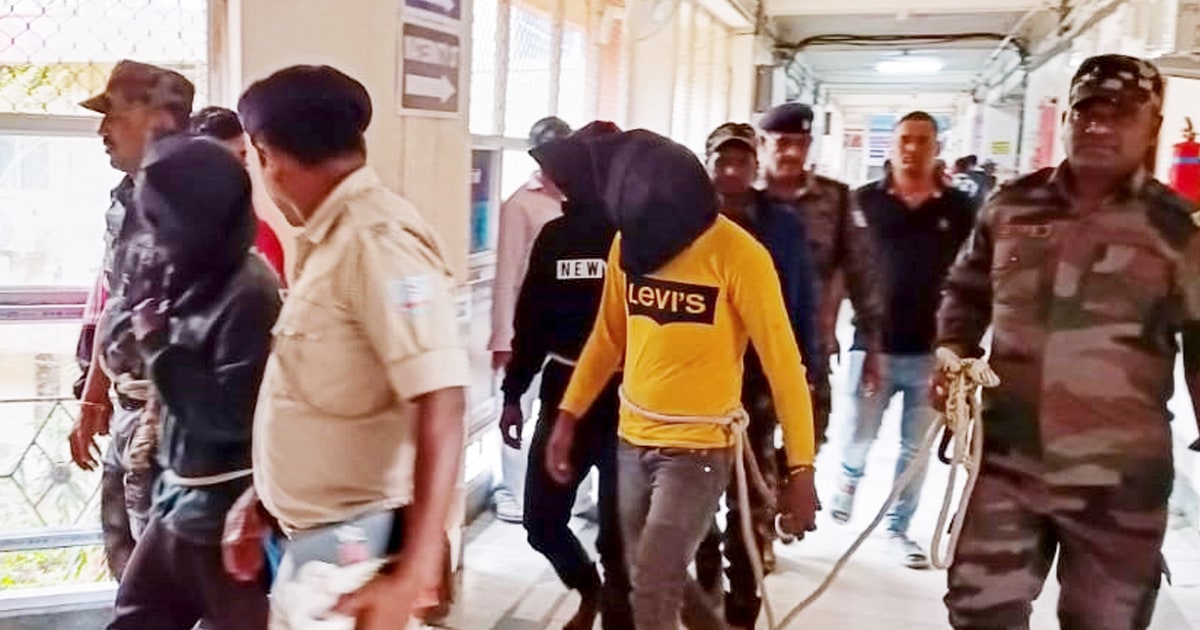
A Spanish tourist and her partner, travel bloggers with a large Instagram following, were gang-raped in a forest in India, sparking national outrage and highlighting the country's ongoing struggle to curb sexual violence. The incident, which led to the arrest of three men with a search for four more suspects, underscores the pervasive issue of sexual assaults against women in India, particularly in rural areas where victims face stigma and lack of faith in the justice system. Despite legal amendments and high-profile cases, women's rights activists argue that the government is not doing enough to protect women and punish attackers, with low conviction rates and a culture of downplaying sexual harassment and violence against women still prevalent.
A tourist couple in India has alleged that the woman was gang-raped and her partner was attacked while camping, leading to the arrests of three male suspects. The couple, who has a large following on social media, shared their ordeal, prompting outrage and calls for justice. The Indian police are actively pursuing the remaining suspects, and the victims are receiving support from their respective embassies. This incident has reignited concerns about male violence against women in India, despite the country's efforts to address such issues.
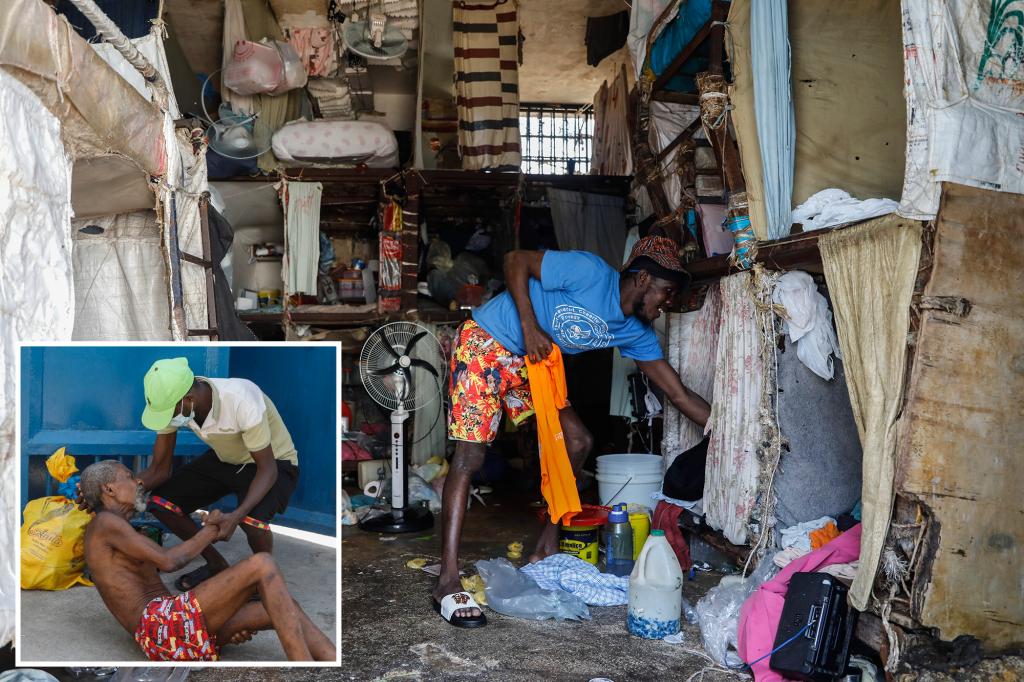
Thousands of inmates escaped Haiti’s main prison in Port-au-Prince after armed gang members overtook the facility, leaving it nearly empty with only a few remaining behind bars. At least five people were killed in the coordinated attacks, and a second prison in the city also encountered a jailbreak. The embattled Prime Minister Ariel Henry was out of the country during the attacks, and the government has urged citizens to stay vigilant. The prison held several gang leaders before it was stormed, and the situation reflects an increasingly dire state following weeks of coordinated gang violence and attacks on critical institutions in the country.
Armed gangs stormed Haiti's main prison, leading to a mass jailbreak with hundreds of inmates fleeing and at least five people dead. The violence is part of a surge in coordinated attacks by gangs in Port-au-Prince, as the embattled Prime Minister Ariel Henry seeks support for a UN-backed security force. The chaos follows a series of violent protests and delays in holding parliamentary and presidential elections, with gangs controlling much of the capital and claiming responsibility for the attacks.
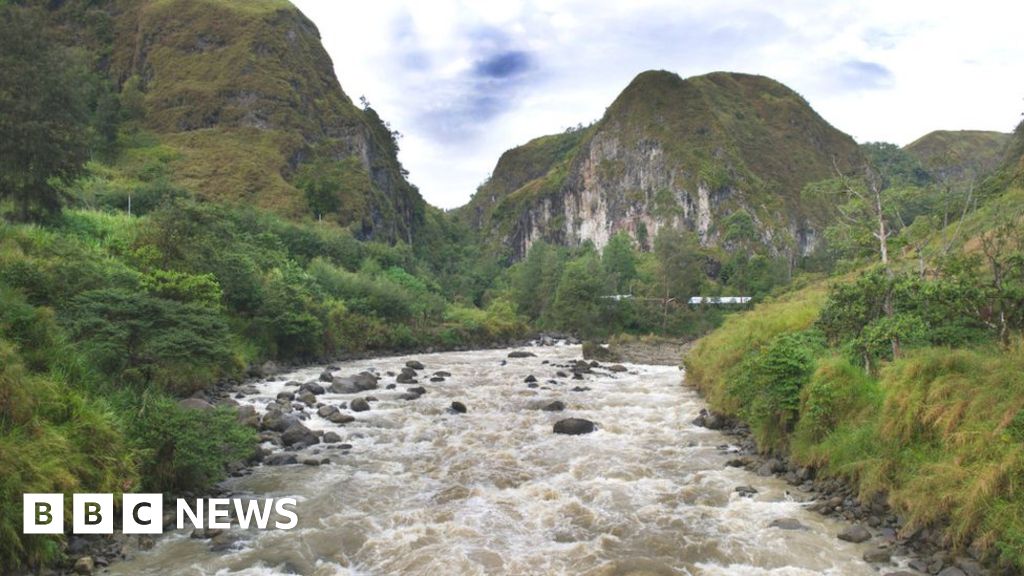
At least 53 people have been killed in an ambush in Papua New Guinea's Highlands region during a dispute between two tribes, marking one of the worst incidents of violence in the area in years. The remote Highlands region has long struggled with tribal violence, often related to disputes over land and wealth, and last year saw a three-month lockdown in Enga Province due to escalating violence.
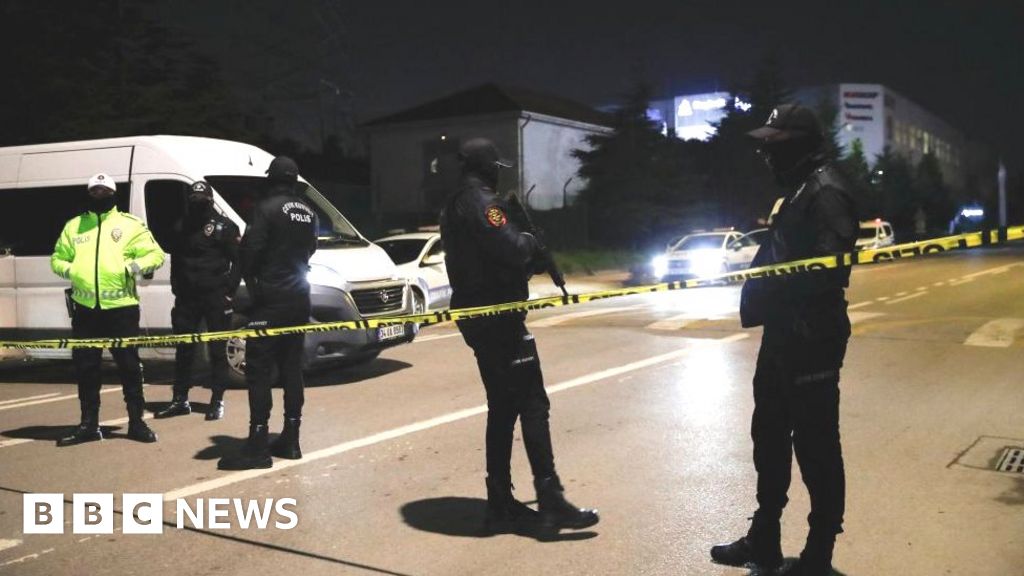
Seven workers held captive at a Proctor & Gamble plant near Istanbul were rescued by Turkish police after a nine-hour ordeal. The suspect, who reportedly wanted to draw attention to the situation in Gaza, was detained unharmed. The hostages were released unharmed, and no injuries were reported. The suspect had entered the plant with possible explosives and a handgun, and a Palestinian flag had been painted at the entrance. P&G expressed relief that no one was harmed and thanked the authorities and first responders for their handling of the situation.
An undetermined number of hacked-up bodies were found in two vehicles abandoned on a bridge in Mexico’s Gulf coast state of Veracruz, with a banner left on the side of one truck suggesting the victims might be Guatemalans and claiming authorship of the crime to the Jalisco New Generation Cartel. The killings are believed to involve a "settling of scores" between gangs, and the state has seen an increase in violence as cartels battle for turf. Authorities have reinforced security in the region and are pursuing those responsible for the criminal acts.
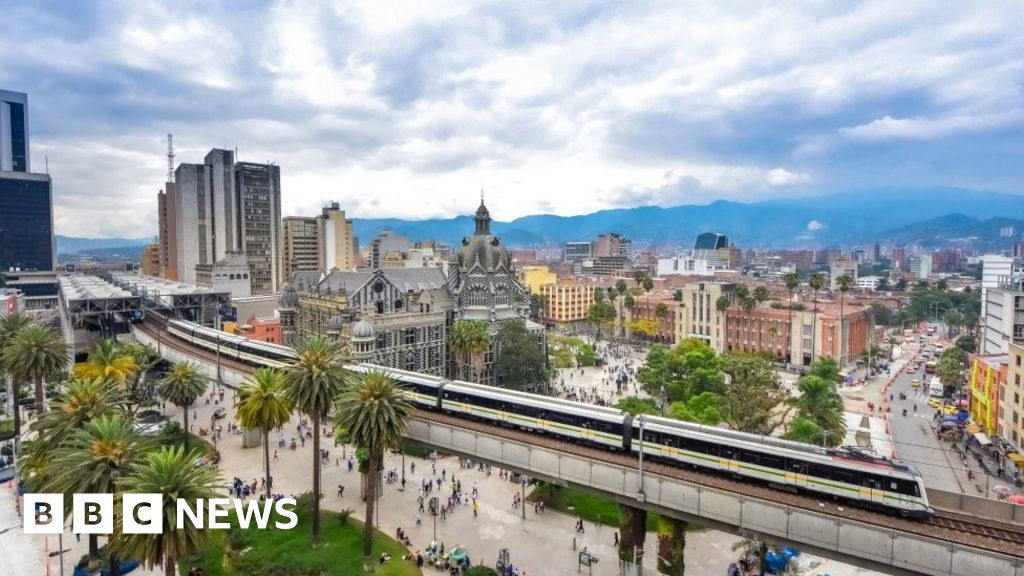
A series of mysterious deaths of American men in Colombia has been linked to dating apps, prompting a warning from the US embassy about the risks of using them. Eight Americans died in suspicious circumstances in Medellin, with some cases involving drugging, robbery, and murder. The city has seen a 40% increase in violent killings of foreigners, including Americans and UK citizens. The mayor has directed police to crack down on issues related to sex trafficking of minors and has urged tourists coming for sex and drugs to stay away.
Ecuadorian prosecutor César Suárez, leading the investigation into an armed attack on a TV station, was shot and killed in Guayaquil. Two suspects have been arrested in connection to his death, with weapons and vehicles seized. The attack on the TV station involved masked gunmen threatening journalists, leading President Daniel Noboa to declare an "internal armed conflict" in Ecuador. The country has been rocked by a series of attacks following the escape of a notorious gang leader from prison.
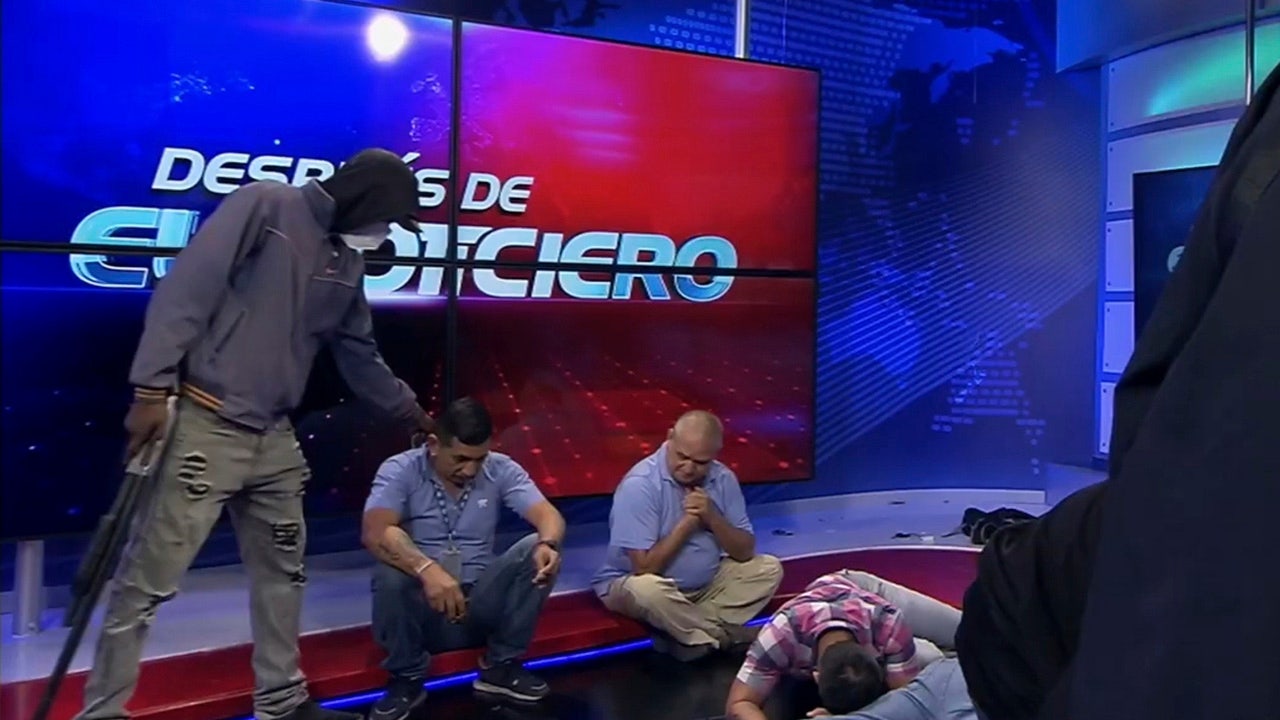
An Ecuadorian journalist, Jose Luis Calderon, was held at gunpoint by hooded gunmen who burst into a TV studio, threatening to kill him if police arrived and stuffing his jacket with an improvised explosive. The gunmen also touched his colleagues inappropriately and took them hostage on live TV. After police arrived and dispersed the armed group, 13 were arrested and are set to be charged with terror offences. The country was driven to a civil war after the escape of drug lord Adolfo Macias, with citizens resorting to taking up arms to defend themselves. All 136 hostages seized during prison riots were eventually freed, with at least two hostages killed by the inmates.
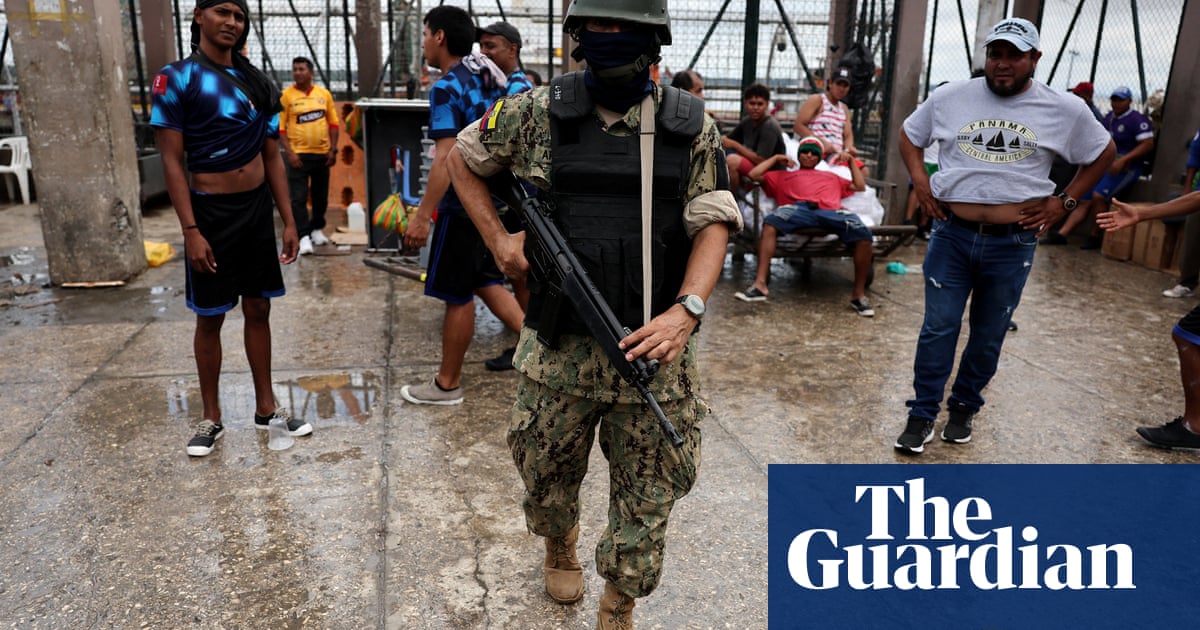
Ecuador's largest city, Guayaquil, has been brought to a standstill by a surge of criminal violence, prompting the president to declare a "state of war." The violence, including arson attacks, car bombings, shootings, and prison riots, has left the city deserted, with streets empty and businesses closed. The outbreak of violence was triggered by the escape of a notorious gang leader from a high-security prison, leading to widespread chaos and bloodshed. The president has vowed to combat the gangs, but concerns have been raised about the potential for increased violence in response to the crackdown.
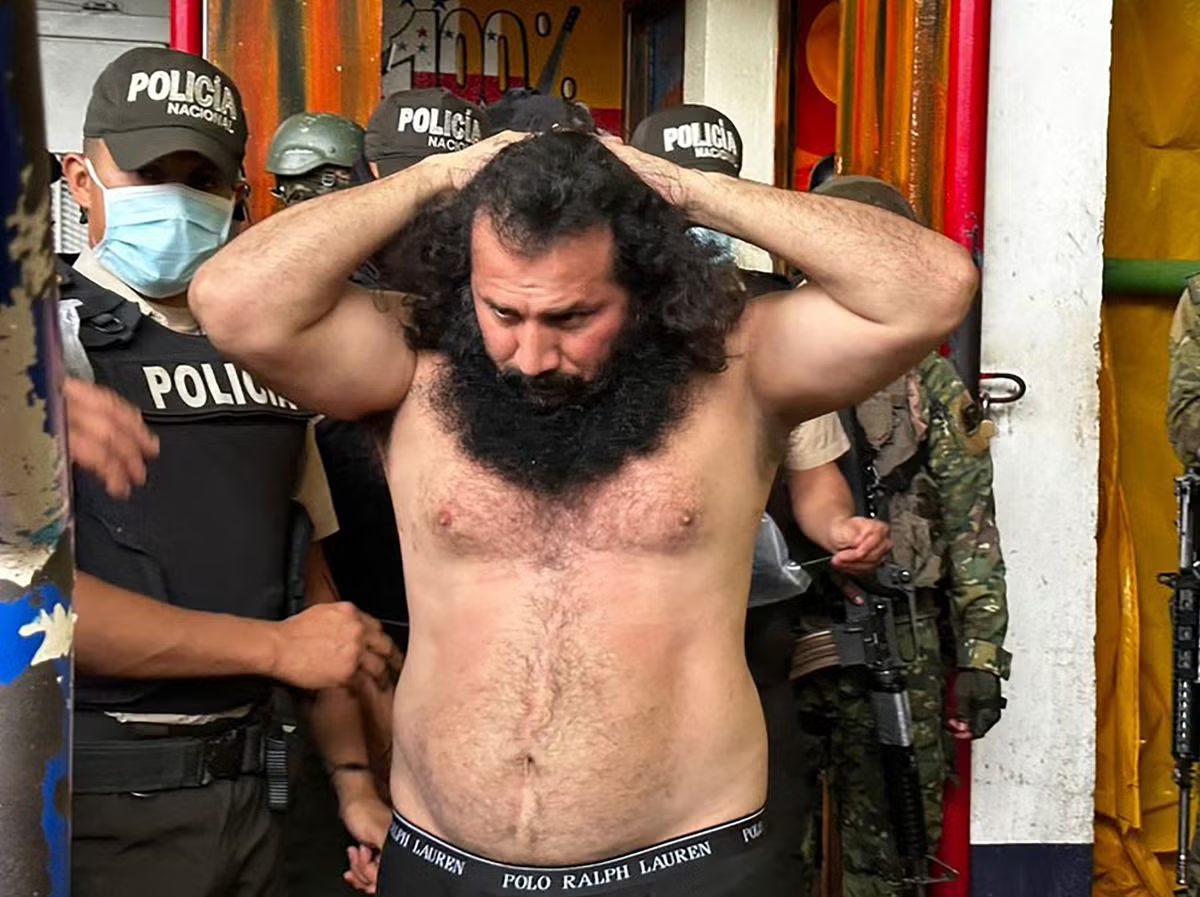
Adolfo Macías Villamar, known as Fito, a notorious gang leader, escaped from prison in Ecuador, leading to widespread chaos and violence across the country. His gang, Los Choneros, has been linked to drug trafficking and murder, and has caused a national emergency. More than 130 prison staff are being held hostage, police officers have been killed, and bombs have been detonated. The president has imposed a nightly curfew and declared a state of emergency, with plans to deport foreign prisoners and neutralize criminal gangs. Despite being incarcerated since 2011, Fito continued to operate his gang from inside prison, amassing a fortune and maintaining a relationship with his girlfriend. The surge in violence has been attributed to the power struggle within the cartel following the killing of its previous leader in 2020.
Masked gunmen stormed into a live TV broadcast at a station in Guayaquil, Ecuador, threatening and terrifying employees before the transmission was cut. This attack followed a series of other violent incidents and police officer abductions, prompting President Daniel Noboa to declare an "internal armed conflict" and designate 20 drug trafficking gangs as terrorist groups. The violence is linked to the apparent escapes of two gang leaders from prison, exacerbating the country's existing issues with drug-related violence and gang control.