Jennifer Flavin, wife of Sylvester Stallone, made controversial comments suggesting that Hollywood's culture and excess might influence children to identify as transgender, while emphasizing traditional parenting and gender expression, despite lacking evidence for such claims.

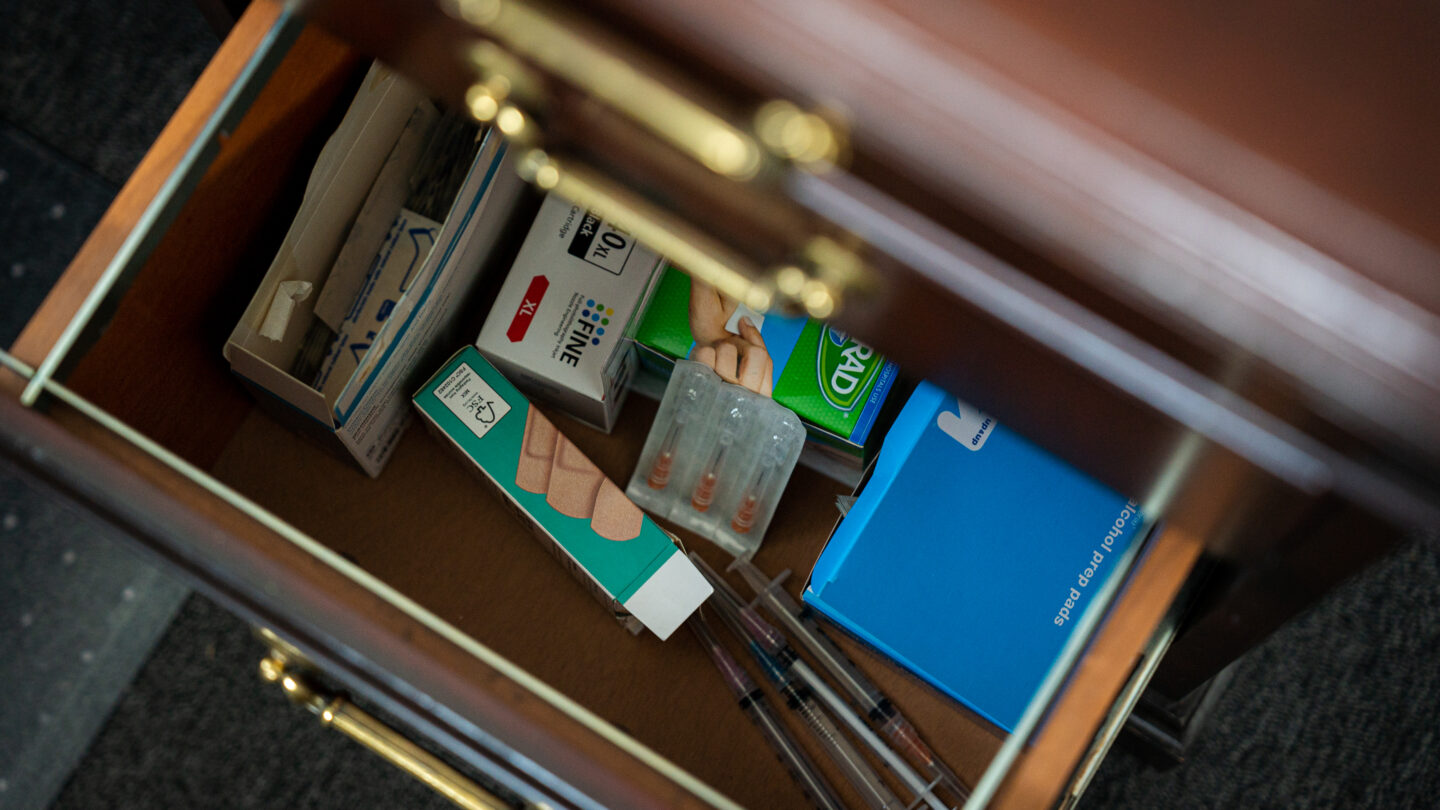
A Justice Department subpoena revealed the Trump administration's extensive efforts to obtain confidential medical records of transgender children receiving gender-affirming care, including detailed patient information and communications, as part of a broader campaign to end such treatments for minors.
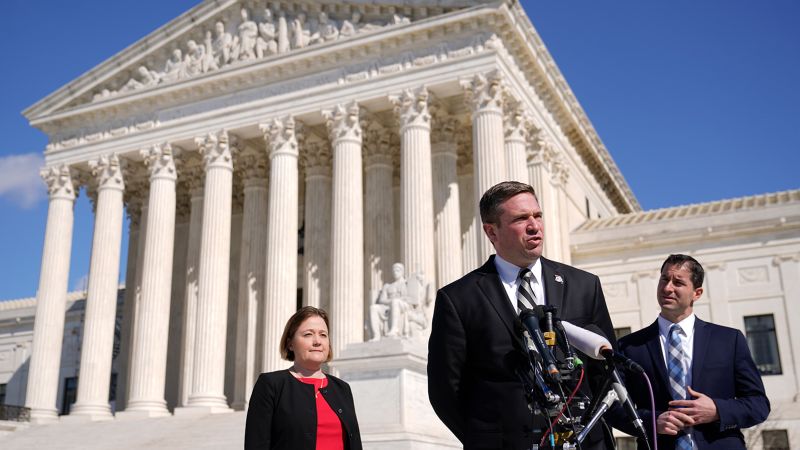
A Texas judge has temporarily blocked the state's attorney general from obtaining information about transgender children receiving gender-affirming medical care, citing potential harm to the LGBTQ+ advocacy group PFLAG and its members, including violations of free speech, association, and privacy rights. The attorney general's office had sought the information as part of an investigation into potential insurance fraud related to the state's ban on gender-affirming care for minors. The legal battle is ongoing, with a hearing scheduled for March 25.
A new analysis of a landmark study on trans children treated with puberty blockers reveals that a third of participants experienced a deterioration in their mental health while on the medication. The original study found no significant change in mental health, but the new analysis tracked individual patient scores and showed greater variation among participants. The findings cast doubt on the previous study's conclusions and suggest the need for a more nuanced approach to assessing the effects of puberty blockers on transgender youth. The long-term effects of these medications on children's physical and psychological well-being remain unknown.
A reanalysis of a major study conducted by University College London Hospitals and the Tavistock's Gender Identity Development Service suggests that a third of transgender children on puberty blockers experienced mental health problems. The original study, which analyzed 44 children between the ages of 12 and 15, concluded that there were no changes in psychological function. However, the new analysis, based on individualized results, reveals that 34% of young people deteriorated in terms of their mental health, while 29% improved after taking puberty blockers. The findings have raised questions about the original conclusions and have been sent to Dr Hilary Cass, who is conducting an independent review of gender identity services for children and young people.
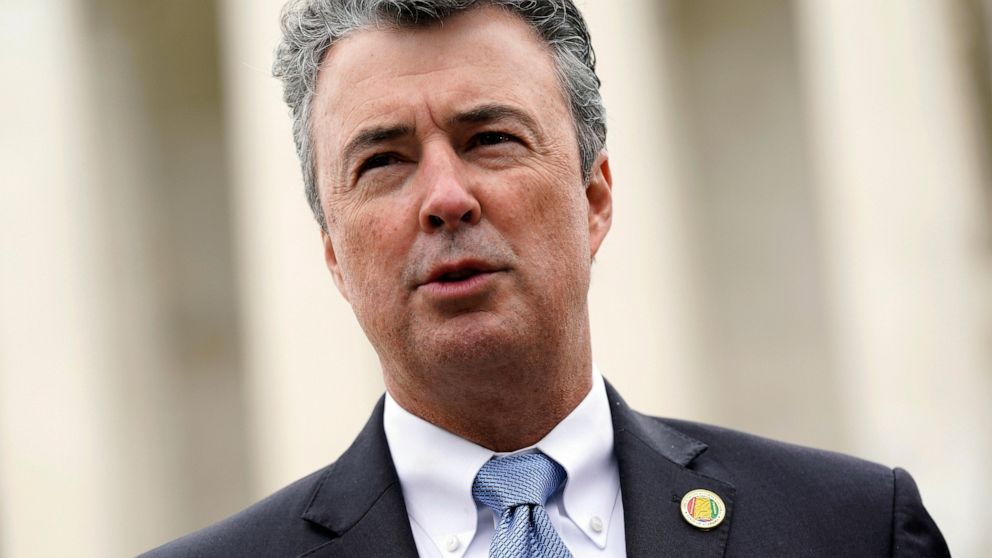
A federal appeals court has ruled that Alabama can enforce a ban on the use of puberty blockers and hormones to treat transgender children, marking a victory for gender-affirming care restrictions adopted by Republican-led states. The decision leaves families of transgender children scrambling for care, as the ban threatens doctors with prison time. Advocacy groups have vowed to continue the fight, arguing that parents should have the right to make medical decisions for their children. Major medical groups oppose the bans, stating that treatments are safe if properly administered. This ruling follows a series of decisions against similar bans in other states.
A federal appeals court has ruled that Alabama can enforce a ban on the use of puberty blockers and hormones to treat transgender children, marking a victory for gender-affirming care restrictions adopted by Republican-led states. The decision leaves families of transgender children scrambling for care, while advocacy groups vow to continue the fight. Major medical groups oppose the bans, stating that treatments are safe if properly administered. The ruling follows a string of decisions against similar bans, with at least 20 states enacting laws restricting or banning gender-affirming care for minors.
Three families with transgender children have filed a lawsuit to block a new Missouri law that would ban gender-affirming care for most minors in the state. The law, set to go into effect on August 28, prohibits health care providers from performing gender transition surgeries, puberty blockers, and hormone treatments for those under 18, with an exception for those already receiving treatment. The families argue that the law endangers their children's health and well-being. At least 19 states have passed similar laws restricting access to gender-affirming care for minors, while some states have built in limited exceptions.
Four families in Georgia have filed a lawsuit to block the state's new restrictions on gender-affirming care for transgender children from taking effect on July 1. Senate Bill 140 prohibits minors from receiving hormone replacement therapy or gender-affirming surgery, with few exceptions. The lawsuit argues that the law is unconstitutional and denies transgender minors essential medical care, infringing on the rights of parents to make medical decisions in the best interests of their children. Similar laws in other states have been blocked by federal judges. The state is expected to defend the law in court.
President Biden vowed to protect the rights of L.G.B.T.Q. Americans at a Pride Month event held at the White House. He criticized the recent series of Republican-led bills and laws targeting the community and called on Congress to pass the Equality Act. The administration has taken steps to protect the civil rights of L.G.B.T.Q. Americans, including appointing an official within the Department of Education who will monitor and address the growing number of local bans on books with references to L.G.B.T.Q. people. Biden also assailed laws that have allowed business owners to discriminate against L.G.B.T.Q. people based on their religious or personal beliefs.
Britain's National Health Service (NHS) has limited the use of puberty-blocking drugs to children enrolled in clinical trials only, citing a lack of evidence to support their safety or clinical effectiveness as a routinely available treatment. The move comes as the NHS's pediatric gender services struggle to keep up with soaring demand. Other countries, including Finland, Sweden, Norway, and France, have also limited gender-related medical treatments for young people. The NHS will start a clinical trial for all children receiving puberty blockers from the health service, which it expects will begin enrollment in 2024.
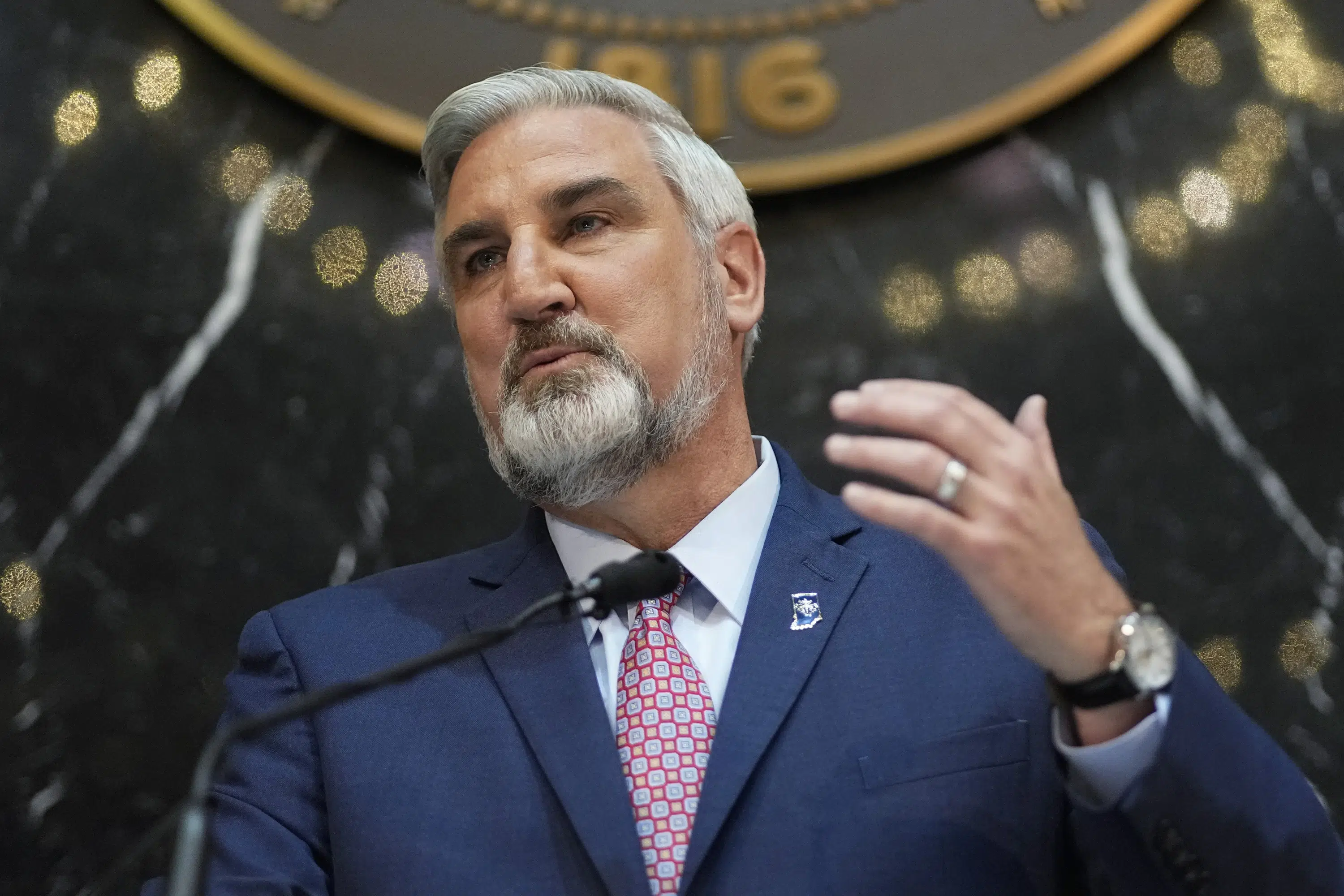
Indiana Governor Eric Holcomb has signed a bill that requires schools to notify parents if a student requests a name or pronoun change at school, which critics fear could out transgender children to their families. The law is one of several targeting LGBTQ+ people in the state, including a bill that could make it easier to ban books from public school libraries. Supporters of the legislation argue that it keeps parents informed about their children at school, while opponents say it erodes trust between students and teachers and could lead to the banning of books with LGBTQ+ themes.
Washington Post columnist Jonathan Capehart criticized House Republicans for their national Parents Bill of Rights legislation, which he views as an attack against transgender children. He believes that the GOP needs a foil and that the far right has a problem with trans kids. Although parents have concerns about what their kids are learning in classrooms, Capehart thinks that the party of life and respect for family and individual freedom has no problem putting a target on the backs of trans kids and their families. Senate Majority Leader Chuck Schumer promised the bill "will not see the light of day" in the Senate, calling it "Orwellian to the core." Capehart urged pushback against the GOP as well as the "rabble-rousing" parents who support their legislation.