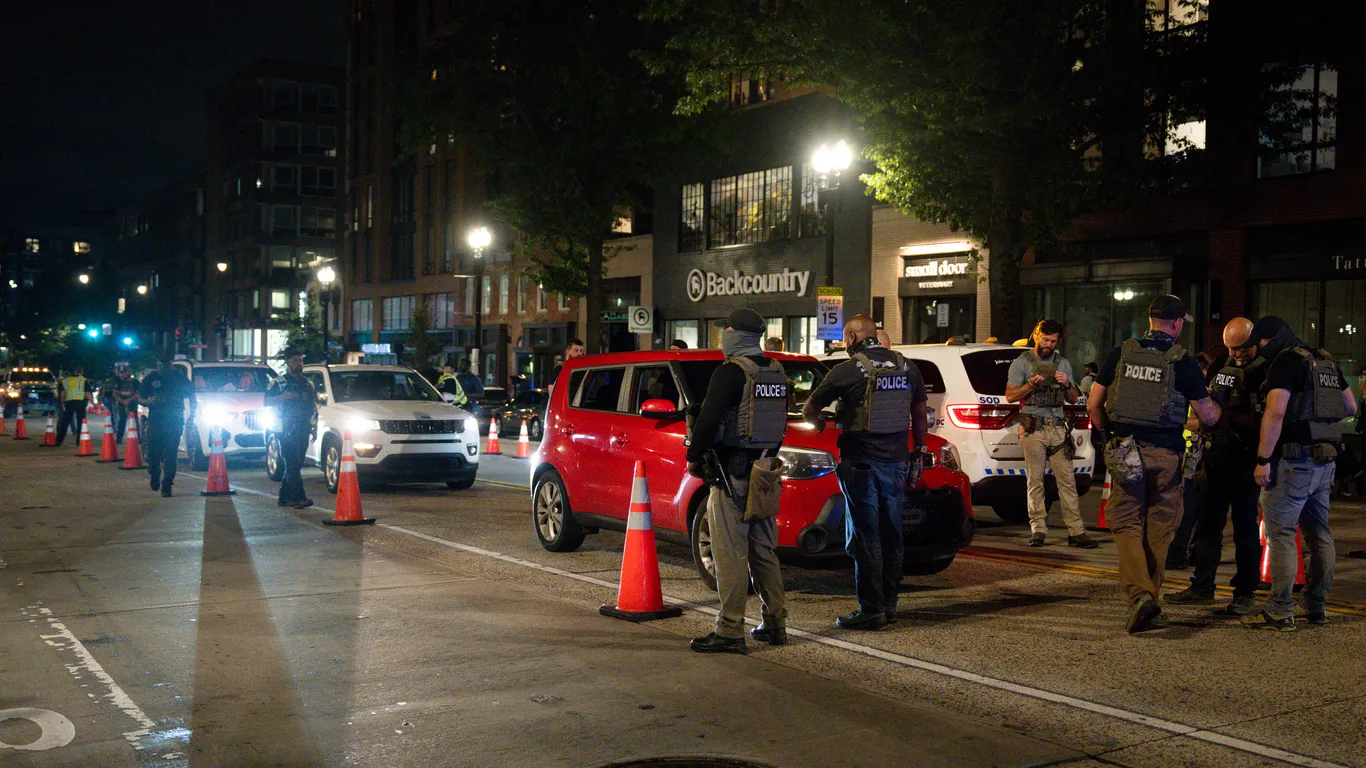
President Trump proposed using traffic stops nationwide to identify and target undocumented immigrants, following his temporary control of Washington D.C.'s police and efforts to involve federal agencies like ICE, despite D.C.'s longstanding pro-immigration policies.
A former police officer is accused of taking nude images from women's phones during traffic stops, according to U.S. authorities. This misconduct highlights serious privacy violations and abuse of power, prompting legal action against the ex-officer.
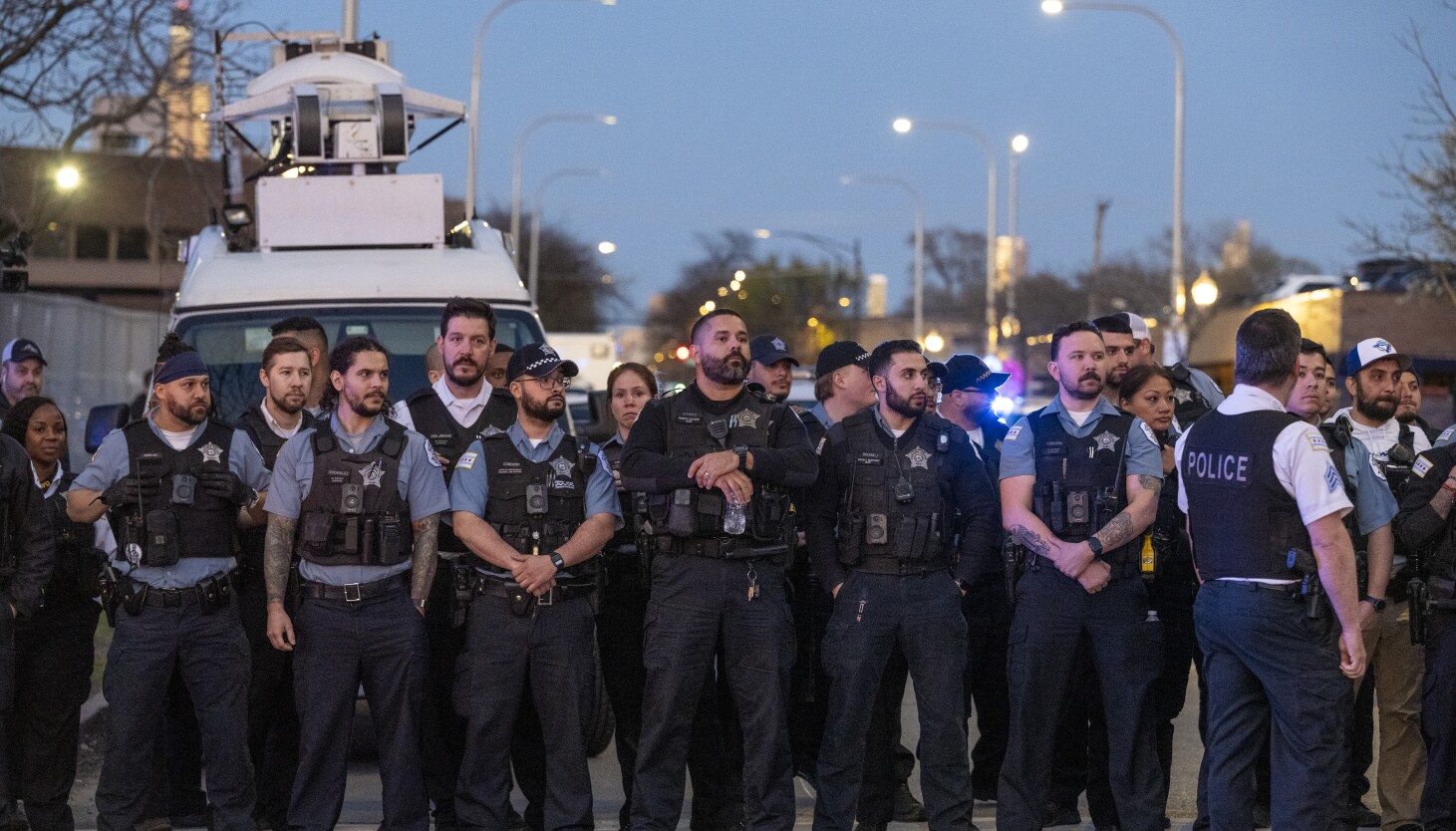
The five Chicago police officers involved in the fatal shooting of Dexter Reed have been investigated a combined 41 times since 2019, with many complaints stemming from traffic stops. Videos released show Reed refusing to comply with officers before being shot, and concerns have been raised about the veracity of the officers' account of the stop. The officers have been named in 41 complaints over the last five years, with allegations including improper stops, excessive force, and questionable tactics. The officers involved in the shooting have not served on the force for longer than five years, and the incident has raised further scrutiny on the Chicago Police Department's practices regarding traffic stops in predominantly Black and Latino neighborhoods.
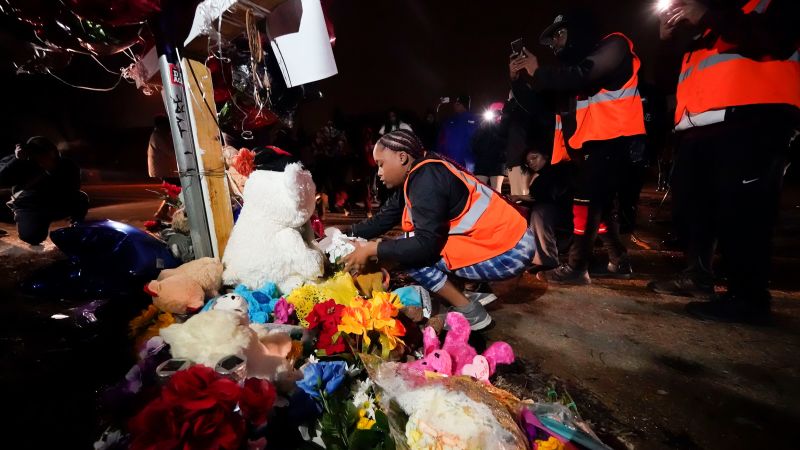
Tennessee Governor Bill Lee has signed a bill into law that prohibits cities from enacting local police reforms, including a Memphis traffic stop ordinance inspired by the fatal police beating of Tyre Nichols. The ordinance, which aimed to prevent police stops for minor infractions, was created after Nichols, a Black man, was severely beaten during a traffic stop and later died from his injuries. The bill has been widely interpreted as a rebuke of the ordinance and would prevent cities across the state from implementing similar reforms, sparking controversy and opposition from civil rights groups and activists.
The Tennessee Senate has passed a bill that would essentially overturn Memphis' ban on pretextual traffic stops, with the aim of restoring law and order in the community. The bill, which had already passed in the state House, would block a Memphis City Council ordinance that banned such stops. While the bill's sponsors argue that it's about enforcing existing state laws and improving public safety, Democrats view it as Republican overreach that disregards local government decisions. The family of Tyre Nichols, whose death led to the ordinance, expressed deep disappointment with the bill's passage and emphasized the need for justice regarding routine traffic stops.
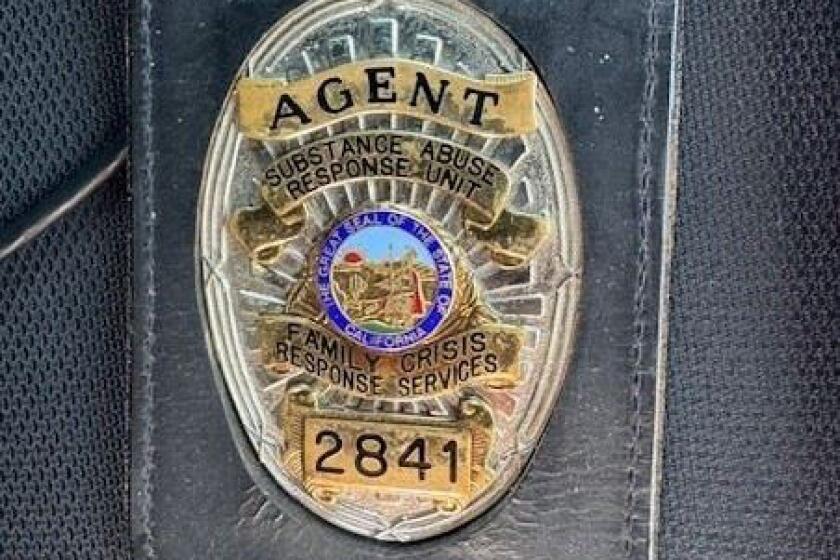
A 70-year-old man was arrested in Riverside County for allegedly impersonating a law enforcement officer by using a fake badge and pulling over drivers in Canyon Lake. The man, identified as Steven Sawhill, was driving a white sedan equipped with emergency lights and was found in possession of fraudulent identification cards. He was arrested on suspicion of impersonating a peace officer, false imprisonment, and vehicle code violations. Authorities are asking anyone with additional information or similar experiences to come forward.
The Portland Police Bureau has announced that they will be loosening their restrictions on officers starting car chases, citing an increase in people fleeing from traffic stops and driving dangerously. The new policy creates a new set of factors and safety standards for supervisors to consider before authorizing a chase. The change comes after previous policy restrictions were seen as impeding officers' ability to quickly intervene and end dangerous driving behavior.
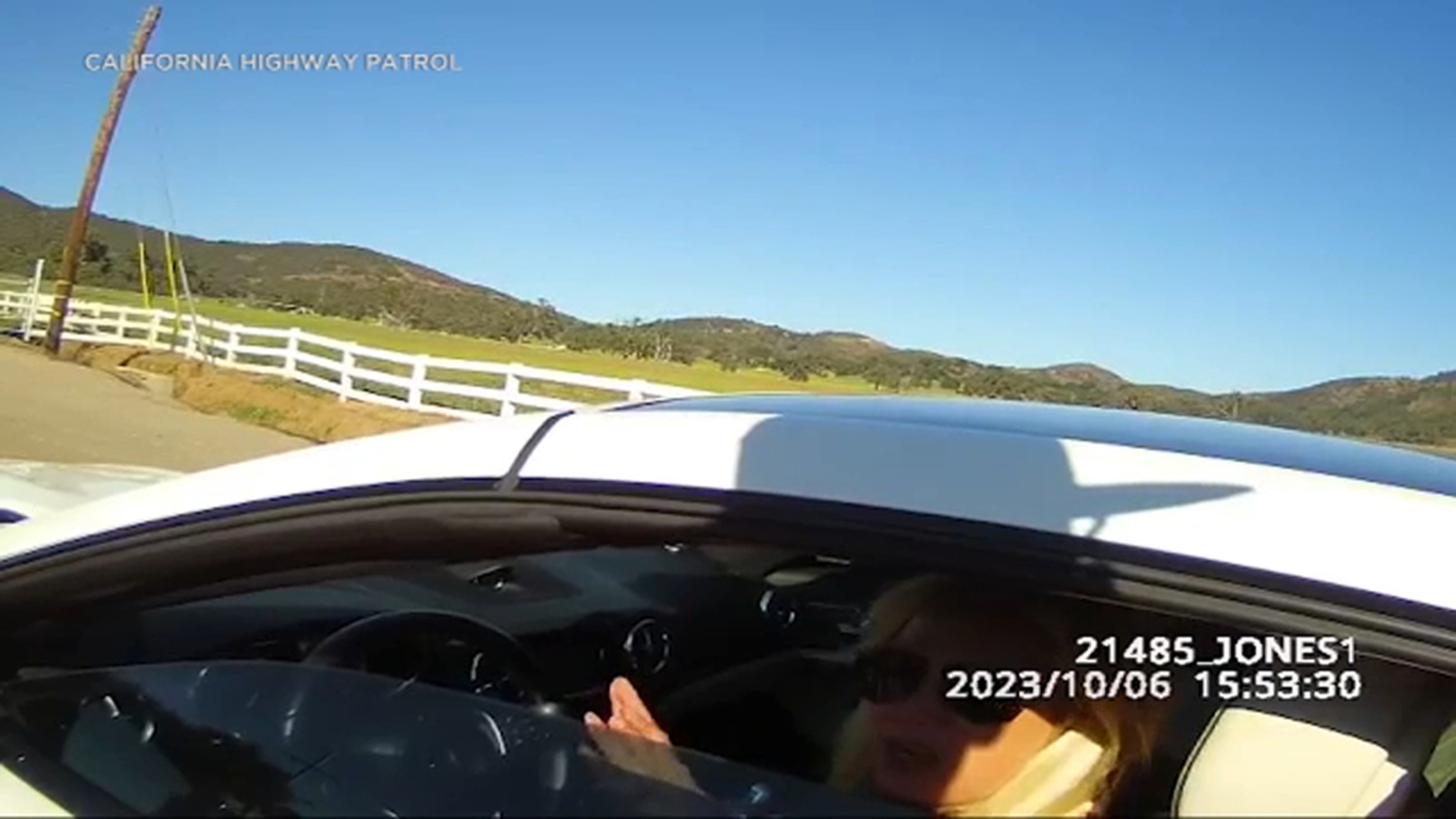
Bodycam footage obtained by ABC News shows two recent traffic stops involving pop star Britney Spears and the California Highway Patrol. In both incidents, Spears was pulled over for speeding and crossing double-yellow traffic lines. She did not have her license with her on either occasion, explaining that it was with her security or at her home. Spears received tickets for both stops.
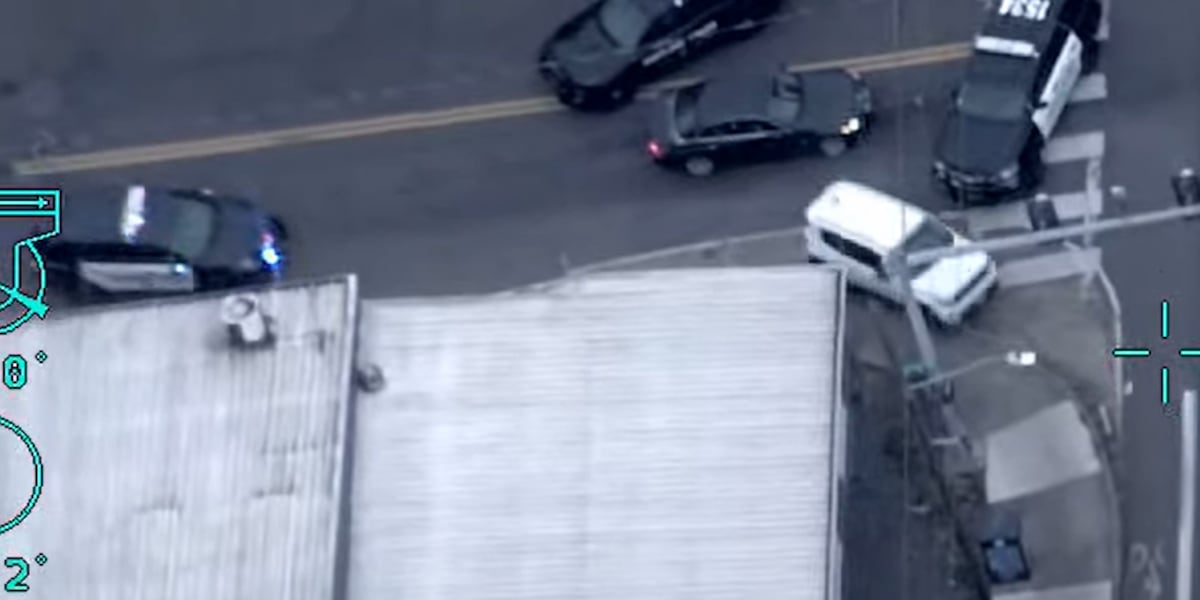
Three men were arrested on gun-related charges in Peoria County after deputies conducted two separate traffic stops. Carlos Zollicoffer was arrested for Armed Violence, while Ivan Ellis and Paris Ambrose were arrested for Aggravated Unlawful Use of a Firearm and Possession of a Stolen Firearm. The Peoria County Sheriff's Office seized guns, cash, illegal drugs, and vehicles during the operations and stated their commitment to proactive policing following a week of violence in the area.
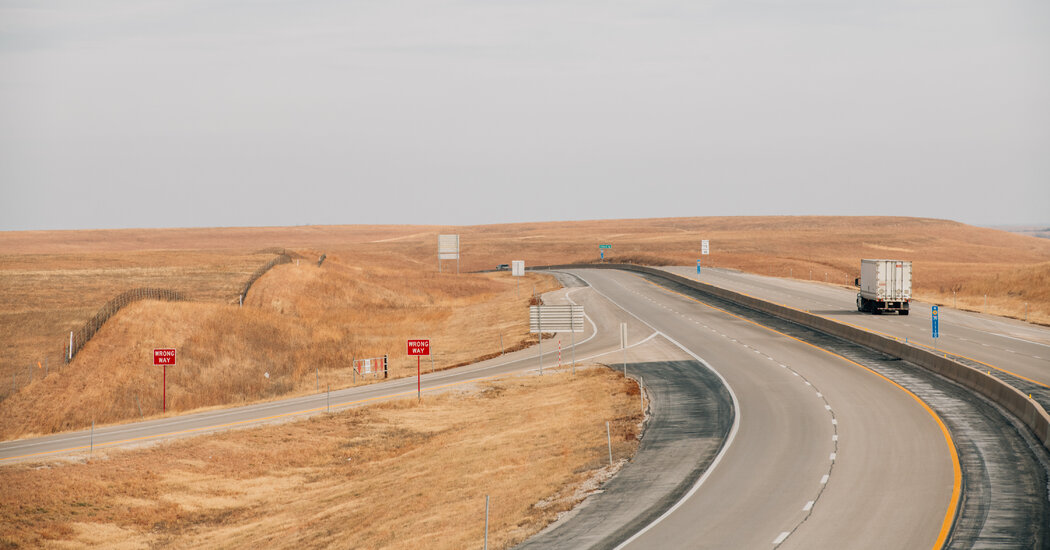
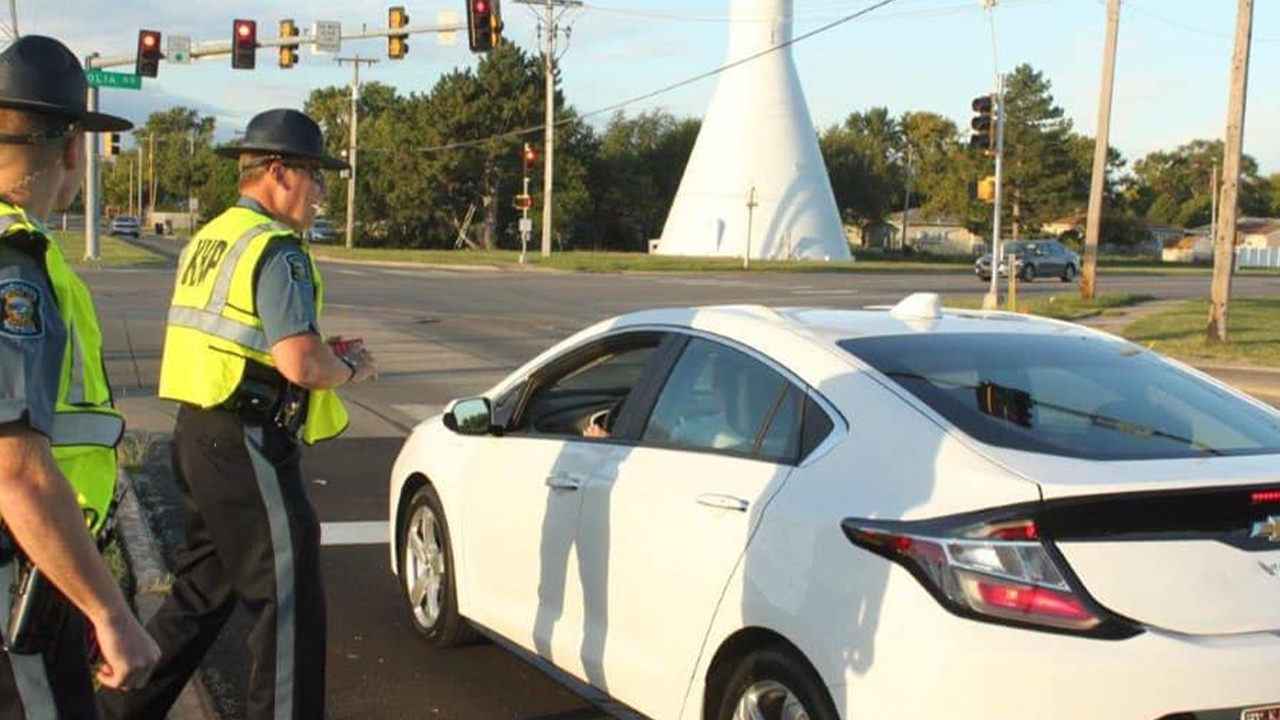
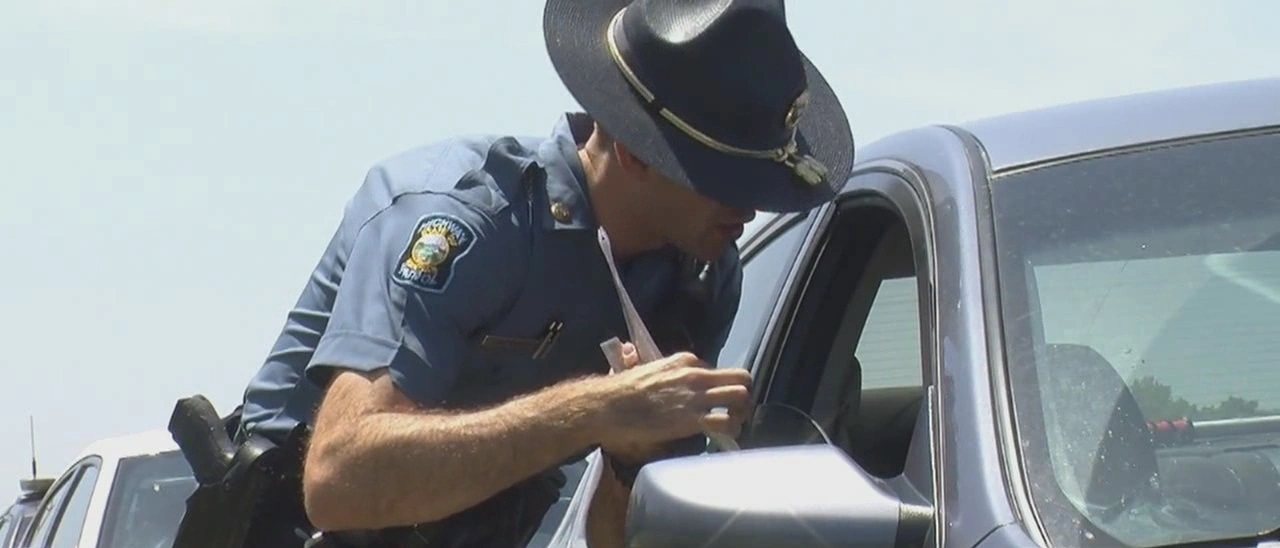
A federal judge has ruled that the Kansas Highway Patrol engaged in unconstitutional practices by targeting out-of-state drivers in traffic stops in hopes of finding drugs. The troopers used a tactic known as the "Kansas two-step," where they would initiate a conversation with the driver after the initial traffic stop, potentially leading to a search of the vehicle. The judge described this as a "war on motorists" and ordered the troopers to stop factoring in a driver's travel to or from a state where marijuana is legal as probable cause for a search. The ruling also proposed additional training for troopers and protections for drivers who agree to have their cars searched.
A federal judge has ruled that the Kansas Highway Patrol's "two-step" technique, used to search vehicles for marijuana, is unconstitutional and violates individuals' Fourth Amendment rights. The technique involved officers ending a routine traffic stop, returning to their cruiser, and then turning around to initiate a separate effort to search the vehicle for marijuana. The Kansas Highway Patrol has been accused of targeting out-of-state drivers, particularly from Colorado and Missouri where marijuana is legal, resulting in successful drug seizures and charges. The court ruling comes after a lawsuit filed by the American Civil Liberties Union of Kansas and individuals who felt exploited and intimidated by the patrol's tactics. The judge's decision highlights the importance of protecting constitutional rights and condemns the "cowboy mentality of policing."
A federal judge has ruled that the Kansas Highway Patrol's "Kansas Two Step" tactic, which involves detaining drivers without reasonable suspicion, is illegal and a violation of the Fourth Amendment. The tactic targets motorists with out-of-state license plates or those traveling to or from states where recreational marijuana is legal. After the initial purpose of the stop is resolved, troopers ask questions about travel plans without reasonable suspicion and then search vehicles for potential drugs. The judge ordered the highway patrol to stop this practice, stating that the agency has "waged war on motorists." The ACLU of Kansas, which filed the lawsuit, called the decision a significant win for motorists' constitutional rights.
A federal judge has ruled that the Kansas Highway Patrol's "two-step" tactic, which involves detaining motorists without reasonable suspicion, is unconstitutional. The practice allows troopers to initiate voluntary interactions with drivers after a traffic stop, providing extra time to search for incriminating evidence or bring in drug-sniffing dogs. The judge's order requires troopers to inform drivers of their right to refuse and revoke consent, and to document consent on a written form. The ACLU, which sued the KHP on behalf of individuals subjected to the tactic, hailed the ruling as a significant victory. Both parties have until mid-August to respond to the terms of a possible injunction.
A federal judge has ordered the Kansas Highway Patrol (KHP) to cease its "two-step" technique, ruling that the KHP's policies and practices violate the Fourth Amendment. The technique involves ending a routine traffic stop and then initiating a separate effort to search for contraband. The court case was brought by plaintiffs who challenged the KHP's practice of targeting out-of-state motorists and conducting vehicle searches without reasonable suspicion or consent. The judge found the KHP's actions to be unconstitutional and a violation of motorists' rights. The ruling is seen as a significant victory by the American Civil Liberties Union (ACLU) of Kansas.
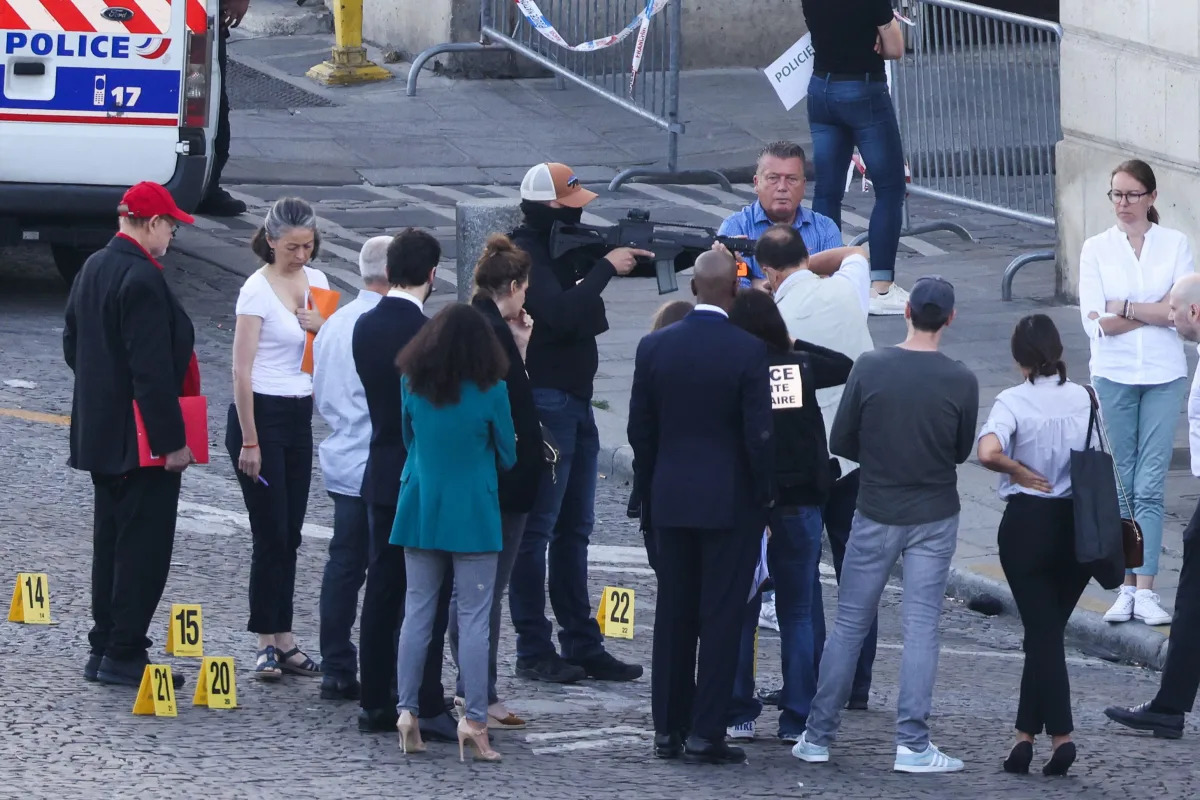
The number of fatal police shootings of motorists in France has increased sixfold since a law was passed in 2017 allowing officers to shoot at fleeing drivers. Last year, a record 13 people were shot dead in their vehicles. The law has come under scrutiny after a police officer recently killed a teenage driver during a traffic stop, sparking protests and riots. Union leaders, including those who supported the law, say that officers received inadequate training on what it permitted. Experts and lawyers argue that the law and subsequent shootings are unintended consequences of the French government's response to terrorism and increased threats against police. Critics have called for a repeal or revision of the law.