Israel's Tower Semiconductor has proposed an $8 billion investment to build a chipmaking facility in India, aiming to manufacture 65 nanometre and 40 nanometre chips in the country. The company is seeking government incentives for its plan, which aligns with India's focus on chip manufacturing as a key part of its business agenda.
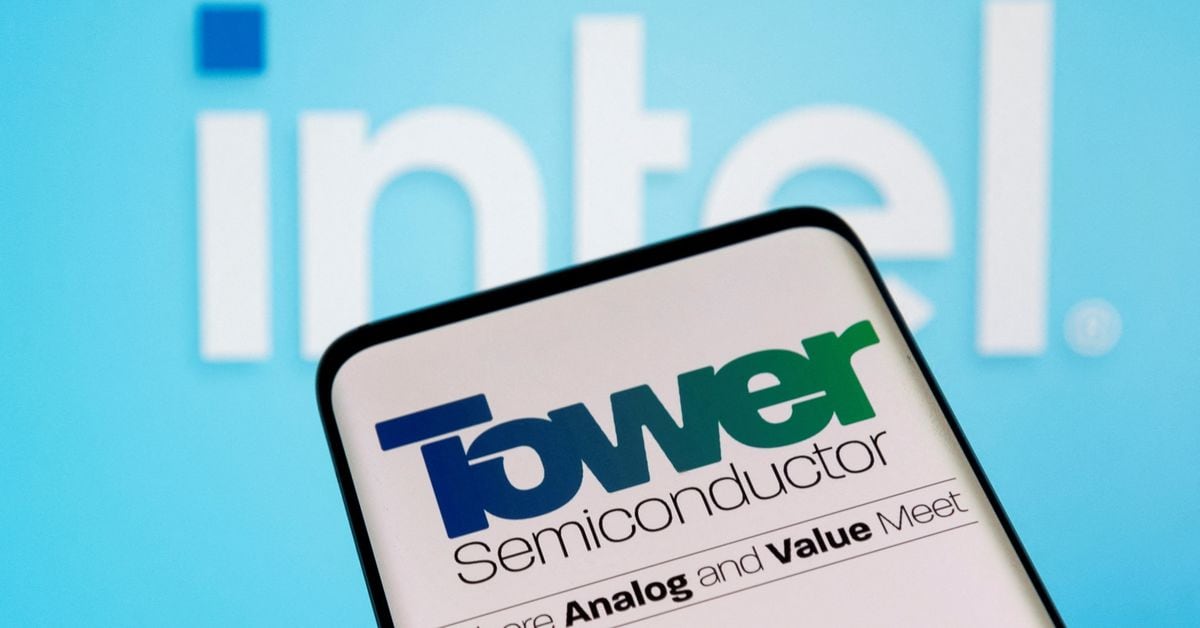
Intel has called off its $5.4 billion deal to acquire Tower Semiconductor due to a lack of regulatory approval from China. Instead, Intel will pay a $353 million break-up fee. This decision will force Intel to focus its Intel Foundry Services (IFS) division solely on leading-edge process technologies. Without Tower, IFS will need to compete directly with TSMC and Samsung Foundry using only a few nodes. Despite the challenges, Intel remains committed to becoming the world's second-largest foundry by 2030. The success of IFS will rely on pillars such as Intel's 16, 20A, 18A, and Intel 3 process technologies, as well as its advanced packaging capabilities.
Intel has abandoned its planned $5.4 billion acquisition of Israeli chipmaker Tower Semiconductor after failing to obtain regulatory approval. The deal, which was announced in February 2022, had been awaiting clearance from Chinese regulators. Tensions between China and the US over semiconductors have escalated, and the approval process had been challenging. Intel will pay Tower a termination fee of $353 million, and both companies expressed a desire to explore future collaboration opportunities. Intel's CEO emphasized the importance of investments in foundries for its manufacturing strategy.
Intel has announced the termination of its planned $5.4 billion acquisition of Israeli chipmaker Tower Semiconductor due to the failure to obtain the necessary regulatory approvals. The deal would have given Intel access to specialty technologies such as radio frequency and industrial sensors. Intel will pay a termination fee of $353 million to Tower Semiconductor. Chinese authorities did not publicly communicate their approval for the purchase before the deadline passed.
Intel has announced the termination of its agreement to acquire Tower Semiconductor due to the inability to obtain regulatory approvals in a timely manner. The termination fee of $353 million will be paid to Tower. Intel remains committed to its IDM 2.0 strategy and plans to create a world-class system foundry. Intel Foundry Services (IFS) has made significant advancements, including a 300% year-over-year revenue increase in Q2 2023. Intel has also secured partnerships with Synopsys, Arm, and MediaTek to develop advanced process technologies.
Intel Corp will abandon its $5.4 billion deal to acquire Israeli contract chipmaker Tower Semiconductor Ltd after failing to secure regulatory approval from China. The lack of approval highlights the impact of tensions between the US and China on corporate dealmaking, particularly in the technology sector. Intel will pay Tower a $353 million break-up fee instead of negotiating an extension of the contract. It remains unclear whether the deal would have been approved had the companies waited for the review's completion. Intel's CEO, Pat Gelsinger, had been working to obtain Chinese approval but also emphasized the company's investment in its foundry business.
Intel CEO Pat Gelsinger declined to comment on whether the company would extend its agreement to acquire Tower Semiconductor, which is set to expire in a few weeks. Gelsinger stated that they are working with Chinese regulators to get the deal approved, as it is the main obstacle to completing the transaction. The termination date for the Tower Semiconductor deal is August 15th, and Gelsinger expressed the company's eagerness to see it completed. However, he also mentioned that Intel's foundry business does not depend on the completion of the deal.