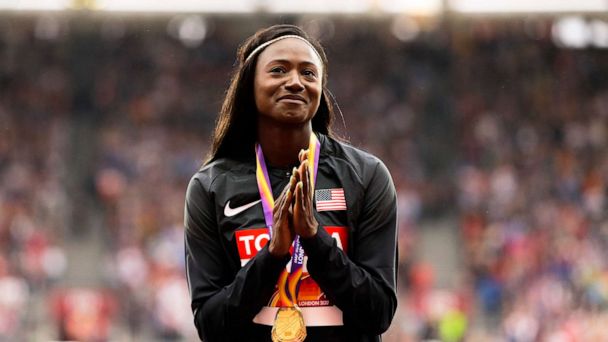
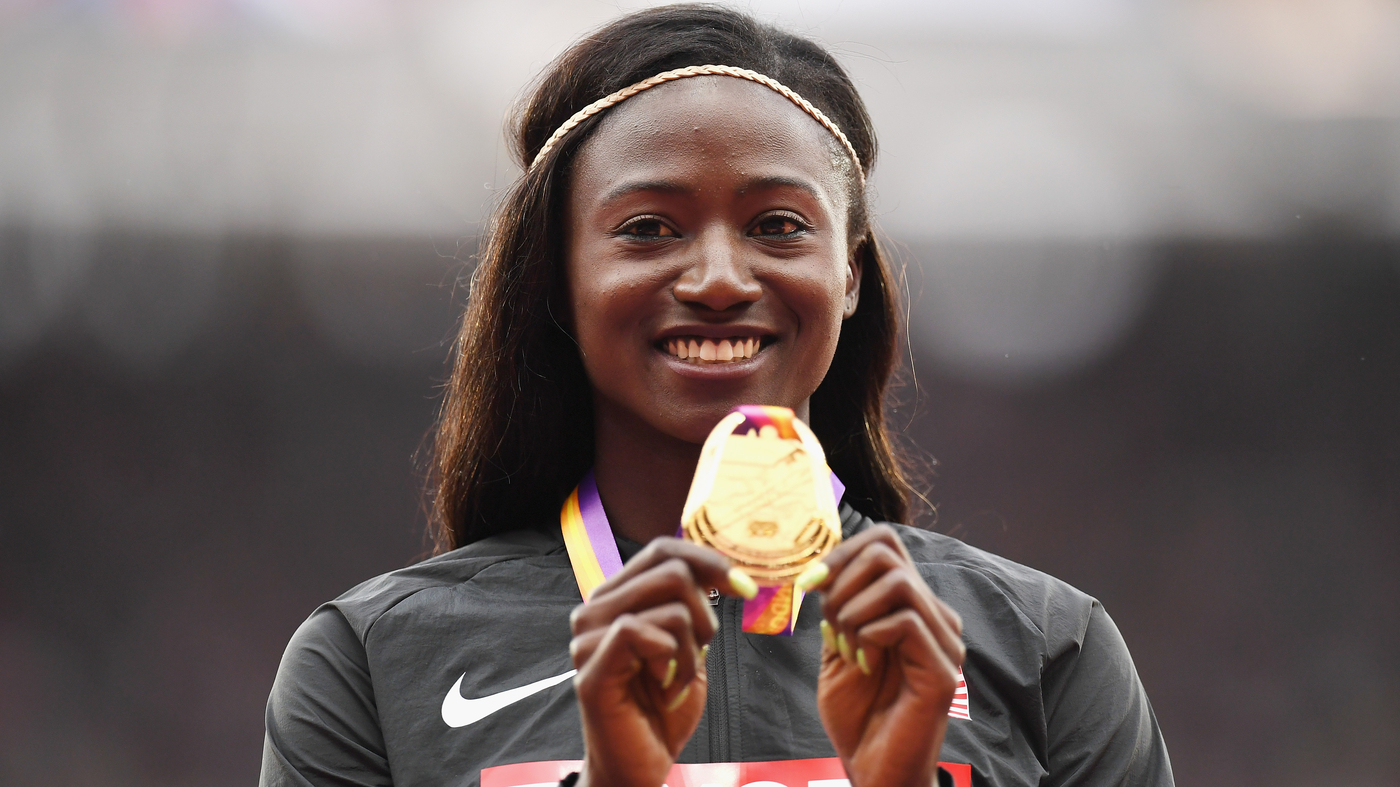
Autopsy results have revealed that three-time Olympic medalist Tori Bowie, who died from childbirth complications in May, had been diagnosed with bipolar disorder. Her former coach, Al Joyner, believes that Bowie's mental health struggles were not taken seriously enough. Despite having access to mental health services, Bowie did not seek treatment and did not receive much assistance from friends, family, or medical professionals during her difficult pregnancy. Concerns about her health were raised by acquaintances and neighbors, but Bowie's agent did not believe she needed help. The autopsy also noted that Bowie was significantly underweight at the time of her death.

Olympic champion Tori Bowie's struggles with bipolar disorder and mental health were known within the track community, and it is believed that her mental health played a role in her difficult pregnancy and subsequent death. The Los Angeles Dodgers extend their winning streak to 11 games with a 1-0 victory over the Milwaukee Brewers. Stanford is still hoping for an invitation to join the Atlantic Coast Conference, while Oregon State and Washington State wait for the decision. Lionel Messi speaks publicly for the first time since joining Inter Miami and expresses his happiness with his choice. NFL teams are carrying 90-man rosters throughout the preseason, leading to a crowded sidelines and a challenging cutdown deadline. The NBA releases its schedule for the upcoming season, focusing on player rest and limiting travel demands. England's women's soccer team looks to bring the Women's World Cup trophy back to the birthplace of soccer, while Spain defies expectations to reach the final. Rory McIlroy and Brian Harman share the lead at the BMW Championship, taking advantage of the soft conditions. Carlos Alcaraz and Iga Swiatek, the top-ranked players in tennis, overcome adverse weather conditions to advance to the quarterfinals at the Western & Southern Open. Salma Paralluelo emerges as a star for Spain's women's soccer team in their run to the World Cup final.
The death of Olympian Tori Bowie, a Black woman who suffered fatal complications of pregnancy and childbirth, has highlighted the ongoing crisis of Black maternal health in the US. Black women are twice as likely to suffer serious complications during pregnancy and three times as likely to die, regardless of income or education. Bowie's story has prompted calls for action to address the systemic racism and mistreatment that Black women face in the medical establishment, as well as the need for better mental health support for pregnant women.
The death of Olympic track and field star Tori Bowie from pregnancy complications has highlighted the racial health disparities that lead to maternal health complications for Black people, regardless of their economic status or clean bill of health. Black women are three to five times more likely to die in childbirth than any poor white woman. These disparities exist for Black people despite their health, economic, and education status. Researchers have long connected these health disparities to institutional racism, which often leaves Black women with little access to quality prenatal care.
Olympic track and field star Allyson Felix is drawing attention to the Black maternal mortality crisis following the death of her teammate Tori Bowie, who died after suffering complications related to childbirth. In an essay published by Time, Felix called on the medical community to do more to address the issue, citing her own experience with preeclampsia while pregnant with her daughter. The CDC reports that the maternal mortality rate for Black women is 2.6 times higher than that of white women. Felix hopes that Bowie's death will bring greater awareness to the issue and lead to positive change.
Olympic gold medalist Tori Bowie died while in labor due to eclampsia, a pregnancy-related condition that is a higher risk among Black women. Her death highlights the racial disparities in maternal mortality rates, with Black women having a 2.6 times higher risk than white women. Experts say inadequate prenatal care and unconscious bias in the healthcare system contribute to this disparity. There are preventative options for conditions like preeclampsia, including daily baby aspirin, but more education and advocacy are needed to address the issue.
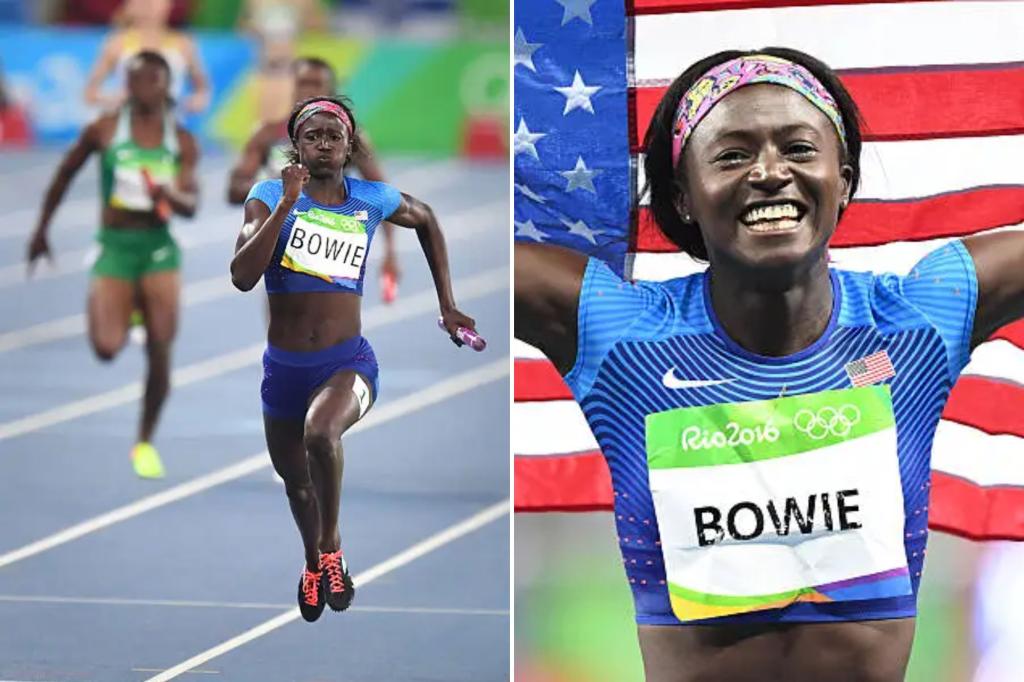
Tori Bowie, a 32-year-old gold-medal sprinter, died eight months pregnant and weighing only 96 pounds following complications related to childbirth. Her health had been declining rapidly before her death, and a friend had tried to convince her to eat more. The medical examiner’s report listed respiratory distress and eclampsia as two possible complications that could have led to her death. Bowie was a three-time Olympic medal winner at Rio de Janeiro in 2016.
The recent death of Olympic sprinter Tori Bowie's mother highlights the maternal mortality crisis in the US, where black women are three to four times more likely to die from pregnancy-related complications than white women. Bowie's mother died from complications related to a C-section, which is a common procedure that can lead to serious health risks. Experts say that systemic racism and inadequate healthcare access are major factors contributing to this crisis.
Olympic sprinter Tori Bowie, who was eight months pregnant, died from complications related to childbirth, including eclampsia, a rare, severe pregnancy-related condition that can include seizures or a coma and is more prevalent in Black women. Bowie had not widely announced her pregnancy but was excited about it, according to her longtime agent and confidante Kimberly Holland. Bowie's death has put a spotlight on maternal deaths in the U.S., where Black mothers are three times more likely to die from a pregnancy-related cause than white women.
Olympic star Tori Bowie died due to complications of childbirth, including possible respiratory distress and eclampsia, a rare and severe complication of preeclampsia. Bowie was approximately eight months pregnant and her baby did not survive. Preeclampsia is a high blood pressure condition that affects pregnant women.
Tori Bowie, a three-time Olympic medalist in track and field, died from childbirth complications at her Florida home last month. The autopsy report indicated that Bowie was eight months pregnant and alone at home, undergoing labor at the time of her death. Her unborn child did not survive. According to her agent, Bowie was not actively performing a home birth when her baby started to arrive. Bowie's death highlights the healthcare inequality and systemic barriers that Black women face, as they are three times more likely than White women to die from pregnancy-related causes.
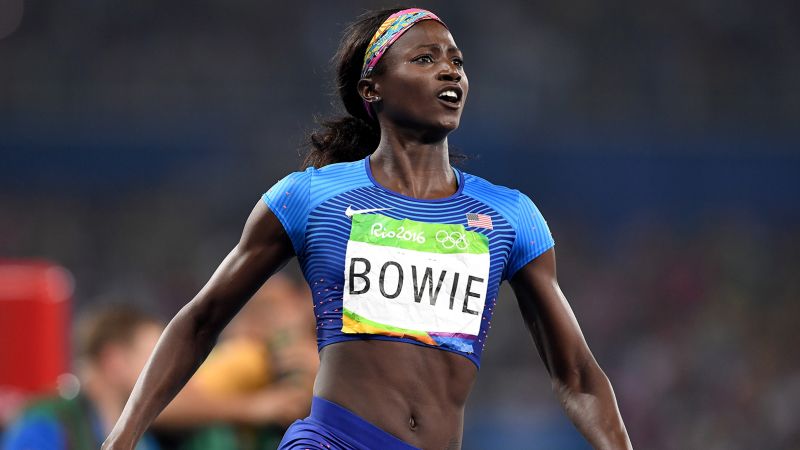
The death of US Olympic sprinter Tori Bowie, who was eight months pregnant, has highlighted the pregnancy complication of preeclampsia, which disproportionately affects Black women. The condition, which can lead to eclampsia and death, is 60% more common among Black women than white women, according to the Preeclampsia Foundation. Black women and Native American women are two to three times more likely to die from pregnancy-related causes than white women in the US, which has one of the highest maternal mortality rates in the world. Bowie's agent called for change in maternal care in the US.
Three-time Olympic medalist Tori Bowie died last month due to complications from preeclampsia, a condition of high blood pressure and kidney damage during pregnancy that disproportionately affects Black women. The rate of preeclampsia is 60% higher among Black women than white women, and Black women are more likely to develop severe preeclampsia. In the US, Black women and Native American women are two to three times as likely to die from a pregnancy-related cause than white women. Regular prenatal care and taking prescribed medications can help prevent and manage preeclampsia.
Tori Bowie, an Olympic gold medalist in sprinting, died at age 32 due to complications from childbirth. The autopsy report cited possible complications from respiratory distress and eclampsia, which are disorders related to high blood pressure during pregnancy. Black Americans face an elevated risk of these conditions, contributing to a higher death rate before and after childbirth. Bowie's death highlights the risks faced by Black Americans and the challenges of becoming a mother for track athletes. Bowie's personal story was an inspiration, as she overcame obstacles beyond her control to become a world champion in track and field.
Olympic gold medalist Tori Bowie died in May from complications of childbirth, including respiratory distress and eclampsia, according to an autopsy report. Preeclampsia, a condition that causes high blood pressure and protein in the urine, is a medical emergency that can lead to seizures or coma. Hypertensive disorders in pregnancy are on the rise in the US, with older and Black, American Indian, and Alaska Native women at higher risk. Bowie won three medals at the 2016 Olympic Games and was a three-time All-American at the University of Southern Mississippi.