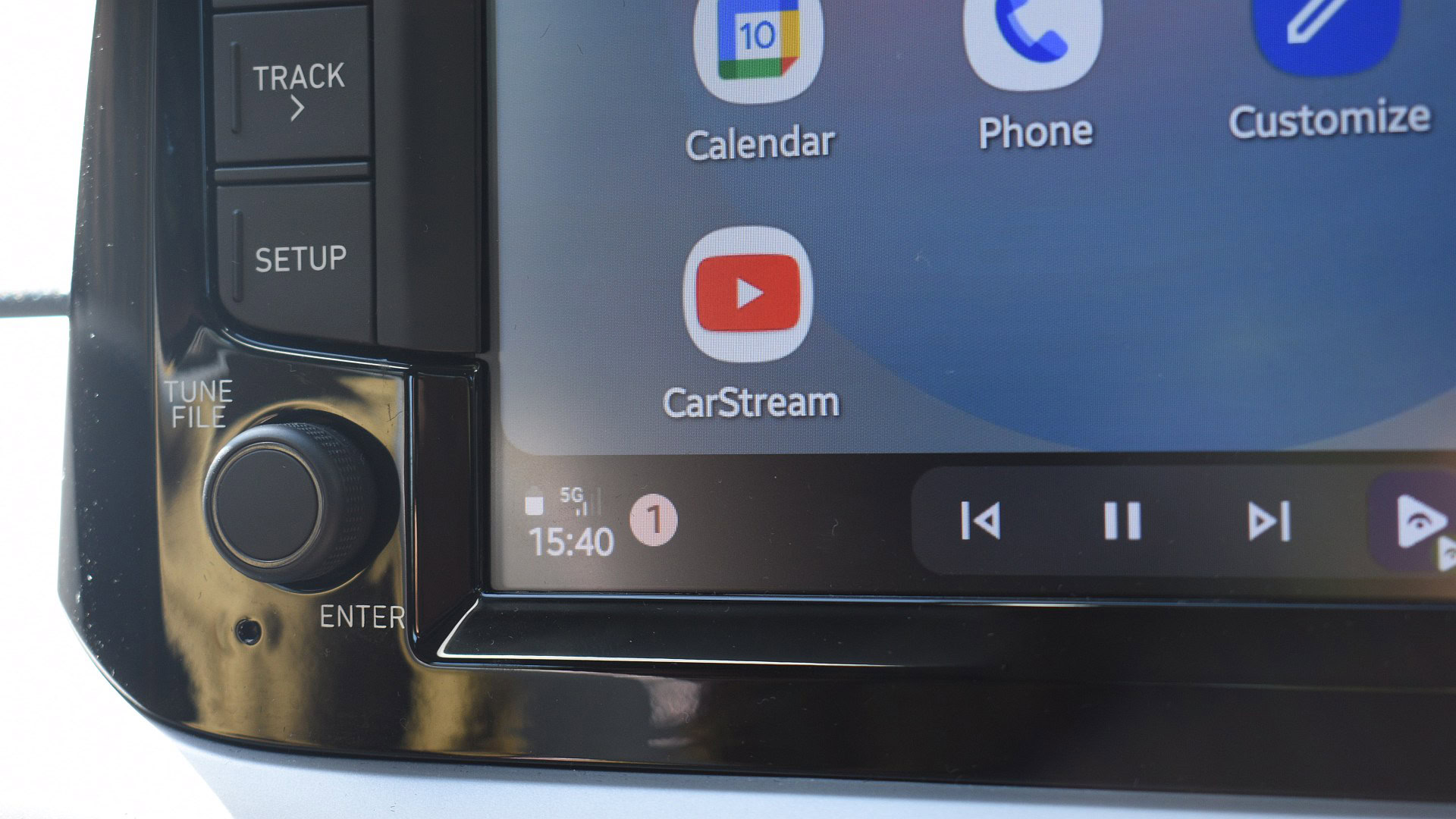
Android Auto does not officially support video playback, but users have attempted third-party solutions like CarStream and Fermata Auto, which face compatibility issues with newer Android versions and require workarounds. Overall, watching videos on Android Auto is complicated and not recommended, with better options being to wait for official support or use other methods for audio streaming.
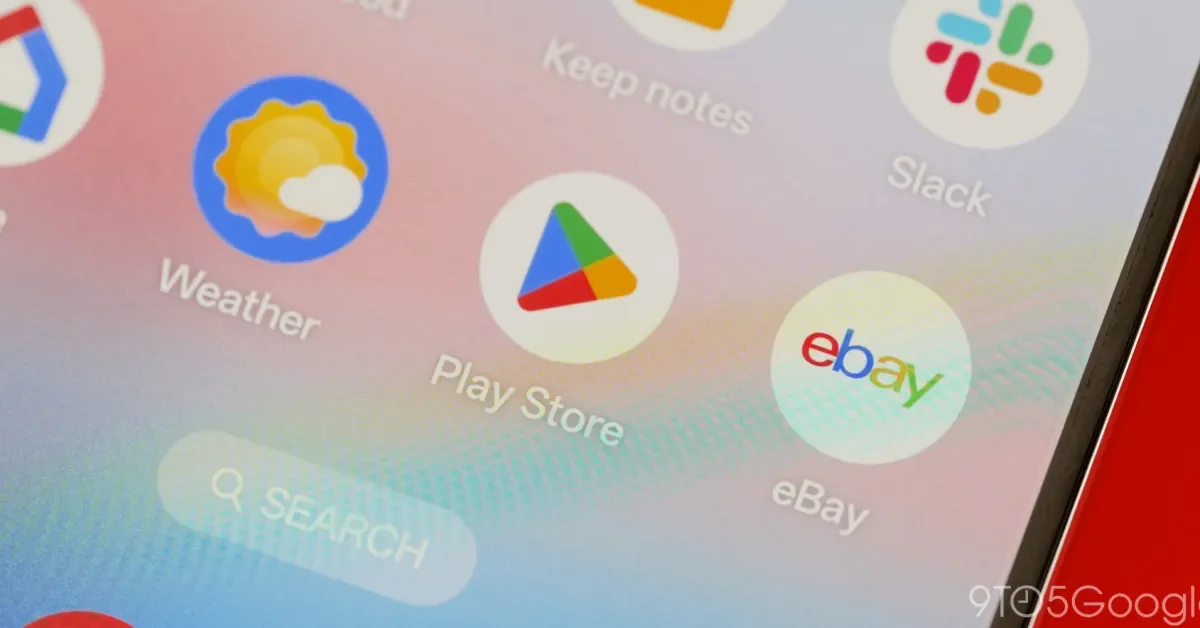
Google has proposed changes to Android and the Play Store, including supporting third-party app stores, reducing fees to 9% or 20% for new installs, lowering Play Billing fees to 5% for the first $1 million, and allowing users to install registered app stores from websites, aiming to address legal challenges and improve app store competition.
T-Mobile is expanding its T-Satellite service, powered by Starlink, to support third-party apps like WhatsApp, Google Maps, and others on most recent Android and iOS devices, with additional support for older models, offering messaging, location sharing, and multimedia features, available with most plans or for $10/month for non-T-Mobile users.
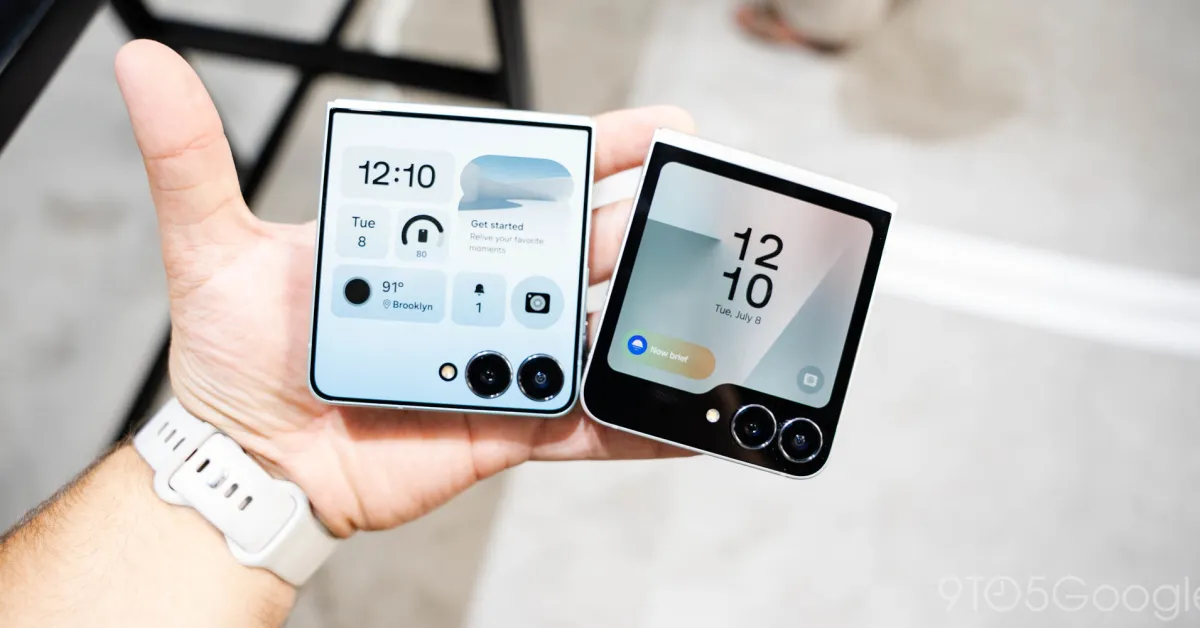
Samsung's upcoming One UI 8 update will enable the Now Bar feature to work with third-party apps, enhancing its utility on Galaxy devices, including foldables like the Galaxy Z Flip 7 and Z Fold 7, and improving integration with more apps on the cover screens and lock screens.
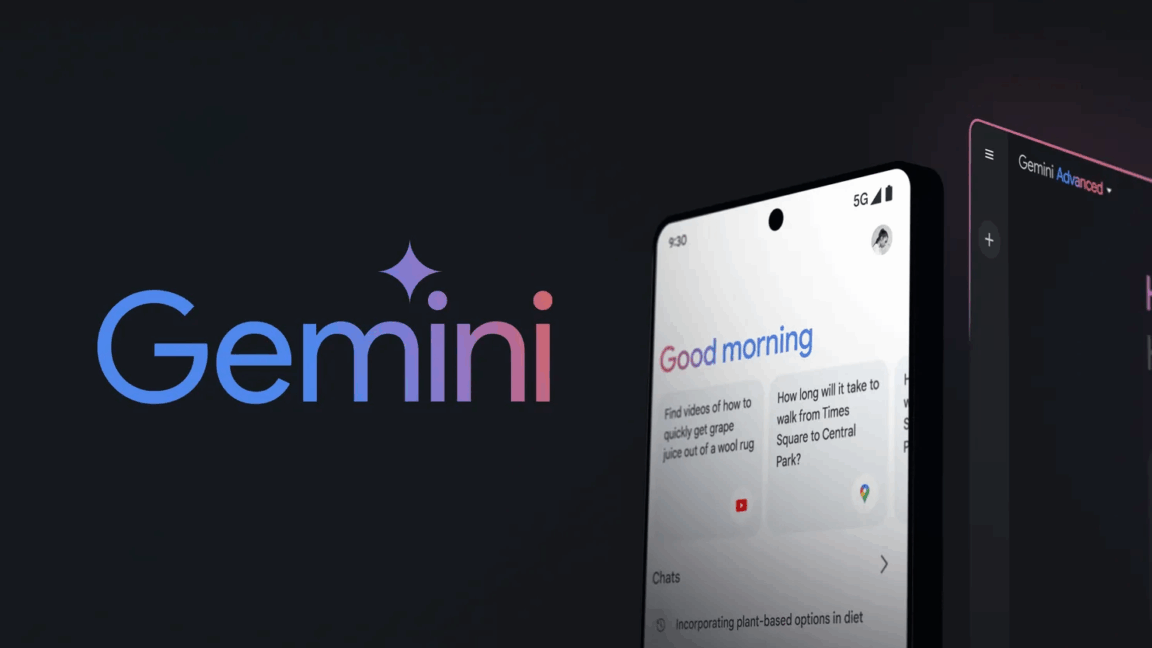
Google is implementing a change that allows its Gemini AI engine to access third-party apps on Android devices by default, even if users previously blocked such interactions. The update lacks clear guidance on how users can fully disable or remove Gemini, leaving many in the dark about their privacy options. Disabling or uninstalling Gemini is technically complex, and the changes may resemble past antitrust issues faced by Microsoft with Internet Explorer. Users concerned about privacy may need to take technical steps to prevent Gemini access, but Google provides limited support or straightforward options for doing so.
Apple's upcoming iOS 18.6 update, currently in beta, will primarily focus on bug fixes but introduces new features for EU users, including a streamlined process for installing third-party apps and marketplaces from the web, with enhanced user experience and compliance with EU regulations.
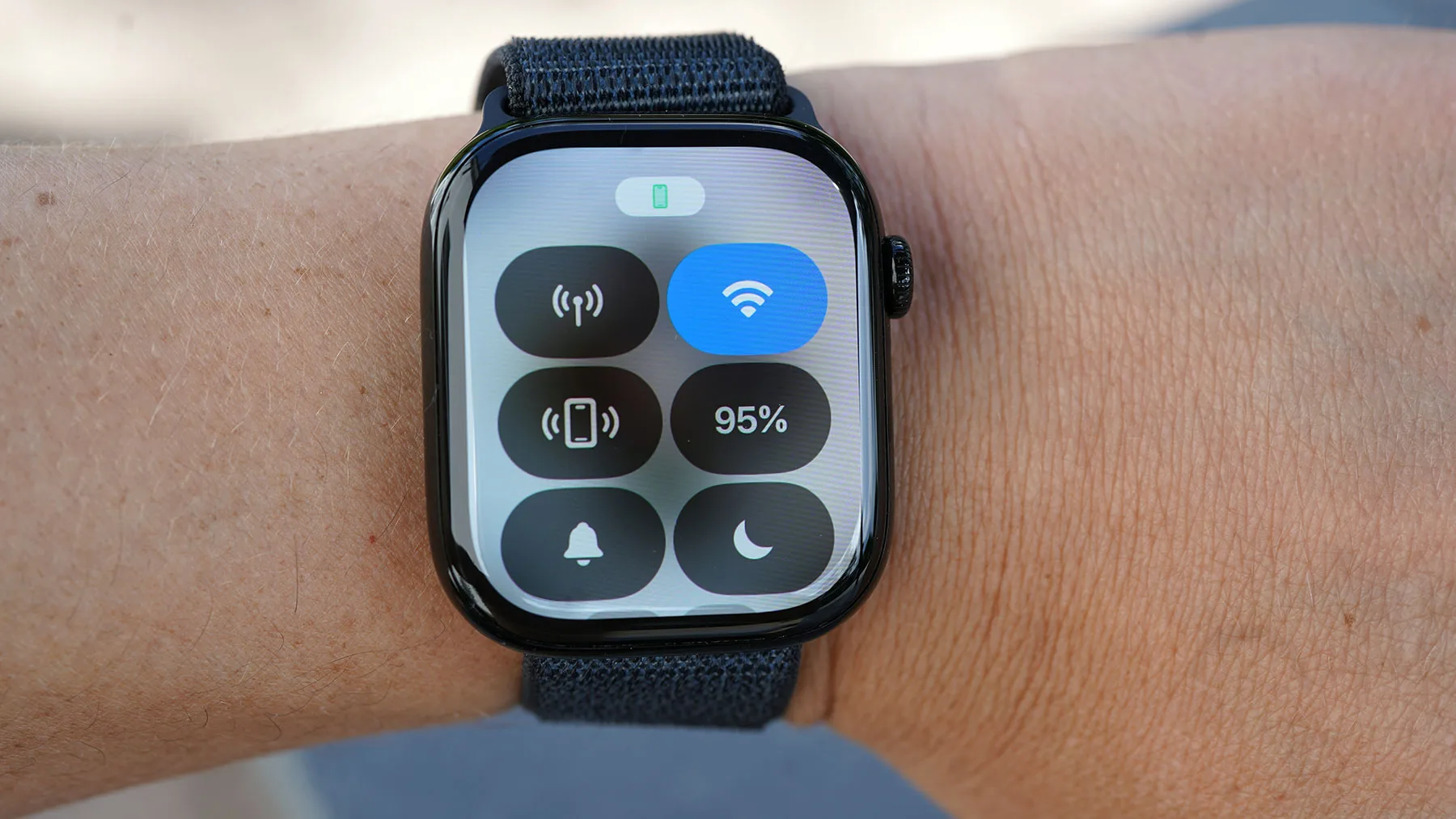
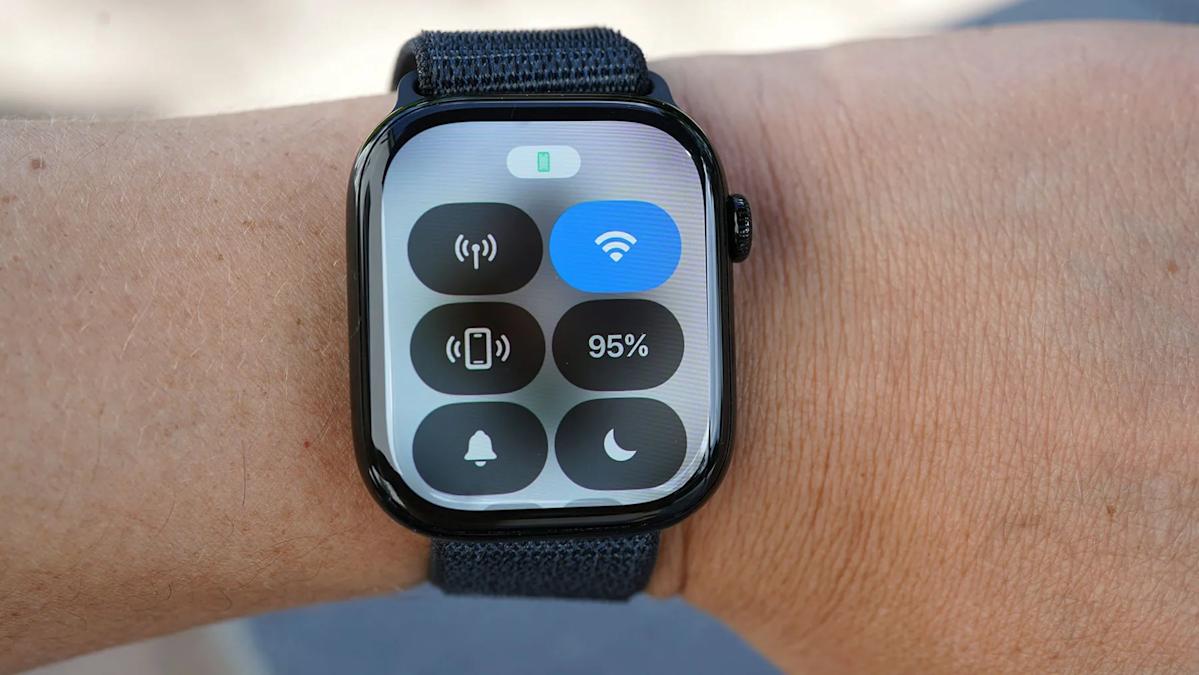
Apple is set to enhance the Apple Watch with watchOS 26, introducing a customizable Control Center that now allows users to control their iPhone from their wrist and access third-party app controls, along with new features like Wrist Flick and Workout Buddy, expected to launch in early September.
Apple is set to enhance the Apple Watch with watchOS 26, introducing the ability to customize its Control Center similarly to the iPhone, allowing users to control and monitor their iPhone from their wrist and access third-party app controls, along with new features like Wrist Flick and Workout Buddy.
Apple is enhancing its autofill feature for two-factor authentication codes in iOS 26 and macOS Tahoe, expanding support to third-party messaging, email, and browser apps, making login security more seamless across devices.
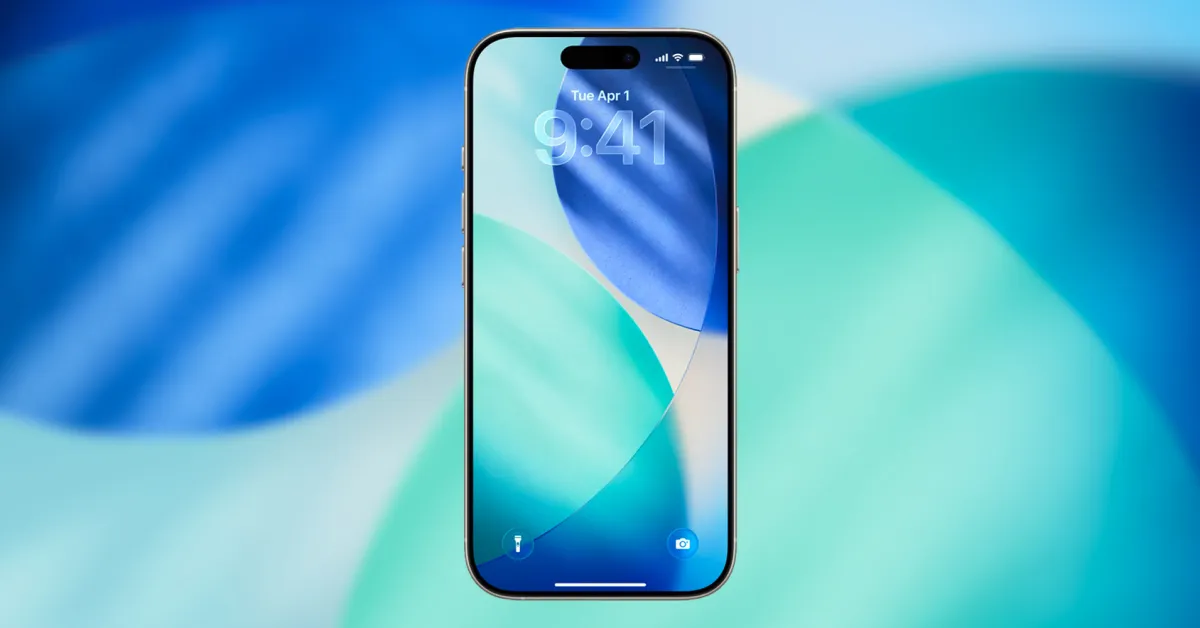
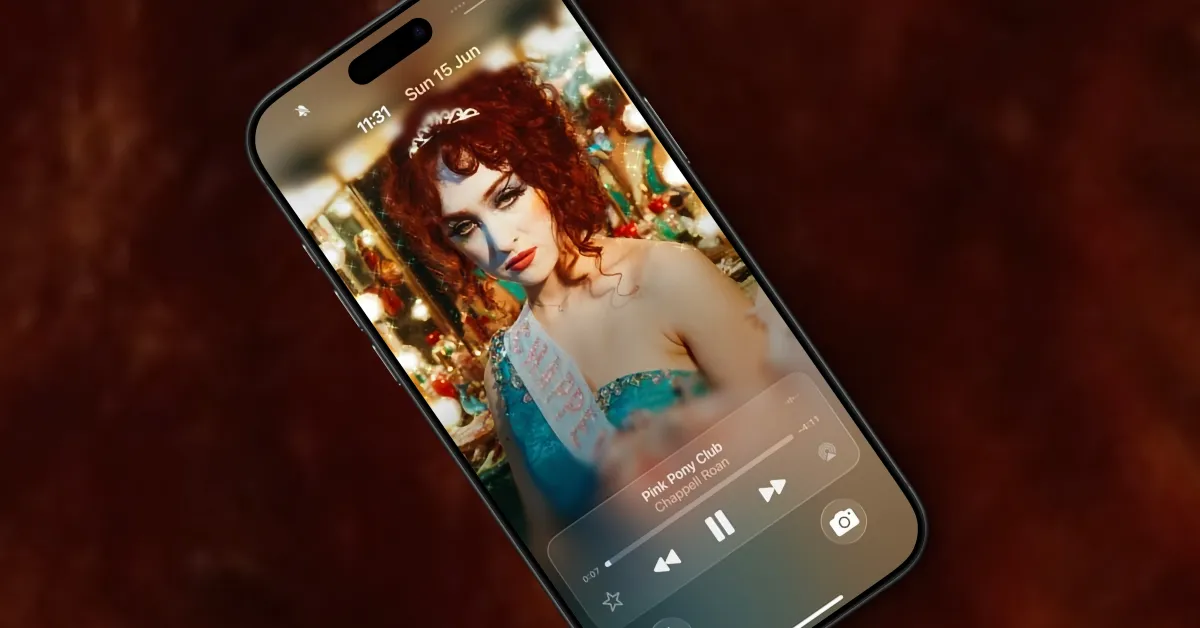
Apple is introducing a new API in iOS 26 that allows both Apple Music and third-party music apps like Spotify to display animated album art on the lock screen, enhancing visual experience; the feature is currently in developer testing and will be available to all users in the fall.
Meta's decision to shut down the Instagram Basic Display API by December 2024 is affecting third-party consumer apps like Tinder, Hinge, and Day One, which relied on it to access Instagram data. Developers are encouraged to switch to the Instagram API, but it only supports business accounts, limiting functionality for personal accounts. This change means apps like Day One can no longer import Instagram content, impacting features that were part of their premium offerings. Other services like Discord and website embed tools are also affected.
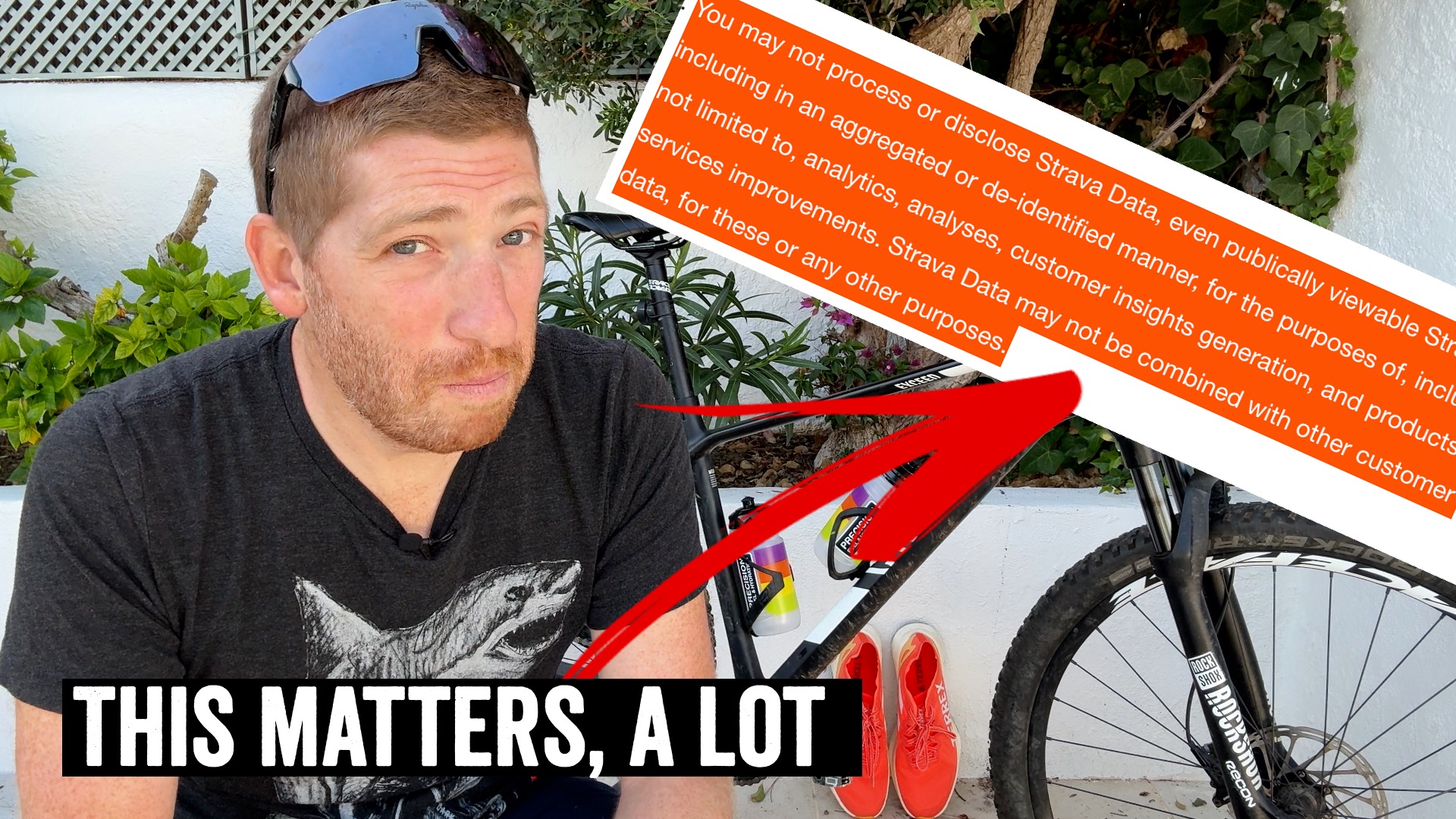
Strava announced a policy change restricting third-party apps from displaying user data to others, causing backlash among users who rely on these apps for coaching and comparisons. The company later clarified that the change will impact less than 0.1% of users, aiming to reassure the majority of its customer base.
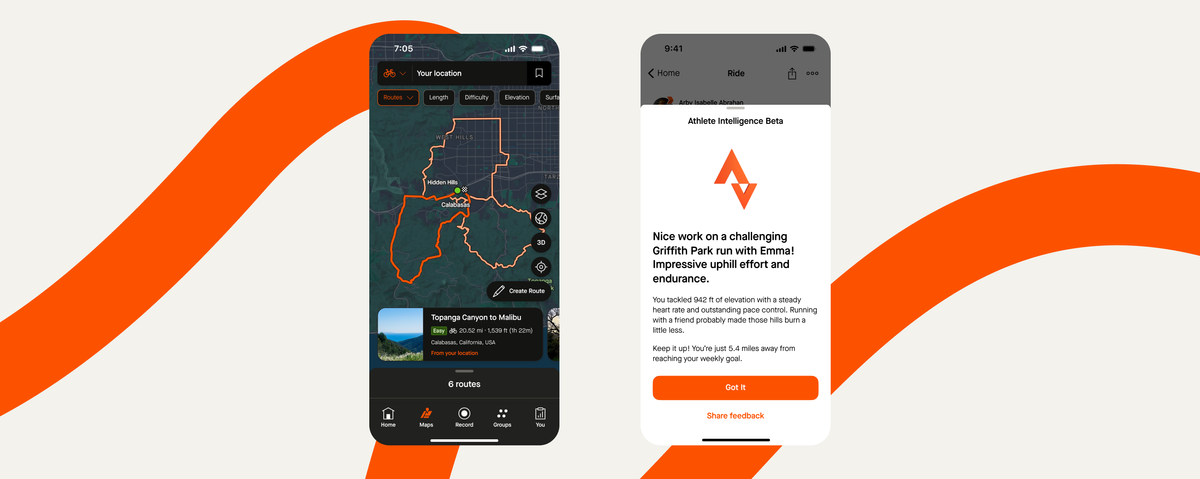
Strava is updating its API to enhance data privacy, restricting third-party apps from displaying user activity data to others and prohibiting the use of Strava data in AI models. This change, effective November 11th, requires third-party apps to comply within 30 days, potentially impacting small services that rely on Strava data. Larger companies like FasCat and TrainerRoad are adapting by integrating directly with fitness devices, while others express commitment to open data access. Strava's move aims to maintain high privacy standards amid evolving technology.
Strava has announced significant changes to its API terms, restricting third-party apps from displaying user data to others, using data for AI models, and performing analytics. These changes impact numerous apps that rely on Strava's API for data processing, potentially disrupting services for users and developers. The move has been criticized for its broad restrictions and short notice, with concerns that it may harm Strava's ecosystem and user satisfaction.
Samsung's Live Translate feature, initially available on the Galaxy S24's stock Phone app, will soon support third-party calling apps like Telegram and WhatsApp, enabling real-time language translation during calls. This expansion is part of Samsung's broader effort to enhance its AI-powered features across its product portfolio.