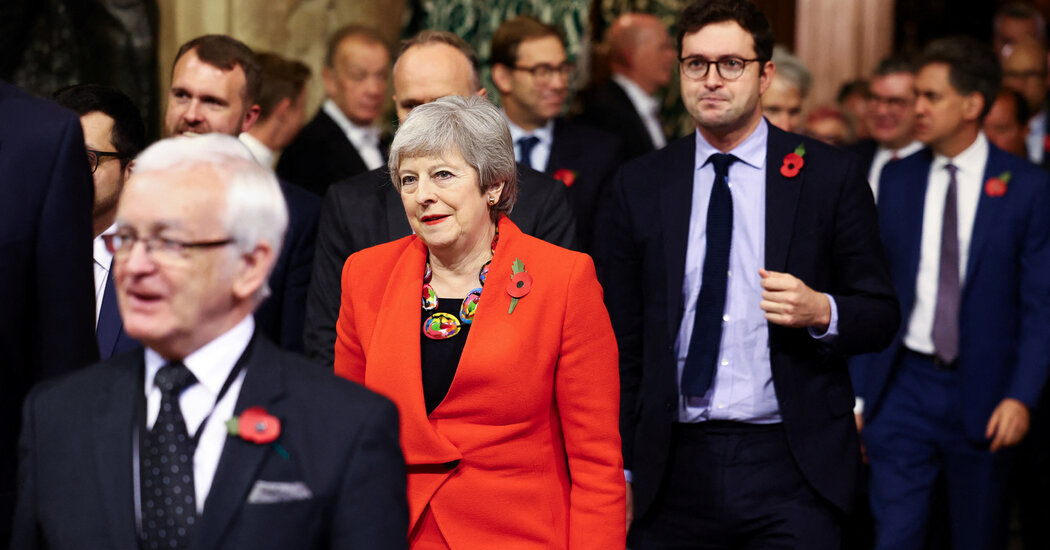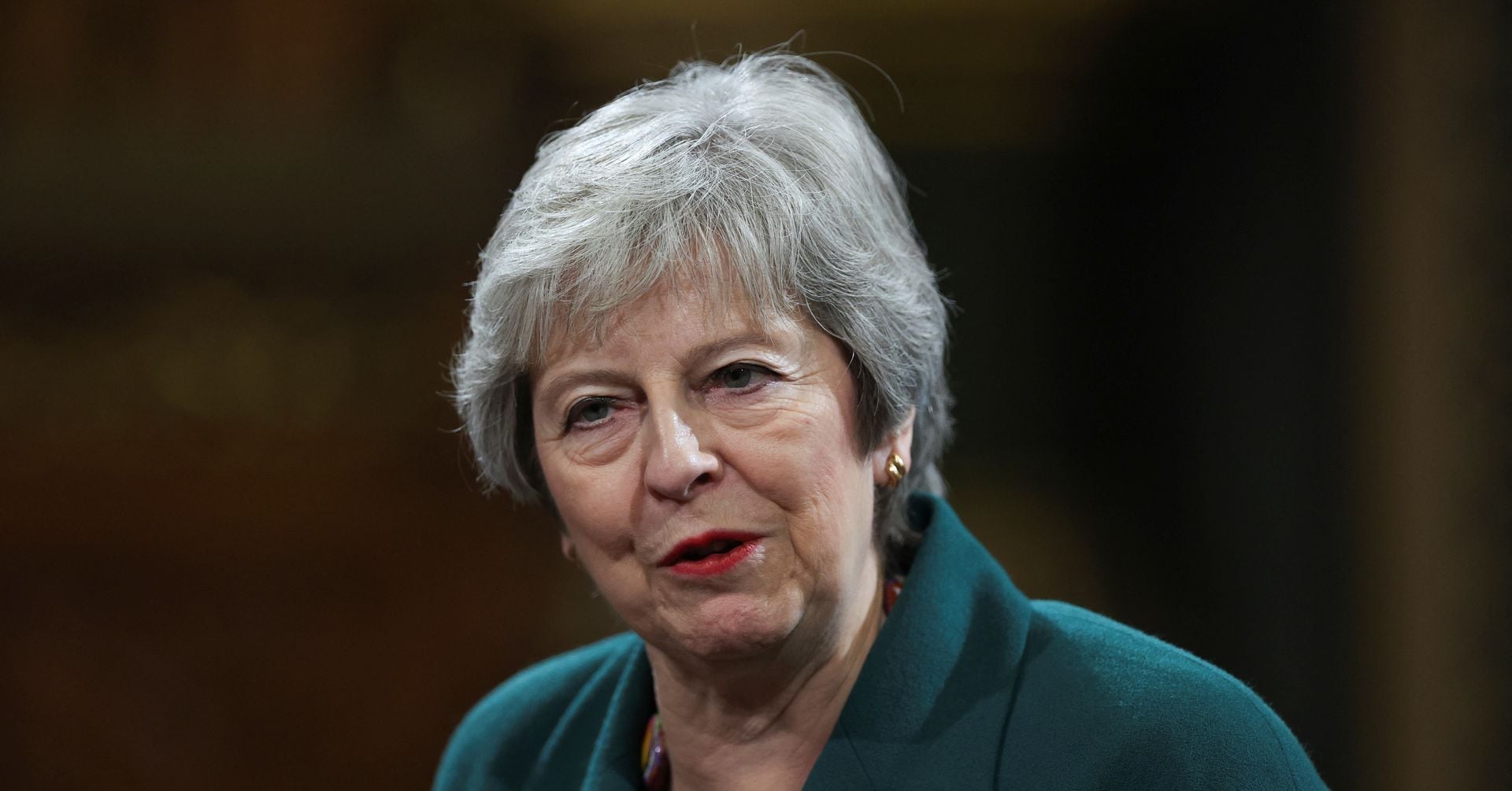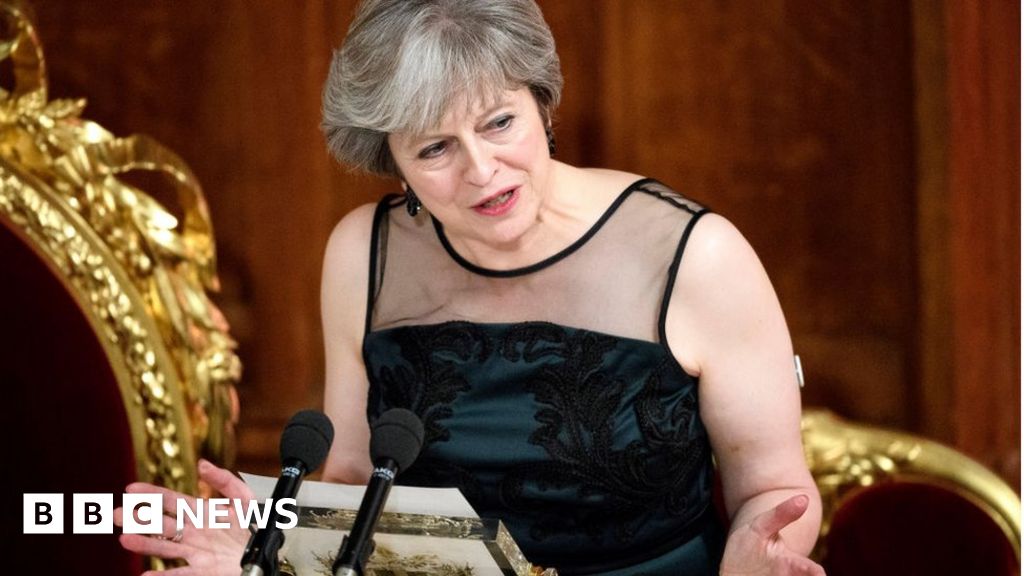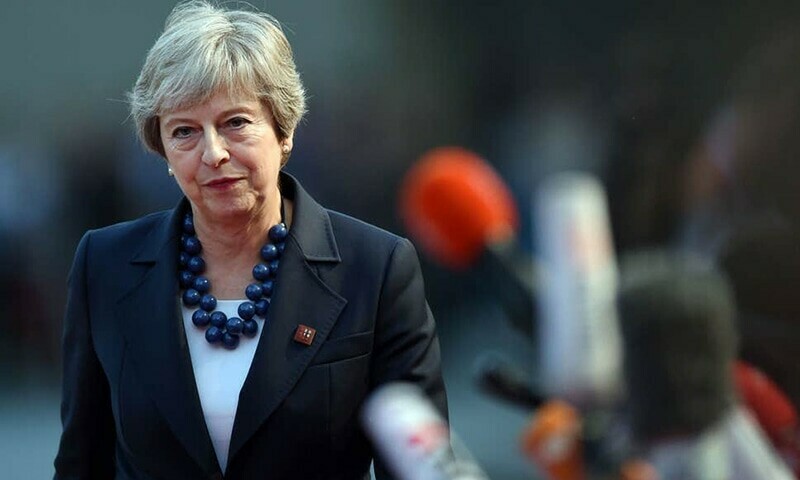
Former UK Prime Minister Theresa May announced her decision to step down as a Member of Parliament, joining a growing number of Conservative lawmakers not seeking re-election in the upcoming nationwide vote, where the party is predicted to face a significant defeat. May, who represented Maidenhead since 1997 and served as PM from 2016 to 2019, cited her commitment to causes like tackling modern slavery as a reason for her decision. Despite her departure, she expressed support for current Conservative leader Rishi Sunak and the party's chances in the election, which is expected in the latter half of the year. The exodus of Tory MPs is seen as a reflection of the party's struggles and a shift in its direction, particularly in the aftermath of Brexit.
The British government is attempting a new treaty with Rwanda after its policy of deporting asylum seekers to the country was rejected by the top court. Meanwhile, Suella Braverman, the UK home secretary, is seen as a controversial figure and a potential future Tory leader. Additionally, a revealed unedited resignation speech by former PM Boris Johnson shows initial plans for jokes about euthanasia and Humpty Dumpty. Lastly, Labour's Shadow Foreign Secretary David Lammy discusses plans to increase UK diplomacy in Brazil and India.
Former UK Prime Minister Theresa May, whose tenure was overshadowed by Brexit turmoil, has announced that she will not stand in the next general election after 27 years as a lawmaker. With the Conservative Party facing a challenging electoral outlook, May is among the approximately 60 party members planning to leave Parliament. Citing her inability to represent her constituents effectively and her increasing focus on causes such as combating modern slavery, May's decision marks the departure of a key figure in British politics.
Former British Prime Minister Theresa May announced that she will not stand for re-election, ending her 27-year career in parliament. May's tenure was dominated by Brexit, and she struggled to deliver on the decision to leave the European Union, ultimately resigning as prime minister in 2019. Her departure adds to a growing list of Conservative Party politicians leaving parliament, with polls indicating that the governing party is expected to lose power to the opposition Labour Party in the upcoming election.
Former UK Prime Minister Theresa May reveals that she used Jelly Babies to counteract the effects of type 1 diabetes during her time in office, as the adrenaline of Prime Minister's Questions would spike her blood-sugar levels. She also discusses the challenges of managing the condition and highlights the need for better awareness and support for those with type 1 diabetes and an eating disorder, known as T1DE. Additionally, she praises new artificial-pancreas technology and calls for a more joined-up approach by the NHS to address the conflicting pressures faced by individuals with type 1 diabetes and an eating disorder.
The UK government's plans to tackle the issue of people crossing the English Channel in small boats have been signed off by Parliament with the passing of the Illegal Migration Bill. However, the centerpiece of the plan, which involves sending migrants to Rwanda, is currently being challenged in court and awaits a decision from the Supreme Court in the autumn. The bill includes measures such as seizing the mobile phones of those crossing and weakening their case if they have discarded any documents at sea. While the government sees this as a "big win," critics, including former Prime Minister Theresa May, argue that the plan undermines efforts to combat modern slavery. The long-term challenge of finding workable solutions to migration flows remains, and the effectiveness of this bill will be closely watched.