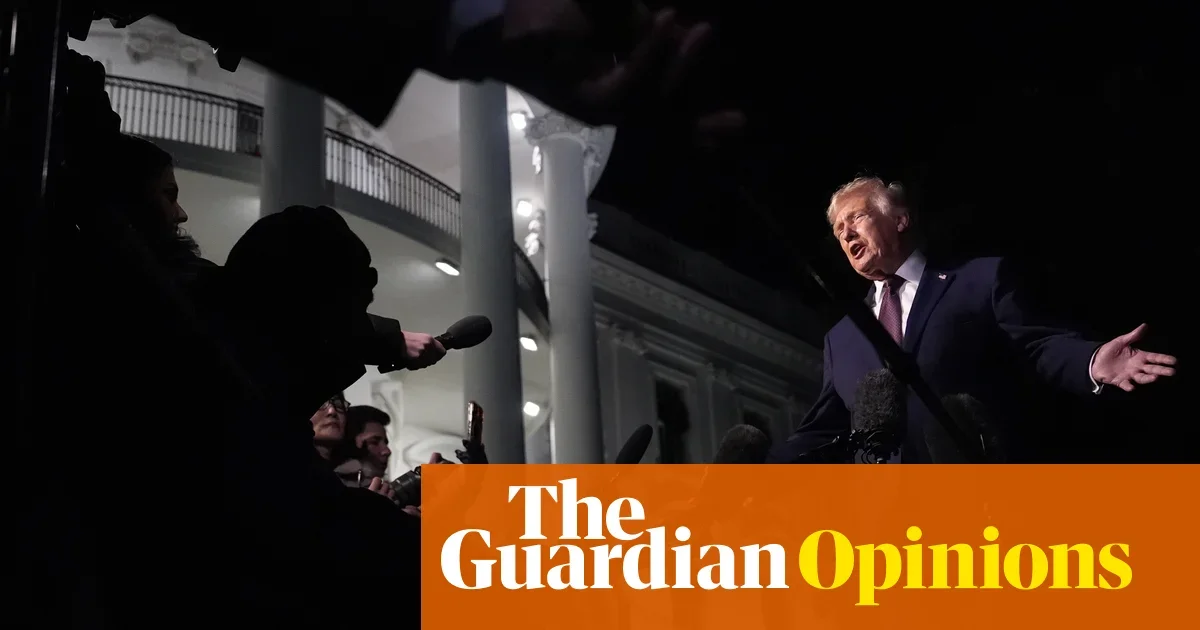
The author contrasts the decline of US media, influenced by billionaire owners and political pressures, with The Guardian's independence and commitment to truthful journalism, expressing gratitude for working at a media outlet that prioritizes integrity and reader support.
British actor Noel Clarke lost his libel case against The Guardian, which had reported allegations of sexual misconduct by him based on testimonies from over 20 women. The court ruled that The Guardian's reporting was substantially true, supporting the allegations and emphasizing the importance of public interest journalism. The case followed allegations that led to Clarke's suspension from BAFTA and his removal from TV projects.
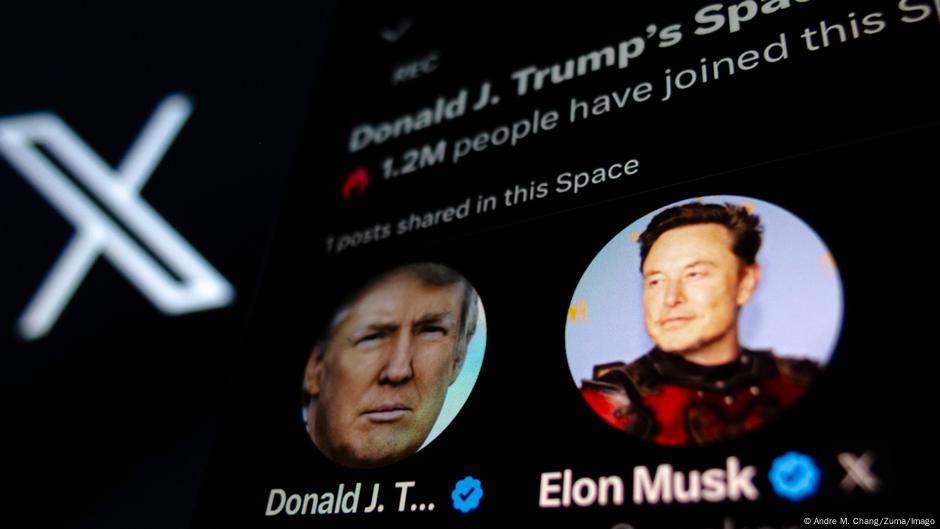
The Guardian newspaper has decided to stop posting content on the social media platform X, formerly known as Twitter, citing concerns over the platform's promotion of disturbing content, including far-right conspiracy theories and racism. The decision comes amid increasing scrutiny of X's influence on political discourse, particularly following Elon Musk's support for Donald Trump and his administration. Despite the move, The Guardian will still allow its articles to be shared on X and may occasionally embed X content in its articles.
The Guardian has announced it will stop posting on X, citing the platform's circulation of "disturbing content" such as far-right conspiracy theories and racism. Despite this, users can still share Guardian articles on X, and the outlet will continue using X posts in its reporting. The decision follows similar moves by NPR and the Berlin Film Festival, reflecting concerns over credibility and editorial independence on the platform. Elon Musk, owner of X, criticized The Guardian's decision.
The Guardian has decided to stop posting on X, formerly known as Twitter, citing the platform's "toxic" environment and its role in shaping political discourse under Elon Musk's ownership. The newspaper expressed concerns over disturbing content and Musk's support for Donald Trump. Despite this, The Guardian will allow article sharing and continue using X for news-gathering. The decision aligns with its stance as a liberal voice opposing Trump, and it has seen a surge in reader donations post-election. This move raises questions about whether other media outlets will follow suit, as platforms like Meta's Threads and Bluesky gain traction.
The Guardian has decided to stop posting content on Elon Musk's social media platform X, citing it as a "toxic media platform" due to the prevalence of conspiracy theories and Musk's influence on political discourse. Despite having over 80 accounts and 27 million followers on X, The Guardian believes its resources are better used elsewhere. This move follows NPR's similar decision last year after Musk labeled it "state-affiliated media." The Guardian will still allow article sharing and reporter use for newsgathering on X.
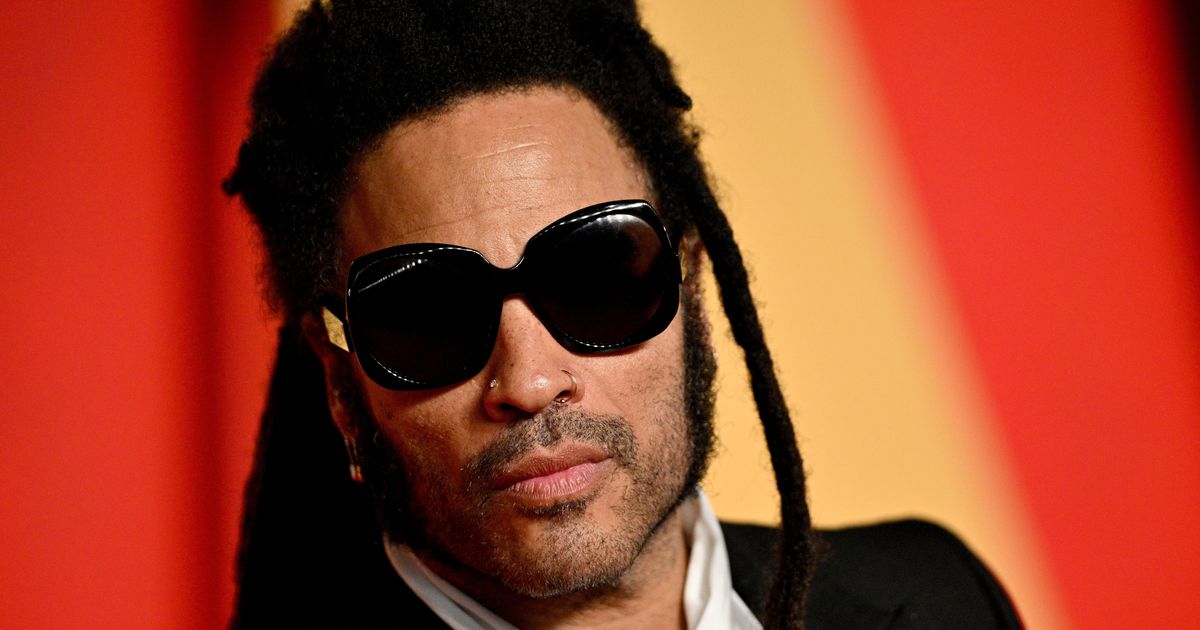
Lenny Kravitz revealed in an interview with The Guardian that he has been celibate for years, citing a desire for deeper connections and a spiritual commitment. Influenced by his father's infidelity, Kravitz chose celibacy to avoid becoming a "player" and to focus on personal discipline and responsibility.
The Guardian has accused Microsoft of damaging its journalistic reputation by publishing an AI-generated poll speculating on the cause of a woman's death alongside one of its articles on the Microsoft Start website. The poll, which presented three choices for readers to speculate on, triggered anger and reputational concerns for the news organization. The Guardian's CEO has written a letter to Microsoft, criticizing the use of generative AI without consent and calling for a commitment to not use experimental AI technology alongside Guardian journalism without approval. This is not the first time Microsoft's AI-generated news content has caused controversy.
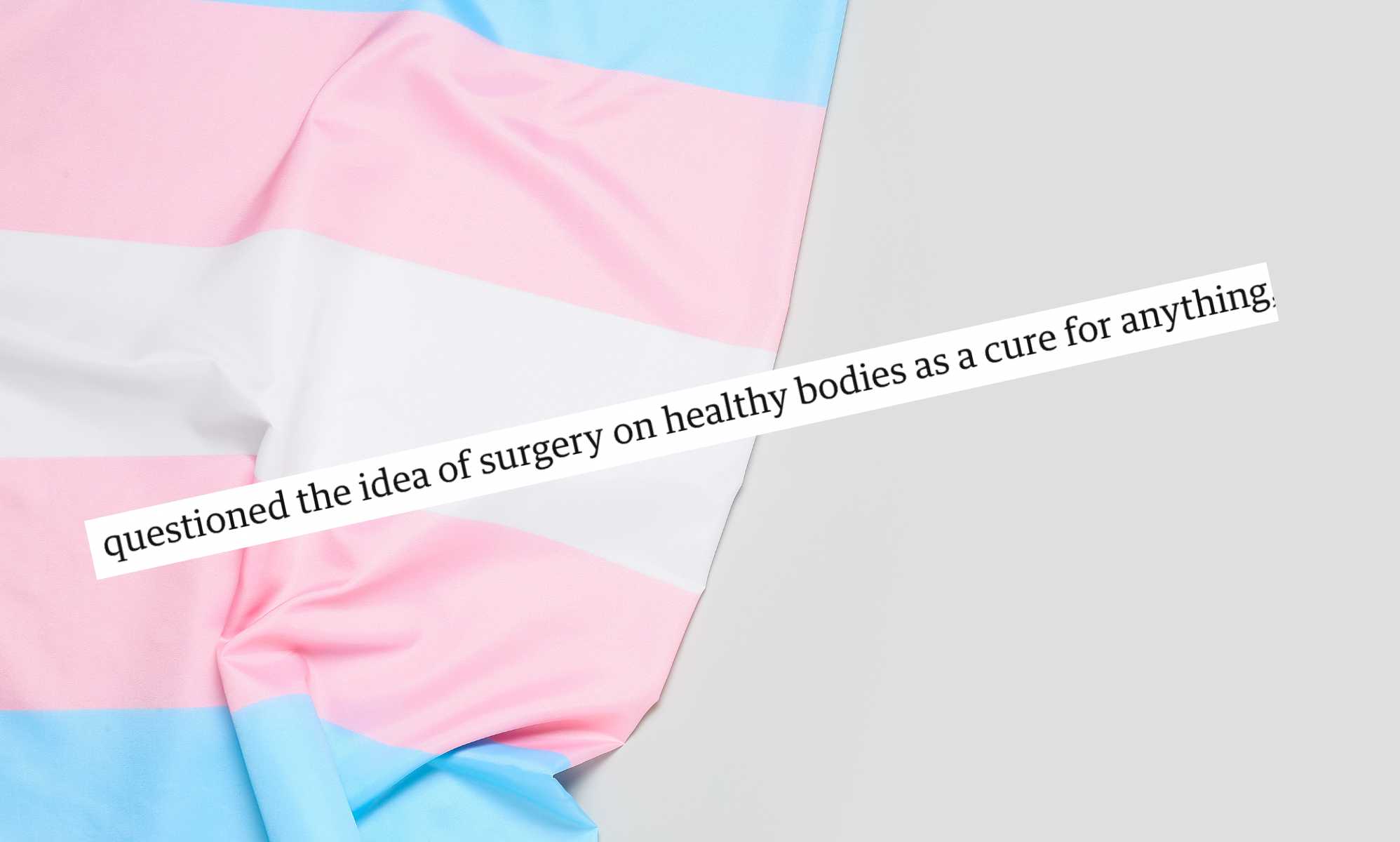
The Guardian has removed a transphobic sentence from a review of the final season of the TV show Sex Education. The sentence, which referenced gender affirming surgery on "healthy bodies," was seen as an anti-trans dog whistle. The altered version of the review now acknowledges the potential downsides of relentless positivity. This is not the first time The Guardian has faced criticism for anti-trans content, with previous protests and a columnist quitting over institutionalized transphobia.
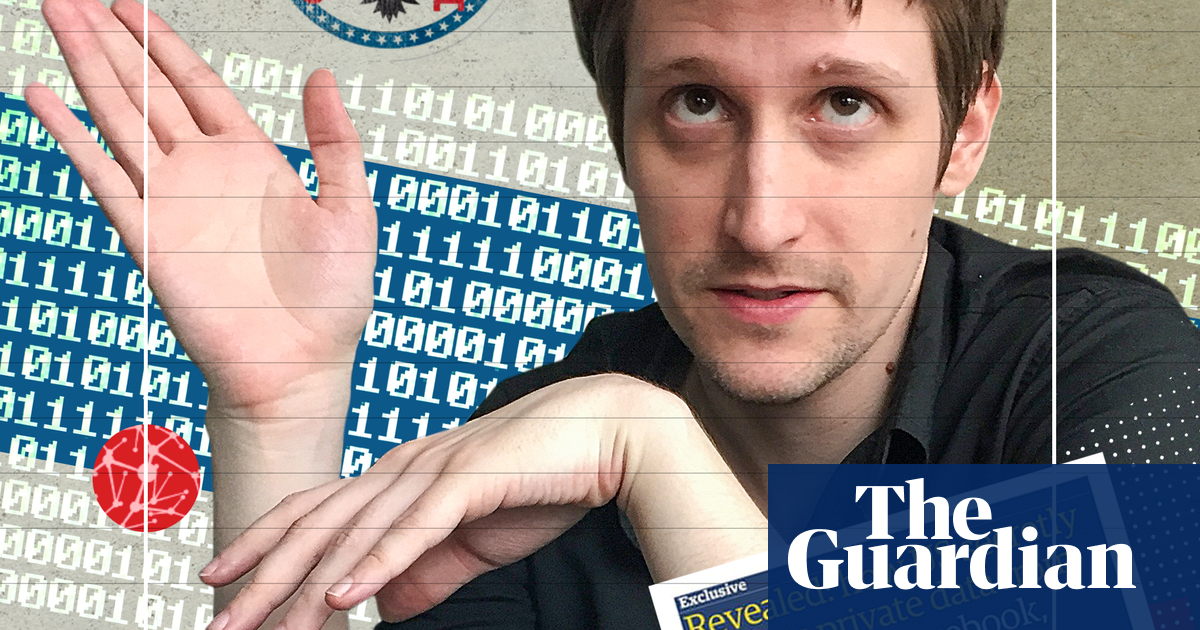
The Guardian's defence and security editor recounts the story of how the newspaper came to publish Edward Snowden's revelations about mass surveillance techniques and data gathering by intelligence agencies. The leak of tens of thousands of top-secret documents led to a small group of reporters and IT experts working in a special projects room, where they were advised they could be breaking the Official Secrets Act. The revelations were an inflection point, leading to a global debate about who gets to keep what information and for how long.
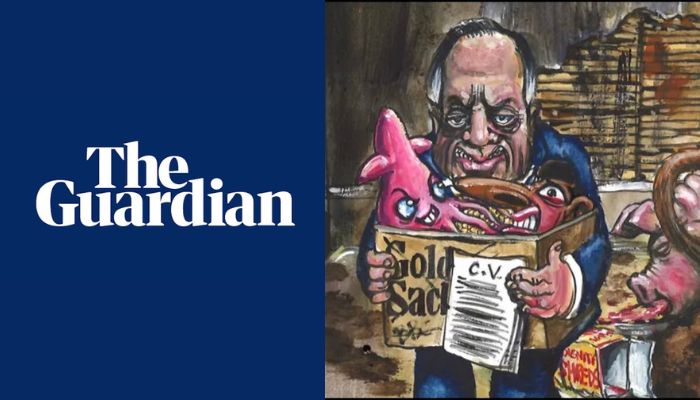
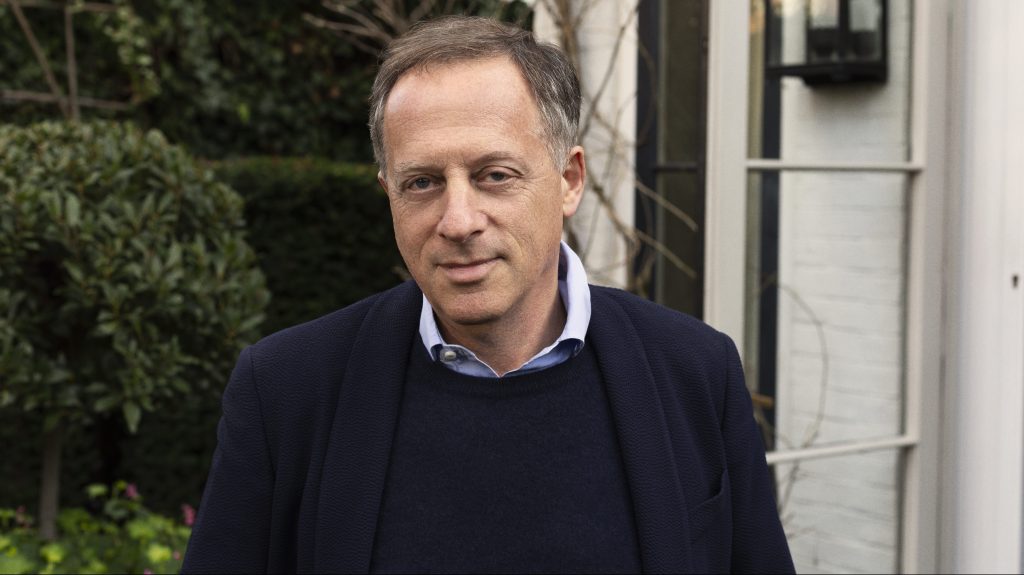
The Board of Deputies of British Jews has requested an urgent meeting with The Guardian's editor over a cartoon that contained antisemitic tropes. The cartoon depicted former BBC chairman Richard Sharp, who is Jewish, and former PM Boris Johnson. The newspaper has removed the cartoon and apologized to Mr. Sharp, the Jewish community, and anyone offended. The Jewish group has accused The Guardian of crossing the line in terms of highly questionable content connected to the Jewish community.
The Guardian faced backlash after publishing an anti-Semitic cartoon depicting the resignation of former BBC Chairman Richard Sharp. The cartoon featured Sharp walking out of the office with a box of octopuses/squids, with a swine in the background, an animal whose consumption is strictly prohibited in Judaism. Sharp is a Jew who supports Israel, and the cartoon was directed towards his religious beliefs. The Guardian retracted the cartoon following social media outrage, but did not issue an apology. Cartoonist Martin Rowson blamed his actions on carelessness and thoughtlessness.
The Guardian has removed and apologized for a cartoon by Martin Rowson depicting outgoing BBC Chairman Richard Sharp, which was accused of evoking anti-Semitic tropes. The cartoon featured a grinning caricature of Sharp, who is Jewish, with an enlarged nose and carrying a Goldman Sachs office box, apparently stuffed with gold and a squid. The Guardian apologized to Mr. Sharp, the Jewish community, and anyone offended, while Rowson apologized for his "carelessness and thoughtlessness."
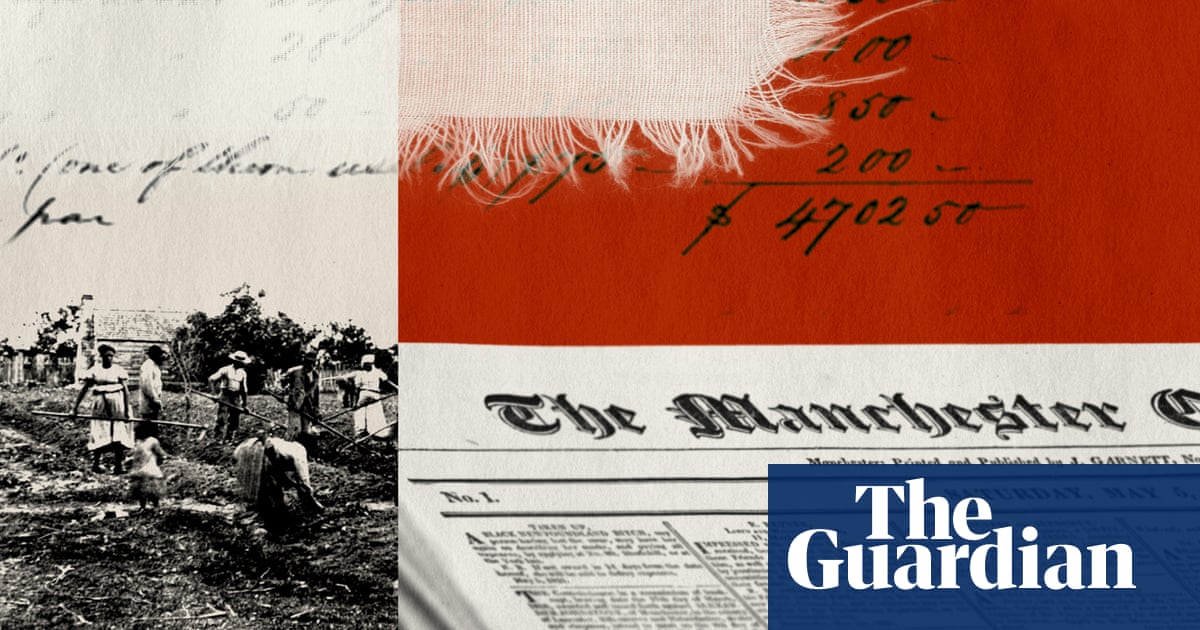
The Scott Trust, owner of The Guardian, has apologized for the role the newspaper's founders had in transatlantic slavery and announced a decade-long program of restorative justice. The trust is expected to invest more than £10m, with millions dedicated specifically to descendant communities linked to the Guardian's 19th-century founders. The restorative justice fund will support projects in the Gullah Geechee region and Jamaica over the next decade after consultation with reparations experts and community groups. The Guardian also announced plans to expand its reporting of Black communities in the UK, US, the Caribbean, South America, and Africa.