Tag

Technologyaviation

All articles tagged with #technologyaviation

"Revolutionary Aircraft Design: Unveiling the World's Largest Flying Machine"

Originally Published 1 year ago — by Yahoo Life

Featured image for "Revolutionary Aircraft Design: Unveiling the World's Largest Flying Machine"
Source: Yahoo Life

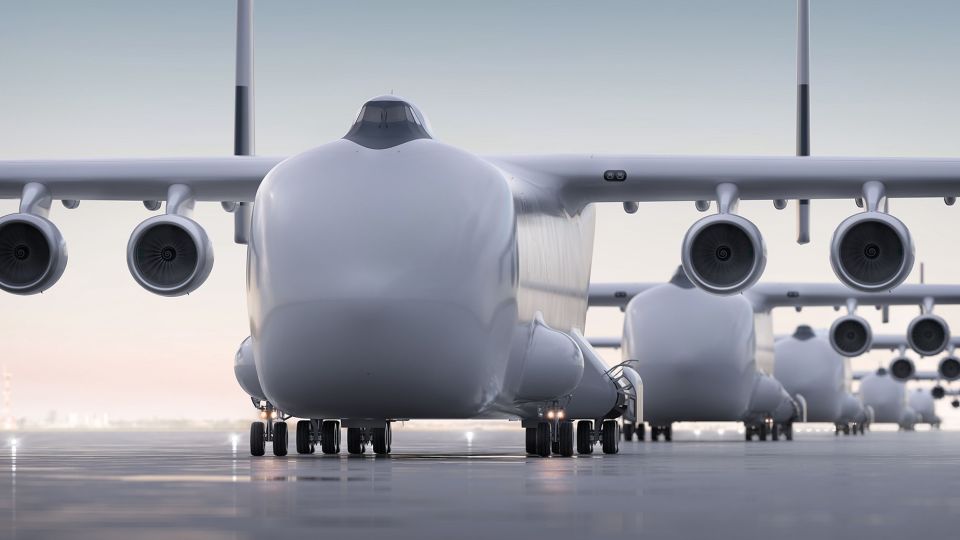
Colorado-based energy startup Radia is developing the WindRunner airplane, aiming to create the largest aircraft in aviation history to transport gigantic 300-foot-long wind turbine blades directly to wind farms. The aircraft will use sustainable aviation fuel, operate from regional hubs, and require only a simple packed-dirt or gravel runway to land on. With a cargo bay volume of 272,000 cubic feet and a wingspan of 261 feet, the WindRunner is designed to enable the deployment of XXL turbines, potentially making onshore wind energy more powerful and profitable. The company is focusing on existing technology and safety, with commercial operations potentially starting as soon as 2027.
"Revolutionizing Air Travel: NASA's Supersonic Jets Redefine Speed and Silence"

Originally Published 2 years ago — by New York Post

Featured image for "Revolutionizing Air Travel: NASA's Supersonic Jets Redefine Speed and Silence"
Source: New York Post

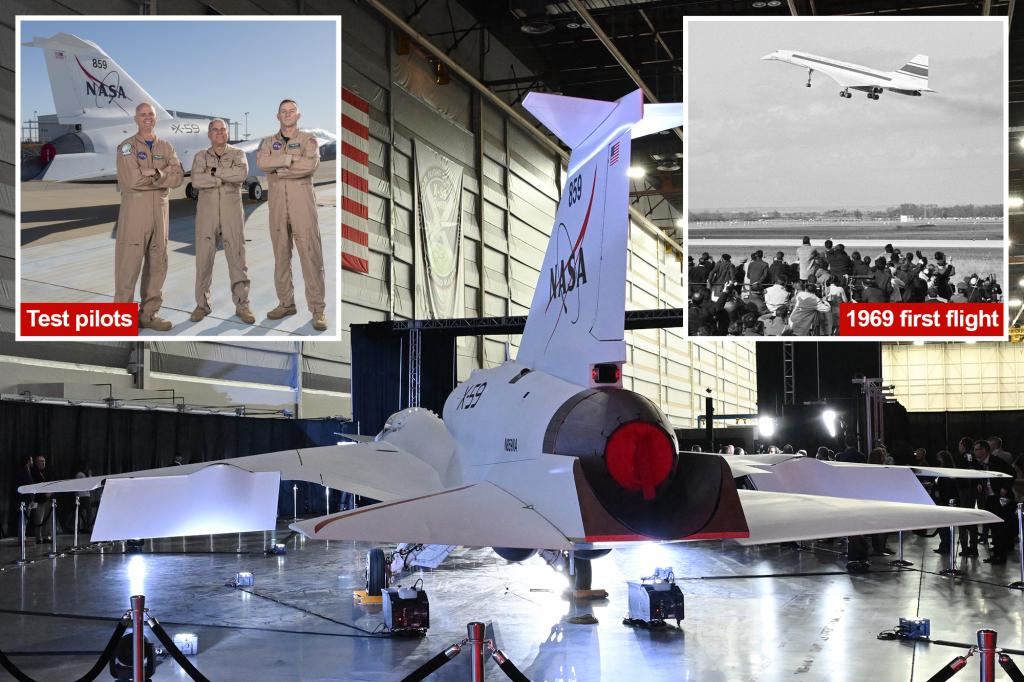
NASA and Lockheed Martin have unveiled the X-59, a new supersonic aircraft dubbed "son of Concorde," capable of flying from New York to London in just 3.5 hours. The 100-foot long, 30-foot wide plane is part of NASA's Quesst mission and is designed to produce a less disruptive sonic boom, potentially revamping commercial air travel. The aircraft's first flight is scheduled for later this year, with the goal of demonstrating the possibility of quiet commercial supersonic travel over land.

"NASA Reveals Game-Changing X-59 Supersonic Jet for Commercial Flights"

Originally Published 2 years ago — by The Guardian

Featured image for "NASA Reveals Game-Changing X-59 Supersonic Jet for Commercial Flights"
Source: The Guardian

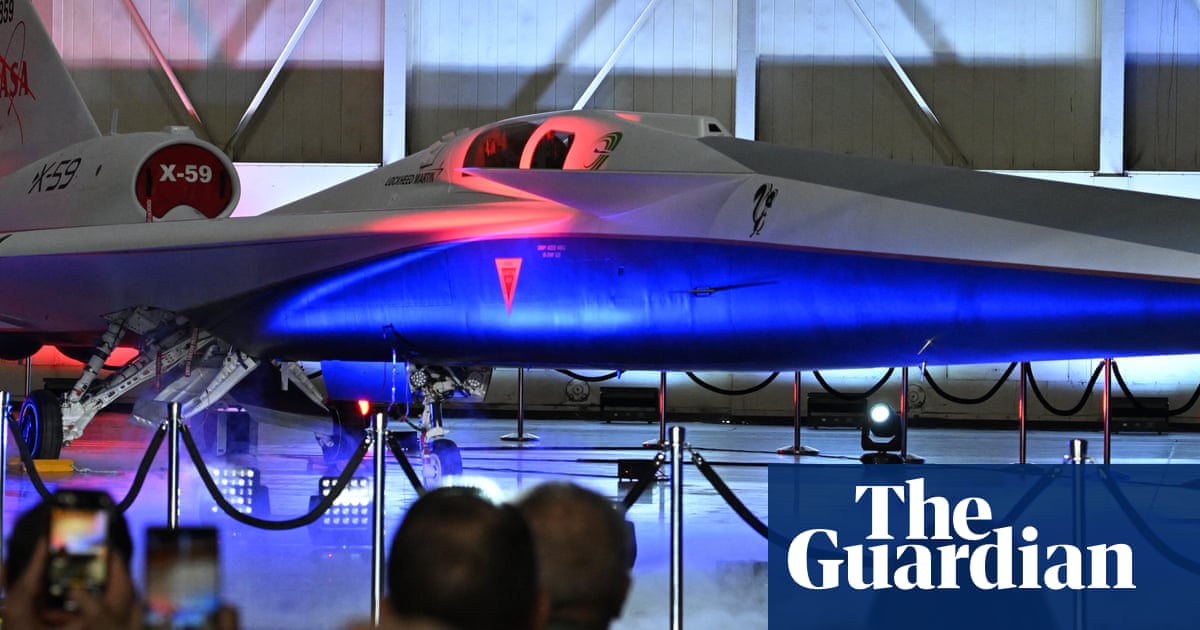
NASA has unveiled the X-59, a quiet supersonic aircraft designed to make commercial supersonic flight possible by reducing the disruptive sonic booms. The experimental aircraft features a unique design with a thin, tapered nose and an external vision system, aiming to disperse shock waves and minimize noise. Once test flights are completed, the X-59 will fly over select US cities to collect public feedback on the sound it generates, with the goal of potentially lifting the ban on commercial supersonic travel over land.

NASA's Ingenious Fuel-Saving Trick Saves Billions of Gallons

Originally Published 2 years ago — by SciTechDaily

Featured image for NASA's Ingenious Fuel-Saving Trick Saves Billions of Gallons
Source: SciTechDaily

NASA's winglet technology, inspired by bird feathers, has proven to be a highly effective innovation in commercial aviation. Since their introduction in the early 1990s, winglets have been installed on approximately 10,000 jets, resulting in a 6-7% increase in fuel efficiency and saving over 10 billion gallons of fuel. This has also led to a reduction of more than 130 million tons of CO2 emissions, making winglets a significant contribution to environmental sustainability in the aviation industry.