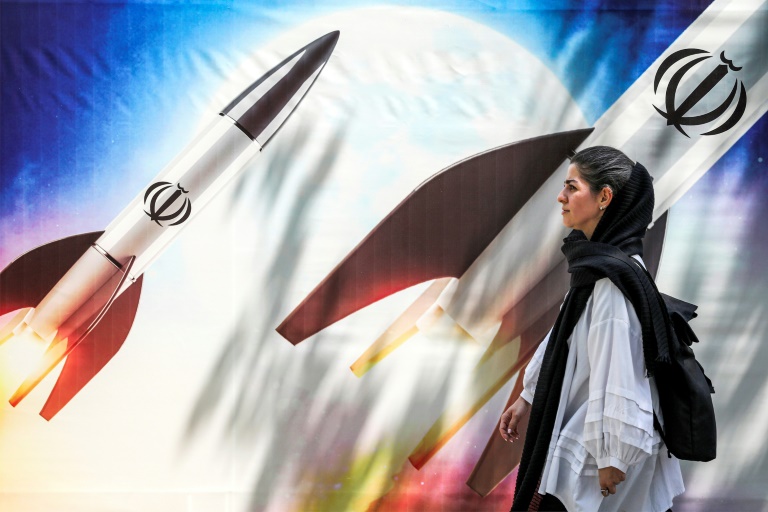
Following Iran's recent drone and missile strikes, social media platforms were inundated with misrepresented visuals and misinformation, exacerbated by accounts posing as "OSINT" investigators. The spread of falsehoods, including old footage repurposed as current events, has raised concerns about the erosion of the information landscape and the blurring of fact and fiction. Influential accounts, some of which appear to be monetizing misinformation, have contributed to the dissemination of false and misleading content, highlighting the potential for information chaos during fast-unfolding crises. Additionally, the introduction of a paid verification system on a social media platform has been criticized for prioritizing engagement over accuracy and enabling the amplification of misleading and inflammatory content.

A viral photo of "Hollywood Mountain" in California is actually a completely fake image generated by AI and has been circulating on social media, fooling some people into believing it's real. This misinformation could lead to potential issues for foreign tourists who may have unrealistic expectations of certain destinations. The phenomenon of AI-generated images creating false perceptions of real places has parallels to past experiences of tourists encountering unexpected realities, such as the "Paris Syndrome" in the early 2010s. This serves as a reminder to temper expectations when visiting real locations, as generative AI can create convincing but entirely fictitious representations.
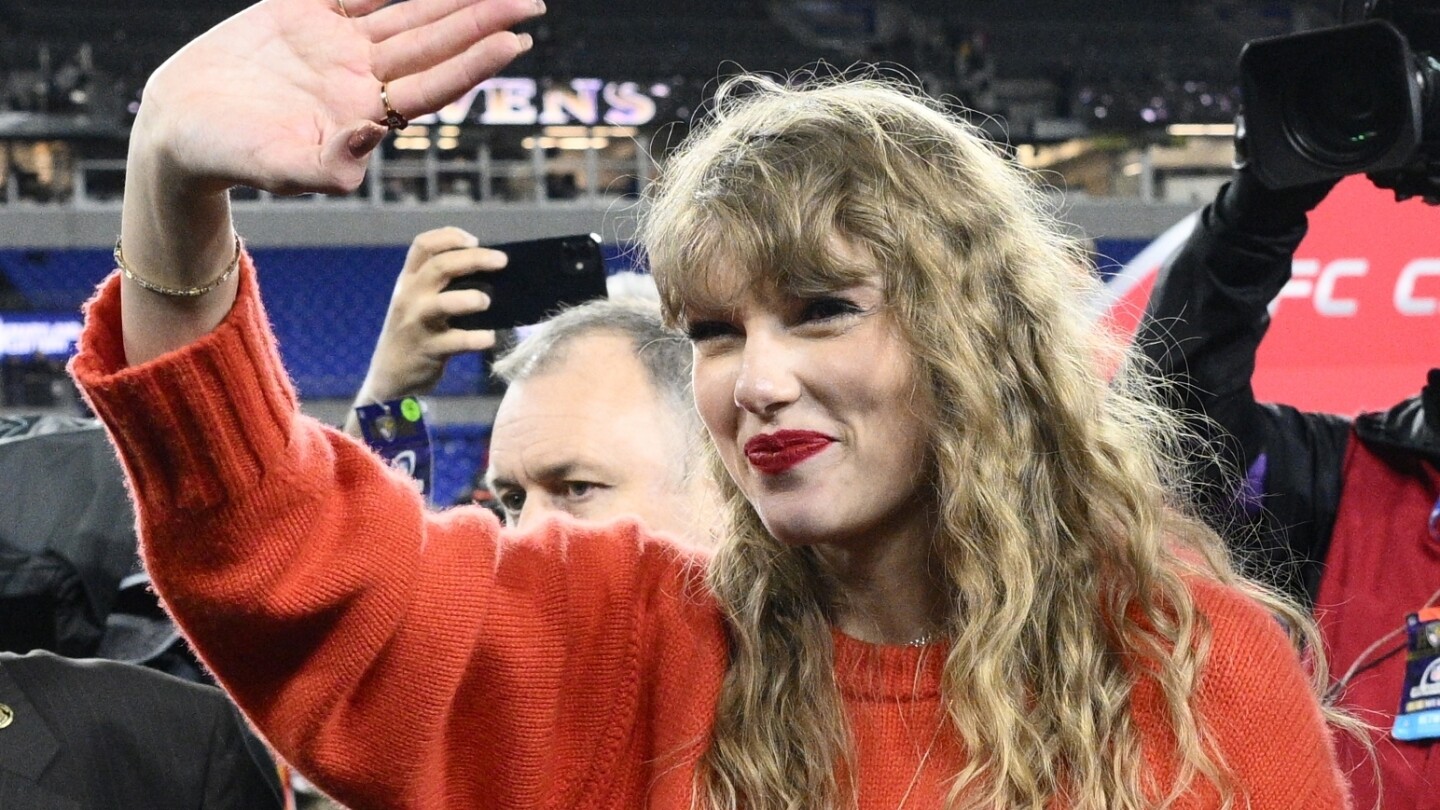
Elon Musk's social media platform X has temporarily blocked searches for Taylor Swift after pornographic deepfake images of the singer circulated online, prompting an error message and a prompt for users to retry their search. Swift's fanbase quickly mobilized to flood the platform with positive images and launched a #ProtectTaylorSwift hashtag, while a deepfake-detecting group tracked a deluge of nonconsensual pornographic material depicting Swift on various social media platforms. The incident highlights the growing issue of explicit deepfakes, with researchers noting an increase in such images, particularly targeting women.
Twitter, referred to as Twitter/X in the article, briefly reintroduced headlines to link previews on its web client, displaying them in a small format on the image preview. However, the feature was quickly removed after negative public response, and it's uncertain if it will return. The headlines had been removed previously but were brought back after a context-less post by Elon Musk highlighted the issue with not having them. The change was web-only, with the Android app maintaining the original headline format and plans for iOS expansion unconfirmed.
Twitter, now known as X, is reintroducing headlines to URL cards on its platform, albeit with smaller text and some limitations, such as truncation with ellipses for longer titles. This update aims to improve user experience by making it clearer what content a linked image will lead to, addressing issues that arose after headlines were removed last year under Elon Musk's direction to streamline post appearance. The feature is currently visible on the web version and is expected to roll out to mobile platforms, though it's already functioning as before on Android.
Twitter/X has reintroduced headlines to link previews on its web client, now displayed as small text on a black box within the image preview. This update comes after headlines were removed months earlier, a decision that was reversed following a context-less post from Elon Musk. The headlines are truncated if they are too long for the default preview size, and while the change is currently web-only, it is expected to roll out to iOS, with the Android app having retained the original headline format.
The trend of creating 2023 recap videos has exploded on social media platforms like TikTok, with users compiling their year's highlights into short videos, often set to popular music. This phenomenon reflects a broader digital culture where documenting and sharing life experiences online is increasingly normalized, and apps are facilitating this by providing easy-to-use templates and features. While some find the trend a fun way to reflect and share memories, others feel pressured to create engaging content, leading to anxiety and frustration. Despite the mixed reactions, the trend continues to grow, with even meme pages and individuals using the format to reflect on personal and global events of the past year.
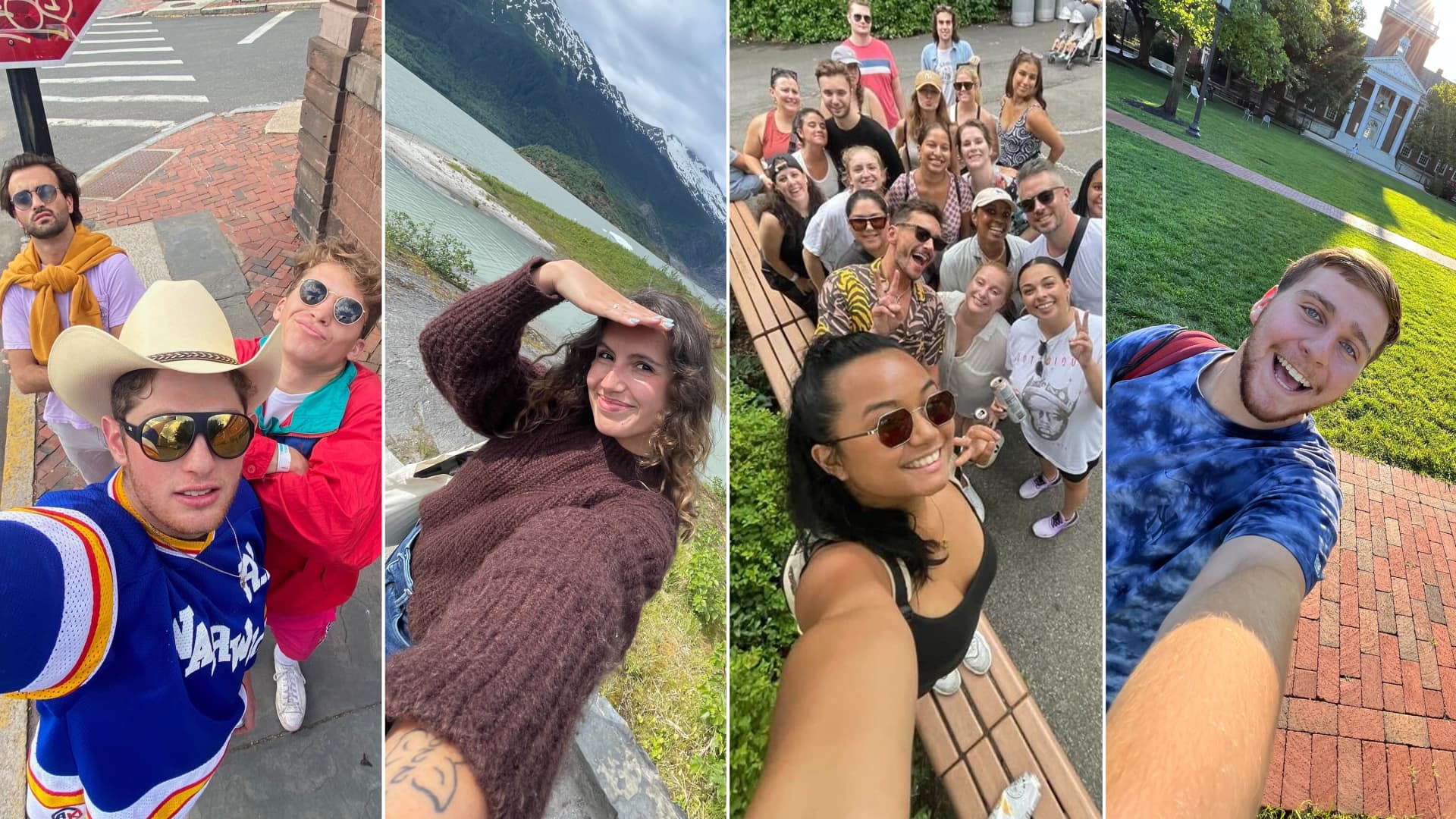
Gen Z is embracing a new selfie trend called the .5 selfie, which involves taking wide-angled, casual photos using the Ultra Wide camera lens on iPhones. This style of selfie captures spontaneous moments and is favored by Gen Z for its authenticity and less curated aesthetic. The .5 selfie has become popular on social media platforms like Instagram, where users incorporate it into their photo dumps and stories to showcase their personalities. Professional social media creators have also capitalized on the trend, building relatable brands around the more casual online aesthetic. The .5 selfie is seen as a fun form of self-expression and personal record-keeping, appealing to people of all generations.
Social media platforms and messaging apps are being flooded with false and out-of-context images, videos, and rumors about the ongoing conflict between Israel and Gaza. Misleading posts and videos are being amplified within an online information ecosystem already inundated with graphic and violent footage from both sides. State actors and other groups are taking advantage of the chaos to spread propaganda, fuel division, and sow confusion. False and misleading claims are also being used to advance political agendas, including in the United States. Social media platforms, particularly X (formerly known as Twitter), have become hotspots for bogus claims and mischaracterized content, raising concerns about the spread of misinformation and the lack of effective fact-checking measures.